 Visit Tokyo Guide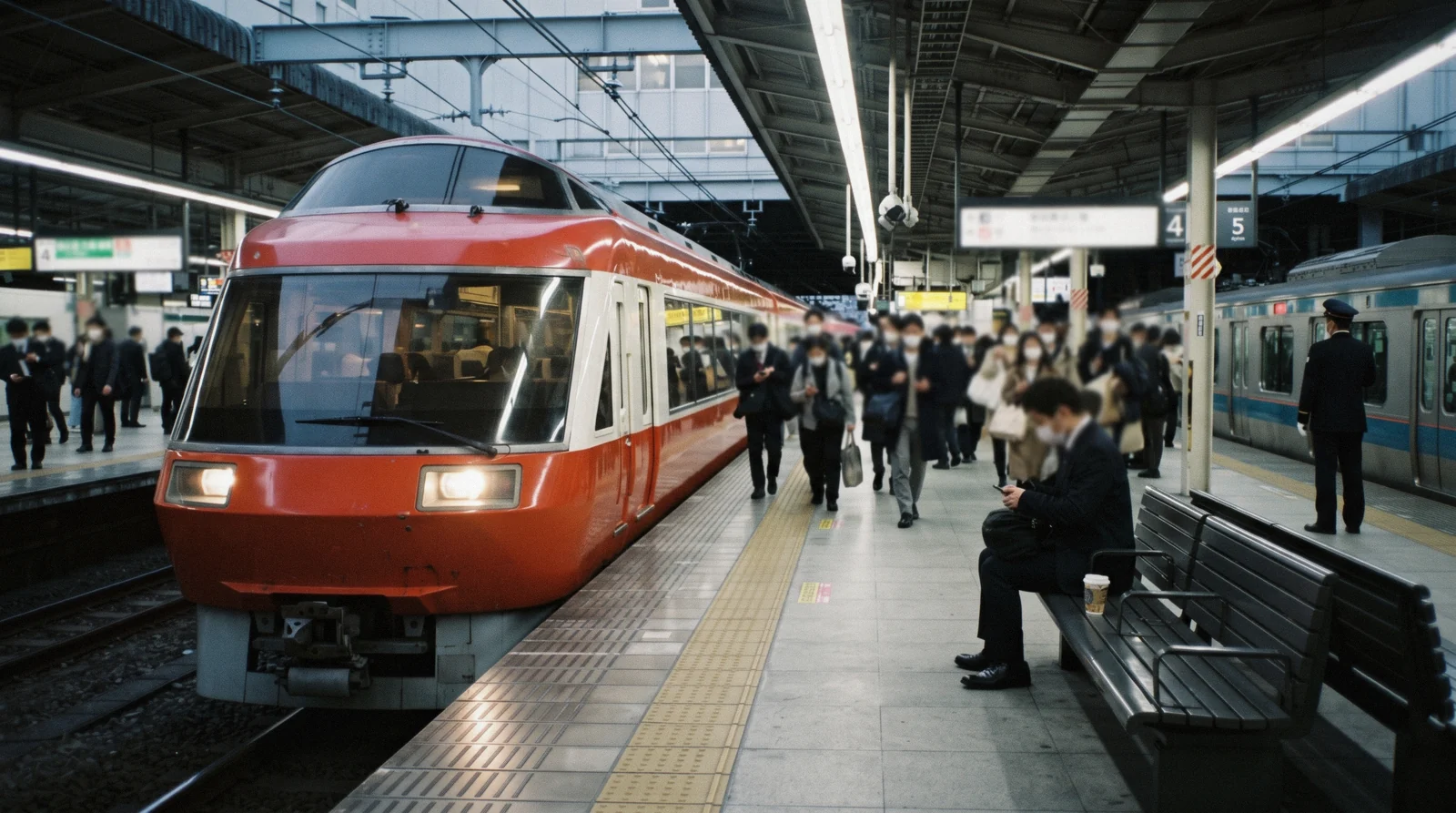
Day Trips from Tokyo
Seven day trips from Tokyo, compared on the five figures that actually decide which one you take: the terminus you leave from, the time each way, the one-way fare, the pass that covers it and how many hours it removes from your day. Every price here comes from the operator's own page, and where an operator will not publish a fare, this page says so instead of borrowing a number. The city itself is covered across the Tokyo guide behind this page and its things to do hub, and the fare system you will be using to reach the terminus is on getting around Tokyo.
Quick answer Which trip, from which station, at what cost, and how much of the day it takes
Everything worth doing as a day trip from Tokyo sits within about two hours of a terminus, and the terminus is not always the one you expect: Hakone and the Fuji lakes leave from Shinjuku, Nikko from Asakusa, the coast from Tokyo or Shinagawa. Regional passes run from ¥1,640 for the Kamakura and Enoshima coast to ¥11,100 for the three-day Fuji and Hakone pass, about $10.63 to $71.90.
Key takeaways
- If you take one, take the Hakone loop: a ropeway over volcanic vents, a lake crossing and a mountain railway on one ¥7,100 pass, with no admission ticket anywhere in it.
- If you have seen the obvious things and want a building rather than a view, Nikko's shrine complex is the better day, and the ticket the passes never cover is the shrine's own.
- The tour is the right answer for exactly one situation: when the destination needs a car. A Mount Fuji sightseeing day does the lakes and viewpoints no timetable connects, and the cards on this page are grouped by how far they go.
All seven destinations at a glance
Seven destinations on the five figures that decide them, read on the operators' own sites in Q3 2026: Odakyu for Hakone and the coast, Tobu for Nikko, Fujikyu for the Kawaguchiko leg, Keio for Mount Takao.
| Destination | From, and how long | One-way fare | Pass that covers it | Hours out of your day |
|---|---|---|---|---|
| Hakone | Shinjuku, about 80 min by Romancecar | Not published as a single; ¥910 Shinjuku to Odawara plus a ¥1,200 seat supplement | Hakone Freepass, ¥7,100 for 2 days (about $46.00) | About 9, or 11 with the Open-Air Museum |
| Nikko | Asakusa, about 1 h 50 min by limited express | Not printed in English; about ¥3,340 with a reserved seat, indicative | NIKKO PASS World Heritage Area, ¥3,000 for 2 days (about $19.44) | About 8, or 11 with Kegon Falls |
| Mount Fuji and Kawaguchiko | Shinjuku, about 2 h on the direct limited express | ¥4,200 direct (about $27.20), indicative; ¥1,170 for the Otsuki to Kawaguchiko leg alone | Fuji Hakone Pass, ¥11,100 for 3 days (about $71.90) | About 10 to 12 |
| Kamakura | Tokyo or Shinagawa, about 50 to 56 min on the JR Yokosuka Line | About ¥950 from Tokyo, ¥740 from Shinagawa, both unverified | Enoshima-Kamakura Freepass, ¥1,640 from Shinjuku (about $10.63), local legs only | About 7 |
| Enoshima | Shinjuku to Katase-Enoshima on the Odakyu Line | Seat supplement ¥750 if you take the Romancecar | The same ¥1,640 Freepass, which is what it was designed for | About 7 |
| Yokohama | Shinagawa, about 28 min on the JR Tokaido Line | About ¥480 (about $3.11), unverified | None specific; the city is walked or ridden locally | About 5, and it works as an evening |
| Mount Takao | Shinjuku to Takaosanguchi on the Keio Line | Not printed as a point-to-point figure by the operator | Mt. Takao Discount Ticket, officially 22% off the separate parts | About 6 |
Dollars convert at ¥1,000 to $6.48. Two rows carry unverified fares for one reason: JR East's fare finder returns an error to automated reading, so the Kamakura and Yokohama figures come from a secondary source and have not been confirmed against the railway's own page. Every other figure was read on the operator's own site, including Odakyu's Hakone Freepass page and Tobu's NIKKO PASS page. Where an operator publishes no fare at all, the cell says so rather than filling the gap.
The seven, grouped by what kind of day they are
Numbered to the map. Sort by price or by time with the chips, and read the tip line before you commit a day to any of them: it is usually the thing that decides whether the trip works on your dates.
Mountains and volcanic country
-
Hakone
Transport loop ¥7,100 pass9 to 11 hoursbook-ahead tier 2 of 3
A caldera you cross by mountain railway, cable car, ropeway and boat, with the Owakudani steam vents in the middle. One pass covers eight operators and there is no admission ticket anywhere in it.
Tip: The ropeway suspends sections at no notice for volcanic gas and wind; check the operator's live status before you leave Tokyo.
-
Mount Fuji and Kawaguchiko
Lakes and viewpoints ¥4,200 direct10 to 12 hoursbook-ahead tier 3 of 3
The Fuji Five Lakes, the Kawaguchiko ropeway at ¥1,000 return and the pagoda viewpoint above the town. The one trip where the destination might simply not be visible when you arrive.
Tip: The City of Fuji's own 35-year observation series puts full-mountain visibility at the 8am check at 36.6 per cent, falling through the day. Go early or do not go.
-
Mount Takao
Half-day hike ¥980 cable car returnAbout 6 hoursbook-ahead tier 1 of 3
A wooded mountain inside Tokyo's own boundary with a cable car up the first stretch, a temple on the way and a summit view. The cheapest and shortest day on this page.
Tip: The cable car's round-trip discount ended on 1 October 2025: ¥980 return is now exactly twice the ¥490 single, so buy one way if you plan to walk down.
Shrines and the old capital
-
Nikko
UNESCO shrines ¥3,000 pass8 to 11 hoursbook-ahead tier 2 of 3
A mausoleum complex of 103 listed structures under cedars, and above it a 97-metre waterfall and a lake at 1,200 metres. The most rewarding day here for anyone who likes buildings.
Tip: No Tobu pass includes shrine admission. Budget ¥1,600 at the Toshogu gate on top of whatever you paid to arrive.
-
Kamakura
Temples by the sea ¥300 Great BuddhaAbout 7 hoursbook-ahead tier 1 of 3
The old shogunal capital: a bronze Buddha you can walk inside for ¥50 more, temples spread across several rail-connected pockets, and a single-track line along the coast.
Tip: Kotoku-in, which houses the Great Buddha, is cash only and closes its interior 30 minutes before the gate.
Coast and city
-
Enoshima
Island and tower ¥800 Sea CandleAbout 7 hoursbook-ahead tier 1 of 3
A small island joined to the coast by a bridge, with a shrine, caves, an observation tower and, on a clear winter afternoon, Fuji across the bay. Pairs naturally with the temple day next door.
Tip: The Sea Candle opens to 20:00 with last entry at 19:30, so this is the one destination on the page that improves after dark.
-
Yokohama
Waterfront city About ¥480 each wayAbout 5 hoursbook-ahead tier 1 of 3
Half an hour from Shinagawa: a redeveloped harbour, the biggest Chinatown in Japan and a skyline that reads as the opposite of Tokyo's. The one trip that works as an evening rather than a day.
Tip: There is no visitor pass worth buying here. Ride in on the fare, walk the waterfront, and treat it as an extension of the city.
Numbers match the list — tap a pin for the guide.
Coordinates are approximate town and district centres, taken from the Wikipedia entries where an article exists and read off the map otherwise; they place the pins, they do not navigate. Prices in this list are entry or transport figures argued in full on each destination page.
Mountain days: Fuji, Hakone and Takao
The trips where a vehicle earns its price, because the viewpoints are not on a railway line. Prices and ratings are the platform's own figures for these cards as listed in Q3 2026.
 from $64
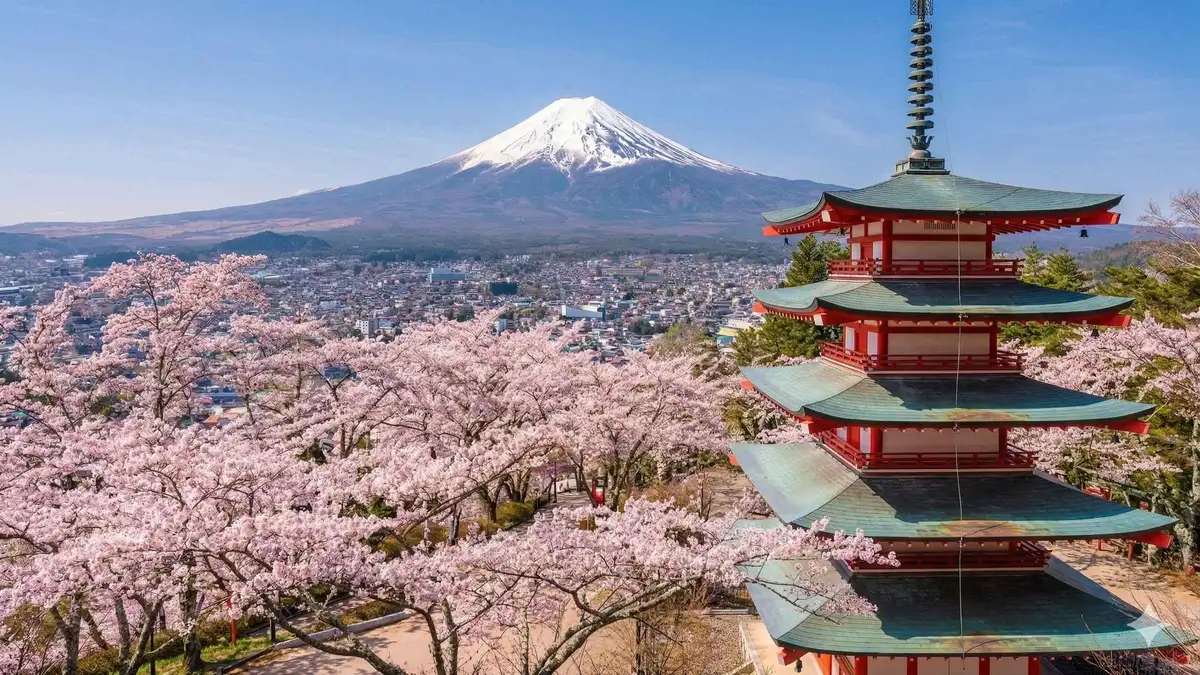
From Tokyo: Mount Fuji Full-Day Highlights Sightseeing Trip
A 10-hour coach day trip from Tokyo to Mount Fuji's 5th Station, Lake Kawaguchi's Oishi Park, Chureito Pagoda and Oshino Hakkai's spring-fed ponds, with entry fees and a multilingual guide included.
Check Availability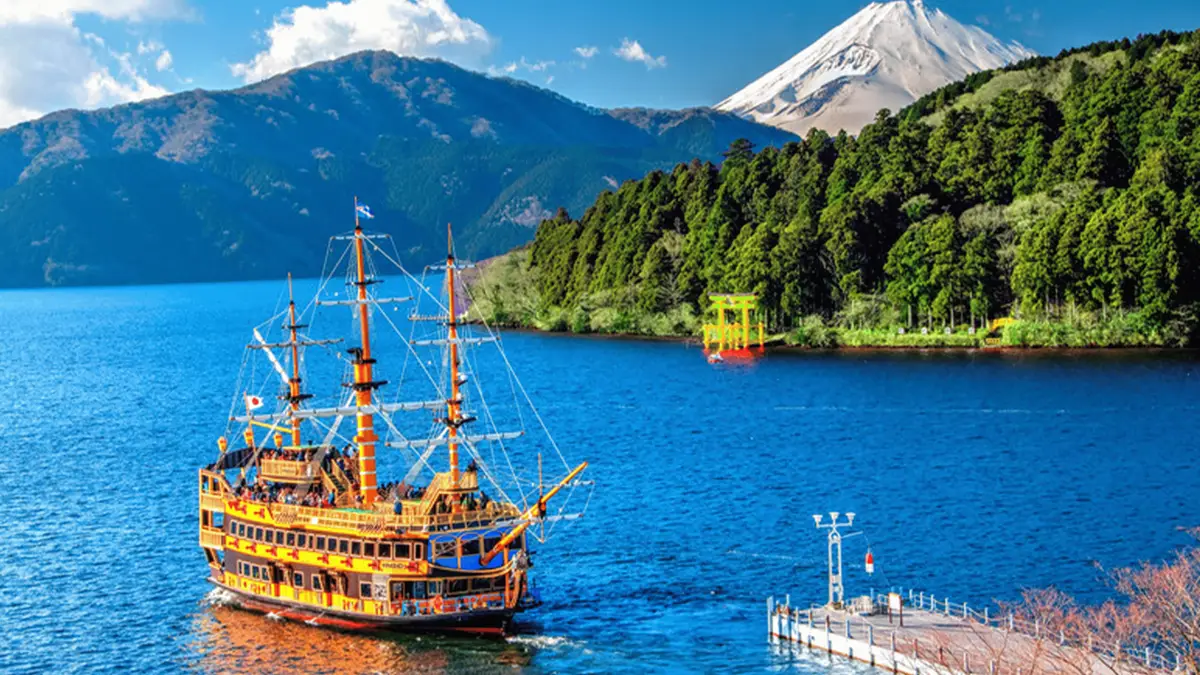 from $56.10
Tokyo: Mt. Fuji Tour, Hakone Ropeway, Owakudani, Lake Ashi
A 10-hour bus day trip from Tokyo pairing Hakone Shrine's lakeside torii gate with the Hakone Ropeway over Owakudani's volcanic valley and views toward Mount Fuji, with a multilingual guide.
Check Availability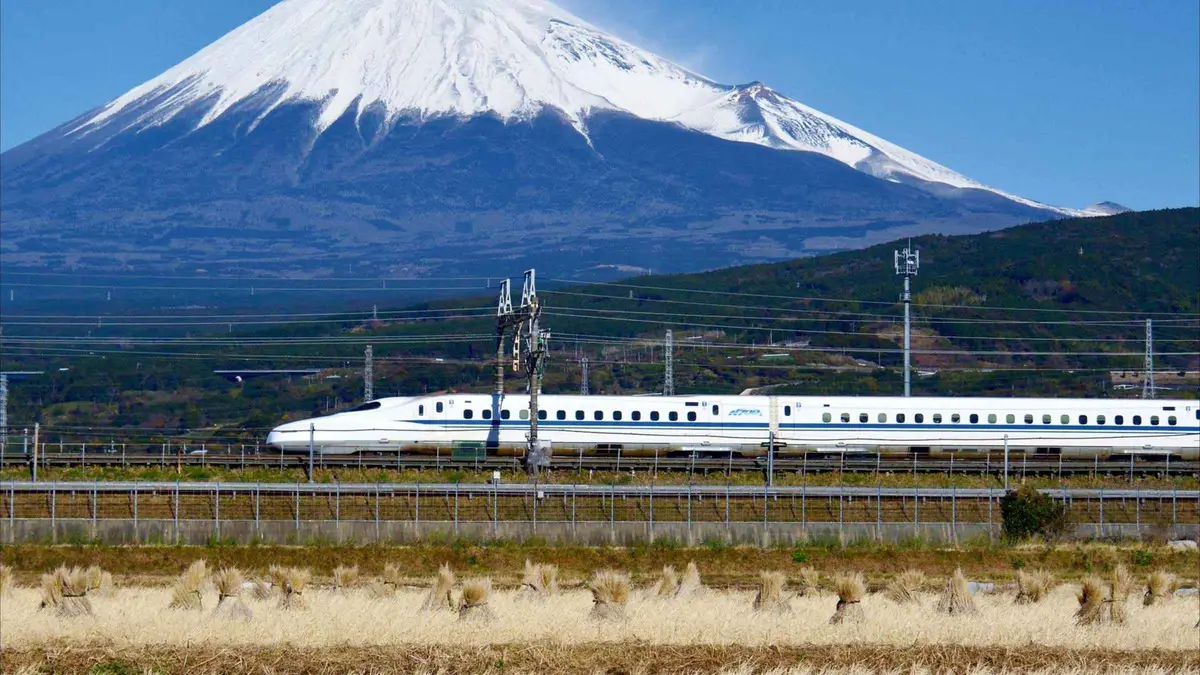 from $117.91
From Tokyo: Mt. Fuji & Hakone Tour w/ Return by Bullet Train
A 10 to 11 hour day trip covering Mount Fuji's 5th Station, the Hakone Ropeway over Owakudani and a Lake Ashi cruise, returning to Tokyo by non-reserved bullet train instead of the bus.
Check Availability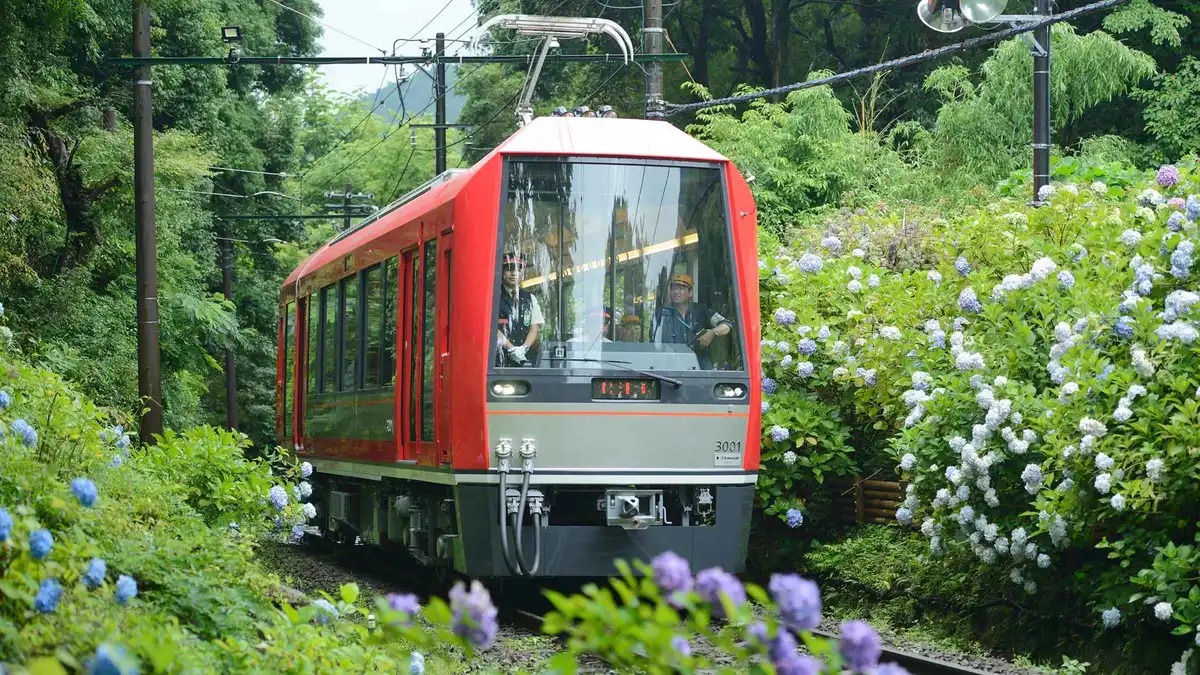 from $46.10
Hakone: Train Pass with Unlimited Rides & Activity Discounts
A self-guided 2 or 3 day transit pass covering the round trip from Shinjuku plus unlimited rides on Hakone's trains, cable car, ropeway and sightseeing cruise, with discounts at 70-plus local attractions.
Check Availability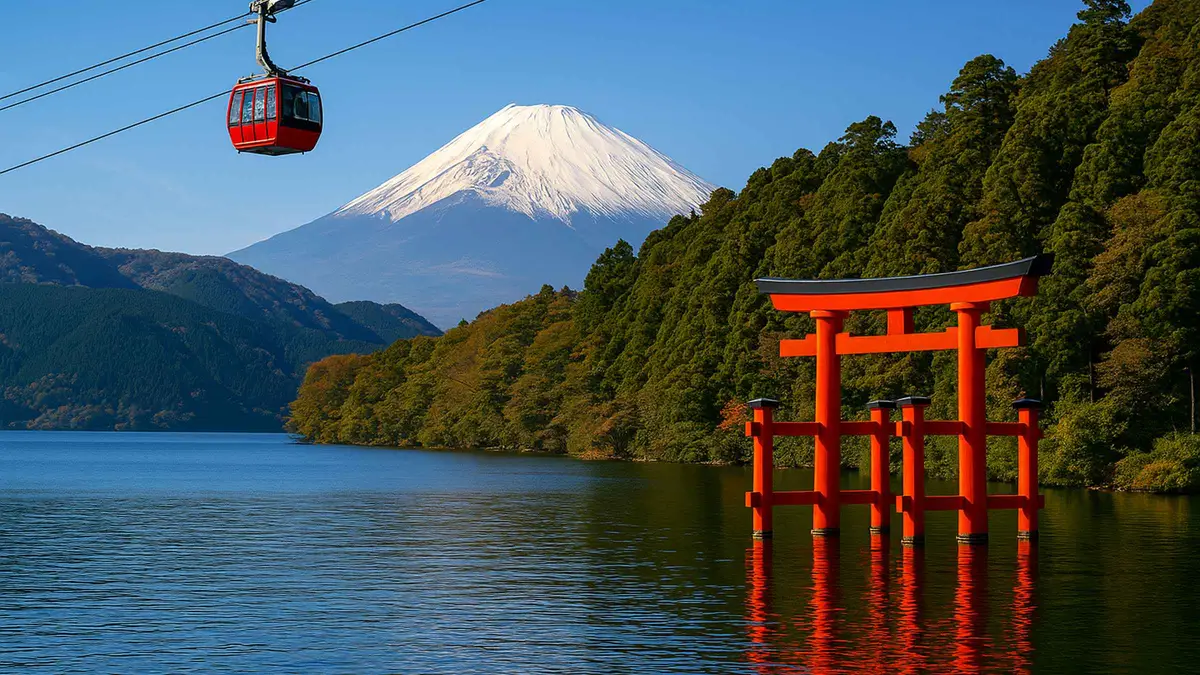 from $356.33
Tokyo: Hakone Full-Day Private Guided Tour with Pickup
A private full-day Hakone tour with pickup covering Lake Ashi, the ropeway, Owakudani Valley, Hakone Shrine, Sekisho Observatory and Gotemba Premium Outlets, at your own pace with a guide.
Check Availability from $141.55
Tokyo: Mount Takao Guided Hiking Tour
An 8-hour guided hiking tour of Mount Takao with a cable car ride, a stop at the Takao 599 Museum and Nature Centre, and a crossing of the Takao Suspension Bridge.
Check AvailabilityPrices, ratings and details are the platform's own, checked in Q3 2026; dollar figures are the listed prices — the platform bills in your account's currency.
How Far A Day Trip From Tokyo Actually Goes
The useful radius is not a distance, it is a departure board. Four different companies run these lines out of four different termini, and picking the wrong one is the commonest planning error on this page.
Odakyu runs west from Shinjuku to Hakone and south-west to the Enoshima coast. Tobu runs north from Asakusa to Nikko. JR East runs south from Tokyo and Shinagawa to Kamakura and Yokohama, and west from Shinjuku towards the Fuji lakes. Keio runs from Shinjuku to the foot of Mount Takao. None of them sells a ticket that works on another's line, which is why the pass column on the table above matters more than the fare column.
The practical ceiling is about two hours each way. Beyond that a day trip becomes a night away, which is why this page stops where it does and why both mountain passes are sold for two days or more even though most buyers use one.
Which terminus, and getting to it
Work out which terminus you need before you book a hotel, not after. A visitor staying near Asakusa reaches Nikko in a ten-minute walk and Hakone after crossing the whole city; a visitor in Shinjuku has the opposite problem. The where to stay comparison is where that decision belongs, and the crossing itself is priced on getting around Tokyo.
One small thing that saves an argument at the gate: the regional passes on this page do not cover the metro or JR ride to the terminus. The Hakone Freepass starts at Shinjuku, the NIKKO PASS at Asakusa. Getting there is on your usual fare.
The Passes, And Which Trip Each One Belongs To
Five regional passes cover the seven destinations, and none of them overlaps another. Every price below is the issuing operator's own, read in Q3 2026.
The test for every one of these is the same: does the pass carry you on more than the journey out and back? A pass that only replaces two tickets is rarely worth buying. A pass that also carries you round the destination usually is, because the local legs are where regional operators charge the most.
| Pass | Adult price | Approx. USD | Valid | What it is for | What it excludes |
|---|---|---|---|---|---|
| Hakone Freepass, from Shinjuku | ¥7,100 | $46.00 | 2 days | The whole Hakone loop: eight operators, unlimited | The Romancecar seat supplement, at ¥1,200 each way |
| NIKKO PASS World Heritage Area | ¥3,000 | $19.44 | 2 days | Asakusa to Nikko on ordinary trains plus the shrine-district buses | Every shrine and temple admission, and the limited-express charge |
| NIKKO PASS All Area | ¥8,000 | $51.80 | 4 days | The same, plus every Nikko bus, the Chuzenji lake cruise and one day-use onsen | Shrine admissions again; foreign-passport holders only |
| Enoshima-Kamakura Freepass, from Shinjuku | ¥1,640 | $10.63 | 1 day | The Odakyu round trip plus unlimited rides on the coastal Enoden line | The JR route into Kamakura from Tokyo or Shinagawa |
| Fuji Hakone Pass | ¥11,100 | $71.90 | 3 days | Hakone's eight networks plus the whole Fujikyu line and its buses | The JR Chuo Line, the highway buses, and the Romancecar supplement |
| Mt. Takao Discount Ticket | 22% off, no flat price printed | Not stated | 1 day | Keio round trip plus the cable car or chairlift | Sold at every Keio station except Takaosanguchi, and not sold 31 December to 3 January |
The two passes worth a second look
The Enoshima-Kamakura Freepass is the cheapest thing on this page and the most misunderstood: it covers the Odakyu line from Shinjuku and unlimited rides on the Enoden, the single-track coastal line that links the temples, the beach and the island. What it does not cover is the JR Yokosuka Line, which is how most people actually reach Kamakura from Tokyo Station. Choose your route first and the pass second.
The Fuji Hakone Pass is the outlier at ¥11,100 for three days, and it exists for a specific trip: Hakone and the Fuji lakes in one run without returning to Tokyo in between. It is sold only at the Odakyu Sightseeing Service Centers at Shinjuku West and Odawara, not from machines and not online, which is a detail worth knowing before you build a plan on it.
Which Trip Suits Which Season
Season changes these trips more than any other variable, because five of the seven are outdoors and two of them are above 1,000 metres. The table is our reading, built on the operators' own seasonal hours and closures rather than on a weather average.
Two hard seasonal facts drive most of this. The Hakone Ropeway's last boarding drops from 17:00 to 16:15 in December and January, taking an hour off the usable day. The Nikko lake cruise runs only from mid-April to 30 November, which is also the window in which the ¥8,000 pass earns its extra cost.
| Destination | Best | Workable | Avoid | Why |
|---|---|---|---|---|
| Hakone | Late autumn and winter, clear cold days | Spring | Typhoon season | Fuji shows across the lake when the air is dry, and the ropeway runs a shorter day in December and January |
| Nikko | Late spring, early autumn | Summer | Peak foliage weeks, for the mountain half | The Irohazaka road is the region's worst bottleneck when the leaves turn |
| Mount Fuji and Kawaguchiko | Autumn through spring | Early summer | Midsummer | Visibility from the base is highest in the cold months and lowest in summer haze, per the City of Fuji's own series |
| Kamakura | Any month; wettest in June | All year | Nothing in particular | Low, coastal and mostly on foot, so it survives weather that closes the mountains |
| Enoshima | Winter afternoons | All year | Storms | Clear winter air puts Fuji across the bay, and the tower stays open to 20:00 |
| Yokohama | Any evening | All year | Nothing in particular | Indoors options and a covered waterfront make it the wet-day answer |
| Mount Takao | Autumn on a weekday | All year | Autumn on a Sunday | It is the closest mountain to twelve million people, and it feels like it at the weekend |
The wet-day substitution
If the forecast breaks after you have committed, the swap that works is the coast for the mountain: Yokohama or Kamakura instead of Hakone or Nikko. Neither depends on a view, both are at sea level, and neither has a cable car that stops for wind. Doing it the other way round, taking a mountain in a storm because it was the plan, is how people spend ¥7,100 on fog.
Shrine and coast days: Nikko, Kamakura and Enoshima
Guided versions of the trips that are hardest to time yourself, plus the coastal day that a single pass usually covers better than a tour does. Ratings are the platform's own as listed in Q3 2026.
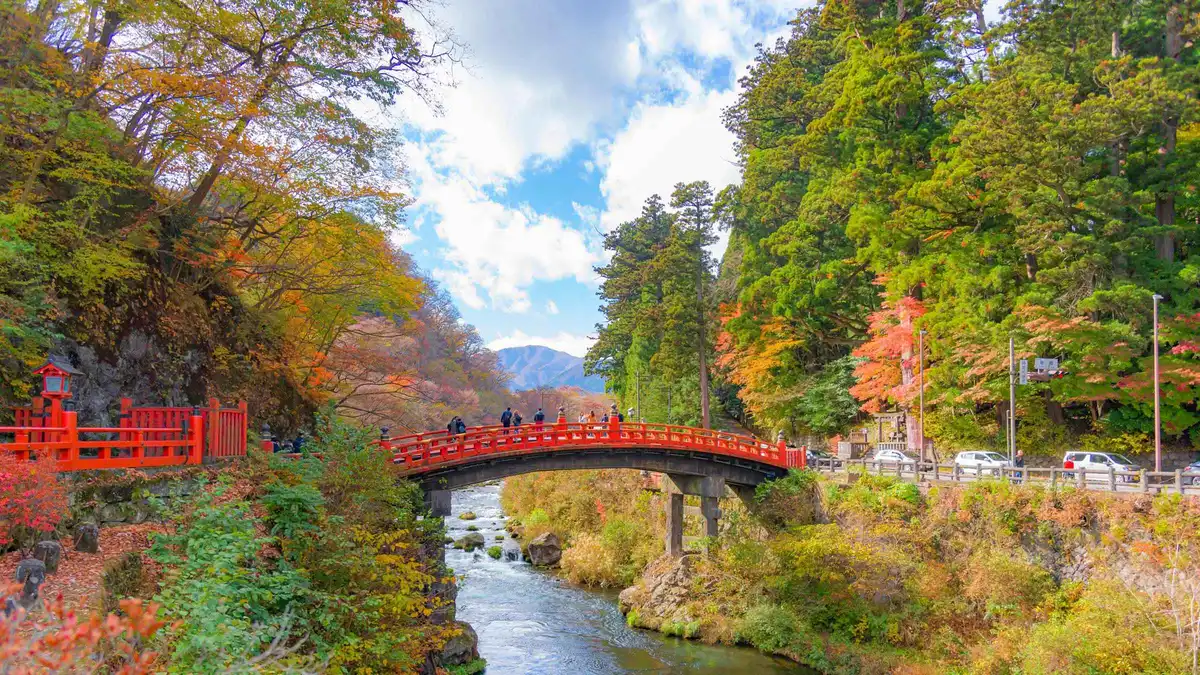 from $78.48
Nikko: Kegon Falls, Lake Chuzenji & Toshogu Temple
A day trip from Tokyo to Nikko's Toshogu Shrine, Kegon Falls and Lake Chuzenji, covering the region's UNESCO shrine and waterfall scenery for travelers short on time.
Check Availability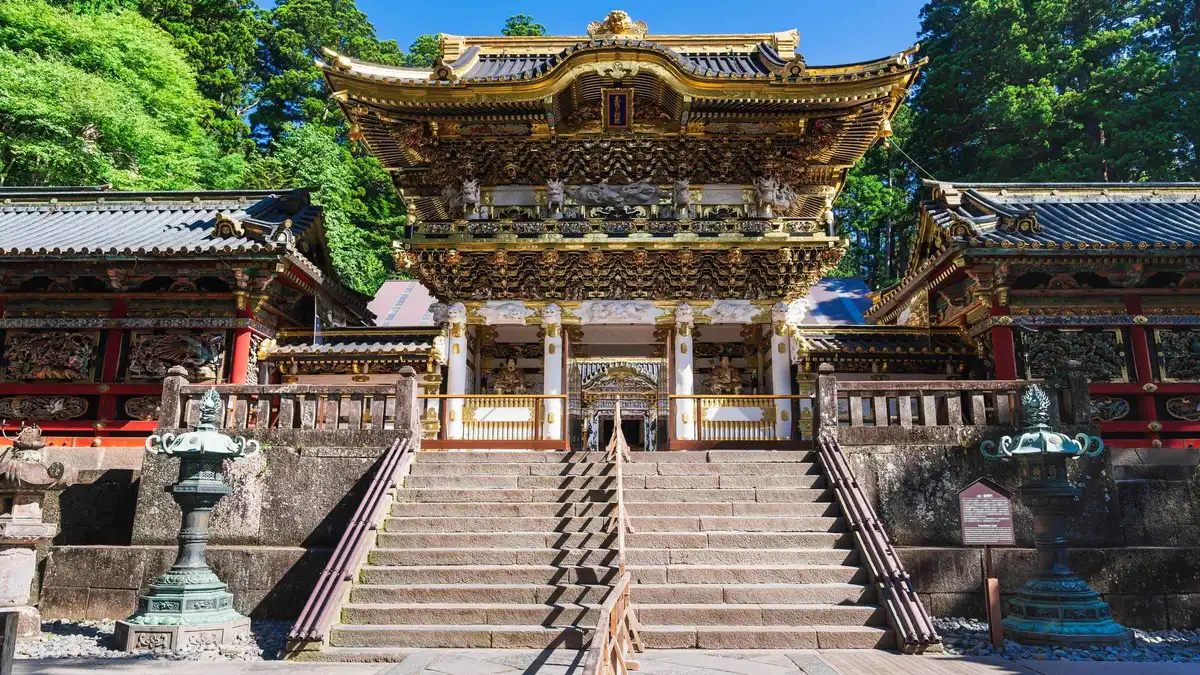 from $88
Tokyo: Nikko Toshogu Shrine and Kegon Waterfall Tour
A guided Nikko day trip from Tokyo visiting Shinkyo Bridge, the UNESCO-listed Toshogu shrine complex, Kegon Falls and Lake Chuzenji, pairing Nikko's historic shrines with one of Japan's noted waterfalls.
Check Availability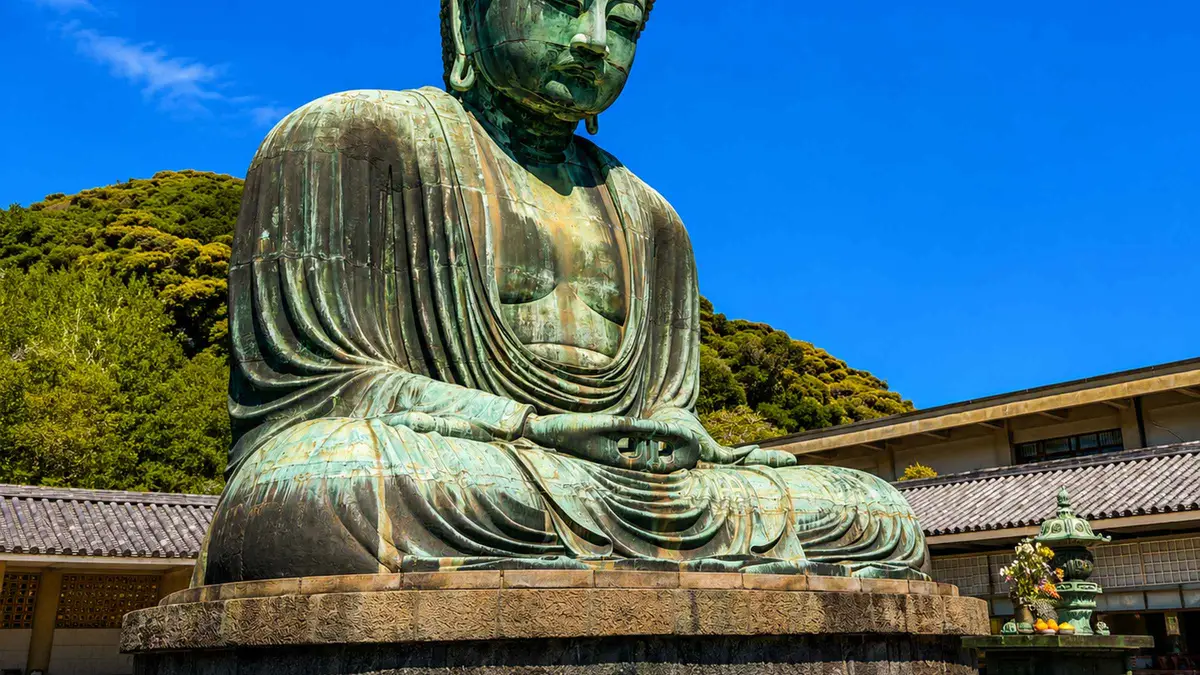 from $51.94
Tokyo: Kamakura & Enoshima Day Trip including Temple Tickets
A 9-hour Kamakura and Enoshima day trip with temple tickets included, taking in Tsurugaoka Hachimangu, Hase-dera, the Great Buddha, Komachi Street and Enoshima, with Mount Fuji visible on clear days.
Check Availability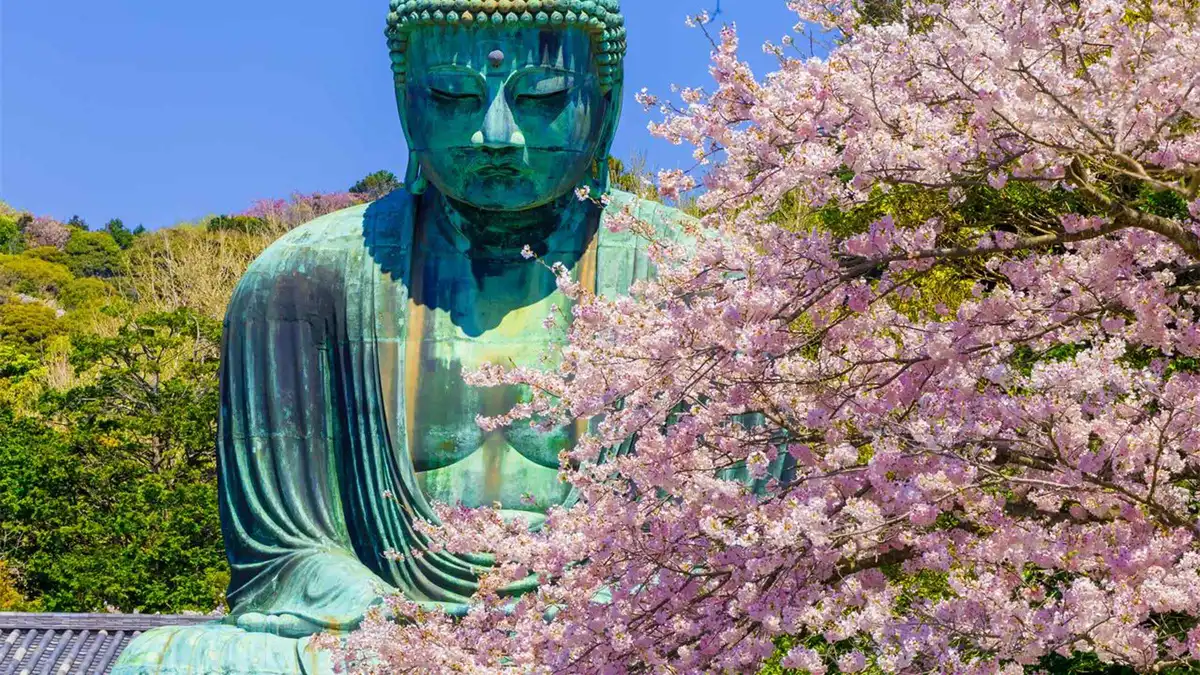 from $58.12
Tokyo: Kamakura, Enoshima Trip With Train Ride, Great Buddha
A 10-hour Kamakura and Enoshima day trip featuring a ride on the Enoden train, plus the Great Buddha, Enoshima Island and Tsurugaoka Hachimangu Shrine, guided from Tokyo.
Check Availability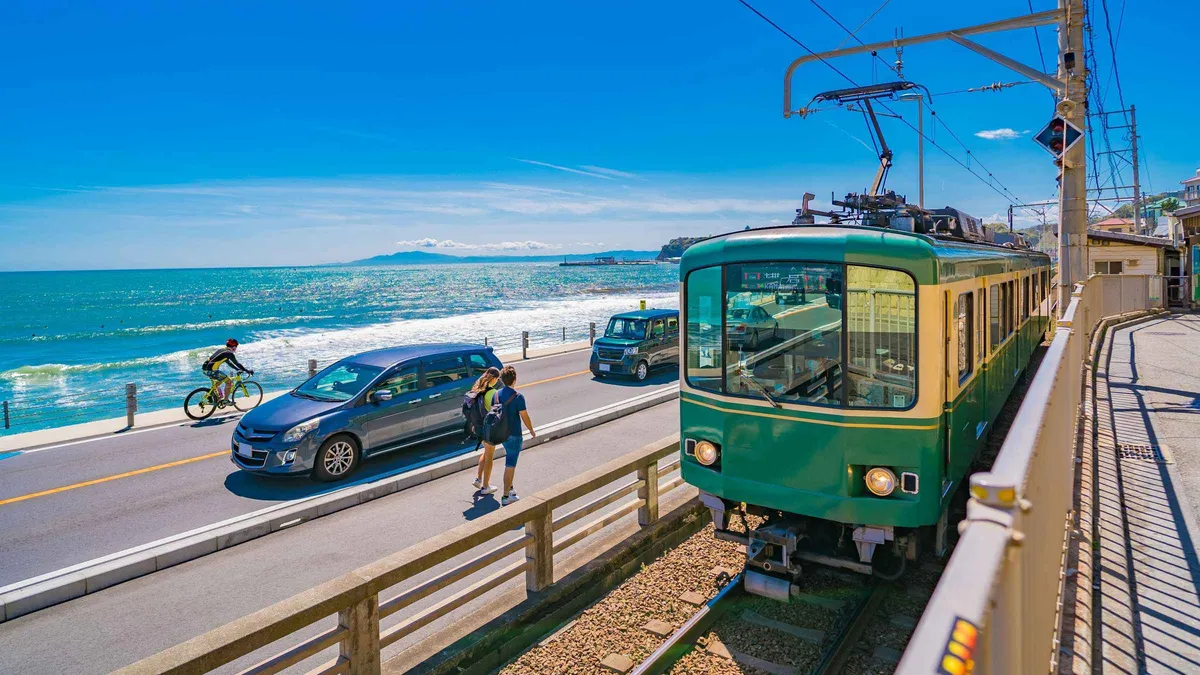 from $53.93
Tokyo: Enoshima, Kamakura or Yokohama Tour (Enoden Included)
An 11-hour day trip from Tokyo covering Enoshima with an Enoden train ride, then a choice of continuing to either Kamakura or Yokohama in the afternoon.
Check Availability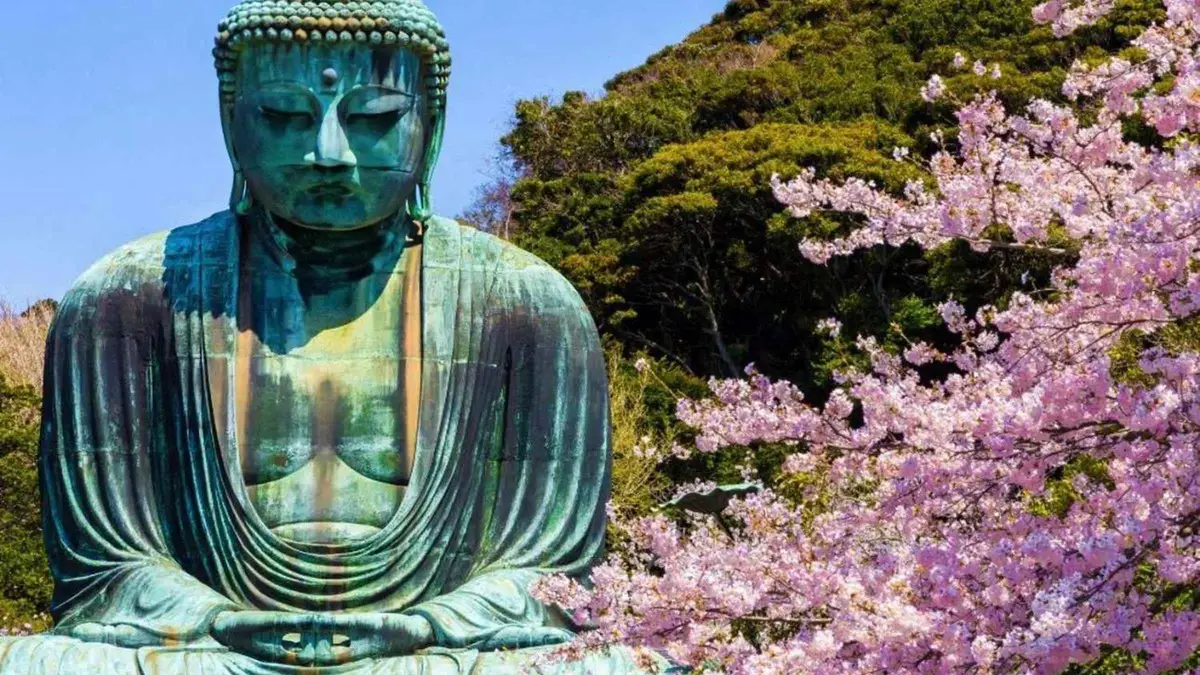 from $269.07
Tokyo: Kamakura & Yokohama Private Tour With Hotel Pickup
A private 8-hour day trip from Tokyo with hotel pickup, visiting the Great Buddha, Hase-dera Temple, the Hokokuji Bamboo Forest, Yokohama Chinatown and Sankeien Garden across Kamakura and Yokohama.
Check AvailabilityPrices, ratings and details are the platform's own, checked in Q3 2026; dollar figures are the listed prices — the platform bills in your account's currency.
When A Tour Is The Cheaper Answer, And When It Is Not
Comparing a listed tour price against a rail fare is the wrong sum. The right one counts the fares, the local legs and the admissions the passes never cover, and only then asks what the vehicle is worth.
Take the Nikko example, because both halves are published. Doing it yourself with the ¥3,000 pass, the ¥1,600 shrine ticket, the ¥2,300 Chuzenji bus pass and the ¥600 waterfall elevator comes to ¥7,500, about $48.60, before a limited-express seat and before lunch. The guided day covering the same three places is listed at $78.48. The gap is about thirty dollars and what it buys is the timetable: no bus queue at the shrine district, no working out which of the Irohazaka services is the last one down.
Hakone runs the other way. The loop is designed to be self-guided, the pass costs ¥7,100 and the same pass on a card is listed at $46.10, so the private guided version at $356.33 is a vehicle-and-guide product for a group, not a saving for two people.
| Trip | Doing it yourself | Listed tour | What the tour actually buys |
|---|---|---|---|
| Nikko with the waterfall | ¥7,500 in passes and admissions, about $48.60 | From $78.48 | The mountain bus timing, and somebody who knows which shrine ticket you need |
| Hakone loop | ¥7,100 pass, about $46.00 | $46.10 for the same pass, or $356.33 private | Nothing extra on the pass; a vehicle and a guide on the private day |
| Mount Fuji and the lakes | Roughly ¥4,200 each way plus local fares | From $56.10 | The viewpoints no timetable connects, which is the one clear case for a coach |
| Kamakura and Enoshima | ¥1,640 Freepass plus ¥300 and ¥800 admissions | From $51.94 | Very little; this is the trip a pass does best |
The rule underneath it
Pay for a vehicle when the destination is spread out and unconnected, which on this page means the Fuji lakes and, at a stretch, the mountain half of Nikko. Pay for a pass everywhere else. The tour cards on this page are grouped by how far each trip goes rather than by price, because distance, not cost, is what decides which of the two you need.
Two Fares This Page Will Not Print As Facts
Every other figure here was read on the operator's own site. Two were not, and saying so is more useful than filling the gap.
JR East publishes fares through an interactive lookup rather than as a printed table, and that lookup refuses automated reading; every attempt to reach it for this page returned an error in Q3 2026. So the Tokyo to Kamakura fare, quoted elsewhere at about ¥950 for a 56-minute run, and the Shinagawa to Yokohama fare, quoted at about ¥480 for 28 minutes, are marked unverified on the comparison table and are not repeated as facts anywhere else on this site.
They are probably close. The point is that they came from a secondary source and the railway itself has not confirmed them to us, and a guide that cannot tell you which of its numbers are which is not worth reading. Both are cheap enough that the difference will not change your plan: what changes the plan is which line and which terminus, and those are published.
The same discipline explains the empty cells above. Odakyu does not print a Shinjuku to Hakone-Yumoto single, Tobu does not print an Asakusa to Tobu-Nikko limited-express fare in English, and Keio publishes its Mount Takao ticket as a percentage discount rather than a price. In each case the pass price is published and the point-to-point fare is not, which tells you something about what these companies actually want you to buy.
First Visit, Second Visit, Third Visit: The Plain Verdict
The question this page really answers is not which destination is best, it is which one belongs in the trip you are actually taking. Our answer, in order.
On a first visit of four or five days: take none of them. That is the honest recommendation and almost nobody gives it. Tokyo itself needs those days, and a nine-hour round trip on day two buys you a photograph at the cost of a district. If the visit stretches to a week, add one, and make it Hakone. The loop is the most complete day out here, it needs no admission ticket, and the transport is the attraction rather than the obstacle.
On a second visit: Nikko. It is the trip that rewards knowing something about Japan already, the shrine complex repays a slow two hours, and the mountain above it gives the day a second act if you start early enough. Buy the ¥3,000 pass, accept the ¥1,600 shrine ticket, and go on a weekday.
On a third visit, or a long stay: the Fuji lakes, or the coast in a pair. Kawaguchiko is the only place on this page where the destination may be invisible on arrival, which makes it a trip for people with spare days rather than a headline day out. Kamakura and Enoshima share one ¥1,640 pass and make a genuinely relaxed day, which is a rare thing in this region.
The half-day answers
Two of the seven do not need a full day. Yokohama is half an hour from Shinagawa and works as an evening: harbour, Chinatown, a skyline, home by ten. Mount Takao is a morning: train, cable car, an hour of walking, back in the city for lunch. Both are the right size for the day after a long flight, when a two-hour train each way is more than anybody wants.
And one trip is worth skipping unless you have a reason: a same-day return to the Fuji lakes in midsummer. The odds are against the view, the transfers are long, and the same money and hours spent on the caldera at Hakone come back with something regardless of the cloud.
What Goes Wrong On A Day Trip From Tokyo
Four failure modes account for nearly every ruined day out here, and three of them are avoidable at the planning stage.
The first is the last train. Not one of the operators on this page publishes a plain first-and-last table in English that we could read in Q3 2026; the timetables live in booking systems and on station boards. So the discipline is the same everywhere: read the return board when you arrive, not when you want to leave, and buy the return seat before you go if the service is fully reserved.
The second is the closure you did not know about. The Hakone Ropeway suspends sections for volcanic gas and wind and substitutes buses. Nikko's Akechidaira Ropeway is closed for construction from 16 January 2026 until at least 31 August 2027. Neither is announced anywhere a general itinerary would carry it.
The third is admission you did not budget for. Nikko's shrine ticket is the big one at ¥1,600, but the Kegon Falls elevator, the Kamakura Great Buddha at ¥300 in cash only, and the Enoshima Sea Candle at ¥800 are all separate from any pass. Add them before you decide whether a tour is expensive.
The fourth is doing two in a row. Each of these is a full day of moving, and two consecutive days of it turns a holiday into a commute. Put a city day between them: the things to do list is built for exactly that gap.
Plan the rest around them
Three pages that decide how a day trip fits into the week you are actually planning.
Getting around Tokyo
The regional passes on this page all start at a terminus, not at your hotel. What the metro and JR legs to that terminus cost, and which city pass is worth buying, is on getting around Tokyo.
Before you reach the terminusWhere to stay
Which terminus you are near changes the shape of every trip on this page. Where to stay compares the districts on that basis among others.
Decided before you bookThings to do in the city
Two long days out back to back is the commonest way to exhaust a trip. Put a city day between them, from the things to do hub.
The day in betweenDay trips from Tokyo: questions
What is the best day trip from Tokyo?
For a first-time visitor with one spare day, the Hakone loop, because the transport is the attraction: a mountain railway, a cable car, a ropeway over steaming vents and a lake crossing on one ¥7,100 pass, about $46.00, with no entry ticket anywhere in it. For a second visit, the Nikko shrine complex, which is the finest architecture within reach of the city. Those are our picks, argued on the comparison table above rather than asserted.
Which cities near Tokyo are worth a day trip?
Two, on very different terms. Yokohama is half an hour from Shinagawa on the JR Tokaido Line, has the largest Chinatown in Japan and a redeveloped harbour front, and works as an evening rather than a day. Kamakura is about 50 minutes away and is a former shogunal capital rather than a modern city: temples, a bronze Buddha at ¥300 cash, and a coastal railway. The other five destinations here are mountains, lakes and shrine complexes, not towns.
What are the best day trips from Tokyo by train?
All seven on this page are train trips, and only the Fuji lakes really benefit from a vehicle. The cleanest rail days are Hakone, where one pass hands you between eight operators, and the Kamakura and Enoshima coast, where the ¥1,640 Odakyu Freepass covers the Enoden line all day. Nikko is a two-hour run from Asakusa on Tobu's own limited expresses. The one thing to check first is which terminus your line leaves from, since none of the four companies honours another's ticket.
Where can I go for nature within a day of Tokyo?
Mount Takao is the closest, inside Tokyo's own boundary, with a cable car up the first stretch and a summit walk of about an hour. Hakone puts you inside a national park with active volcanic vents. Above Nikko sits Okunikko: a lake at 1,200 metres, a 97-metre waterfall and a marsh with a seasonal access bus. All three are covered by their own regional passes and all three are at their worst on autumn weekends.
How much does a day trip from Tokyo cost?
The transport ranges from about ¥1,000 return for Mount Takao's cable car to ¥11,100 for the three-day Fuji and Hakone pass, about $6.48 to $71.90, with the two commonest days sitting at ¥7,100 for Hakone and ¥3,000 plus a ¥1,600 shrine ticket for Nikko. Add admissions, which no rail pass covers, and a guided day such as the Nikko tour is often within a few dollars of doing it yourself once you have counted them all.
Can you do two day trips from Tokyo back to back?
You can, and we would not. Each of these removes between five and twelve hours from a day, and two in a row leaves no time in the city you flew to. Put a city day between them. The exceptions are the two half-day trips, Yokohama and Mount Takao, either of which pairs with a normal Tokyo day without wrecking it.
Day Trips From Tokyo On Film
Three overviews that show the same seven destinations at ground level, which is the fastest way to work out which one you actually want before you spend a day on it.
Top 10 Easy Day Trips from Tokyo
Runs through the standard shortlist, including every destination compared on this page.
Video: Tokyo CheapoThe BEST Day Trips From TOKYO | Japan Planning guide
Planning-first rather than sightseeing-first, with the journey times treated as the deciding factor.
Video: Ninja MonkeyTokyo Seaside & Mountain Day Trips | Kamakura & Mt. Takao
The coast day and the mountain morning back to back, which is the pairing this page recommends for a longer stay.
Video: Riri TravelsVideos load from YouTube only when you press play.
Reviewed Q3 2026 (July–September 2026); next review Q4 2026. Prices, hours and terms are set by the venue or operator and confirmed at checkout.
We may earn a commission if you book through one of our links, at no extra cost to you. Full affiliate disclosure