 Visit Tokyo Guide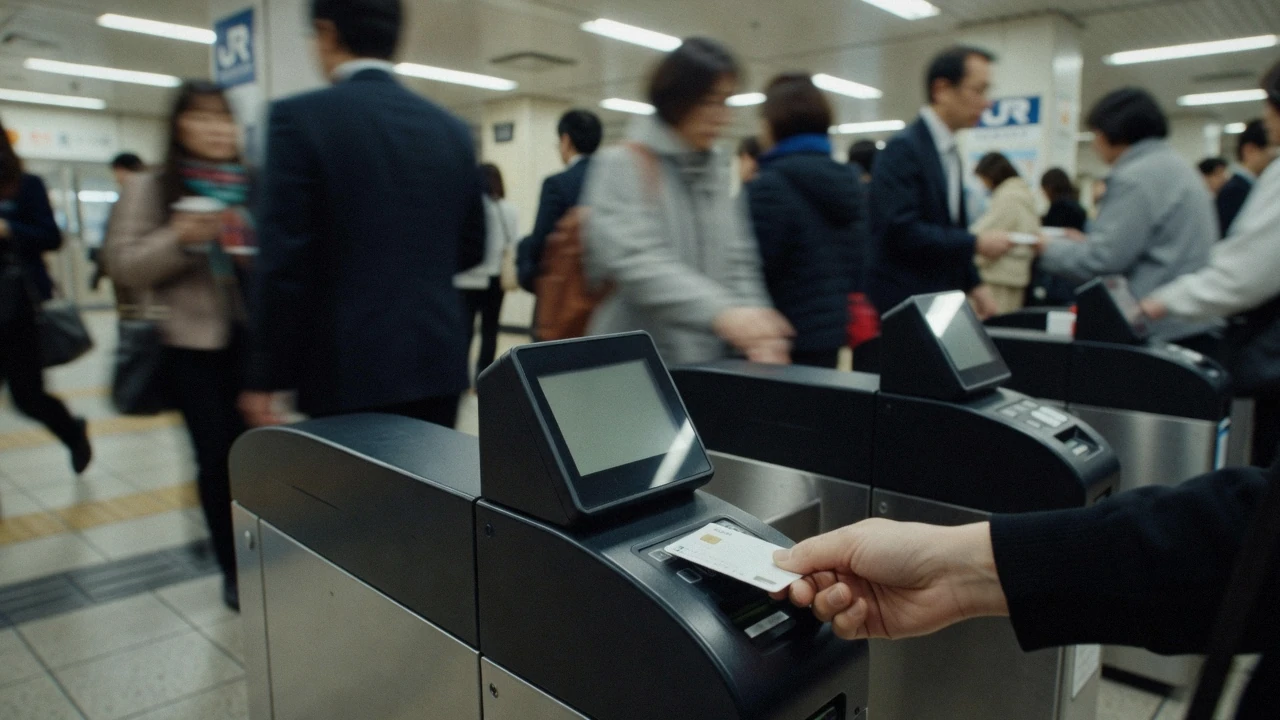
Tokyo in 3 Days
Tokyo in 3 days is the first length at which nothing has to be cut for the sake of the clock. Two of the days cover the city itself, east then west, in the order that stops either day crossing the other's ground. The third is the one that decides what kind of trip this was, and it splits: a day out of town to Kamakura, or a deeper day inside the city that finally gets to the fish market at dawn, the national collection and a second art museum. Every stop below carries the hours its own operator publishes, the train leg to the next one and the walking minutes where walking wins. This page is part of our our guide to Tokyo, Japan; the compressed one- and two-day versions are linked at the foot, and the catalogue of what even three days leaves out is on the things to do hub.
Quick answer The three days, the two versions of day three, costs, and what to book
Three days in Tokyo split as east, west, and a choice. Day one runs Senso-ji at dawn, the Skytree, the Tsukiji outer market, the free palace gardens, Ginza and a digital art museum open until 22:00. Day two runs the shrine forest, Harajuku, the national garden, Shinjuku, a free deck at 202 metres and a rooftop above Shibuya at sunset. Day three is either Kamakura, an hour away by train, or a deeper city day starting at Toyosu market at six in the morning.
Key takeaways
- Four bookings decide the plan, and only one of them is urgent months out. The Ghibli Museum sells at 10:00 Japan time on the 10th of each month for the following month, and if it is on your list it dictates which day is which. The rooftop slot, the Skytree deck at $14.28 and the digital art museum at $24.67 are all weeks rather than months.
- Day three out of town costs less than day three in the city and takes longer: Kamakura is about an hour each way on the JR Yokosuka Line and its four temple fees come to $11.34 (¥1,750), against $39.50 (¥6,100) of admissions for the deeper city version. The day-three comparison sets out which suits which traveller.
- Over three days the 72-hour subway pass at $12.96 (¥2,000) is the first one that clearly pays, provided day three stays in the city; a Kamakura day trip is on JR and Enoden and no subway pass touches it. The transport arithmetic has the counts.
Is 3 Days In Tokyo Enough?
It is the first length that is not a compromise, and it is still nowhere near the city.
Three days buys three things the shorter plans cannot. It buys a slow morning, which matters more than it sounds when the jet lag from most directions wakes you at five and the best hour at Senso-ji is six. It buys a museum without guilt, because a whole afternoon can go to one building and the trip does not lose a district for it. And it buys a day out of town, which is the thing every two-day visitor gives up and regrets.
What three days does not buy is Tokyo. This is a metropolis of twenty-three special wards and the plan below visits parts of six of them. Everything in the north and the west of the city is untouched, most of the museums are untouched, and the seasonal city, the fireworks on the Sumida, the cherry weeks, the three annual sumo tournaments at Ryogoku, appears only if your dates happen to land on it.
The honest comparison with a longer trip is this. Four days adds a second day trip or the whole of a theme park. Five adds the parts of the city nobody visits on a first trip.
Three days is the length at which a first-time visitor sees the Tokyo they came for and one thing beyond it, and that is a good trip rather than a survey.
How The Three Days Are Built
One rule shapes all of it, and the rest is arithmetic against published opening hours, all read in Q3 2026.
The rule is that no day crosses another day's ground. Tokyo's sights sit on a rough east-west line about fifteen kilometres long, so day one stays east of the palace moat and day two stays west of it, and neither doubles back. Day three is free to go anywhere because it starts and finishes on its own.
Within that, the evenings are fixed and the daylight moves. The east day ends at a digital art museum because it admits until 22:00 and nothing else on that side does. The west day ends at a rooftop because the last admission there is 21:20 and dusk is the reason to pay for it. Day three ends wherever it ends, which on the Kamakura version is a train back at about half past six.
Why the palace gardens sit on day one
The Imperial Palace East Gardens close on Mondays and on Fridays, which is the widest closure on this plan and the one most likely to catch a three-day trip. Putting them on day one means a Monday arrival loses them on the day you have the most slack to reshuffle, and a Friday arrival can simply swap days one and two. The other two Monday closures, the national garden on day two and the national museum on day three, both have free replacements a short walk away.
Day 1, The East: Temple At Dawn, Tower, Market, Moat And Art At Night
Seven stops, about six kilometres on foot, four paid train legs. Admissions $44.10 (¥6,800) for an adult, all of it at two stops. Times are the operators' own opening hours; walking minutes are our estimates from the coordinates on each stop's page.
-
Senso-ji, Asakusa
FreeThe Main Hall admits from 06:00 between April and September and 06:30 through the colder months, and the temple publishes no closed day in any season, so this is the only stop across all three days that can never fail. At seven the precinct belongs to people praying. Forty-five minutes for the gates, Nakamise and the hall.
A two-hour guided walk at $12.99 is the version for anyone who wants to know what the smoke, the water and the paper strips are for.
walk about 5 min to next
-
Asakusa lanes and breakfast
Free to walkOff the temple axis into the lanes, where breakfast is and where the district actually lives. Kappabashi, ten minutes west, is the kitchenware street, and its knife shops are the one souvenir from this trip that will outlive you. A thirty-minute rickshaw run at $35.71 covers more ground than legs will.
Leave by 09:10 and walk the Sumida across Azumabashi with the tower ahead.
walk about 20 min to next
-
Tokyo Skytree, both levels
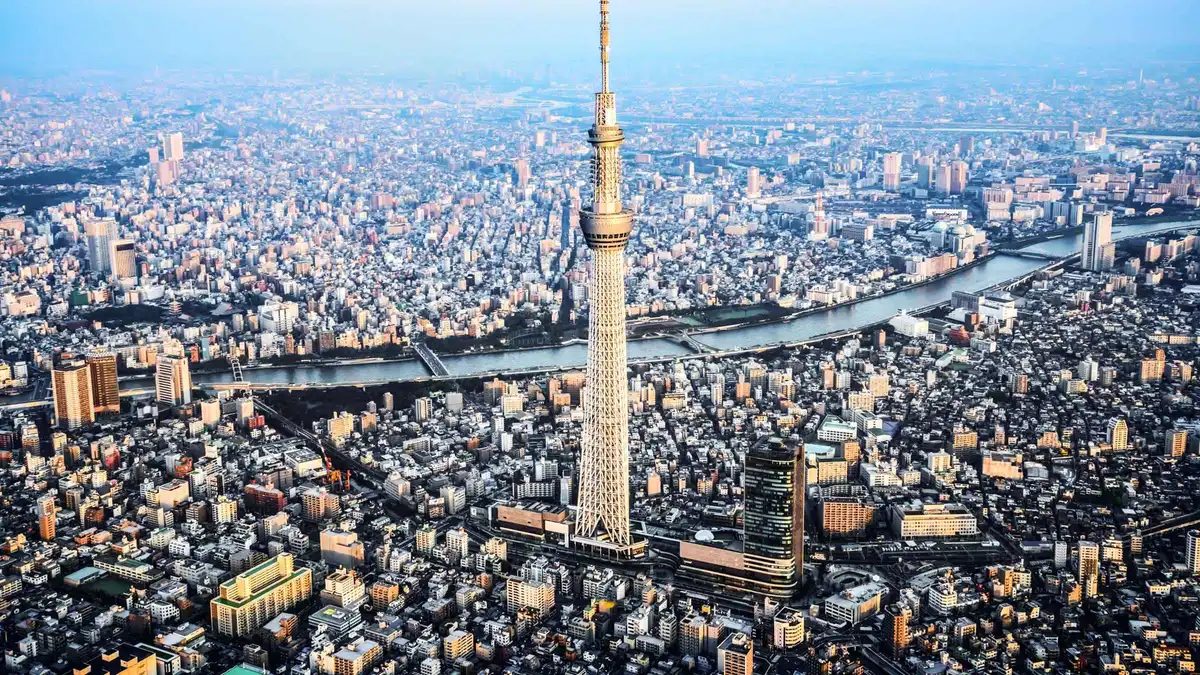
$11.66 (¥1,800) plus $9.07 (¥1,400) for the GalleriaTwenty minutes on foot from Asakusa and you arrive as the doors open. With three days in hand this is the trip to add the Tembo Galleria, the glass ramp that spirals from 445 metres to a point at 450, bought upstairs on top of the Tembo Deck ticket rather than in advance. The deck at 350 metres is where the city still reads as a city; the Galleria is where it stops.
Two hours for both. The online admission ticket at $14.28 avoids the same-day counter surcharge on the lower deck.
walk about 5 min to next
-
Tsukiji Outer Market
Free entry, lunch at shop pricesThe Toei Asakusa Line runs from Oshiage to Higashi-ginza without a change, about twenty-five minutes, then ten on foot. No admission to any street, and the eating is standing at counters one item at a time. Be inside before 13:00: the information centre closes at 14:00 and shops thin through the afternoon.
The market closes on Sundays, most Wednesdays and public holidays on the metropolitan wholesale market calendar, with each shop setting its own days on top. A guided walk with tastings at $12.99 is worth it here more than anywhere else on this plan, because the counters are unlabelled in any language you read.
walk about 12 min to next
-
Imperial Palace East Gardens
FreeTwelve minutes on foot to Tsukiji Station, the Hibiya Line two stops to Hibiya, then a short walk to the Otemon gate. Free, no reservation, and closed on Mondays and Fridays, which is the closure this plan is arranged around. Hours run to 17:00 in September, 18:00 from mid-April to the end of August and 16:00 from November through February.
Ninety minutes covers the keep foundations, the Ninomaru garden and the guardhouses. The Imperial Household Agency also runs a free guided tour of the palace grounds themselves, which is a different thing from the gardens and does not run on Sundays, Mondays or public holidays. A two-hour walking tour at $6.49 is the cheapest guided anything on this site.
walk about 15 min to next
-
Ginza, and a single act of kabuki
Free to walk; a single-act ticket runs about ¥500 to ¥2,500Fifteen minutes south from the palace moat into the Ginza grid. This is the stop where a three-day trip can do something a two-day trip cannot: Kabukiza sells single-act tickets for one part of the day's programme, at a fraction of a full seat and with no commitment to four hours of theatre. The programme changes every month and so do the curtain times, so nothing here can be booked ahead from this page.
On weekend afternoons the main Ginza avenue closes to traffic and people walk down the middle of it.
walk about 20 min to next
-
teamLab Planets, Toyosu
From $23.30 (¥3,600), moving with the dateYurakucho Line from Ginza-itchome to Toyosu, then one stop on the Yurikamome, about twenty-five minutes. The museum runs 08:00 to 22:00, which is exactly why it takes the evening rather than a daylight hour. You walk through water barefoot, so wear something that rolls above the knee or borrow the shorts the museum lends.
The price is date-based and ran from $24.60 (¥3,800) to $31.10 (¥4,800) across the months our ticket page read. Allow seventy to ninety minutes inside plus fifteen for lockers and drying off. The entry ticket is listed at $24.67.
Day 2, The West: Shrine Forest, Garden, Free Deck And A Rooftop At Sunset
Seven stops, about six kilometres on foot, three paid train legs. Admissions $25.30 (¥3,900) for an adult. The day runs in one direction and ends on the highest thing on it.
-
Meiji Jingu
Free for the groundsThe grounds open and close with the sun: 05:20 to 17:20 in September, 05:00 to 18:30 in June, 06:40 to 16:00 in December, every day of the year without exception. Enter at the Harajuku end and walk the gravel avenue under the forest, twenty minutes each way. The Inner Garden is a separate $3.24 (¥500) and worth it in June for the irises; the museum, closed on Thursdays, is $6.48 (¥1,000).
A ninety-minute walk of the shrine and Shinto practice is listed at $9.74.
walk about 3 min to next
-
Harajuku and Omotesando
Free to walkThree minutes from the shrine's south exit to Takeshita Street, four hundred metres of noise that takes fifteen to walk end to end. Omotesando runs the other way as an avenue of zelkova and flagship architecture, and the lanes between them are where the district is pleasant rather than loud. Ninety minutes covers both.
Then the Fukutoshin Line two stops from Meiji-jingumae to Shinjuku-sanchome, five minutes from the garden's Okido gate.
walk about 8 by train min to next
-
Shinjuku Gyoen
$3.24 (¥500)Fifty-eight hectares of former imperial ground holding a French formal garden, an English landscape garden, a Japanese strolling garden and a greenhouse, all behind one fence and one gate fee. The fee buys rules: no alcohol, no pets, no drones, no bicycles, which is why this garden stays calm in cherry season while the free parks do not. It closes on Mondays, or the following weekday when Monday is a public holiday, and opens every day during the cherry and chrysanthemum seasons.
Ninety minutes for a loop, two to three hours with the greenhouse and tea.
walk about 15 min to next
-
Shinjuku, and lunch
Free to walkFifteen minutes on foot from the garden's Shinjuku gate to the station, which handles an average of 2.7 million passengers a day on the Guinness World Records measurement and is the reason people call this district overwhelming. Lunch belongs in the department-store basements on the east side, which are food halls rather than shops. Leave the alleys for the evening of another trip; a fifteen-dish food tour at $85.71 is the guided version if you would rather be led than guess.
walk about 12 min to next
-
The free deck at 202 metres
FreeTen minutes west on foot from the West Ticket Gate, or one stop on the Toei Oedo Line to Tochomae and Exit A4. Take the north observatory at this hour: it closes at 17:30 with last entry at 17:00, and between December and February the city's own page names this as the window when the air is cold and clear enough for Mount Fuji to show due west. No ticket and no reservation, and the operator publishes its own queue estimate of twenty to thirty minutes.
The north deck shuts on the second and fourth Monday of the month, when the south deck takes over its hours until 21:30.
walk about 8 by train min to next
-
Shibuya Crossing and Hachiko
FreeThe Fukutoshin Line runs Shinjuku-sanchome to Shibuya in about seven minutes, or the JR Yamanote takes two stops. You arrive as the crossing enters its heaviest stretch, which our own reading puts between 18:00 and 20:00; before 09:00 it is nearly empty, which is the version to catch on a morning if you would rather. A ninety-minute district walk at $12.99 finds the viewpoints that are not the famous one.
walk about 3 min to next
-
Shibuya Sky
$22.00 (¥3,400) online from 15:00Three minutes on foot to Shibuya Scramble Square, then a lift from the 14th floor to an open rooftop 229 metres above the crossing you have just walked. Last admission 21:20, closing 22:30, and Tokyo's own tourism site puts a usual visit at about ninety minutes. Take the slot nearest sunset and accept the after-15:00 price, because the open air at dusk is the whole difference between this and the free deck three hours earlier.
The rooftop level closes in bad weather by rule and the indoor floor stays open when it does.
Day 3, Option A: Kamakura, An Hour Down The Coast
Six stops, an hour of train each way, and four temple fees that come to $11.34 (¥1,750) between them. Journey times are from Hokoku-ji's own access page; temple hours and prices from each temple's own site, all read in Q3 2026.
-
The train out
JR fare, quoted between ¥920 and ¥950 one way in circulationThe JR Yokosuka Line runs from Tokyo Station to Kamakura with no change in about 60 minutes, about 50 from Shinagawa, and about 53 from Shinjuku on the Shonan-Shinjuku Line. We are not printing a fare as a fact: JR East publishes its urban fares only through an interactive tool, and the figures in circulation sit between ¥920 and ¥950 one way. Tap an IC card and the gate settles it.
If you would rather not plan any of this, a guided Kamakura and Enoshima day trip at $51.94 includes the temple entries.
walk about 12 by bus min to next
-
Hokoku-ji, the bamboo temple
$2.59 (¥400), plus $3.89 (¥600) for matcha in the groveBus stand 4 outside the east exit of Kamakura Station, about twelve minutes to the Jomyoji stop and three on foot, or about seven minutes by taxi. Roughly two thousand stems of bamboo and a tea house sitting inside them, open 09:00 to 16:00. The matcha ticket is sold only until 15:30 and can be suspended when the garden is busy, so this stop goes first rather than last.
The temple closes from 29 December to 3 January and says it may close in bad weather. Coming at 09:30 rather than at noon is the single biggest difference between a good Kamakura day and a queued one.
walk about 15 back by bus min to next
-
Komachi-dori and lunch
Shop pricesBack into town for the shopping street that runs north from the station towards the shrine, which is where lunch is and where the town's shops are. The great shrine at the top of it is free and open, and worth twenty minutes on the way past rather than an hour. Then the Enoden from Kamakura Station: a one-day Noriorikun pass is $5.18 (¥800) and pays from three rides, and it carries discounts at Hase-dera and at the island's tower.
walk about 5 by train min to next
-
Kotoku-in and the Great Buddha
$1.94 (¥300), plus $0.32 (¥50) to step inside the bronzeThree stops on the Enoden to Hase, then seven minutes on foot. The bronze Amida sits in the open because the hall around it was destroyed twice in the fifteenth century and never rebuilt, which is why it photographs against sky. Hours are 08:00 to 17:30 from April to September and 08:00 to 17:00 from October to March, with last admission fifteen minutes before the gate and the interior closing half an hour earlier.
The temple states it takes cash only, which is the most useful sentence on its website.
walk about 5 min to next
-
Hase-dera
$2.59 (¥400)Five minutes downhill, and the stop people are surprised by. It climbs a hillside above the bay, so the terrace outside the main hall looks over the roofs to the sea, and the grounds hold a garden, a cave you stoop through and hundreds of small Jizo figures. Open from 08:00, closing 17:30 from April to June and 17:00 from July to March, with last entry half an hour before.
Allow an hour rather than the twenty minutes most plans give it.
walk about 5 min to next
-
The coast, and the train back
Covered by the Enoden passThe Enoden runs west along the shore from Hase, and the twenty minutes to Enoshima are the best twenty minutes of railway in the region, single track between houses and then out along the sea wall. Go as far as the island if the light is good, or turn back at Kamakura and be at Tokyo Station by about half past six. A longer guided version including the Enoden at $58.12 runs about ten hours door to door.
Day 3, Option B: The Deeper City, From A Fish Market At Dawn
Six stops, three paid entries, admissions $39.50 (¥6,100) for an adult. This is the version for a traveller who has spent two days wanting more of something rather than more places.
-
Toyosu Market
FreeThe working wholesale market that replaced Tsukiji's inner market, and a completely different animal from the outer market on day one. The visitor passage runs from 05:00 to 17:00 and the shops and restaurants inside it open with the traders, so breakfast here is sushi at six in the morning. The tuna auction viewing deck is allocated by advance lottery rather than by turning up, and the balloted deck itself runs 05:45 to 06:25.
Closed days are set annually by commodity category and published as per-category calendars rather than as a weekly rule, so check the date. A guided tour of both markets at $118.17 solves the lottery problem by taking you to the observation windows instead.
walk about 45 by train min to next
-
Ueno Park
FreeAcross the city to the north-east, and the one part of Tokyo where the museums stand in a row. The park itself is always open, publishes no closing time and charges nothing; what is in it charges separately. Walk the central avenue, look at the pond, and treat this as the approach rather than the destination.
Ueno Zoo is $3.89 (¥600) and closes on Mondays, and Ameyoko market under the railway is the lunch answer later.
walk about 8 min to next
-
Tokyo National Museum
$6.48 (¥1,000)The national collection, and the reason this option exists. Admission is $6.48 (¥1,000) for the collection exhibitions across every building, open 09:30 to 17:00 and until 20:00 on Fridays and Saturdays, closed on Mondays except when the Monday is a public holiday, in which case it shuts the following day instead. Ninety minutes covers the Honkan highlights, three hours adds a second building.
Lunch afterwards in Ameyoko, ten minutes' walk south.
walk about 45 by train min to next
-
teamLab Borderless, Azabudai Hills
From $23.30 (¥3,600), with a published range to ¥5,600The other teamLab venue, and a different proposition from the one on day one: no water, no bare feet, no map and no route, because the works move between rooms. Open 08:30 to 21:00 on standard days, with dated closures rather than a weekly closed day. Ninety minutes to two hours, and longer if you go back for rooms you lost.
A combined tour with the palace at $121.42 exists if you would rather have it explained.
walk about 15 min to next
-
Tokyo Tower
$9.72 (¥1,500) for the Main DeckFifteen minutes on foot from Azabudai Hills. The Main Deck at 150 metres is open daily 09:00 to 23:00, which is later than anything else on these three days, and it is the deck the tower was designed around: low enough that the streets below are still legible as streets. The Top Deck Tour at 250 metres is $21.40 (¥3,300) online and unnecessary after two days of higher views.
The admission ticket is listed at $9.74.
walk about 10 min to next
-
The last evening
Your ownNothing timed, on purpose. Three days in and you know which district you want the last dinner in: the alleys west and east of Shinjuku Station, the backstreets of Shibuya, or the lanes behind the temple in Asakusa. If it is Shinjuku, an evening backstreets walk at $22.21 is the way in for anyone who would rather not open the wrong door.
The free deck admits until 21:30 and the projection show on its facade runs from sunset to about 21:45, which is a good last hour and costs nothing.
Which Day Three: Out Of Town, Or Deeper In
Take Kamakura if the two city days have left you wanting air, distance and something older than the Meiji period. It is an hour each way, the four temple fees come to $11.34 (¥1,750), and the Enoden along the coast is the best short railway in the region. It is also the version that goes wrong most easily, because a wet day in Kamakura is a wet day of walking between hillside temples with nothing indoors to retreat into.
Take the deeper city day if the two city days have left you wanting more of what you already saw. It costs more, $39.50 (¥6,100) in admissions against $11.34, and it delivers a working fish market at six in the morning, the national collection and a second art museum, none of which the first two days had room for. It is also the version that survives rain, since four of its six stops are indoors.
Our reading for a first visit in good weather: Kamakura, because two days of Tokyo is enough Tokyo for a first trip and the contrast is the point. In rain, or in the middle of summer, or if a museum is the reason you travel: option B, without hesitation. The day trips hub compares Kamakura against Hakone, Nikko and a Fuji day if you would rather go further, and every one of those is a nine-to-eleven-hour commitment rather than Kamakura's seven.
The Three Days On A Monday, And In Rain
Each half day of the plan against the two things that break it. Closed days and weather rules are each operator's own, read in Q3 2026; the substitutions are ours. A Monday costs this plan four stops, and every replacement below is free or cheaper than what it replaces.
| Half day | Standard | On a Monday | In heavy rain |
|---|---|---|---|
| Day 1 morning: temple, lanes, tower | Senso-ji from 06:00 or 06:30, Skytree from 10:00 | Unchanged. Neither publishes a regular closed day | The temple and the arcades hold up. The tower is a view, so swap for teamLab Borderless and move the evening museum forward |
| Day 1 afternoon: market, moat, Ginza | Outer market before 13:00, gardens to 17:00 in September | The palace gardens close on Mondays and on Fridays. Swap for Ueno Park, free and always open | Ginza is department stores and covered arcades, so pull it forward and drop the gardens |
| Day 1 evening: digital art | teamLab Planets from $23.30 (¥3,600), open to 22:00 | Unchanged. Dated closures only, no weekly closed day | Unchanged, and the better version. You walk through water regardless |
| Day 2 morning: shrine, Harajuku | Meiji Jingu with the sun, every day of the year | Unchanged. Only the shrine museum closes weekly, and it closes on Thursdays | Unchanged. The forest shelters the avenue; Omotesando's flagships are indoors |
| Day 2 afternoon: garden, Shinjuku, free deck | Shinjuku Gyoen $3.24 (¥500) from 09:00 | The national garden closes, except in cherry and chrysanthemum seasons; the north deck closes on the second and fourth Monday and the south deck covers it | Skip the garden, take the department-store basements and go up the free deck early |
| Day 2 evening: crossing and rooftop | Shibuya Sky $22.00 (¥3,400) online from 15:00 | Unchanged, apart from temporary closures the venue announces itself | The open rooftop closes in bad weather by rule; the indoor level stays open |
| Day 3, option A: Kamakura | Four temples, $11.34 (¥1,750), plus the Enoden along the coast | Unchanged. None of the four publishes a Monday closure | The weakest half day on this page in rain. Switch to option B rather than getting wet on a hillside |
| Day 3, option B: the deeper city | Toyosu at 06:00, the national museum, a second art museum, the tower | The national museum closes, and so does Ueno Zoo. Swap for teamLab Borderless in the morning and the tower in the afternoon | Unchanged. Four of the six stops are indoors and the tower stays open to 23:00 |
A Sunday takes the outer market out of day one instead; substitute Ginza, whose main avenue closes to traffic on weekend afternoons, and move it earlier. The Monday openings page has the rest of the city's closures for whichever day you actually have.
What Three Days In Tokyo Cost
Admissions from each operator's own online adult price, read in Q3 2026; fares from the two subway companies' published distance ladders, and the JR figure left blank where JR East publishes none. Food is left out because no official source states one. Dollars at ¥1,000 to $6.48.
The two city days are fixed at $69.30 (¥10,700) in admissions and day three swings the total by nearly thirty dollars depending on which version you take.
| Day | Admissions | Fares | Day total |
|---|---|---|---|
| Day 1, the east | Skytree deck and Galleria $20.70 (¥3,200) + teamLab Planets from $23.30 (¥3,600) = $44.10 (¥6,800) | Four paid legs, about $7.13 to $8.42 (¥1,100 to ¥1,300) | About $51.20 to $52.50 (¥7,900 to ¥8,100) |
| Day 2, the west | Shinjuku Gyoen $3.24 (¥500) + Shibuya Sky $22.00 (¥3,400) = $25.30 (¥3,900) | Three paid legs, about $5.83 to $7.13 (¥900 to ¥1,100) | About $31.10 to $32.40 (¥4,800 to ¥5,000) |
| Day 3A, Kamakura | Hokoku-ji and matcha, the Great Buddha inside and out, Hase-dera = $11.34 (¥1,750) | JR return, quoted between ¥920 and ¥950 each way, plus an Enoden day pass $5.18 (¥800) | About $28.80 (¥4,450), most of it train |
| Day 3B, the deeper city | National museum $6.48 (¥1,000) + teamLab Borderless from $23.30 (¥3,600) + Tokyo Tower $9.72 (¥1,500) = $39.50 (¥6,100) | Four paid legs, about $7.13 to $8.42 (¥1,100 to ¥1,300) | About $46.70 to $48.00 (¥7,200 to ¥7,400) |
| Three-day total | $80.70 (¥12,450) with Kamakura, or $108.90 (¥16,800) with the city day | About $18.79 to $22.00 (¥2,900 to ¥3,400) in the city, plus the Kamakura trains where they apply | About $111.10 (¥17,150) or about $130.90 (¥20,200) |
Three levers move that. The Skytree's upper Galleria is $9.07 (¥1,400) and is the first thing to cut. The digital art museums price by date and swing about $7.78 (¥1,200) between a quiet weekday and a peak one, so a midweek trip is cheaper than a weekend one by more than the difference in hotel rates. And the paid rooftop can become the free deck, which takes $22.00 (¥3,400) off and loses the open air.
What this page will not print is a food figure or a hotel figure. Nobody official publishes a daily eating cost and any average would be invented; the Tokyo costs page sets out the honest ranges. What is worth knowing is the accommodation tax, which a three-night trip pays twice over: ¥100 per person per night on rooms from ¥10,000 to ¥14,999 and ¥200 from ¥15,000, with nothing under ¥10,000, changing to a flat three per cent with a ¥13,000 exemption from April 2027. Where to stay breaks the districts down.
The Transport Arithmetic Over Three Days
Three days is the first length at which a pass is obviously right, with one condition: day three has to stay in the city. Prices are the operators' own, read in Q3 2026, and the sums are ours.
The city days use eleven paid legs between them, almost all of them on Tokyo Metro or Toei. Only the Shinjuku to Shibuya hop has a JR alternative, and the Fukutoshin Line does the same journey inside the subway network.
| Option | Price | Covers | Verdict over three days |
|---|---|---|---|
| 72-hour Tokyo Subway Ticket | $12.96 (¥2,000) | All nine Metro lines and all four Toei lines, unlimited, in clock hours from the first tap | The winner with day three in the city. About $4.32 (¥667) a day |
| 48-hour Tokyo Subway Ticket | $9.72 (¥1,500) | The same two subways, 48 clock hours | The right one if day three is Kamakura, since no subway pass covers JR or the Enoden |
| Pay as you go with an IC card | About $18.79 to $22.00 (¥2,900 to ¥3,400) across three city days | Everything, at each operator's own distance fare | Simplest, and about six to nine dollars more across the trip |
| Tokyo Combination Ticket, three times | $33.40 (¥5,160) | Toei, Metro and JR inside the 23 wards, per calendar day | Only if you ride JR constantly, which this plan does not |
| Greater Tokyo Pass | $42.10 (¥6,500) | Five days across 13 rail operators and 31 bus operators in the Kanto region | Built for a trip of day trips. Wrong shape for two city days and one excursion |
Two rules that save an argument at a gate. A single ride crossing between the Metro and Toei networks is not the two fares added: Toei publishes a ¥70 discount off the combined adult fare, applied automatically by an IC card and only if you buy the correct through ticket on paper. And the subway passes run in clock hours from the first tap rather than to midnight, so a 72-hour pass first tapped at 09:00 on day one is alive until 09:00 on day four, which on a three-night trip usually covers the ride to the airport station too.
Carry an IC card regardless of what pass you buy, because the Kamakura option, the airport runs and every bus on this page sit outside the subway network. The getting around page has the full ladders, the card rules and what is actually on sale in 2026.
What Three Days Still Cannot Cover
This is the part most three-day itineraries leave out, and it is the part that decides whether you come back.
- Any second day trip. Hakone is about nine hours door to door from Shinjuku, Nikko about eleven from Asakusa and a Fuji day ten to eleven. Adding one to this plan means removing a city day, not adding a fourth.
- The Disney resort. A one-day passport starts at $57.70 (¥8,900) and is built for a full day from opening; tickets go on sale at 14:00 Japan time for the same date two months later. It is a fourth day, not a substitute for one of these three.
- The Ghibli Museum, unless you planned it early. Tickets are released at 10:00 Japan time on the 10th of each month for the following calendar month, through one channel only, and the museum sits in Mitaka, forty minutes off any of these lines. If it matters to you, it decides the trip rather than fitting into it. The ticket page has the mechanics.
- Sumo, unless your dates happen to land on a tournament. Tokyo hosts three of the six annual grand tournaments at Ryogoku, the September 2026 one is already sold out, and no walk-up general-admission tier is published on the association's English ticket page. The tournament page has what is confirmed and what is not.
- Most of the museums, and most of the city. This plan enters two of the twenty-three special wards properly and passes through four more. The whole west of the metropolis, the northern wards, Yokohama forty minutes down the line and Mount Takao at the end of the Keio Line are all untouched, and all of them are a first-rate fourth day.
Prices, sale mechanics and tournament status above are each operator's own as read in Q3 2026; the honest summary is that three days covers the Tokyo a first-time visitor pictures and roughly none of the rest.
Book These First, In This Order
One of these is months out and the rest are weeks. Getting the order right is most of the planning.
- The Ghibli Museum, if you want it, and nothing else until it is settled. Tickets go on sale at 10:00 Japan time on the 10th of each month for the following month, sales continue until a slot fills, and there is no other channel. It fixes which of your days is which.
- The rooftop slot above the crossing, second. It prices by time of day, $17.50 (¥2,700) online up to 14:59 and $22.00 (¥3,400) from 15:00, and the hour either side of sunset empties first. Day two is built backwards from the time you are given.
- The digital art museum, third. Its adult pass starts at $23.30 (¥3,600) and moves with the date; check your date against the operator's dated closures before you fix the first evening.
- The Skytree deck, fourth, online rather than at the counter, and only the lower deck. The Galleria is bought upstairs on the day, so there is no reason to commit to it in advance.
- Then check two calendars and book nothing: the outer market's closed days, published per commodity category rather than as a weekly rule, and whether any of your three days is a Monday or a Friday, which between them decide where the palace gardens and the national museum can sit.
Prices above are each operator's own online adult rate as listed in Q3 2026; the guided figures on this page are GetYourGuide's listings on the same day.
The Bookings These Three Days Depend On
The timed tickets, the guided walks named in the stop cards and the two ways of handing day three to somebody else. Prices and ratings are the platform's own figures as listed in Q3 2026.
 from $14.28
TOKYO SKYTREE® Admission ticket
Skip-the-line admission to Tokyo Skytree's Tembo Deck, with an optional upgrade to the higher Tembo Galleria, valid for one day with a booked start time.
Check Availability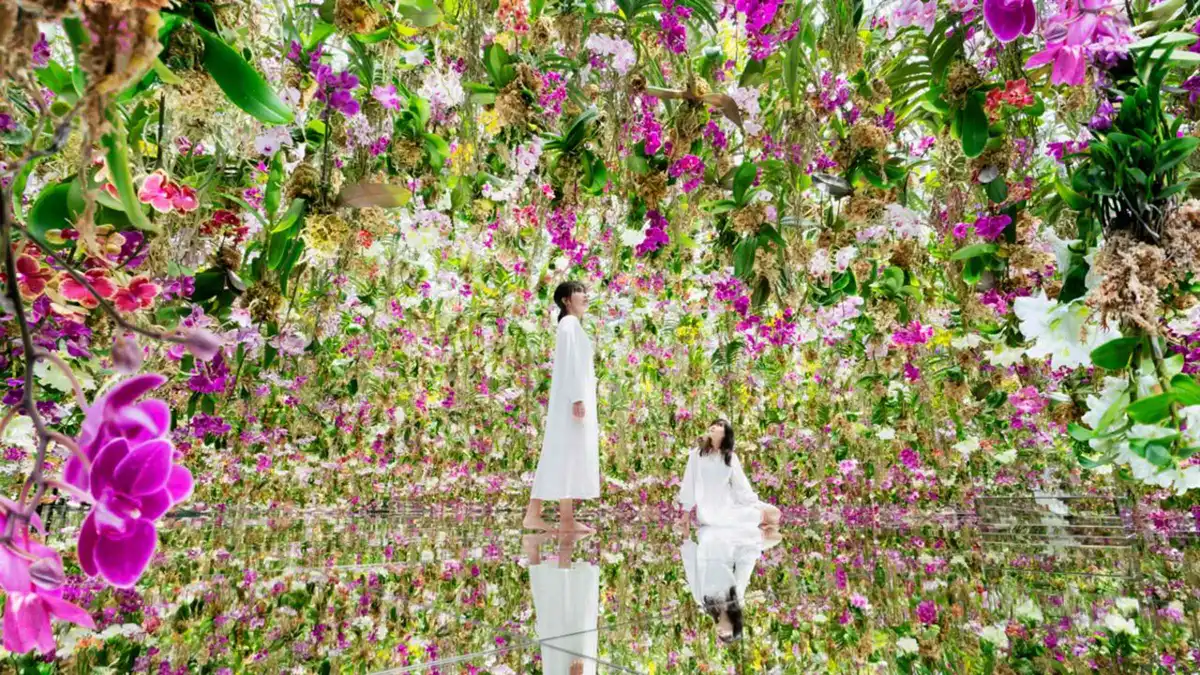 from $24.67
Tokyo: teamLab Planets TOKYO Digital Art Museum Entry Ticket
Entry ticket to teamLab Planets, a barefoot walk-through digital art museum in Toyosu with water rooms and mirrored floors. Self-guided, timed entry, official e-ticket emailed after booking.
Check Availability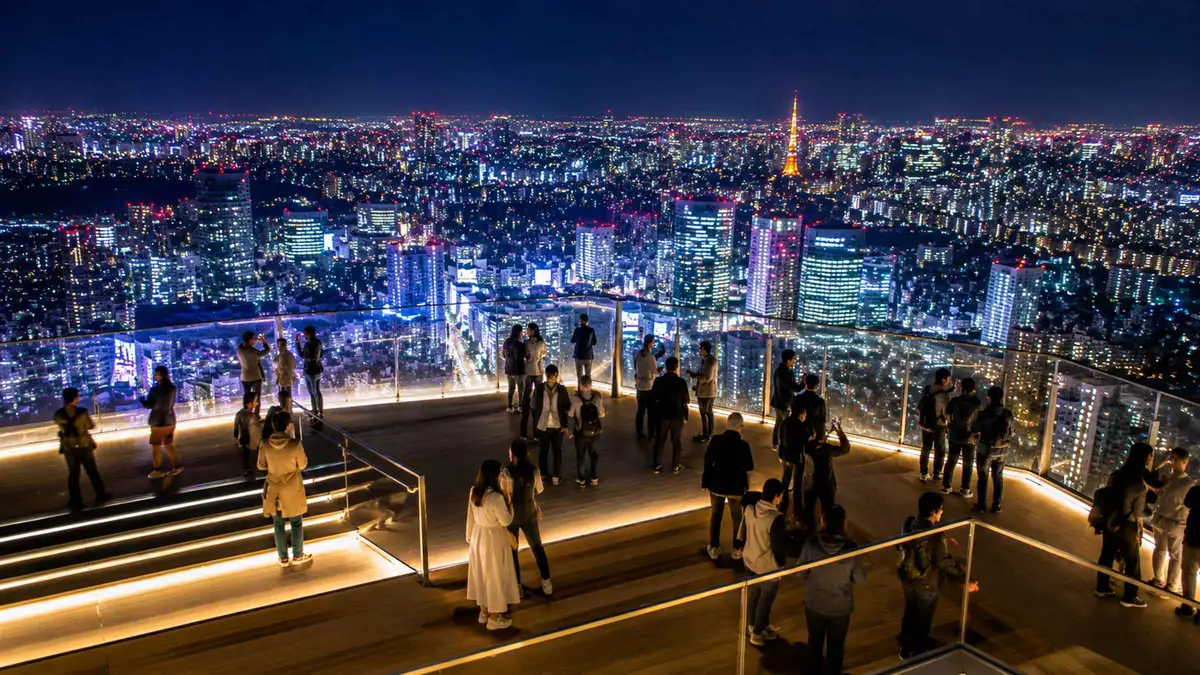 from $101.16
Tokyo: Shibuya Sky Night View, Crossing & Local Vibe Tour
Two-hour night tour combining a Shibuya Sky observation deck visit, ticket included, with a walk across Scramble Crossing and a stop in Miyashita Park's food alley. Suits a first night out in Shibuya.
Check Availability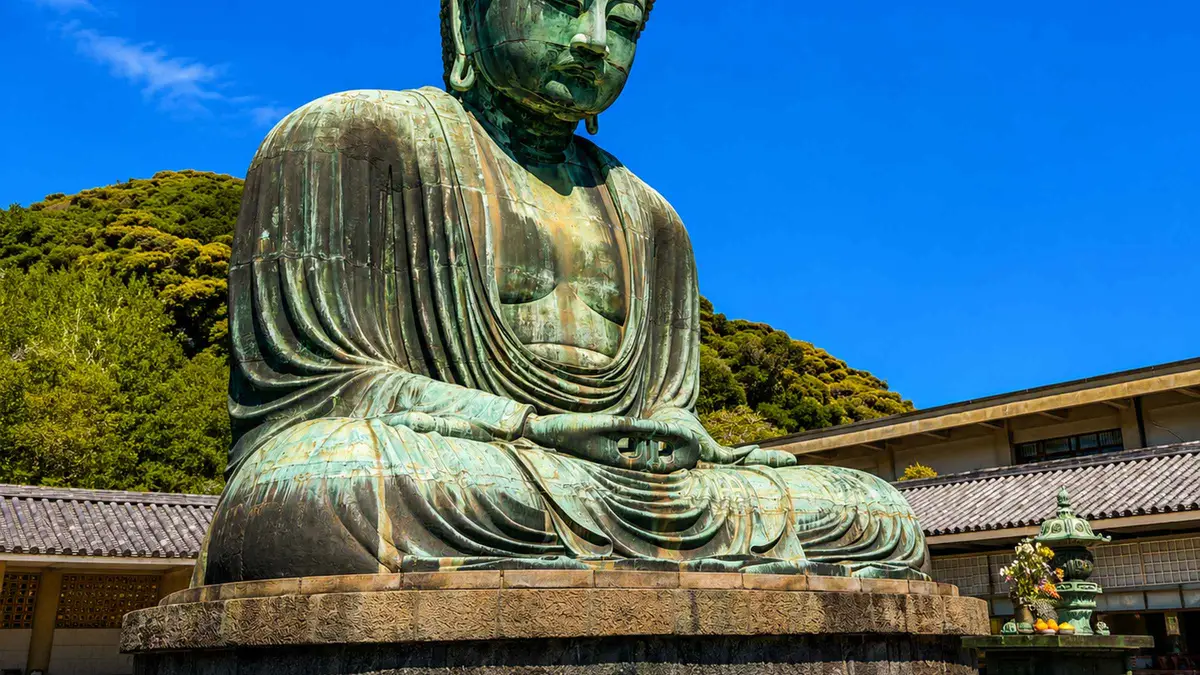 from $51.94
Tokyo: Kamakura & Enoshima Day Trip including Temple Tickets
A 9-hour Kamakura and Enoshima day trip with temple tickets included, taking in Tsurugaoka Hachimangu, Hase-dera, the Great Buddha, Komachi Street and Enoshima, with Mount Fuji visible on clear days.
Check Availability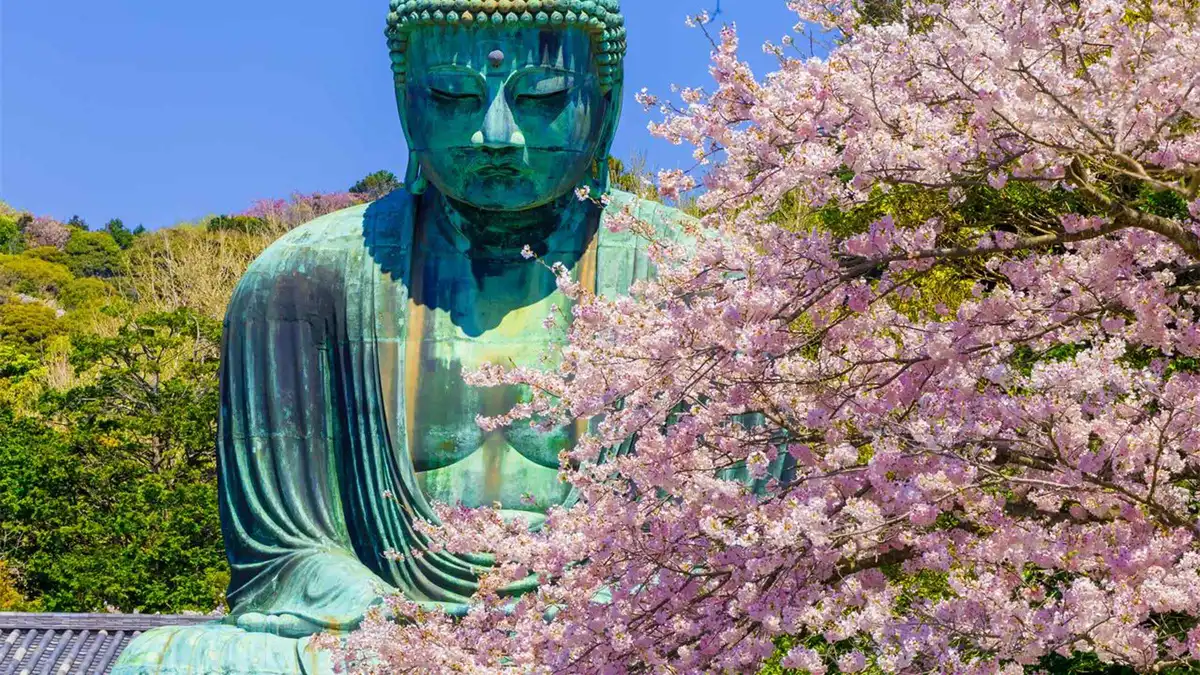 from $58.12
Tokyo: Kamakura, Enoshima Trip With Train Ride, Great Buddha
A 10-hour Kamakura and Enoshima day trip featuring a ride on the Enoden train, plus the Great Buddha, Enoshima Island and Tsurugaoka Hachimangu Shrine, guided from Tokyo.
Check Availability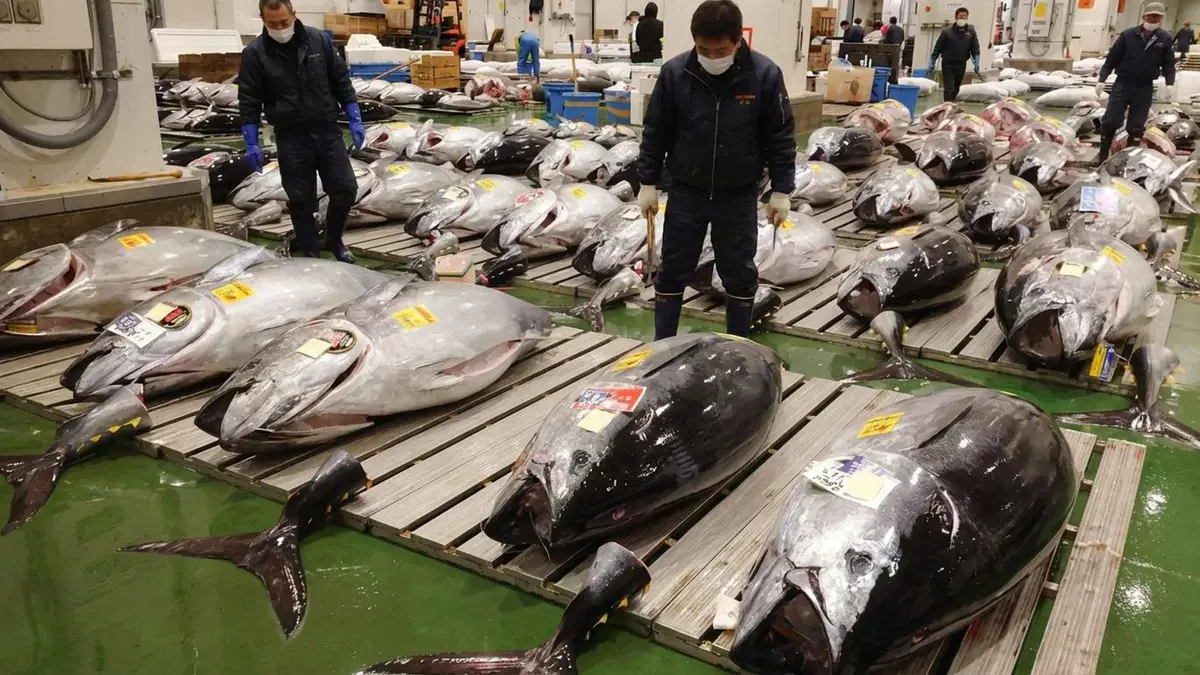 from $118.17
Tokyo: Toyosu Tuna Auction &Tsukiji Market Gourmet Adventure
A 3.5-hour early-morning tour combining the Toyosu tuna-auction viewing deck, a seafood breakfast and a stroll through Tsukiji Outer Market. Starts at 5 AM and isn't suitable for wheelchair users or guests over 70.
Check Availability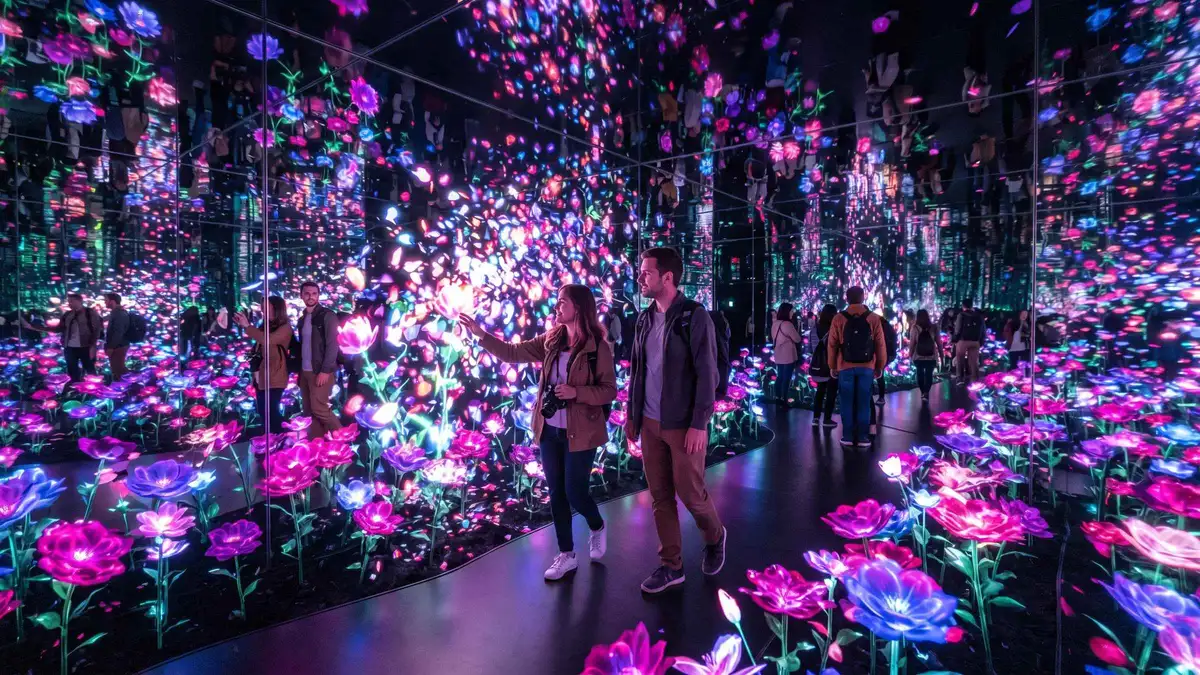 from $121.42
Tokyo: TeamLab Borderless & Imperial Palace History Tour
Pairs 1.5 hours inside teamLab Borderless with a guided walk through the Imperial Palace East Gardens and Nijubashi Bridge. Skip-the-line museum entry included. Suits travelers wanting modern art and Edo-era history together.
Check Availability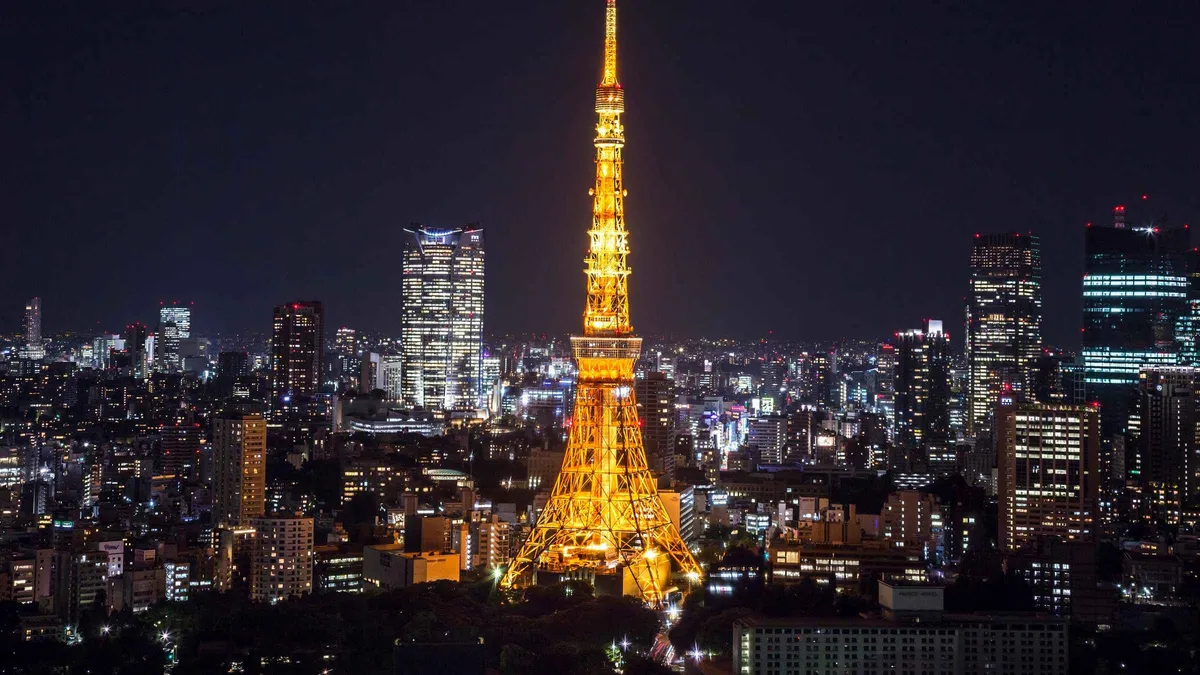 from $9.74
Tokyo Tower Admission Ticket
General admission ticket to Tokyo Tower's Main Deck, with an upgrade option for the Top Deck. Self-guided, valid one day to six months. Suits travelers who want the view without a guide.
Check Availability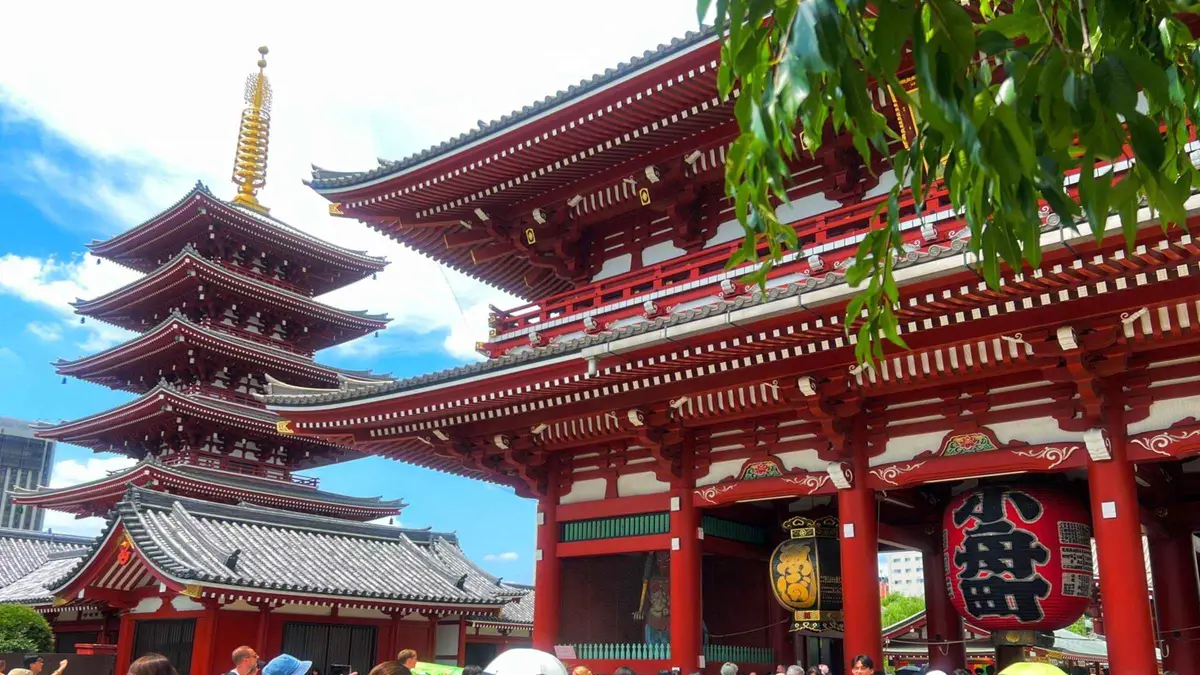 from $12.99
Tokyo: Asakusa and Sensoji Walking Tour
A small-group walking tour of Asakusa's oldest temple, Edo-era alleys and Nakamise Street, with history and local stories from a guide, capped at 10 participants for a closer experience.
Check Availability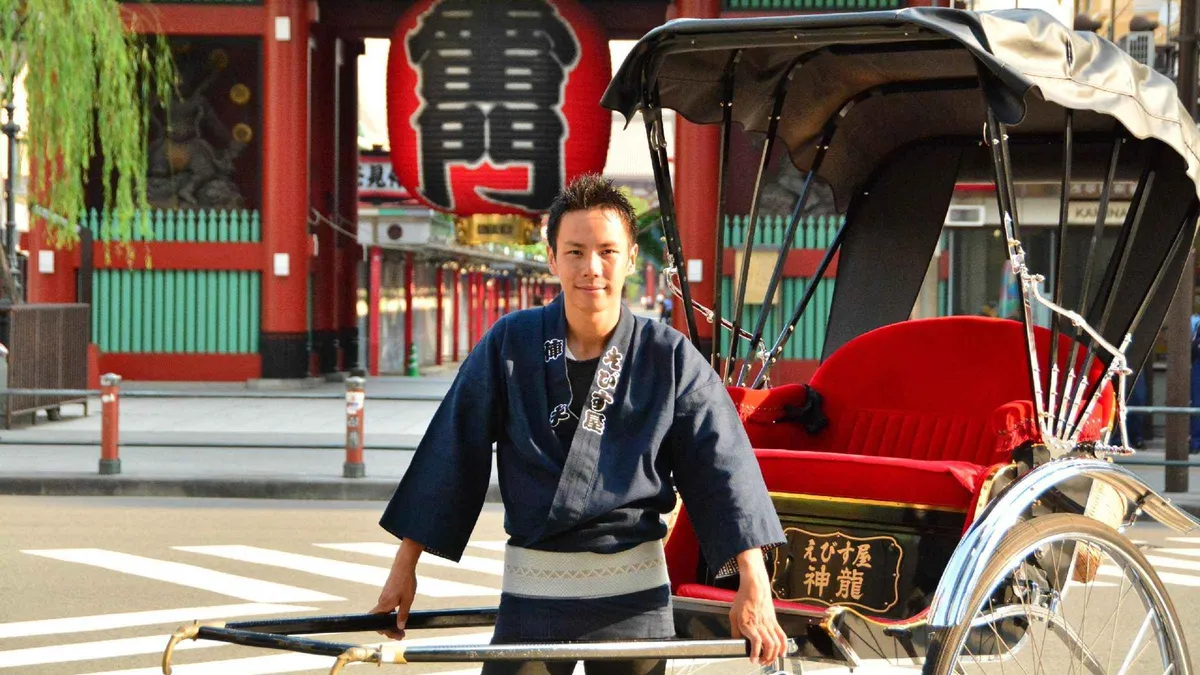 from $35.71
Tokyo: Asakusa Sightseeing Tour by Rickshaw
A guided rickshaw ride through Asakusa's shrines, Sumida Park and old shopping streets, with a puller narrating the district's history, suited to travelers who prefer sitting to walking.
Check Availability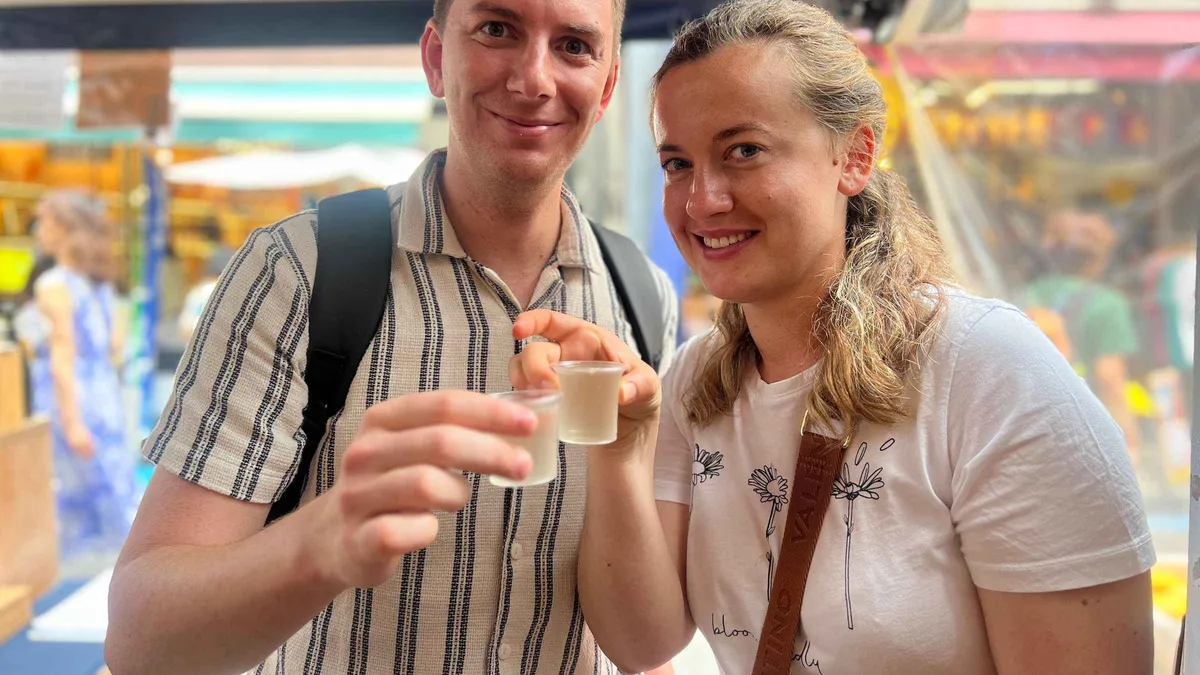 from $12.99
Tokyo: Tsukiji Fish Market Guided Walking Tour
A guided 2-hour walk through Tsukiji Outer Market and Tsukiji Hongan-ji Temple with a small group capped at 10. Food and drinks are extra, so bring cash for tastings along the way.
Check Availability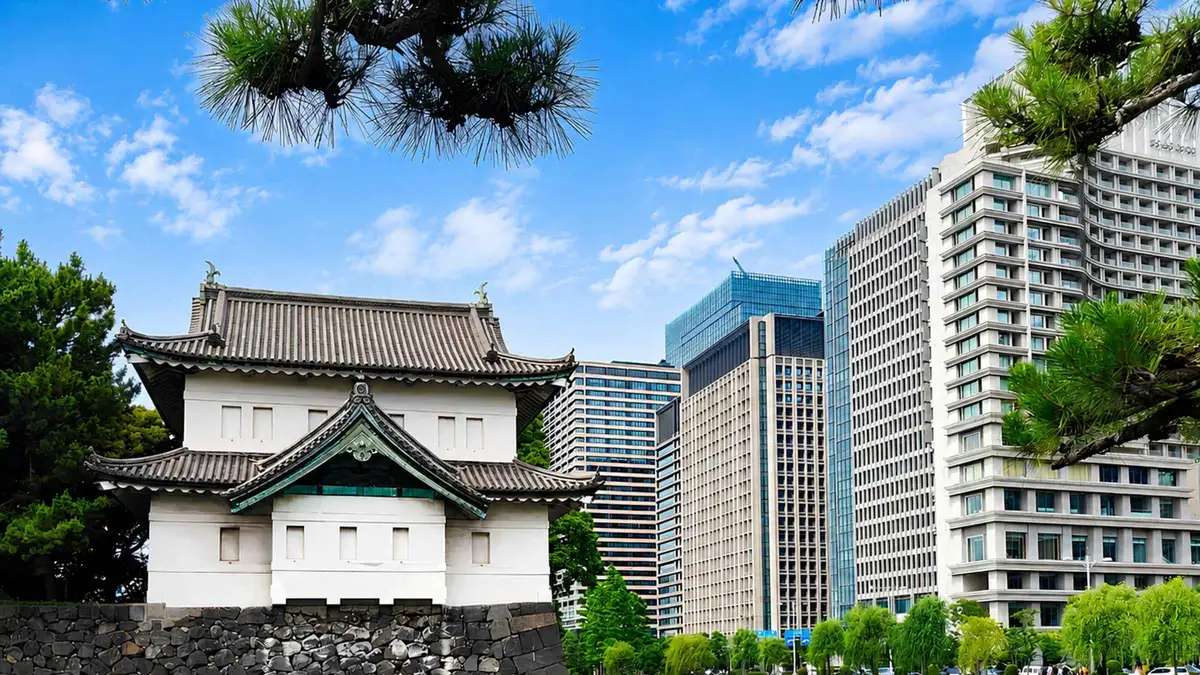 from $6.49
Tokyo: Imperial Palace and Shogun Walking Tour
A 2-hour guided walk through the free Imperial Palace East Gardens covering Edo Castle ruins, stone walls and koi ponds. The palace residence itself is not open to visitors; this covers the gardens only.
Check Availability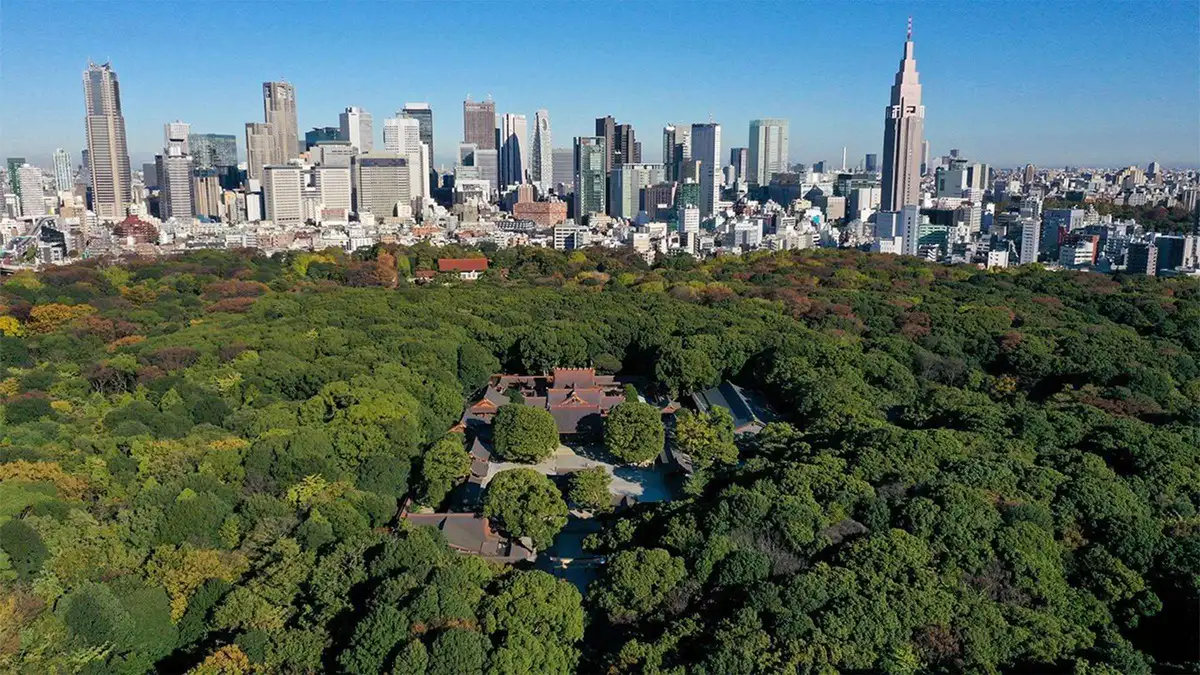 from $9.74
Tokyo: Meiji Shrine Walking Tour — Shinto & Imperial System
Ninety-minute English-only walking tour of Meiji Jingu explaining Shinto practice and Japan's imperial system, capped at 10 people. No separate ticket needed since the shrine grounds are free to enter.
Check Availability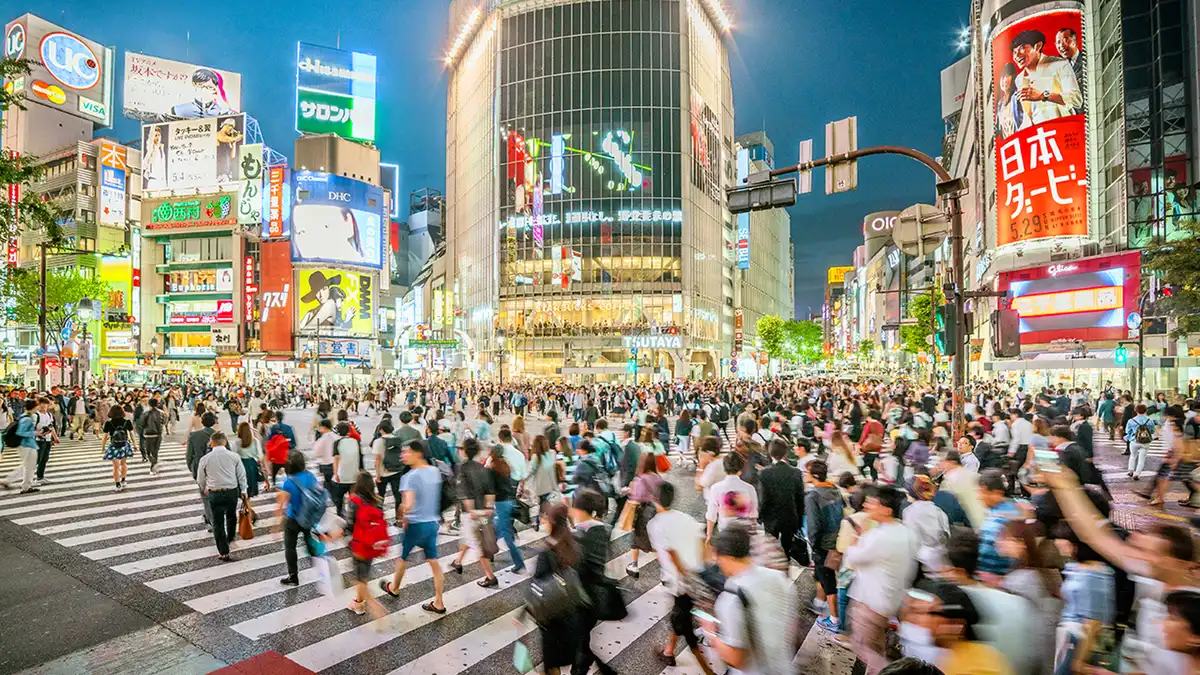 from $12.99
Tokyo: Shibuya Highlights Walking Tour & Secret View Spot
Ninety-minute walking tour of Shibuya covering the Scramble Crossing, Miyashita Park and Center Gai with a local guide, no attraction tickets included. One of the cheapest guided ways to get oriented to the district.
Check Availability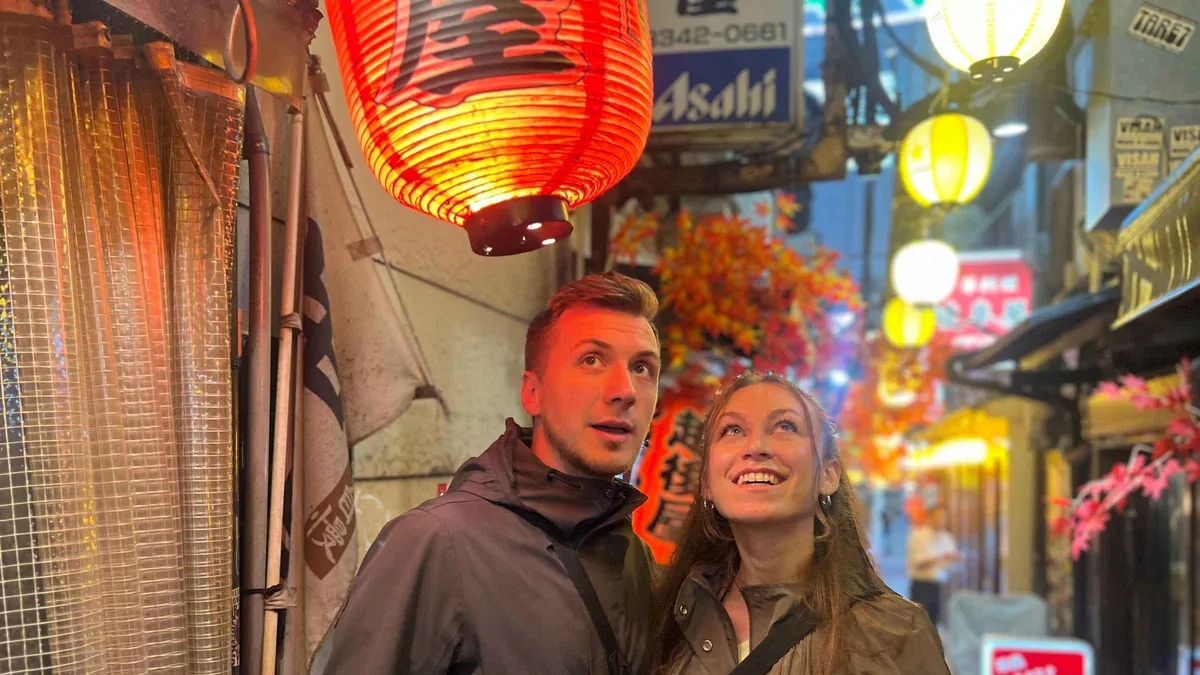 from $85.71
Tokyo: Shinjuku Food Tour (15 Dishes and 4 Eateries)
A three-hour small-group walk through Shinjuku's Omoide Yokocho and Kabukicho backstreets, stopping at four eateries for around 13 Japanese dishes and two drinks with an English-speaking local guide.
Check Availability from $22.21
Tokyo: Shinjuku Nightlife & Secret Backstreets Walking Tour
A 90-minute evening walk through Shinjuku's Kabukicho, Golden Gai and Omoide Yokocho with a local guide, covering the district's red-light-district history and a stop at Hanazono Shrine.
Check AvailabilityPrices, ratings and details are the platform's own, checked in Q3 2026; dollar figures are the listed prices — the platform bills in your account's currency.
The three days on one map
Numbered stops in three colours, day one east, day two west and the city version of day three. The Kamakura option sits an hour south of this frame and is mapped on its own page. Pins are at each stop's published coordinate, or at the district centre where the stop is a district.
Coordinates are taken from each linked page's own key facts, which come in turn from the venue or from Wikidata, all read in Q3 2026.
Shorter Trips, The Fourth Day, And Where To Sleep
What to cut if a day disappears, what to add if one appears, and the decision three nights forces.
Tokyo in 2 days
Days one and two of this plan, tightened. The two-day version keeps the temple, the tower, the market, the shrine, the garden and both views, and gives up the third day entirely.
Day trips from Tokyo
If day three goes out of town but not to Kamakura, the day trips hub compares Hakone, Nikko, a Fuji day and Yokohama with their real door-to-door hours and their pass arithmetic.
Where to stay
Three nights, and this plan starts in the east and ends in the west, so the bed decides how much of each morning is train. The district comparison sets out what each area costs and what it puts you beside.
Tokyo In 3 Days: Questions
Is 3 days in Tokyo enough?
Enough to see the Tokyo a first-time visitor pictures, plus one thing beyond it, without cutting anything for the clock. Two days cover the city east and west, and the third goes either to Kamakura or deeper into the city. What three days cannot hold is a second day trip, a theme park, or more than a fraction of the museums; the list of what it leaves out is on this page rather than hidden.
What should I do on the third day in Tokyo?
One of two things, and the weather decides. In good weather, Kamakura: an hour each way on the JR Yokosuka Line, four temples for $11.34 (¥1,750) between them, and the little Enoden railway along the coast. In rain or in high summer, the deeper city day instead, which starts at Toyosu market at six in the morning and keeps four of its six stops indoors. The comparison sets out who each suits.
How much do 3 days in Tokyo cost in tickets and fares?
About $111.10 (¥17,150) for one adult with the Kamakura day, or about $130.90 (¥20,200) with the deeper city day, before food and a bed. The two city days are fixed at $69.30 (¥10,700) in admissions and the third day swings the rest. Taking the 72-hour subway pass at $12.96 (¥2,000) rather than paying per ride saves six to nine dollars if day three stays in the city. The cost table splits it by day.
What if one of my 3 days in Tokyo is a Monday?
You lose four stops and every replacement is free. The palace East Gardens close on Mondays and on Fridays, the national garden closes on Mondays, the national museum closes on Mondays and the north observatory closes on the second and fourth Monday, when the south deck takes over its hours. Swap the gardens or the museum for Ueno Park, which never closes, and run everything else unchanged. The full Monday list covers the rest of the city.
Should I take a day trip on a 3-day Tokyo trip?
Yes, on day three, and only on day three. Arriving jet-lagged and spending nine hours on trains loses two of your days rather than one, and putting the trip in the middle breaks the east-west geography that makes the city days work. Kamakura is the shortest at about seven hours door to door; Hakone is about nine and Nikko about eleven, both of which take the whole day rather than most of it.
What has to be booked months ahead for 3 days in Tokyo?
One thing only, and it is the Ghibli Museum in Mitaka. Tickets go on sale at 10:00 Japan time on the 10th of each month for the following calendar month, through a single channel, and the museum is in Mitaka, about forty minutes off either city day's line. Adult entry is $6.48 (¥1,000) and the entry window is one hour from the time printed on the ticket. If it matters to you, secure it first and build the three days around whichever morning you are given; the ticket page has the mechanics.
In what order should I do 3 days in Tokyo?
East first, west second, day three last. The east day contains the stop that rewards jet lag most, a temple that opens at six in the morning, and the west day contains the two timed paid stops, which are easier to book once you know how the first day went. Day three goes last because it is the only one with a genuine choice in it, and three days in you know which version you want.
Three Days In Tokyo, Filmed
Three filmed three-day trips covering roughly the ground this plan does, which is the quickest way to judge the pace and the distances before you fix any of the timed tickets.
Tokyo 3-Day Itinerary | Perfect First-Time Travel Guide
A first-timer's three days filmed end to end, with a day split close to the east and west division used here.
Video: Howzit JapanTokyo in 3 Days - HOW TO SEE IT ALL
A denser version of the same three days, useful for seeing what happens when a plan tries to hold more than this one does.
Video: Ian and AnaWhat to do in Tokyo for 3 Days! (FULL Itinerary)
Three days walked rather than narrated, which shows the real distances between the stops on the western day.
Video: Hannah JY MoonVideos load from YouTube only when you press play.
Reviewed Q3 2026 (July–September 2026); next review Q4 2026. Prices, hours and terms are set by the venue or operator and confirmed at checkout.
We may earn a commission if you book through one of our links, at no extra cost to you. Full affiliate disclosure