 Visit Tokyo Guide
Sumo Tournament Tokyo: Dates, Tickets and the Day at Ryogoku Kokugikan
For a sumo tournament, Tokyo means the Ryogoku Kokugikan in Sumida-ku, three times a year, in January, May and September, for fifteen consecutive days each time. This page carries the official dates through 2028, the day each tournament's tickets go on sale, every seat tier the Japan Sumo Association publishes with its price in dollars and yen, what a day inside the hall is actually like from the empty morning divisions to the packed final hour, and what to do in the eleven months of the year when there is no tournament in the city. The staged sumo shows sold on booking platforms are a different thing entirely, and this page says so plainly. Tickets to other attractions are on the tickets hub, the district around the arena connects to Asakusa in a few minutes on the train, and the rest of the Tokyo guide's front page starts from the homepage.
Quick answer When the tournaments are, what a seat costs, when tickets go on sale
Tokyo gets three of the six annual grand sumo tournaments, in January, May and September, each fifteen days long at the Ryogoku Kokugikan. The cheapest published seat is a Chair Seat C at 3,500 yen on a weekday, about $22.70, and tickets for a tournament go on sale roughly five weeks before its first day.
Key takeaways
- The next Tokyo tournaments are 10 to 24 January 2027, on sale 5 December 2026, and 9 to 23 May 2027, on sale 10 April 2027. The dates table below runs to 2028, so a trip can be built around one rather than the other way round.
- Masu-seki boxes are priced per box of four people, not per person, which is why they look terrifying: 34,000 yen for a weekday Box C is about $55.10 a head, less than a good dinner in Ginza.
- If there is no tournament during your stay, the honest alternative is a staged show rather than a real bout: a sumo show with chanko hot pot in Asakusa or a shorter one in Ginza. Neither is a tournament ticket and this page never pretends otherwise.
Key facts
Opening hours
| Tournament day, doors to final bout | morning–about 18:00 |
|---|---|
| Top-division bouts | about 16:00–about 18:00 |
Closed Not applicable. This is an event, not a daily attraction: fifteen days in January, fifteen in May and fifteen in September at this venue, and nothing in between
Admission
- Adult
- Chair Seat C 3,500 yen weekday / 4,000 yen weekend and holiday (about $22.70 / $25.90); Chair Seat B 5,000 / 5,500 yen (about $32.40 / $35.60); Masu Box C 34,000 / 38,000 yen per box of four (about $220.30 / $246.20); Masu Box B 40,000 / 42,000 yen per box of four (about $259.20 / $272.20). A handling fee is charged on top
- Reduced
- No visitor, student or senior category is published on the official English ticket page. Group bookings of twelve or more are handled separately by the association
- Free
- Nothing on a tournament day. The Sumo Museum inside the Kokugikan is free when it is open, and the association posts its open or closed status day by day
Planning it
- Time needed
- Not itemised by the association; our routing: two hours from about 16:00 for the top division alone, six hours or more if you come for the lower divisions and stay to the bow ceremony
- Book ahead
- Essential — weeks ahead
- Address
- 1-3-28 Yokoami, Sumida-ku, Tokyo
Four ways to see sumo in Tokyo, with the association's own ticket first. Seat prices are the figures published on the Japan Sumo Association's English how-to-buy page, read in Q3 2026, converted at 1,000 yen to $6.48; the association describes them as approximate, says they may vary by venue, and adds a handling fee at checkout. The show prices are the platform's own listings on the same day.
Are you trying to see a real tournament, or to see sumo at all? Only one of these rows is a honbasho ticket.
| Option | Price | What it is | How you get it | Book |
|---|---|---|---|---|
| Grand tournament ticket, Ryogoku KokugikanAnyone whose dates fall inside a tournament. Nothing else on this page is the same experience. | 3,500 to 5,500 yen a chair seat (about $22.70 to $35.60); 34,000 to 42,000 yen a four-person box (about $220.30 to $272.20) | A full day of real bouts, fifteen days a tournament, three tournaments a year in Tokyo | Ticket Oosumo, the association's own portal, from the published on-sale date about five weeks ahead | Official site |
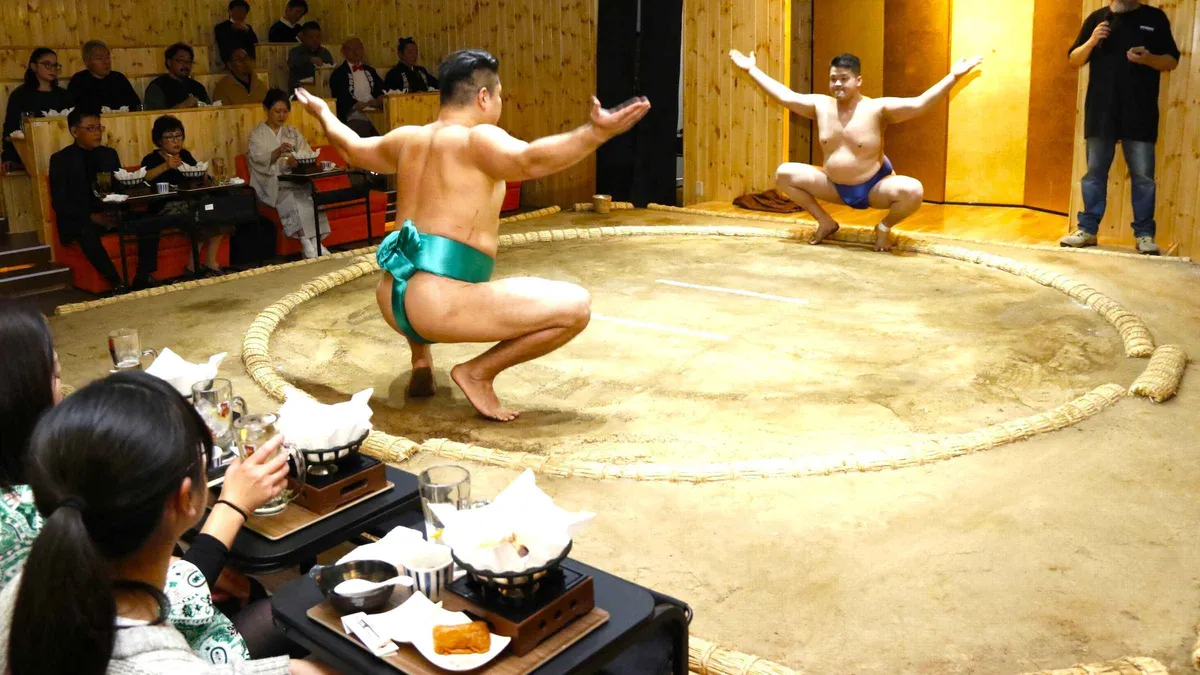
| Sumo show with chanko hot pot and geisha dance, AsakusaFamilies and first-timers travelling outside a tournament, who want the ritual explained and a meal with it. | $103.89 (about 16,000 yen) | A staged show by retired professional wrestlers, with bilingual commentary and an all-you-can-eat chanko meal | Booked online for a fixed start time, free cancellation up to 24 hours before | Check Availability |
| Sumo show and dining at a former stable near RyogokuVisitors who want the Ryogoku setting and are happy to pick the 11:00 or 19:00 slot for the meal. | $65.45 (about 10,100 yen) | A 90-minute show at a converted sumo house with an English MC and an audience challenge; the hot pot is served only at two of the four daily shows | Booked online, transport to and from the venue included per the listing | Check Availability |
| Ginza sumo show, no mealThe cheapest way to see the ritual at all, and the easiest to slot into a Ginza evening. | $38.96 (about 6,000 yen) | A 90-minute indoor show with ceremonial bouts, salt-throwing and photographs, steps from Yurakucho | Booked online for a fixed start time | Check Availability |
The official row links the association's own page and carries no tracking. Two things it publishes that the platforms do not: resale of tournament tickets is prohibited, and the September 2026 Tokyo tournament sold out for all fifteen days with the official seller stating there would be no tickets sold on the day. The association's English page lists box seats and chair seats only; no walk-up or general-admission tier appears on it, so this site does not print one.
The Sumo Shows, Compared
Three staged shows, at the prices and ratings the platform listed in Q3 2026. Read them as theatre rather than sport: retired wrestlers, an English commentary, a demonstration bout and usually a meal. They exist because the real tournaments occupy 45 days of the year in this city and sell out.
 from $103.89
Tokyo: Sumo Entertainment Show with Chicken Hot Pot & Geisha
A staged sumo show in Asakusa with retired professional wrestlers, an all-you-can-eat chanko-nabe hot pot, a geisha dance opener and a chance to step into the ring yourself.
Check Availability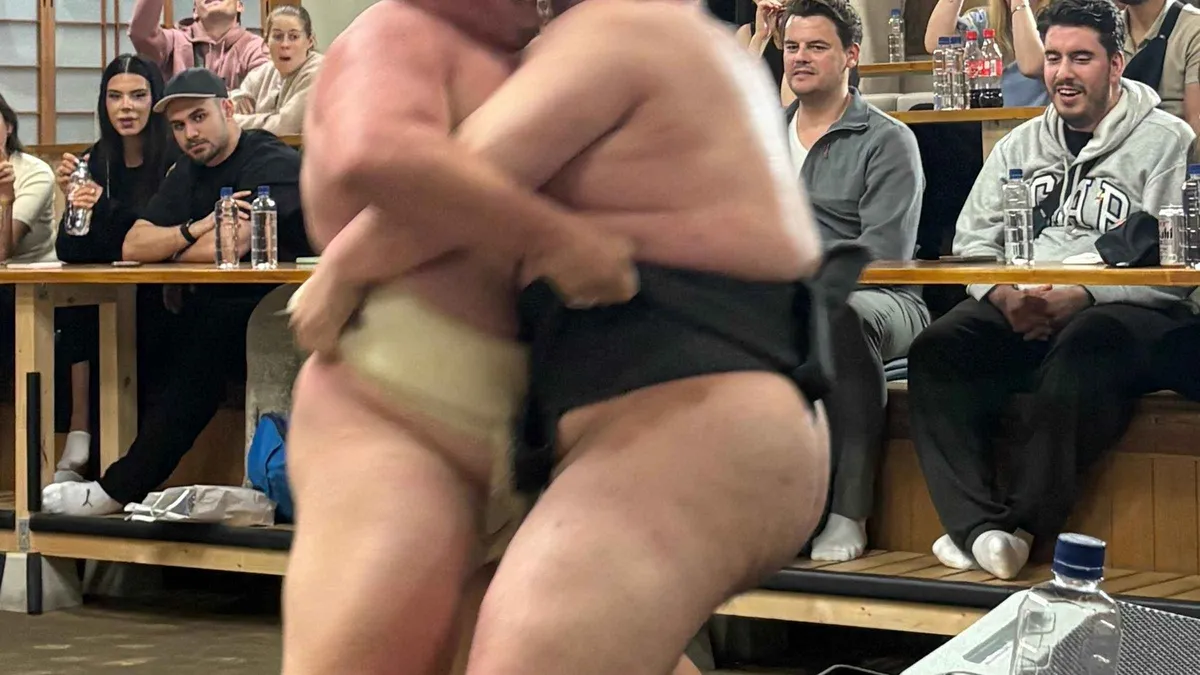 from $65.45
Tokyo: Sumo Show & Dining Experience at Historic Sumo House
A 1.5-hour indoor sumo show at a former sumo stable near Ryogoku, with an English-speaking MC, an audience sumo challenge and a Chanko hot-pot meal at the 11 AM and 7 PM shows only.
Check Availability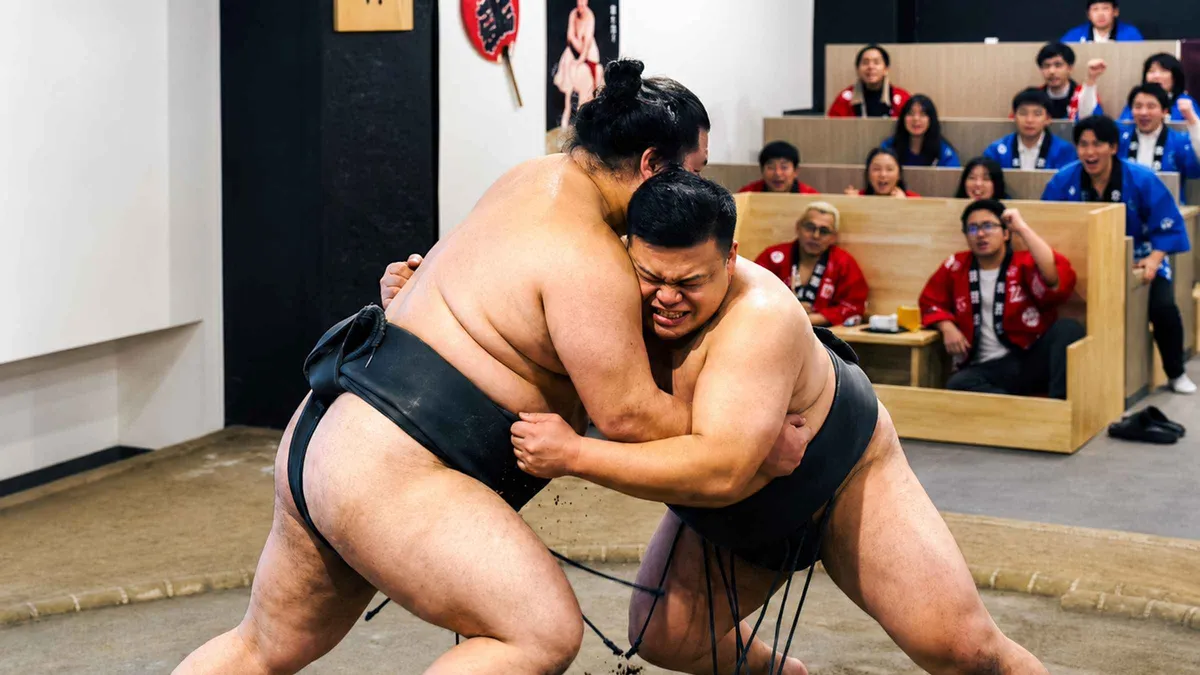 from $38.96
Tokyo Ginza Sumo Show: Live Performance & Photo Experience
A themed sumo entertainment show in central Ginza with retired wrestlers performing ceremonial bouts, salt-throwing and photo moments, plus an optional hands-on training add-on, steps from Yurakucho and Tokyo Station.
Check AvailabilityPrices, ratings and details are the platform's own, checked in Q3 2026; dollar figures are the listed prices — the platform bills in your account's currency.
Every Tokyo Tournament To 2028, And The Day Its Tickets Open
The three Tokyo tournaments a year, with the association's own advance-sale dates beside them, taken from the Japan Sumo Association's published grand tournament schedule read in Q3 2026. The other three tournaments each year are in Osaka in March, Nagoya in July and Fukuoka in November, and are listed here only so nobody books a Tokyo trip around them.
| Tournament | Dates | Venue | Advance tickets from |
|---|---|---|---|
| September 2026 | 13 to 27 September 2026 | Ryogoku Kokugikan, Tokyo | 8 August 2026, then sold out with no same-day sales |
| November 2026 | 8 to 22 November 2026 | Fukuoka Kokusai Center | 19 September 2026 |
| January 2027 | 10 to 24 January 2027 | Ryogoku Kokugikan, Tokyo | 5 December 2026 |
| May 2027 | 9 to 23 May 2027 | Ryogoku Kokugikan, Tokyo | 10 April 2027 |
| September 2027 | 12 to 26 September 2027 | Ryogoku Kokugikan, Tokyo | 7 August 2027 |
| January 2028 | 9 to 23 January 2028 | Ryogoku Kokugikan, Tokyo | 4 December 2027 |
Dates and on-sale days from the association's own grand tournament schedule, cross-checked against the official ticket portal's English listing, both read in Q3 2026. The May 2028 tournament is listed as 14 to 28 May and the September 2028 one as 10 to 24 September, with advance sales opening on 8 April and 5 August 2028.
Seats, Boxes And What The Association Actually Publishes
The price list is short, and reading it correctly turns the most expensive-looking option into the second cheapest.
There are two shapes of seat in the Kokugikan. Masu-seki are the Japanese-style boxes on the floor around the ring, where you take your shoes off and sit on cushions; the price is for the whole box, which holds four people. Arena or chair seats are the rows behind them, sold singly, exactly as at any stadium.
Every figure the association publishes is below, with the per-person cost of a box worked out beside it. Note that weekends and public holidays cost more than weekdays in every tier, that the association calls its own prices approximate and warns they may vary by venue, and that a handling fee is added at checkout on top of everything here.
| Tier | Weekday | Weekend or holiday | Per person, weekday | What you get |
|---|---|---|---|---|
| Masu Box B | 40,000 yen (about $259.20) | 42,000 yen (about $272.20) | About $64.80 for four | A floor box near the ring, shoes off, cushions, four people |
| Masu Box C | 34,000 yen (about $220.30) | 38,000 yen (about $246.20) | About $55.10 for four | A floor box further back, same format, the value tier if you are four |
| Chair Seat B | 5,000 yen (about $32.40) | 5,500 yen (about $35.60) | About $32.40 | A single seat in the lower arena rows |
| Chair Seat C | 4,000 yen listed for weekends, 3,500 yen weekday (about $25.90 / $22.70) | 4,000 yen (about $25.90) | About $22.70 | The cheapest published seat, upper arena |
Where you buy, and the resale rule
Tickets are sold through Ticket Oosumo, run by Ticket Pia for the association and linked directly from the association's own English page. Sales open on the published date about five weeks before the first day, at which point a popular Tokyo tournament can lose its best dates within hours; the final weekend and the middle Sunday go first.
The association prohibits the resale of tournament tickets, and its own portal carries a standing warning that it takes no responsibility for tickets bought from unauthorised sites. That is worth reading twice: a marketplace listing at three times the face price is not just expensive, it is a ticket the association does not recognise. The official portal also runs a face-value resale channel for tickets people cannot use, which is the legitimate route into a sold-out day.
One more honest gap: the official English page lists box seats and chair seats only. No walk-up, standing or same-day general-admission tier appears on it, and for the sold-out September 2026 tournament the official seller stated flatly that no tickets would be sold on the day. Guides that promise a cheap same-day queue are describing something the association does not publish.
How Much Time To Give A Tournament Day
One ticket covers the whole day, from the first bout of the lowest division to the last of the top one. Almost nobody uses all of it, and the association does not publish an hour-by-hour timetable in English, so the three routings below are ours, built from the structure every tournament day follows.
The day is a ladder. The lowest divisions wrestle first, in a hall that is almost empty and quiet enough to hear the slap; the ranks rise through the afternoon; the salaried divisions arrive in the late afternoon with the ring-entering ceremonies; the top division wrestles last, in front of a full house, finishing at about six in the evening with the bow-twirling ceremony that closes the day.
The choice is which end of that you want. Empty and intimate, or full and loud. You cannot have both in two hours.
| Routing | What you get | What it skips | Door to door |
|---|---|---|---|
| The top division only | Arrive about 15:30, see the ring-entering ceremonies and the whole makuuchi card to the final bout and the bow ceremony | The morning and early afternoon, the young wrestlers, the empty hall | About two and a half hours |
| Half a day | Come after lunch for the second-tier bouts, watch the hall fill around you, stay to the end | The dawn divisions, which is a real loss if you like the sport | Four to five hours |
| The whole day | Doors to bow ceremony: the lowest ranks in an empty hall, the museum, the food, the crowd arriving, the top division last | Nothing, though the middle hours are long | Six hours or more |
What the association publishes, and what it does not
It publishes the tournament dates years ahead, the on-sale dates, the seat types and the prices. It does not publish, in English, a per-day timetable of when each division starts, and its Japanese spectator-guide pages are built as images rather than text, so we cannot read a time off them and will not invent one.
So treat the times above as the shape of the day rather than a schedule. The one hard number worth planning around is the finish: the top division's last bout and the bow ceremony land around six in the evening, which means a tournament day and a dinner reservation at 19:00 in central Tokyo fit together comfortably.
The Kokugikan And The Tournament Calendar, In Seven Steps
How three tournaments a year came to be in this city, and why the building is on the wrong side of the river from the rest of the sightseeing.
-
Edo period
Sumo grows up around temple grounds in Ryogoku
The area east of the Sumida river is the sport's historic home, which is why the arena, the stables and the chanko restaurants are all still here rather than in the centre.
-
1909
The first Kokugikan opens
The name means national sport hall, and it gave the tournaments a permanent roof for the first time.
-
1958
The six-tournament year is fixed
Since that year the calendar has run six honbasho of fifteen consecutive days, every other month, in four cities.
-
1985
The present Ryogoku Kokugikan opens
The arena in use today, beside Ryogoku station, with the suspended roof over the clay ring that every broadcast shows.
-
Every year since
Three of the six tournaments are Tokyo's
January, May and September at this building; March in Osaka, July in Nagoya, November in Fukuoka.
-
2026
The July tournament moves to a new Nagoya arena
The association's published schedule lists IG Arena as the July venue from 2026 onwards, one of the few changes to the pattern in decades.
-
September 2026
A Tokyo tournament sells out for all fifteen days
The official portal recorded every day sold out and stated there would be no same-day sales, which is the clearest possible answer to whether you can decide on the morning.
Calendar structure and venue changes from the Japan Sumo Association's own grand tournament schedule and its English ticket pages, read in Q3 2026; the sold-out status from the association's official ticket portal on the same day. Building dates are as recorded in the Ryogoku Kokugikan entry on Wikipedia.
When There Is No Tournament: Morning Practice, Shows And The Museum
Tokyo has sumo on 45 days a year. For the other 320 there are three honest options and one myth.
The first is morning practice at a stable. Wrestlers train from very early, the sessions are private property rather than a visitor attraction, and the association publishes an index of its stables but no visitor scheme, no times and no booking page. Access, where it exists, is arranged by an operator or a guide who has a relationship with that stable, and the conditions are strict: silence, no photography without permission, sitting still on the floor for an hour. Anybody selling you a guaranteed stable visit is selling you their relationship, not a ticket, and the association is not part of the transaction.
The second is a staged show. The cards on this page are exactly that, and they are honest about it in their own listings: retired professional wrestlers, a bilingual commentary, ceremonial movements, an audience challenge, and in two cases a chanko-nabe hot pot, the stew wrestlers actually eat. It is a good hour and it is not a bout.
The third is the building itself. The Sumo Museum inside the Kokugikan is free, and the association's own site posts whether it is open or closed each day, which is worth checking before you cross the river: on the day we read it, the museum was marked closed and so were the arena shops.
The myth is the cheap same-day tournament ticket. See the ticket section above.
Eating chanko in Ryogoku
The neighbourhood around the arena is full of chanko restaurants, several of them run by retired wrestlers, and this is the one part of a sumo day that needs no ticket at all. We name none of them, because none appears in a guide we can cite and this site does not print restaurant names on a blogger's say-so; the street to walk is the one running west from Ryogoku station's west exit.
The association also publishes a food page for the arena for each tournament, which we could not render, so nothing about prices inside the hall is stated here. The general rules for eating in this city, including why the shops shut between services, are on where to eat in Tokyo.
Five Things Most Visitors Do Not Know About A Tokyo Sumo Tournament
All five come off the association's own pages or its official ticket portal, and each changes a decision.
- A masu-seki price is for the box, not the seat. One four-person Box C on a weekday is 34,000 yen, which is about $55.10 a person, cheaper per head than two chair seats in the B rows [sumo.or.jp English ticket page, read in Q3 2026]. - Weekday and weekend prices differ in every tier. The same Box C is 38,000 yen at the weekend, and Chair Seat B moves from 5,000 to 5,500 yen [sumo.or.jp English ticket page]. - The on-sale dates are published years in advance. The association's schedule already lists the day tickets open for tournaments into 2028, which means you can set a reminder before you book flights [sumo.or.jp grand tournament schedule]. - Resale is prohibited, and the official portal runs its own face-value resale instead. That channel is the only legitimate route into a sold-out day [sumo.pia.jp, the association's official seller]. - No same-day general-admission tier appears on the official English pages. For the sold-out September 2026 tournament the official seller stated there would be no tickets sold on the day at all [sumo.pia.jp, read in Q3 2026].
At The Kokugikan: What To Do, And What Not To
Each line is a decision argued above, in the form you can act on the morning of the tournament.
Do
- Set a reminder for the on-sale date, which the association publishes years ahead, and buy in the first hour
- Take a box if you are four: it is the cheapest good view in the building per person
- Arrive by about 15:30 if you only want the top division, earlier if you want the hall to yourself
- Take your shoes off in a masu-seki box and expect to sit on the floor for hours
- Check the association's own site for the day's museum and shop status before you cross the river
- Plan dinner for after 19:00: the last bout and the bow ceremony land around six (where to eat)
Don't
- Don't buy from a resale marketplace: the association prohibits resale and does not recognise those tickets
- Don't count on a same-day ticket; no walk-up tier is published and a sold-out tournament sells none
- Don't book a staged show thinking it is a tournament, and don't let a booking page imply it is
- Don't photograph at a stable practice session, if you are ever admitted to one, without being told you may
- Don't plan a Tokyo trip around sumo in March, July or November: the tournament is in another city
Rules and prohibitions as published by the Japan Sumo Association and its official ticket portal, read in Q3 2026.
Getting There, And Which Exit
The Kokugikan is at 1-3-28 Yokoami, Sumida-ku, immediately beside Ryogoku station on the JR Chuo-Sobu line: come out of the West Exit and the arena is about two minutes away, in plain sight. Ryogoku station on the Toei Oedo subway line is a separate station a few minutes south, which catches people out on a wet evening.
From Tokyo station the Sobu line takes about ten minutes; from Shinjuku it is a straight run east on the same line. From Asakusa it is two stops on the Toei Asakusa line to Kuramae and a short walk, or a fifteen-minute taxi across the river.
On a tournament day the station exit, the approach and the arena forecourt are crowded from about 15:00, with the wrestlers themselves arriving on foot through the crowd, which is free to watch and is the part of the day photographers come for.
- Ryogoku station, JR Chuo-Sobu line, West Exit: about 2 minutes
- Ryogoku station, Toei Oedo line: a separate station, a few minutes further
- From Tokyo station: about 10 minutes on the Sobu line
- From Asakusa: two stops to Kuramae on the Toei Asakusa line, then a walk over the river
Ryogoku Kokugikan map: the arena, the stations and what is a short hop away
The arena, both Ryogoku stations, and the two big sights on this side of the river that pair with a tournament day.
Coordinates from the arena's published address and our reading of the station layout; walking minutes are our estimates.
Next Stop From The Kokugikan
A tournament finishes at about six in the evening, so the three below are morning or early-afternoon items rather than after-sumo ones.
Senso-ji
Free, open from early morning, and across the river to the north. Senso-ji is the obvious way to fill the hours before a 15:30 arrival at the arena.
25 min walk or 2 stopsTokyo Skytree
The tower is visible from the arena forecourt and open late, so it works either side of a tournament day. Tokyo Skytree has the timed-ticket rules that decide when you go up.
25 min walk or 2 stopsAsakusa
The old-town district with the earliest kitchens in the city, which suits a sumo day: eat at 18:30, not 21:00. The Asakusa guide covers the streets and the station exits.
2 stops on the Toei Asakusa lineTokyo Sumo Tournament Questions
When can I see a sumo tournament in Tokyo?
In January, May and September, for fifteen consecutive days each time, at the Ryogoku Kokugikan. The next ones are 10 to 24 January 2027 and 9 to 23 May 2027, and the dates table runs to 2028. In March, July and November the tournament is in Osaka, Nagoya and Fukuoka, so there is no grand sumo in Tokyo at all.
How much does a sumo tournament ticket in Tokyo cost?
The association publishes chair seats at 3,500 to 5,500 yen, about $22.70 to $35.60 depending on tier and whether it is a weekday, and four-person masu-seki boxes at 34,000 to 42,000 yen, about $220.30 to $272.20 for the whole box, which works out around $55.10 a head at the cheapest. A handling fee is added, and the association calls its own prices approximate.
When do tickets for the Tokyo sumo tournament go on sale?
About five weeks before the first day, on a date the association publishes years ahead: 5 December 2026 for the January 2027 tournament, 10 April 2027 for the May one. Buy in the first hours, because the middle Sunday and the final weekend go first, and check the official portal's face-value resale channel if your date is gone.
Can I buy a sumo ticket on the day at Ryogoku Kokugikan?
The association's English pages publish no same-day or general-admission tier at all, only box and chair seats sold in advance. For the sold-out September 2026 tournament the official seller stated plainly that no tickets would be sold on the day. Treat a same-day queue as a possibility nobody guarantees rather than a plan.
What time do the sumo bouts start and finish?
The lowest divisions wrestle from the morning in an almost empty hall and the top division goes last, ending at about six in the evening with the bow-twirling ceremony. The association does not publish an hour-by-hour English timetable, so we print the shape rather than a schedule: arrive about 15:30 for the top division alone, earlier for the quiet hours.
Is a sumo show the same as a grand sumo tournament?
No, and the difference is the whole point of this page. The shows sold on booking platforms are staged demonstrations by retired wrestlers with commentary and often a chanko meal, running year-round at fixed times in Asakusa and Ginza. A tournament is fifteen days of ranked competition, three times a year, in one building.
Can visitors watch sumo stable morning practice in Tokyo?
Sometimes, never as a ticketed attraction. Stables are private, the association publishes an index of them but no visitor scheme, times or booking page, and any access runs through an operator with a relationship there, under strict conditions of silence and stillness. Nobody can sell you a guarantee that the association stands behind.
Where A Tournament Fits In A Tokyo Trip
Build the trip around the calendar rather than the other way round: three windows a year, each fifteen days, and the on-sale date five weeks earlier is the real deadline. If your dates land inside one, buy a Chair Seat C for the whole day, spend the morning at Senso-ji or under the Tokyo Skytree on the same side of the river, and be in your seat by 15:30 at the latest.
If they do not, take a show, eat chanko in Ryogoku afterwards, and put the money into something the city does have on your dates: the things to do list ranks everything by the time it needs, and the tickets hub covers what has to be booked before you fly.
A Tournament Day On Film
Three films that answer the question this page cannot fully source: what the hall looks like at each hour, from the empty morning divisions to the last bout.
How To Watch Sumo Wrestling in Tokyo, Japan: Tickets, Food & Tips
The practical version of this page, filmed inside the Kokugikan on a tournament day.
Video: Denver and SamWhat is it Like to Watch Sumo Live in Japan?
What a masu-seki box and a chair seat actually feel like, and how the hall fills through the afternoon.
Video: SumostewGrand Sumo Tournament Guide: 5 Step Beginner / First Timer Quick Guide
The ceremonies and the ranking system explained before you go, which is what the ticket does not come with.
Video: Richard FangVideos load from YouTube only when you press play.
Reviewed Q3 2026 (July–September 2026); next review Q4 2026. Prices, hours and terms are set by the venue or operator and confirmed at checkout.
We may earn a commission if you book through one of our links, at no extra cost to you. Full affiliate disclosure