 Visit Tokyo Guide
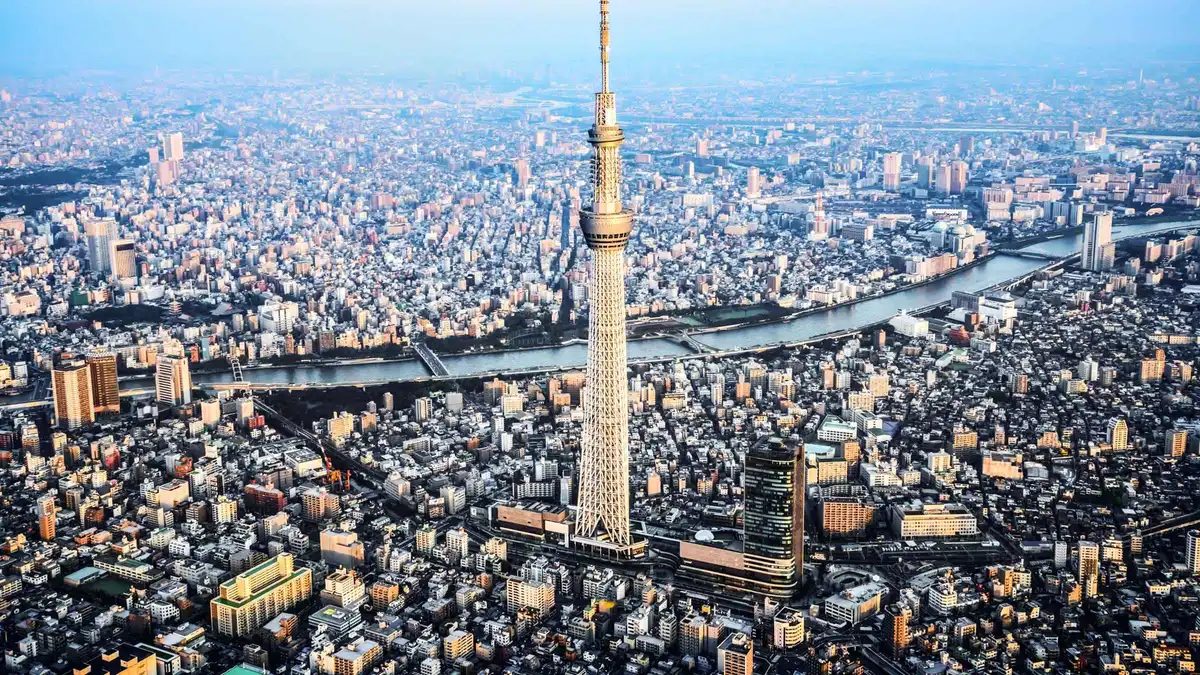 from $14.28
TOKYO SKYTREE® Admission ticket
Skip-the-line admission to Tokyo Skytree's Tembo Deck, with an optional upgrade to the higher Tembo Galleria, valid for one day with a booked start time.
Check AvailabilityFour bookings decide a first trip to Tokyo, Japan, and everything else in the city can be walked up to on the day. This guide prints the venue's own price beside the reseller's, the closed day that ruins an itinerary, and the date each figure was read.
Read on the venues' own pages in Q3 2026: Senso-ji and Meiji Jingu charge nothing, Tokyo Skytree starts at $11.66 (¥1,800), Shibuya Sky is $17.50 (¥2,700) for a slot before 15:00 and $22.00 (¥3,400) from 15:00, and teamLab Planets starts at $23.30 (¥3,600). Three full days is the floor for a first visit and five is the length most people wish they had booked, at roughly $38.90 (¥6,000) a person a day on top of the room.
Key takeaways
The five hubs of this guide, each with the three facts that settle it. Every figure below is the venue's or the operator's own, read in Q3 2026.
Twenty-one places with the venue's own adult price, its closed day and its district on every card, numbered to a pin map: the ranked list of what is worth a slot.
The venue price beside the reseller price, sight by sight, with the counter surcharge printed: what each sight actually charges.
Seven districts measured by which side of the Yamanote loop they sit on and what each one is good for after dark: the districts compared.
Everything worth a day out sits within about two hours of a terminus, and the terminus is rarely the one you expect: the day trips compared, pass by pass.
How long to come for, what to reserve, and which weekday breaks which plan: the planning hub, with the itineraries under it.
Tokyo is not a centre with suburbs around it. It is a ring of separate downtowns strung along one circular railway, the Yamanote Line, which takes about an hour to go all the way round. Learn that and the map stops being frightening: pick two districts a day from the same side of the circle, one for the daylight and one for the evening. Akihabara and Ueno Park sit on the same eastern arc as the first card below.
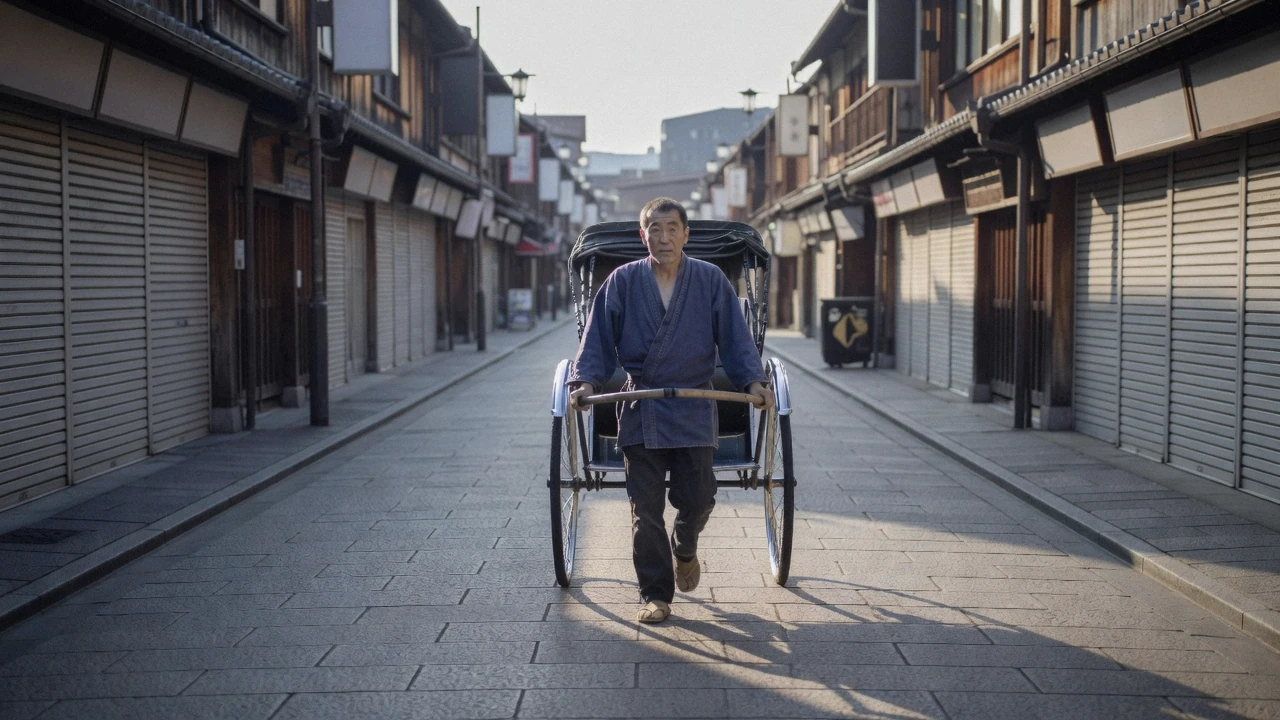
Low-rise, old-east Tokyo around Senso-ji: the temple approach, the kitchenware street at Kappabashi, the drinking alleys behind the old theatre block and the river at Azumabashi. Free to walk, and best before nine in the morning, when the precinct still belongs to people who live there.
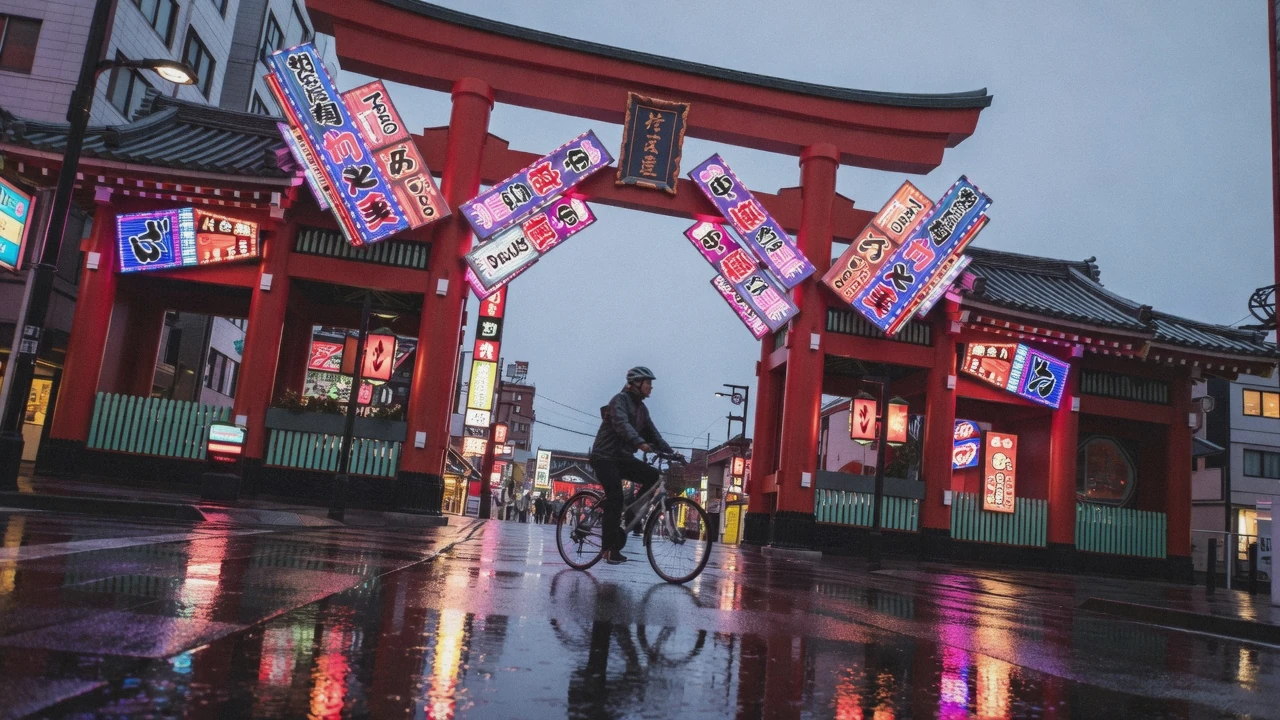
The busiest station on earth by passenger count, with a different city behind each exit: skyscrapers and the free observation decks to the west, department stores and Kabukicho to the east, a national garden ten minutes south. It is also the sensible place to sleep on a first visit, because almost nothing in the city is more than one change away.
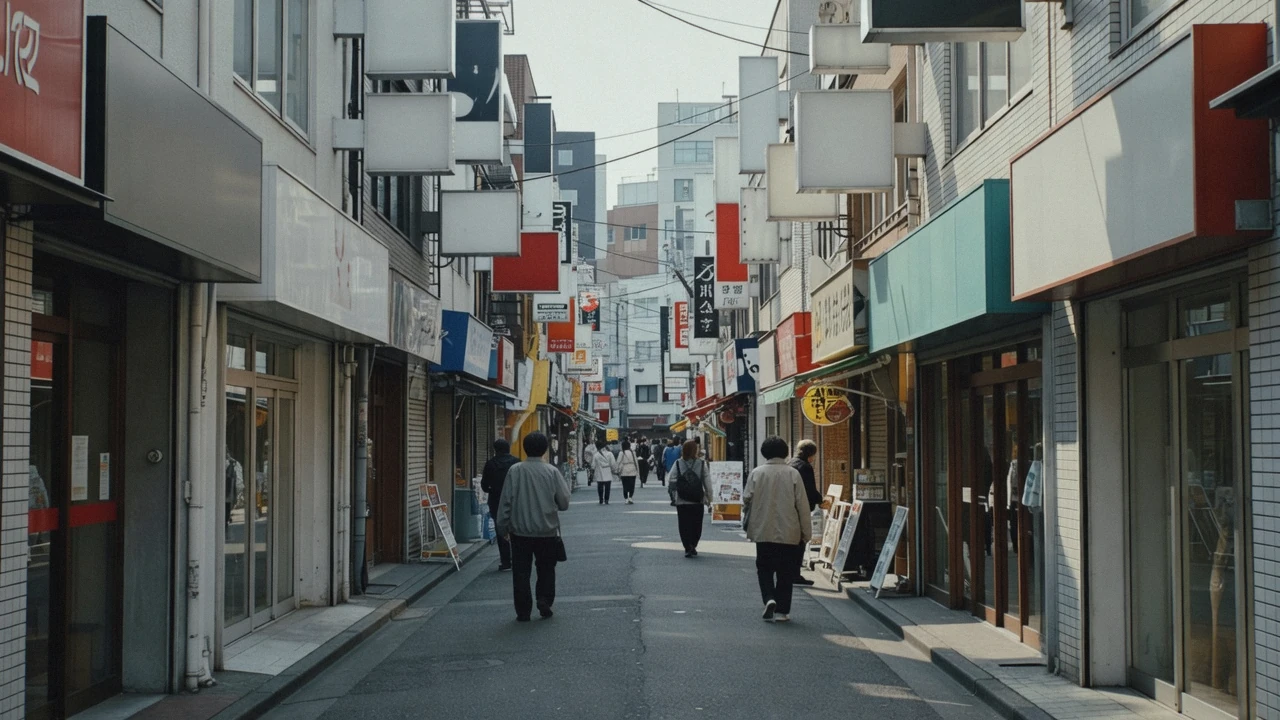
Youth culture, department stores and the crossing everybody photographs, all within ten minutes of the Hachiko exit. Shops run to about 21:00 and restaurants to 23:00, and the food alley under Miyashita Park keeps going until 05:00, which makes this the district that best survives a jet-lagged first night.
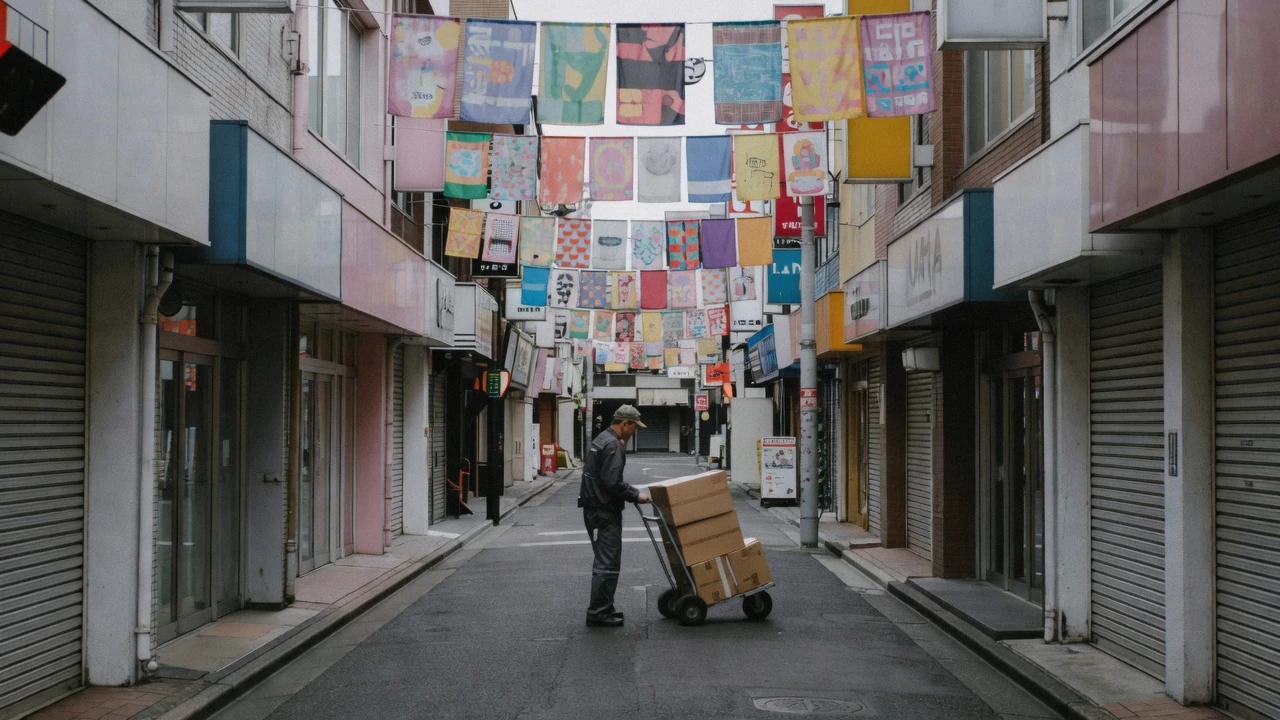
Four streets rather than one: Takeshita Street is a 400-metre teenage lane of snack stands, Omotesando a one-kilometre luxury avenue, Cat Street the calm pedestrian route down to Shibuya, and Ura-Harajuku the vintage grid behind them. The shrine forest starts on the other side of the station.
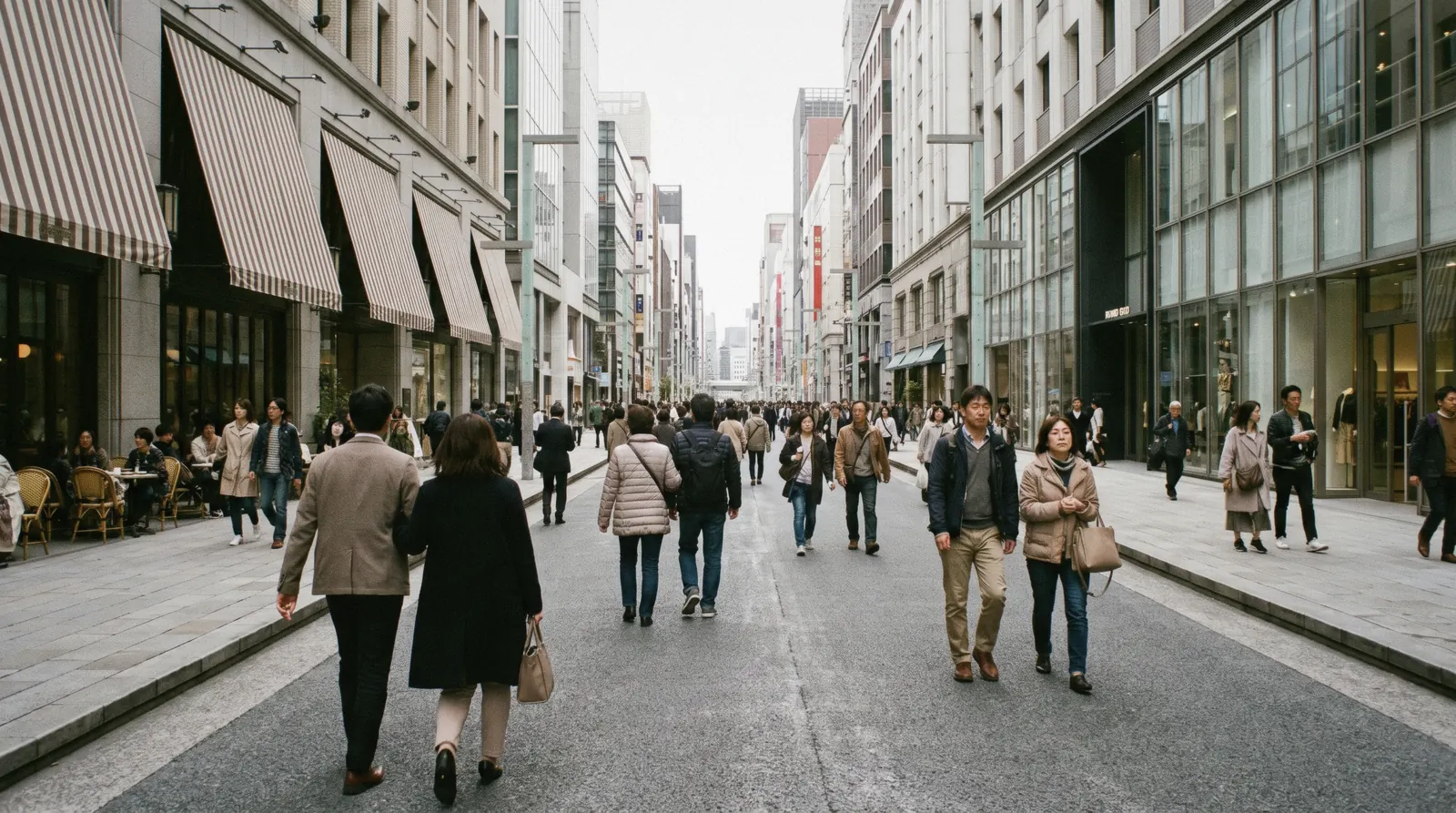
An expensive shopping street on a weekday and one of the better city walks at the weekend, when Chuo-dori closes to traffic between noon and 18:00 from April to September, and noon to 17:00 from October to March. The theatre on the corner sells a seat for a single act rather than a whole programme.
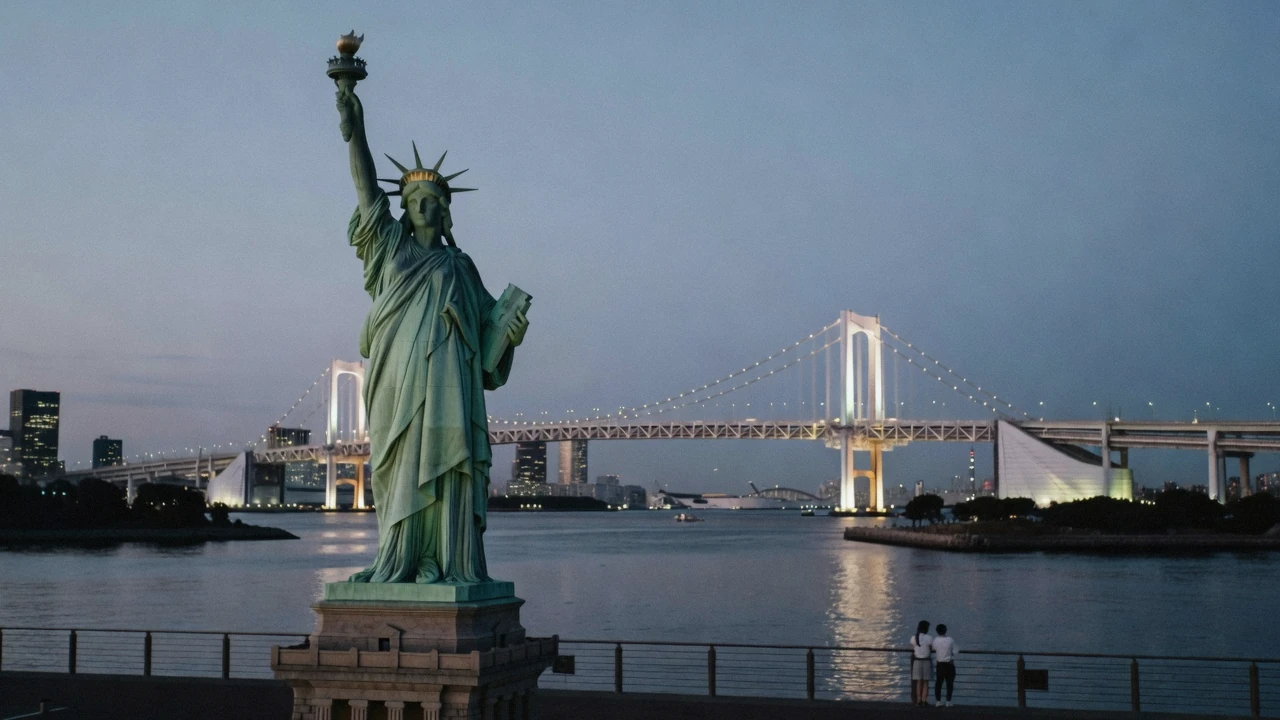
A built island in the bay reached by an automated train over the water. It pairs with nothing and takes a day of its own, which is exactly why it works as the day you are tired: waterfront, malls and, across the water at Toyosu, the barefoot water rooms of teamLab Planets.
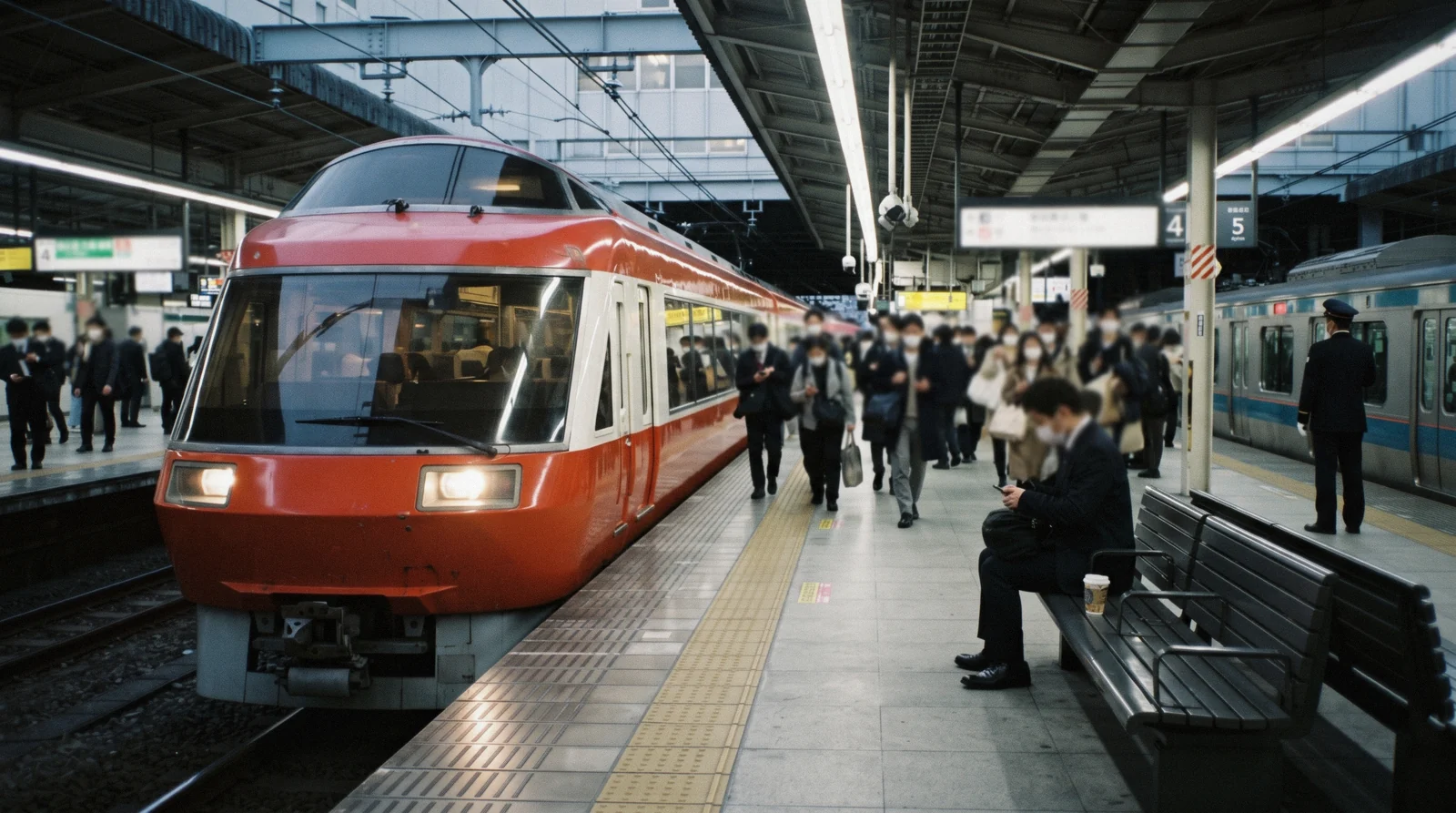
The fourth or fifth day belongs outside the city rather than in another ward. Hakone and the Fuji lakes leave from Shinjuku, Nikko from Asakusa, the coast from Tokyo or Shinagawa, and each has a regional pass that costs less than the fares inside it.
Nine places, arranged east to west the way the trains run rather than by rank. Take them in this order and the timed things fall into the hours they work best: the temple before breakfast, the tower when it opens, the market before it shuts at two, the shrine forest in the afternoon and a roof at sunset.
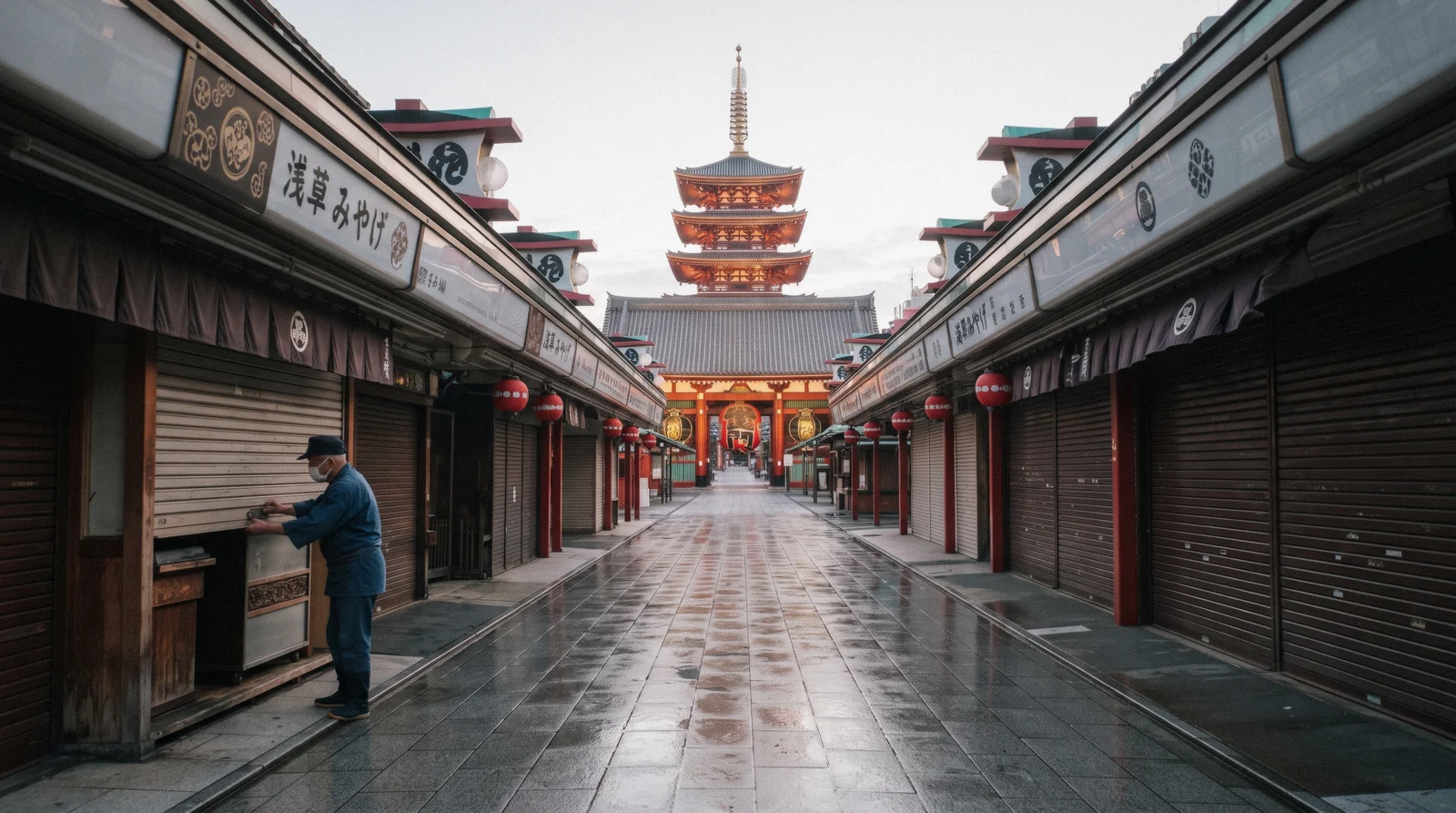
Tokyo's oldest temple, a Buddhist foundation in the low-rise east, and the one headline sight that charges nothing at any hour. The Main Hall opens at 06:00 from April to September and 06:30 from October to March, closes at 17:00 and lists no closed day at all, in any season. Forty-five minutes covers the gates, the pagoda and the hall; two hours covers the precinct properly, and the district behind it takes the rest of the morning.
Come before nine and the Nakamise approach is a working street rather than a queue. The temple page has the doors and the etiquette, the Asakusa guide has the kitchenware street and the alleys, and a guided temple hour is the cheapest way to be told what you are looking at.
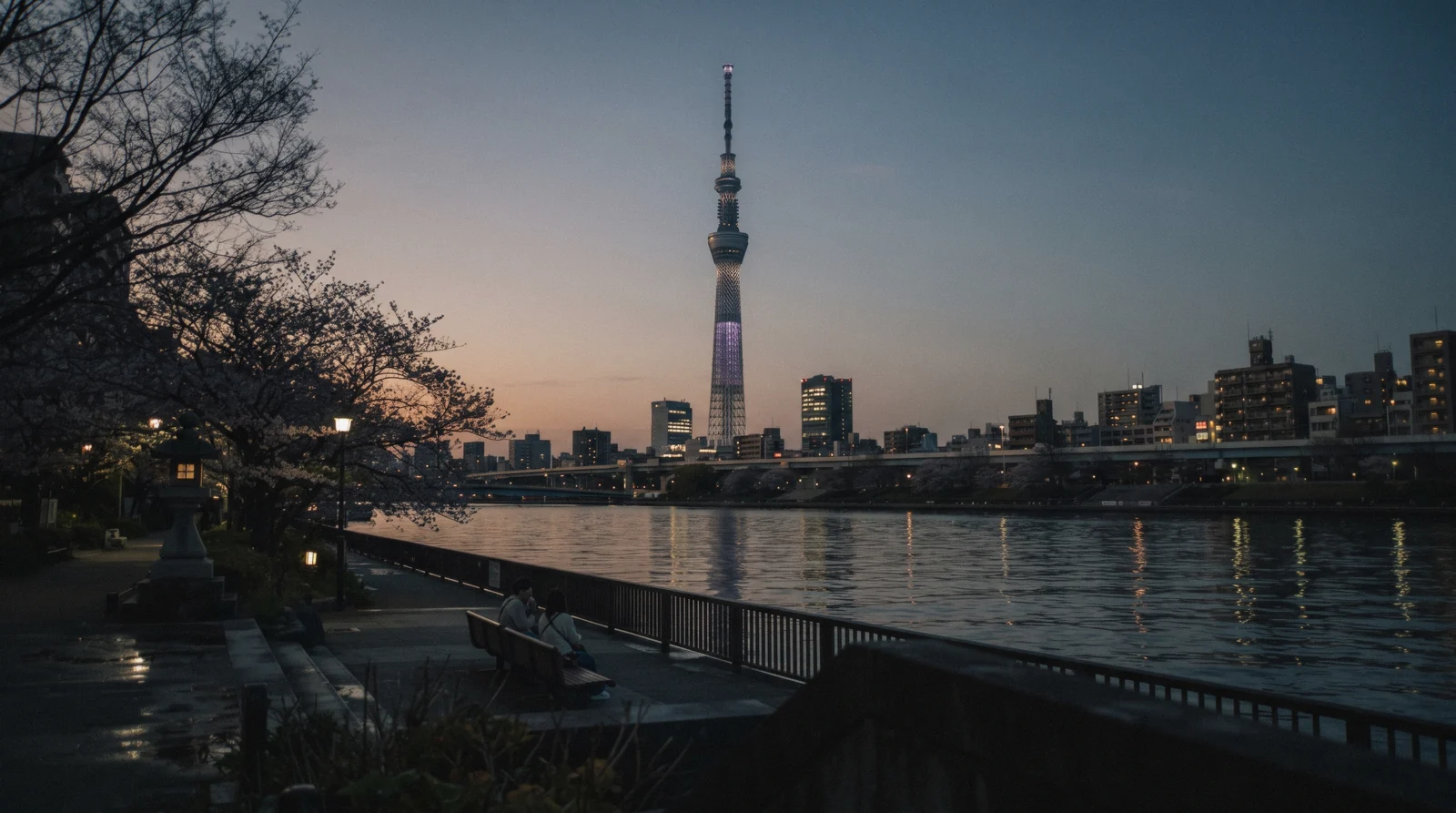
Six hundred and thirty-four metres to the tip, and two paid levels inside it: the Tembo Deck at 350 metres from $11.66 (¥1,800) online, and a combined ticket that adds the Tembo Galleria, a glass ramp spiralling from 445 to 450 metres, from $19.44 (¥3,000). Standard days run 10:00 to 22:00, and the operator sets the closing time date by date rather than by season. The fourth-floor counter charges ¥500 more than the same ticket bought online, which is the entire argument for buying ahead.
Ninety minutes is enough for the lower deck. The tower page covers the two levels and the weather rule, and the admission ticket is the online version of the counter queue.
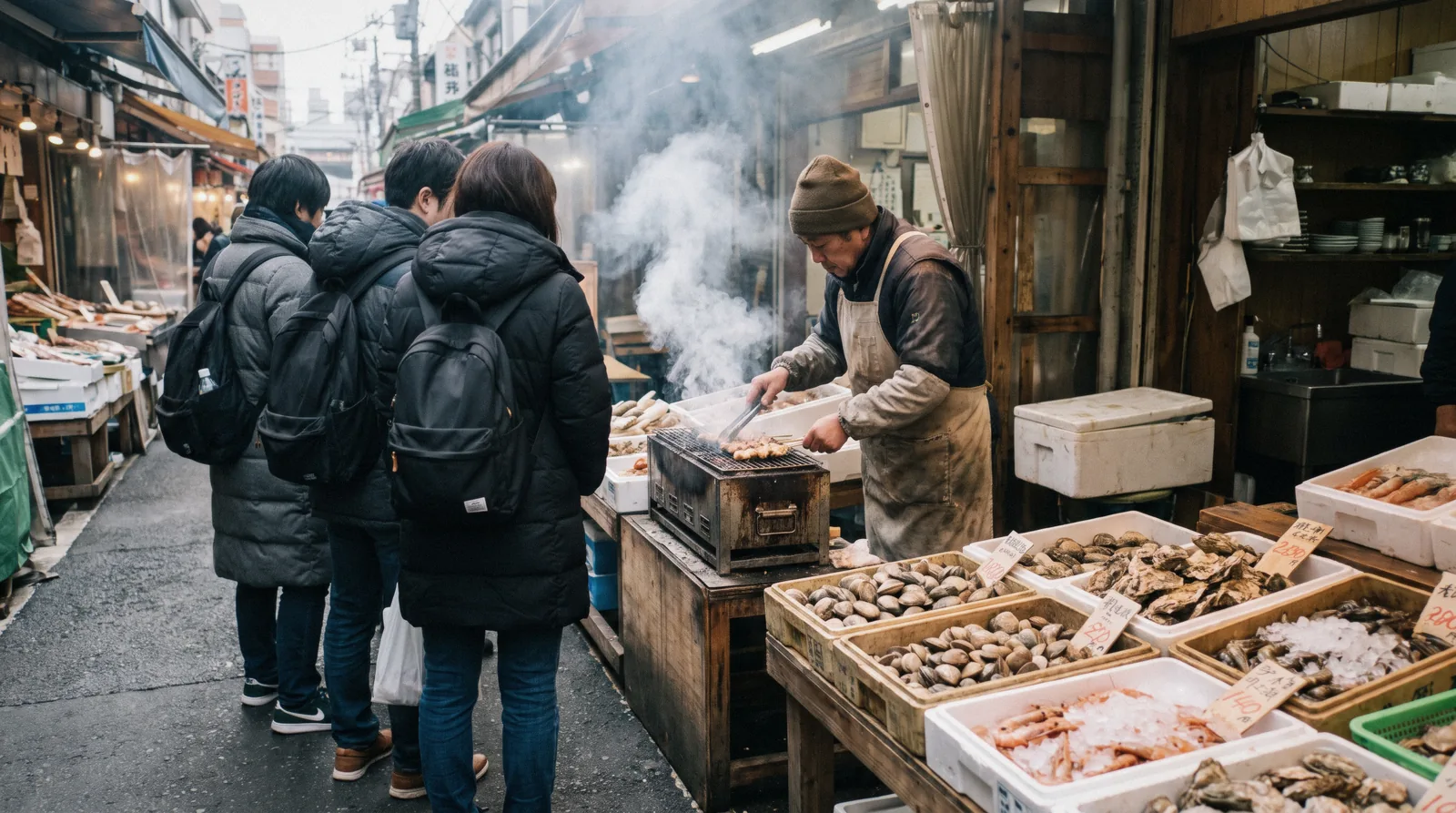
Not the fish market and not a museum: a grid of shop streets that sell to cooks in the morning and to visitors from about nine, with the shutters coming down while the rest of the city is still at lunch. Free to walk. The market closes on Sundays, most Wednesdays and the national holidays on the metropolitan wholesale calendar, and the operator's own footnote says each shop's days must be confirmed with the shop.
Seventy-five minutes to walk and eat, two and a half hours if you shop for knives. The auction itself is not here, it is at Toyosu, a different place with a different rhythm. The market page has the streets and the hours.
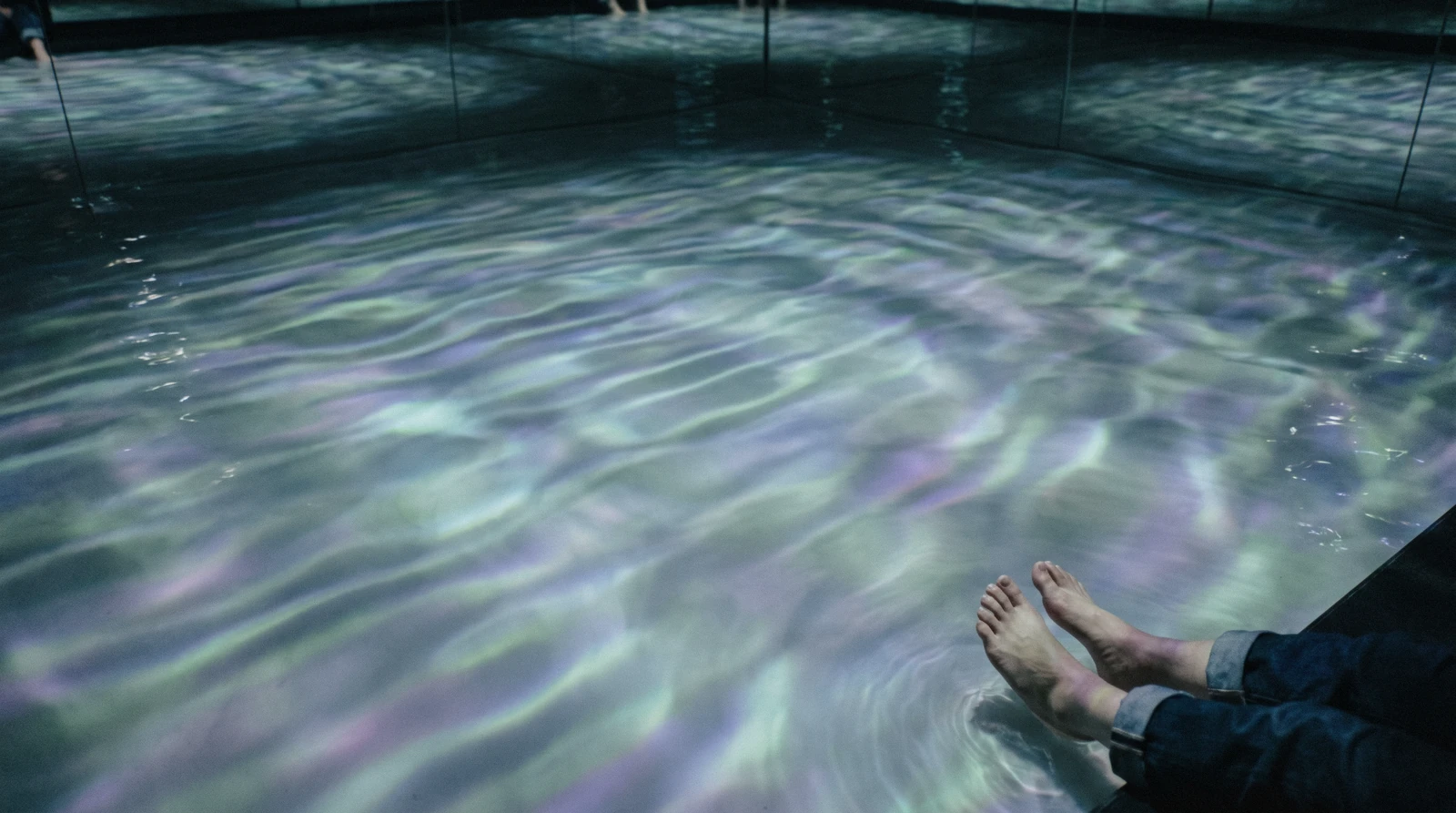
A barefoot museum where two of the rooms are knee-deep in water, on the bay side of the city, open 08:00 to 22:00 with no weekly closed day. The Entrance Pass starts at $23.30 (¥3,600) for adults 18 and over and moves with the calendar date. It is sold online only and never at the door, which makes it both the strongest Monday anchor in Tokyo and the easiest ticket to arrive without.
Allow 70 to 90 minutes inside plus fifteen for lockers and drying off, and wear something that rolls above the knee. It is a different venue and a different ticket from teamLab Borderless at Azabudai Hills. The Planets page covers what to wear, and the entry ticket is the one people book first.
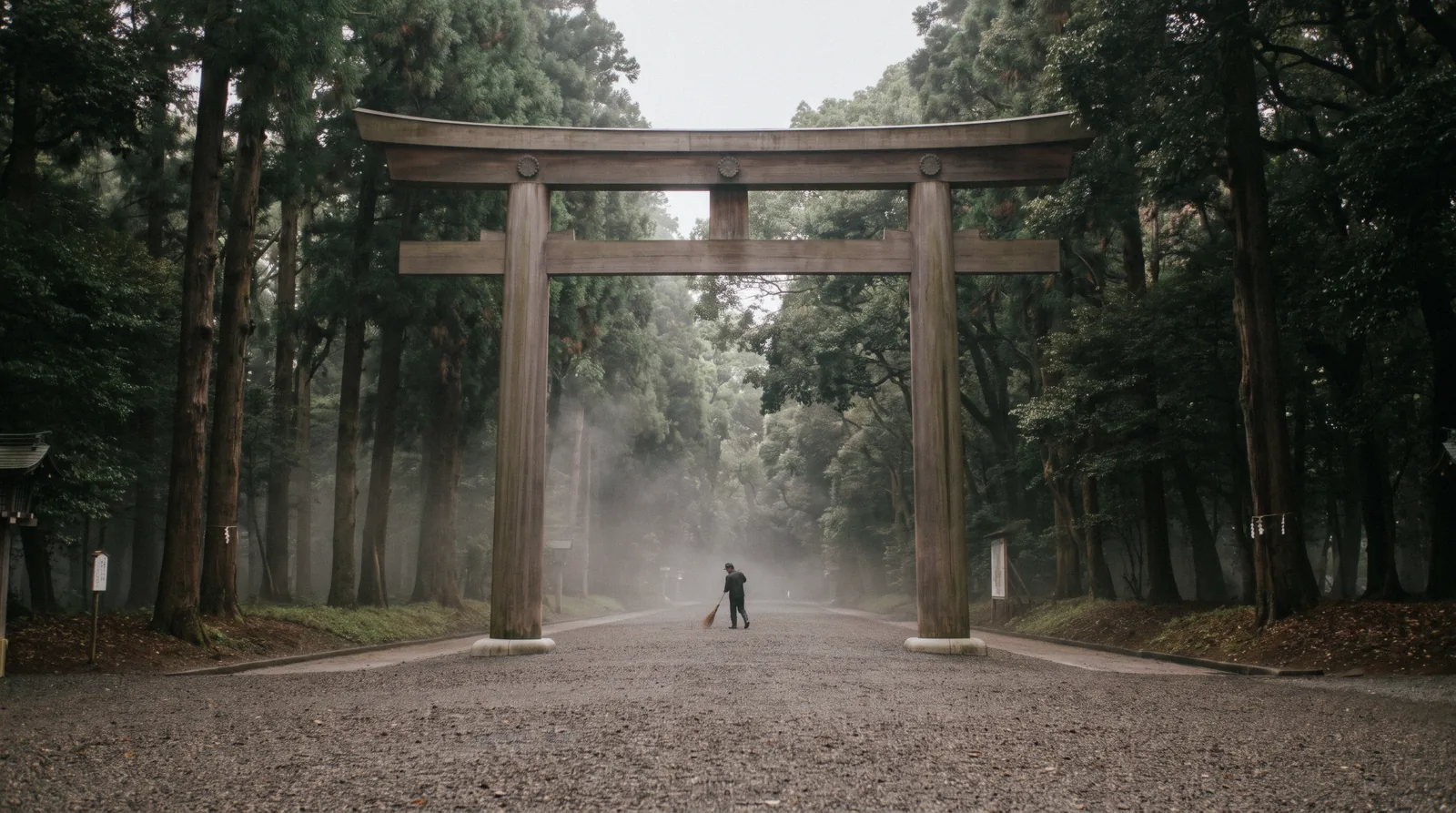
A Shinto shrine inside a planted forest of about 100,000 trees, one minute from Harajuku station and a world away from it. The grounds are free and open every day of the year, and the opening hours follow the sun rather than a timetable: 05:00 to 18:30 in June, 06:40 to 16:20 in January. The Inner Garden is $3.24 (¥500) and the museum $6.48 (¥1,000), and the museum is the one part that closes weekly, on Thursdays.
An hour covers the approach and the courtyard, two with the garden. Do not put it in the same half-day as Senso-ji: a temple and a shrine are different institutions with different manners, and running them together is how visitors end up clapping in the wrong building. The shrine page has the etiquette, and the temples and shrines index has the rest of them.
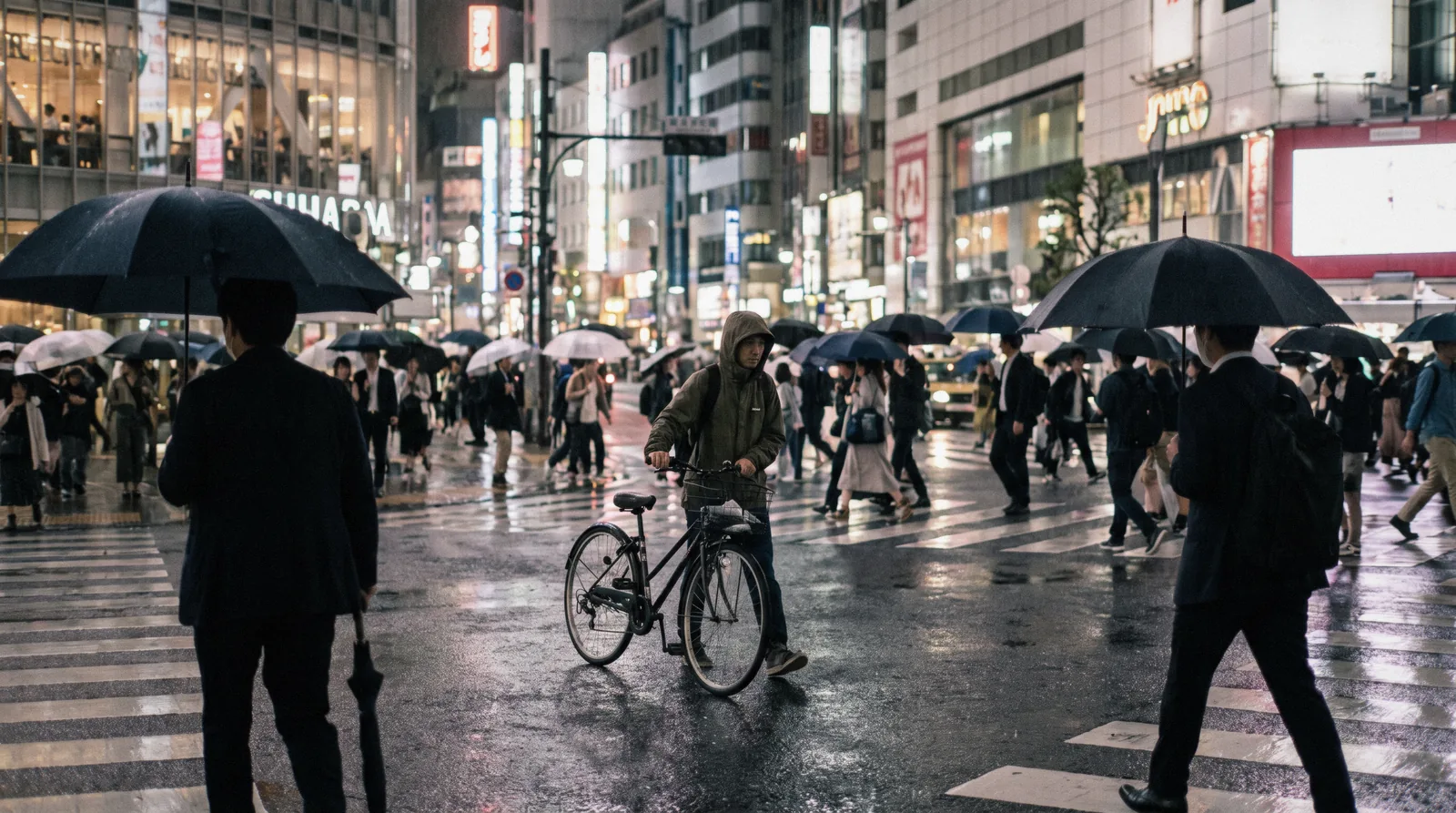
The crossing is a public street with no gate, no ticket and no closing time, and twenty minutes is enough to cross it, watch one signal cycle from a corner and photograph it. The roof above it is not free: Shibuya Sky is an open-air deck at 229 metres, $17.50 (¥2,700) online for entry up to 14:59 and $22.00 (¥3,400) from 15:00, with the 14th-floor counter charging ¥300 more than either. Last admission is 21:20 and the venue closes at 22:30.
Tokyo's own tourism site puts the usual visit at about 90 minutes. The sunset band sells out first and is the only slot worth planning a day around. The crossing page has the corners that work, and the ticket page has the price tiers.
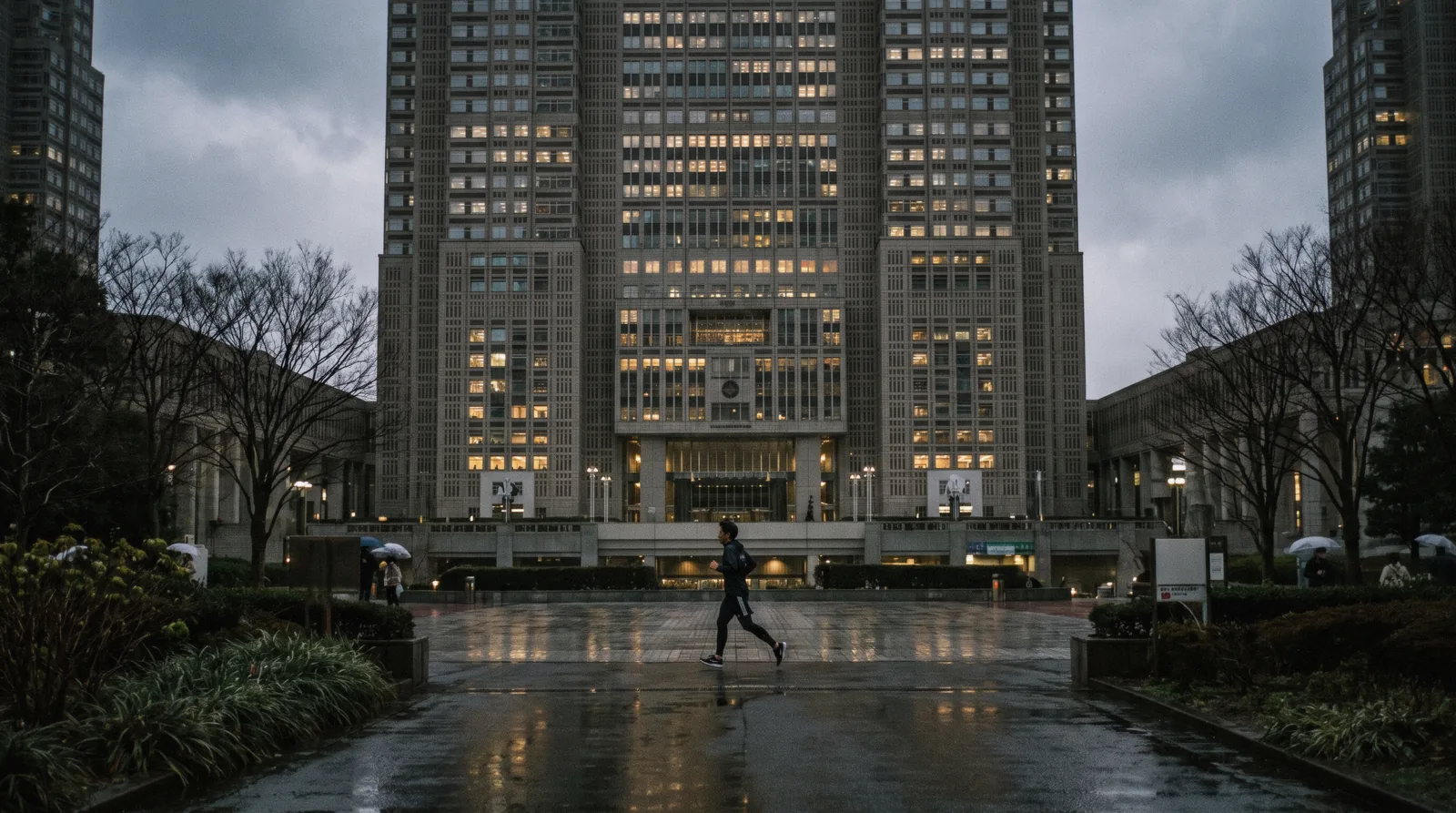
Two observatories 202 metres above Shinjuku that charge no admission, issue no ticket and take no booking. The South Observatory admits visitors 09:30 to 21:30 and clears the room at 22:00; the North closes much earlier, at 17:00 for entry. They close on different days from each other, which is the trap: South on the first and third Tuesday of the month, North on the second and fourth Monday.
Both shut 29 to 31 December and 2 and 3 January. The city's own page names December to February as the months when the air is clear enough for Mount Fuji, which lies due west. Allow 45 minutes on the deck and 20 to 30 for the queue the city itself warns about. The observatory page has both calendars.
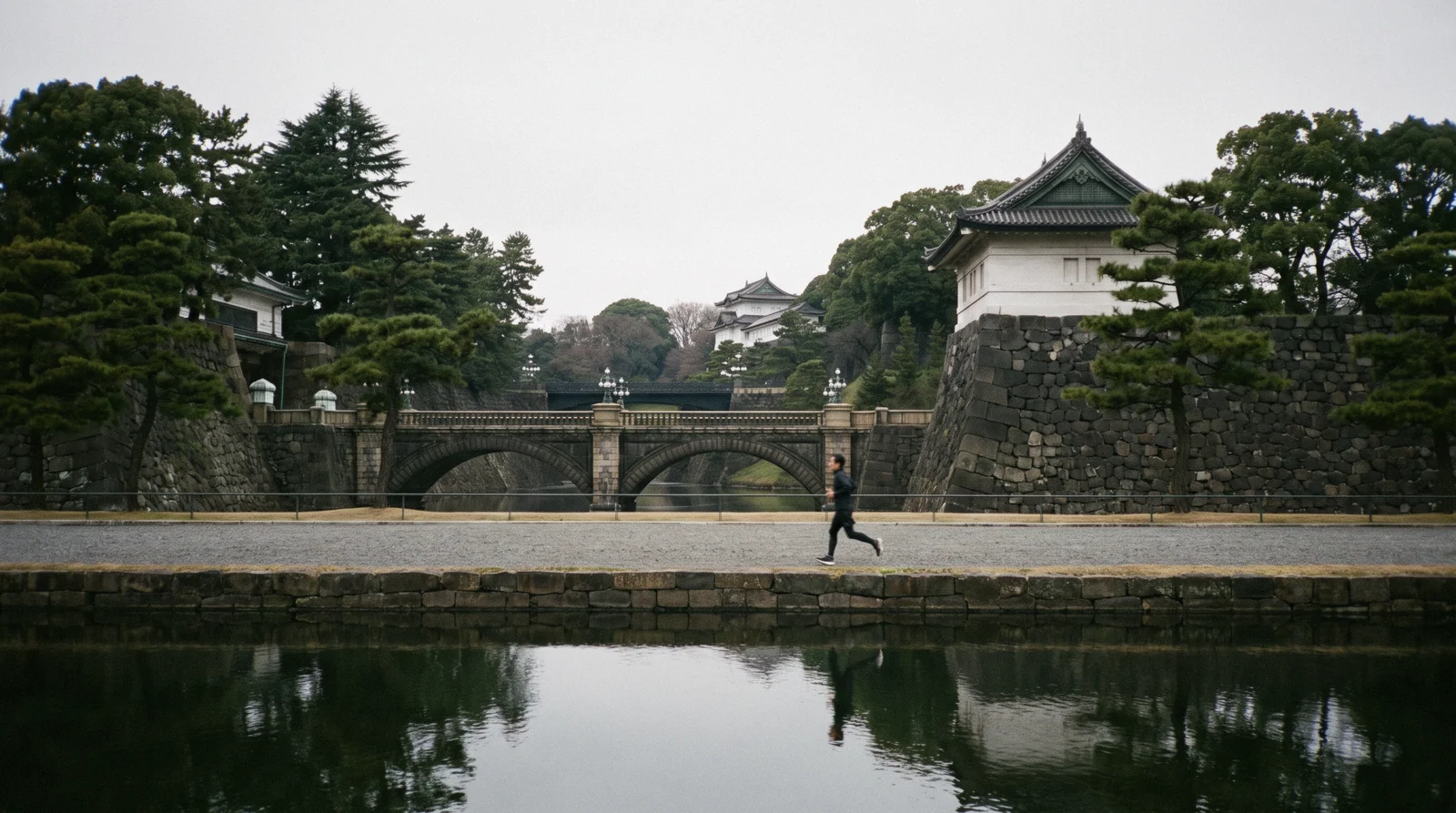
The castle grounds at the centre of the city, free, with no reservation and no ticket. The gardens open 09:00 and close between 16:00 and 18:00 depending on the season, and they close on Mondays and on Fridays, which is the closure nobody expects and the one that most often costs a visitor a morning. Public holidays other than the Emperor's Birthday stay open.
The Imperial Household Agency also runs a free guided tour of the grounds themselves on a permit and photo identification rather than a payment, and that tour does not run on Sundays, Mondays or public holidays. Ninety minutes for the gardens. The palace page explains the three gates and the permit, and a guided history walk covers the shogun's city over the same ground.
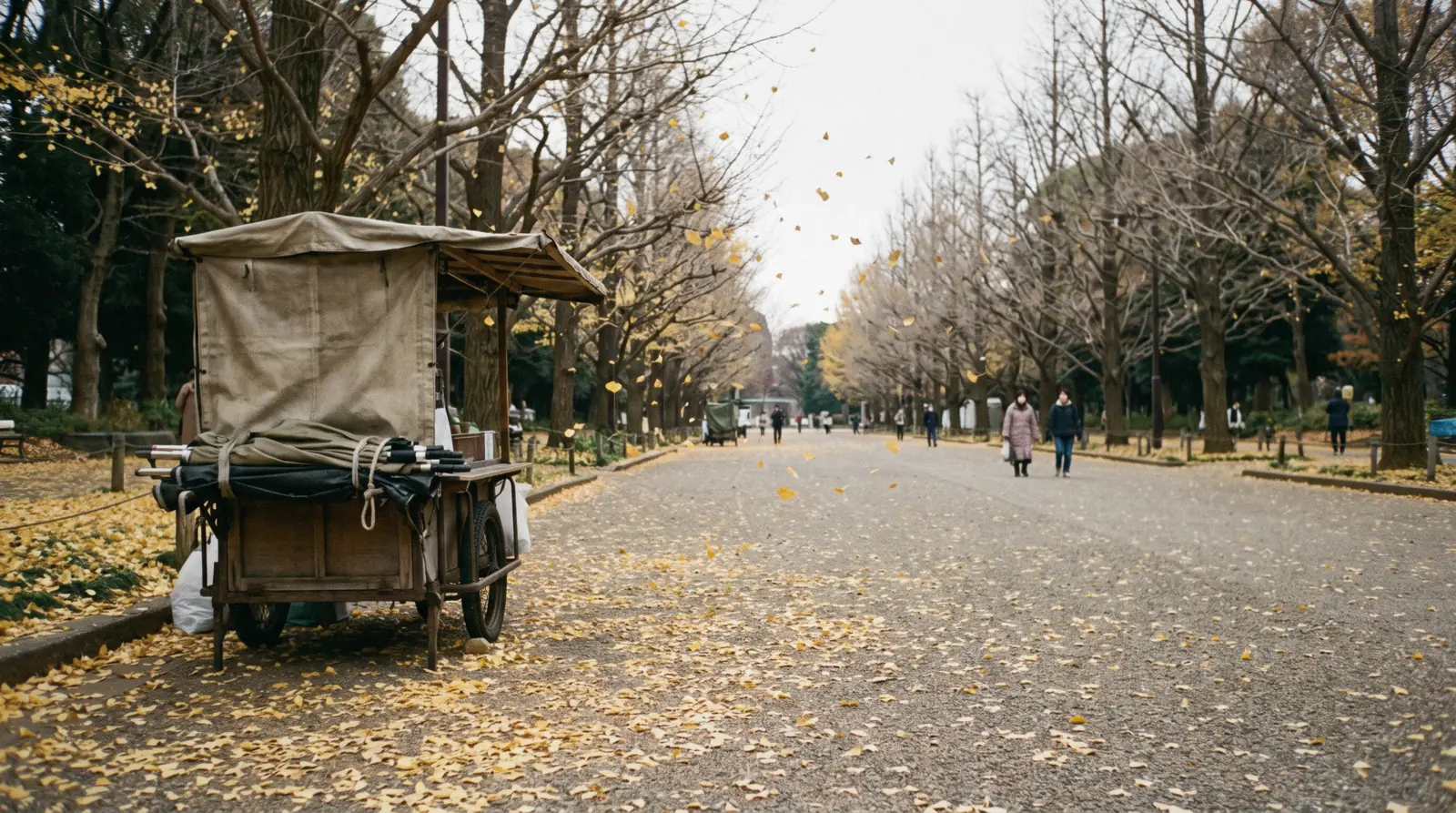
The one large park in the city with no gate and no published closing time, holding the national museum, the western art collection, a zoo and a shrine. The Tokyo National Museum charges $6.48 (¥1,000) for the collection galleries across five buildings and is free for anyone under 18 and anyone over 70; it opens 09:30 to 17:00, to 20:00 on Fridays and Saturdays, and closes on Mondays under the usual holiday-shift rule. Ueno Zoo is $3.89 (¥600) and takes the same Monday.
Ninety minutes for the museum's main building, half a day with the park, a full day with two museums. The park page has what sits inside it, and the museums index has the rest of the city's collections.
Four decks, four different products, and the decision most first visits get wrong. Prices and hours below are the operators' own, read on their ticket pages in Q3 2026; heights are the figures each operator publishes for its own viewing level, not for the structure.
| Deck | Adult price | Viewing height | What it is good for | Who should pick it | Book |
|---|---|---|---|---|---|
| Tokyo Skytree, Tembo Deck | From $11.66 (¥1,800) online, ¥500 more at the 4F counter | 350 m, with the Galleria ramp at 445 to 450 m from $19.44 (¥3,000) | The east of the city and the bends of the Sumida, with the streets still legible as streets | Anyone who wants height itself, and families who will not queue for a sunset slot | Check Availability |
| Shibuya Sky | $17.50 (¥2,700) to 14:59, $22.00 (¥3,400) from 15:00; ¥300 more at the 14F counter | 229 m, open air | Standing outside above the crossing at sunset, which is the photograph people come for | One evening, booked ahead; the sunset band goes first and the counter often has nothing left | |
| Tokyo Tower, Main Deck | $9.72 (¥1,500), no time slot | 150 m, with the Top Deck Tour at 250 m for $21.40 (¥3,300) | Close-in Minato rooftops and a late hour: entry runs to 22:30 and the deck to 23:00 | A cheap, unbooked hour after dinner, and anyone who prefers the city near rather than far | Check Availability |
| Metropolitan Government Building | Free, no ticket issued | 202 m | Shinjuku and, from December to February on the city's own reading, Mount Fuji due west | Anyone at all. It is the only one of the four with nothing to book and nothing to pay |
The two free decks close on different days from each other: the South Observatory on the first and third Tuesday of the month, the North on the second and fourth Monday, and both from 29 to 31 December and on 2 and 3 January. Skytree publishes no regular closed day and sets its closing time date by date. Full hours, weather rules and access are on the Skytree page, Shibuya Sky, Tokyo Tower and the government building observatories.
One card per sight that charges money at the door. Prices, ratings and review counts are the platform's own figures, read in Q3 2026; the venue's official price sits in the tables above and below, so you can see the margin before you click.
from $14.28
Skip-the-line admission to Tokyo Skytree's Tembo Deck, with an optional upgrade to the higher Tembo Galleria, valid for one day with a booked start time.
Check Availability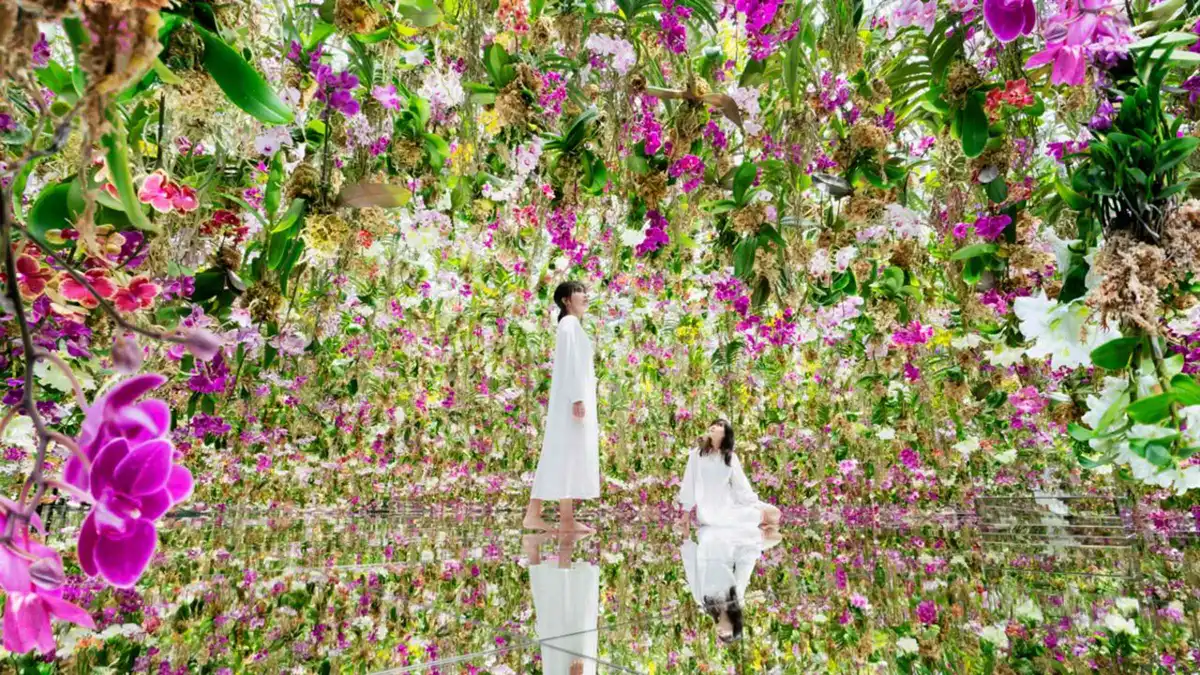 from $24.67
Entry ticket to teamLab Planets, a barefoot walk-through digital art museum in Toyosu with water rooms and mirrored floors. Self-guided, timed entry, official e-ticket emailed after booking.
Check Availability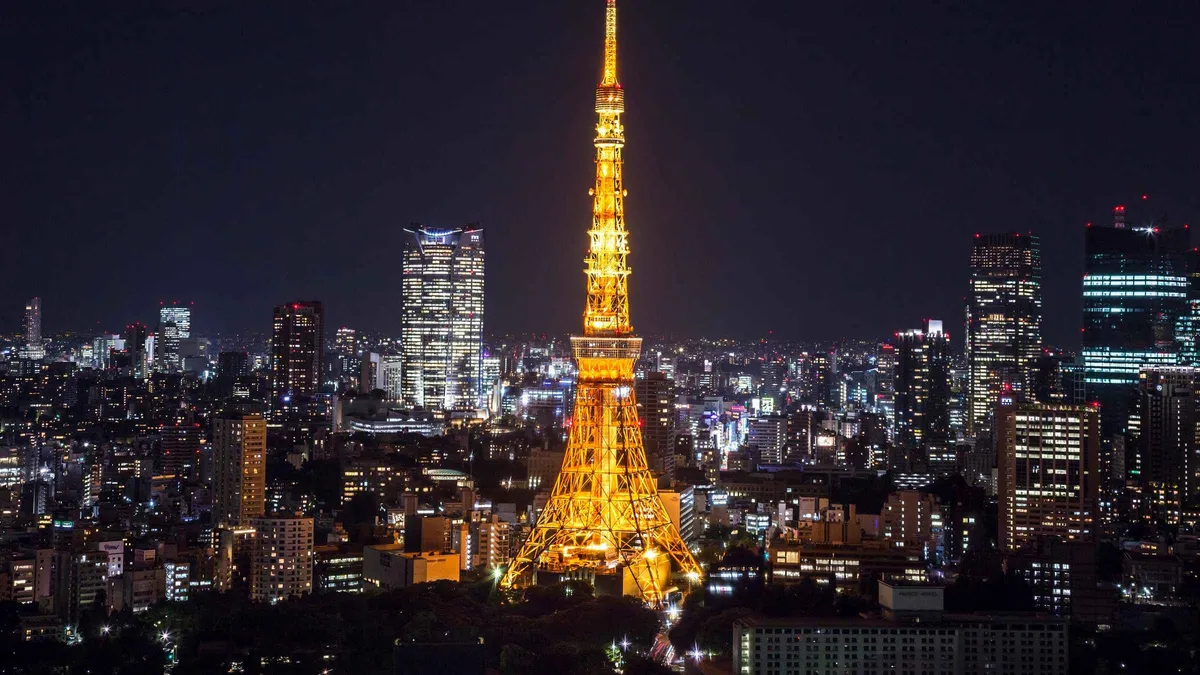 from $9.74
General admission ticket to Tokyo Tower's Main Deck, with an upgrade option for the Top Deck. Self-guided, valid one day to six months. Suits travelers who want the view without a guide.
Check Availability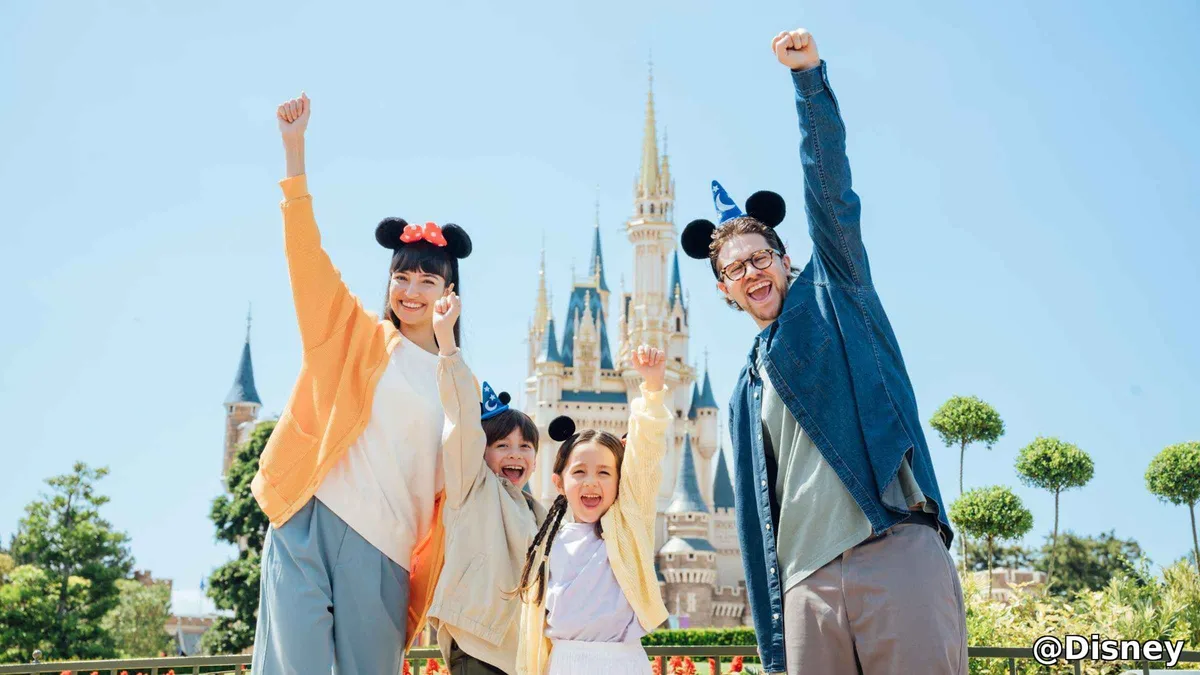 from $61.03
A pre-booked 1-day e-ticket for Tokyo Disneyland covering all seven themed lands, skip-the-line entry and same-day re-entry. Park Hopper to DisneySea is not included.
Check Availability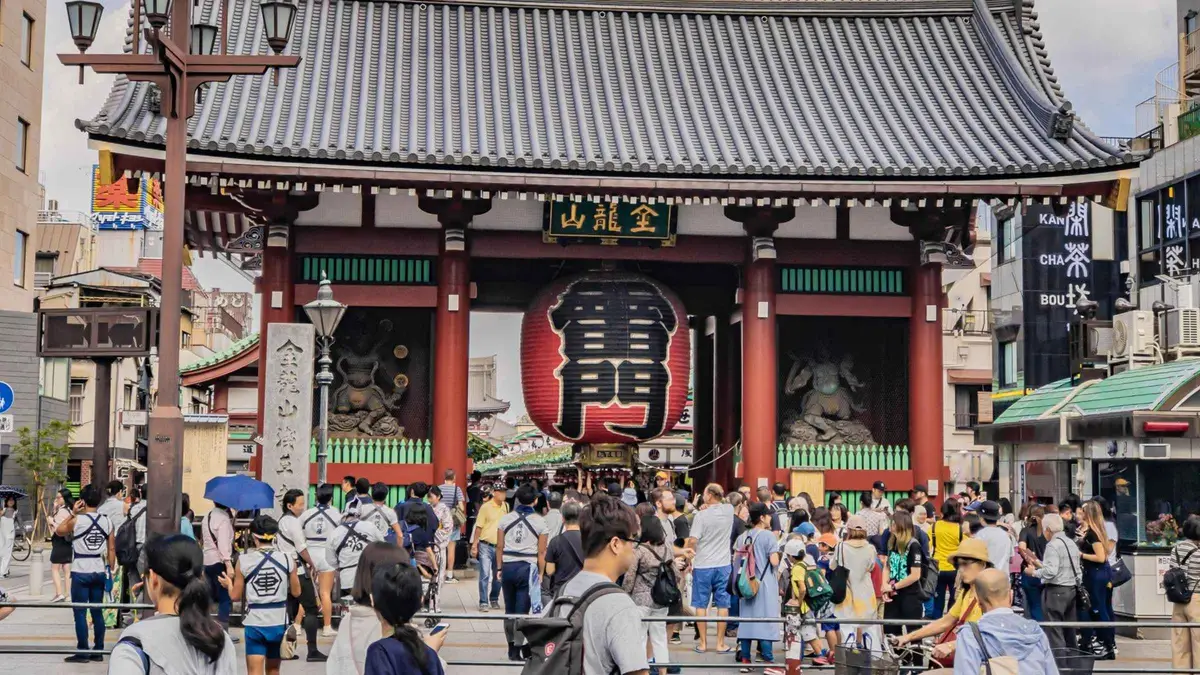 from $18.18
A two-hour guided walk through Asakusa covering Senso-ji Temple, the Thunder Gate and Nakamise Shopping Street, with historical and cultural context from a local guide.
Check AvailabilityPrices, ratings and details are the platform's own, checked in Q3 2026; dollar figures are the listed prices — the platform bills in your account's currency.
The counting rule behind this table is one district and one paid sight per half-day, because the trains between districts eat 30 to 45 minutes each time. Ticket totals are the venues' own adult prices, read in Q3 2026, and exclude fares.
| Days | What fits | Book before you fly | Leave out | Itinerary |
|---|---|---|---|---|
| 1 day | Senso-ji at 07:00, Skytree at opening, the outer market for lunch, Meiji Jingu, the crossing, a roof at sunset | A Shibuya Sky slot; the Skytree deck on a peak date | Both teamLab venues, every day trip, every museum | Tokyo in 1 day |
| 2 days | Day one as above, plus the palace gardens, Ueno and the national collection, and an evening in Shinjuku | Add a teamLab entry ticket | Day trips, Disney, the Ghibli Museum | Tokyo in 2 days |
| 3 days | Two city days at a walking pace, one day given to teamLab and the bay, or to a museum morning and Ginza | The same three, plus a Ghibli slot if the lottery month lines up | Nothing on the must-see list | Tokyo in 3 days |
| 4 to 5 days | The three-day plan plus one day out of the city and one deliberately slow day for the district you liked | Add the day-trip pass or the coach seat | A second day trip; a second observation deck | Three days plus a day out |
Under three days the city stops being a visit and becomes a transfer, and over five most people slow down rather than add sights. The order to book things in is on the planning hub; what a day of it costs is on the costs page; and if the dates are already fixed, start instead with what is open on a Monday.
Three routes built on the venues' published opening hours, each running east to west with the sun so nothing is looked at into the glare and nothing doubles back. Admission totals are the official adult prices, read in Q3 2026.
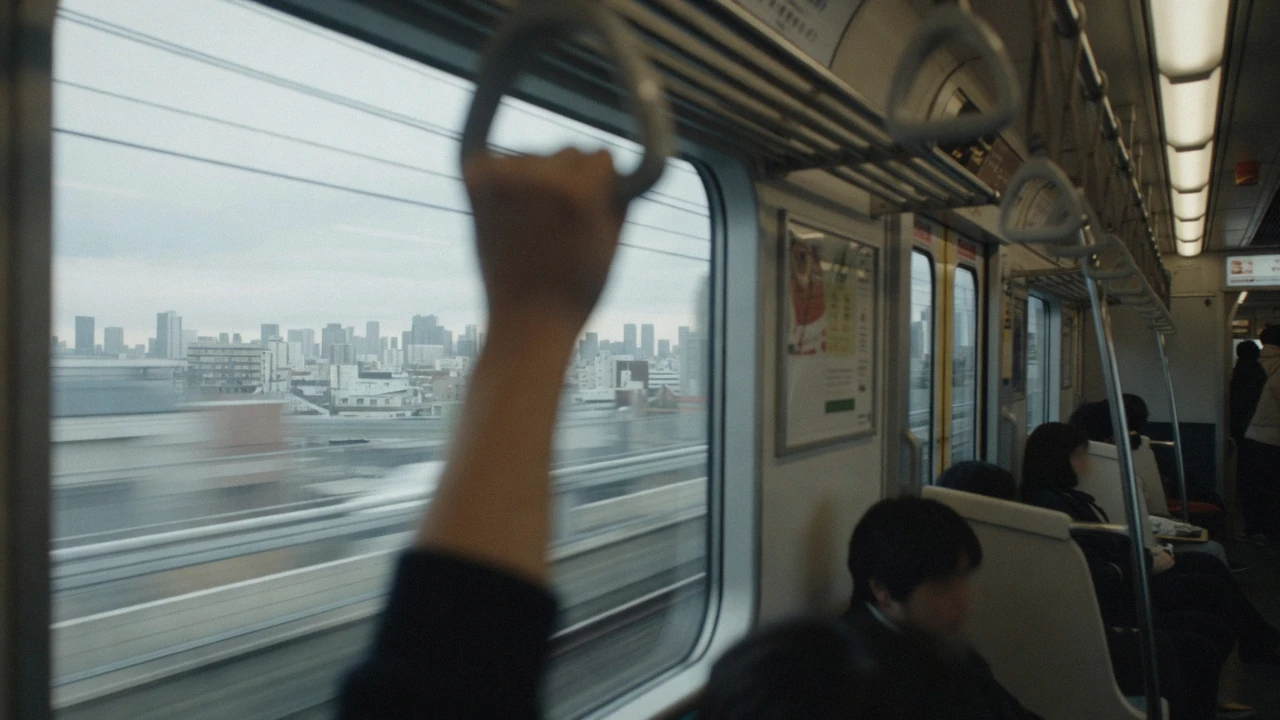
Nine stops, about six kilometres on foot, and $33.70 (¥5,200) of adult admissions plus roughly $7.13 to $8.42 (¥1,100 to ¥1,300) of train fares. It survives a Monday almost untouched and it is Sunday that breaks it, because the outer market and most of its shops are shut: the one-day route.
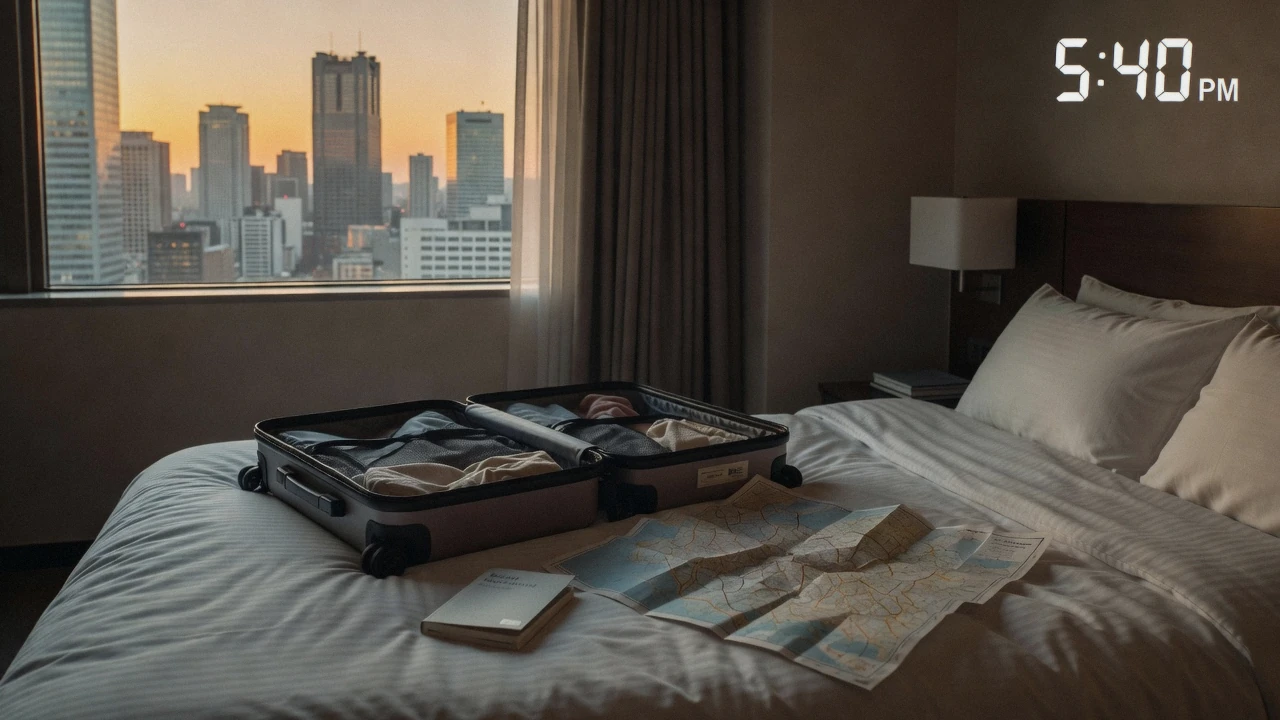
The one-day route becomes the eastern day, and the second day takes the palace gardens, Ueno and the national collection, then crosses to Shinjuku for the free deck and the evening. The second day is the one that cannot be a Monday: the two-day plan.
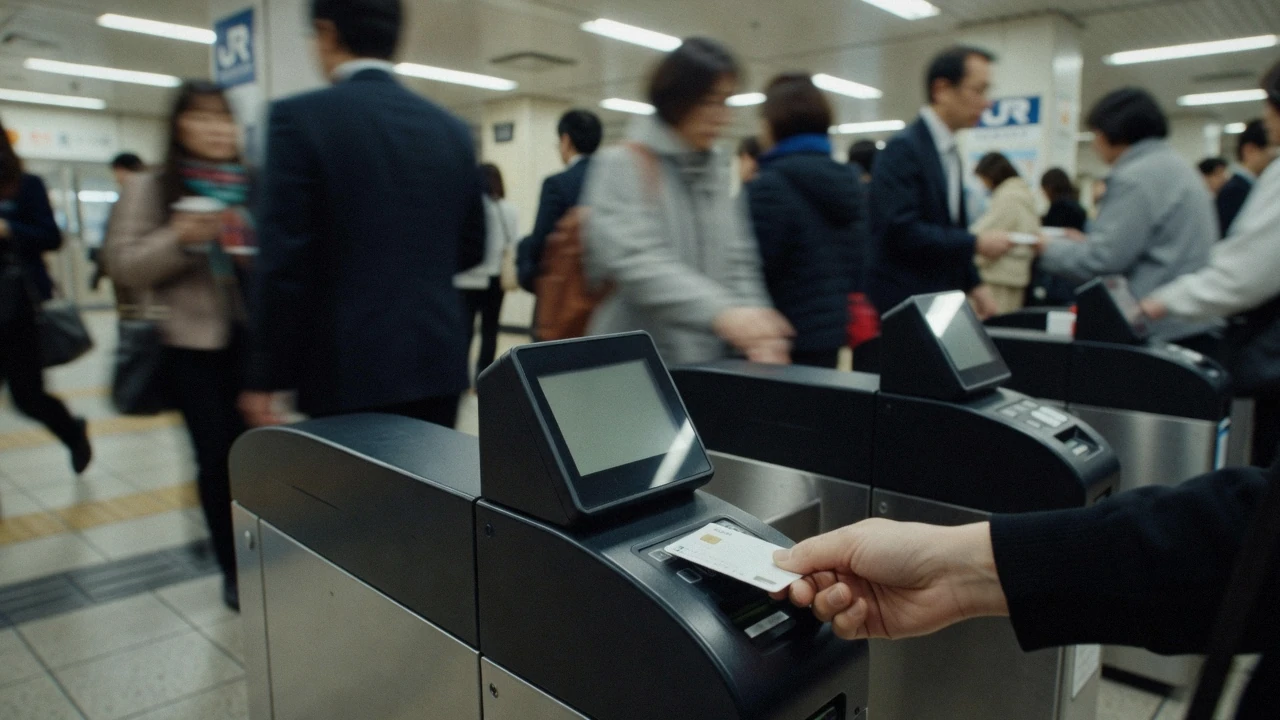
The plan most readers use: two city days at a walking pace and a third that goes either to the bay for teamLab and Odaiba, or to a museum morning and a weekend afternoon in Ginza when Chuo-dori is closed to cars. Costs, walks and the booking order are on the three-day plan.
Three habits cover almost everything a visitor needs to eat well here, and none of them involves a reservation. Japan's national tourism body still puts an inexpensive restaurant meal at 1,000 yen or less, about $6.48, and the tax on it changes with where you eat it: 10 per cent at the table, 8 per cent on the same food carried out.
At noodle counters, curry houses and cheap set-meal rooms the ordering happens at a vending machine just inside the entrance. You pay first, the machine prints a ticket, you hand it across the counter and sit down. Newer machines carry photographs and an English button, older ones carry nothing but kanji, and either way nobody expects you to speak.
Water or tea arrives free, is refilled without being asked for, and there is no cover charge in the European sense. The exception is the izakaya, the evening drinking room, where a small dish you did not order arrives with the first drink and is charged for.
Independent kitchens work a lunch service from about 11:00 to 14:00 and a dinner service from about 17:30 to 22:00, and many pull the shutter down completely in between. A visitor who leaves a museum at 15:30 and starts looking for a proper meal is looking at a locked door, repeatedly, in one of the great eating cities on earth. That hour is what the department-store basement is for.
Full detail, including the lunch-set arithmetic that buys you the same kitchen for a third of the evening price, is on where to eat in Tokyo.
A depachika is one or two basement floors of a department store given over to counters: grilled eel, tempura, croquettes, salads by weight, sushi packed to travel, pickles, tea. Nothing needs a reservation, every price is printed, and it is open when the independent kitchens are shut. Prepared food is dated to the hour it was made, so counters that cannot sell it tomorrow start marking it down as closing time approaches, with stickers at 20, 30 and eventually 50 per cent off.
No store publishes the hour that starts, which is why it is worth walking down there late rather than planning around it.
Standing noodle counters, ticket-machine curry, conveyor sushi, ramen of every rank, the basements, izakaya on a weeknight and almost every kitchen at lunch: all walk-in, and that is a very large part of the city's best eating. What does not is the counter that seats eight to twelve people and serves two sittings a night, takes bookings by telephone in Japanese and is full four weeks out. A guided food walk through Shibuya's back streets is the shortcut into three of those in one evening, and the morning market is the version that needs no plan at all.
The Japan National Tourism Organization's own guidance is unambiguous: tipping is not customary in bars, cafes, restaurants, taxis or hotels. Money left on a table is treated as forgotten property and staff will follow you into the street to return it. There is also no official register of allergen-safe or vegetarian restaurants in the city, and we found no such list on the metropolitan government's own visitor site, so anything a guide tells you about a particular venue's allergen handling is that writer's word rather than an authority's.
Carry your requirement written in Japanese as a sentence, and show it at the door rather than after you order.
Four fixed points in the Tokyo year move prices, crowds and opening hours enough to be worth planning around, and all four are published by the organisations that run them rather than guessed at by a blog.
Between 28 December and 3 January the ticketed city closes and the free one fills up. The national museum, the gardens and both government-building observatories shut; Senso-ji and Meiji Jingu do not, and the first shrine visit of the year is the single busiest religious event in Japan. Golden Week runs 29 April to 5 May, and it is the domestic travel week rather than the foreign one: trains, day trips and hotels go first, the city itself stays walkable.
The blossom cannot be booked at all, because Japan's meteorological agency stopped forecasting bloom dates after 2009 and now only records the opening of one reference tree; any date you read in October is a private company's model. And September is the peak of the typhoon window, which is the month a ropeway or a rooftop closes at an hour's notice. The month-by-month page has the whole year, and the events calendar has the dated ones.
| Fixed point | When | What it does to a visit | What to do about it |
|---|---|---|---|
| New Year shutdown | 28 December to 3 January | Museums, gardens and the free decks close; temples and shrines are at their busiest of the year | Plan free and outdoor days, and treat the first three days of January as a festival rather than a sightseeing week |
| Blossom season | Late March to late April, no forecast date | Shinjuku Gyoen drops its Monday closure entirely from 25 March to 24 April | Book the room, not the blossom; the garden's own calendar is the clearest official signal there is |
| Golden Week | 29 April to 5 May | Domestic travel peaks: day trips, limited expresses and hotels outside the city fill first | Keep the week for the city and move the day trips either side of it |
| Typhoon window | Peaks in September, the wettest month at 178 mm | Ropeways, rooftops and boats cancel at short notice | Hold an indoor plan-B such as teamLab Planets, which has no weather rule and no closed day |
Grand sumo returns to Ryogoku for fifteen days in January, May and September, and it is the only event in this guide that regularly sells out before the doors open. Tickets for the January 2027 Tokyo tournament go on sale on 5 December 2026, and the September 2026 tournament went with no walk-up tier published at all. A Chair Seat C is 3,500 yen on a weekday and 4,000 at the weekend, about $22.70 and $25.90, with a handling fee on top. The tournament page has the seat map and the day's rhythm.
Five failures account for most of the ruined mornings we found written up in the research for this guide, and none of them is about safety. Each one has a page here that carries the detail.
Average daily high temperature by month in Celsius, with the Fahrenheit reading underneath, computed from the Open-Meteo ERA5 reanalysis at 35.68 N, 139.77 E over 1995 to 2024. The bands under the bars come from that record and from the venues' own calendars.
August is the hottest month at an average high of 30.0°C (86°F) and an average low of 23.9°C (75°F); October is the wettest at about 190 mm and January the driest at about 62 mm. June has the most days with measurable rain, 14.0 of them. The month-by-month reading, including what the blossom forecast actually is and what a typhoon cancels, is on the best time to visit.
Thirty-year averages for the city centre from the Open-Meteo ERA5 archive, 1 January 1995 to 31 December 2024, computed for this guide in Q3 2026. A rainy day here means at least one millimetre of measured precipitation, which is a stricter definition than most weather pages use.
| Month | Average high | Average low | Rainfall | Days with rain |
|---|---|---|---|---|
| January | 8.5°C (47°F) | 0.1°C (32°F) | 62 mm | 6.3 |
| February | 9.5°C (49°F) | 0.9°C (34°F) | 63 mm | 7.6 |
| March | 13.0°C (55°F) | 4.3°C (40°F) | 116 mm | 11.5 |
| April | 17.5°C (64°F) | 9.3°C (49°F) | 123 mm | 11.7 |
| May | 21.9°C (71°F) | 14.4°C (58°F) | 140 mm | 12.1 |
| June | 24.8°C (77°F) | 18.4°C (65°F) | 164 mm | 14.0 |
| July | 28.6°C (83°F) | 22.6°C (73°F) | 155 mm | 13.7 |
| August | 30.0°C (86°F) | 23.9°C (75°F) | 112 mm | 11.7 |
| September | 26.5°C (80°F) | 20.5°C (69°F) | 178 mm | 13.3 |
| October | 21.1°C (70°F) | 14.5°C (58°F) | 190 mm | 12.5 |
| November | 16.0°C (61°F) | 8.6°C (47°F) | 95 mm | 9.9 |
| December | 10.9°C (52°F) | 2.9°C (37°F) | 61 mm | 7.2 |
Read the last two columns together before writing off a month: October has the highest total rainfall of the year at 190 mm but fewer wet days than June, because the rain arrives in fewer, heavier events. What each month feels like to walk in, and which festivals sit in it, is on the best time to visit and the events calendar.
Three separate railway companies run the trains a visitor uses, and they do not share a fare. That single fact explains almost every transport mistake made here. Fares below are the operators' own, read in Q3 2026.
A Suica or PASMO IC card taps you through every subway, JR and bus gate in the city without a single fare calculation, and it applies the discounts for you. The shortest Tokyo Metro or Toei ride on it is $1.15 (¥178). Tokyo Metro and Toei are different companies with different fare ladders, and a journey that crosses from one to the other has ¥70 taken off the total: that is the whole of the transfer discount, and nothing else about it needs learning.
Unregistered Suica went back on sale in 2025 and TOURIST PASMO is sold to overseas visitors, so the card shortage that sent people home empty-handed is over. Where a pass wins and where it does not is worked through on getting around Tokyo.
| Ticket | Price | Covers | Where it wins |
|---|---|---|---|
| IC card, pay as you go (Suica or PASMO) | From $1.15 (¥178) a ride | Metro, Toei, JR and city buses, with the ¥70 inter-company discount applied automatically | Almost every sightseeing day, because a day of four rides costs less than the pass |
| Tokyo Subway Ticket, 24 hours | $6.48 (¥1,000) | Tokyo Metro and Toei only, no JR at all | A day that crosses the city twice, or five to six subway rides |
| Tokyo Subway Ticket, 72 hours | $12.96 (¥2,000) | The same two networks for three days | Three subway-heavy days from a central base |
| Skyliner plus subway pass | From $20.10 (¥3,100) | The Narita express train and a 24, 48 or 72-hour subway pass together | Arriving at Narita and wanting both in one purchase |
Haneda sits inside the city: the monorail runs from all three terminals to Hamamatsucho on the loop line for $3.37 (¥520), about every five minutes, and Keikyu reaches Shinagawa in 11 to 14 minutes. Narita is about 60 kilometres out and nothing gets you in under an hour: the Keisei Skyliner takes 36 minutes to Nippori for $16.01 (¥2,470), the Narita Express is slower but runs on to Shibuya and Shinjuku without a change, and the ordinary Access Express does the same trip for $8.04 (¥1,240) in roughly twice the time. Foreign passport holders can buy the N'EX round trip for $33.70 (¥5,200), which is the biggest single saving on either airport page. Landing after the last express is the one case the timetables handle badly, and a private car that meets the flight runs at any hour.
Tokyo is not the expensive city its reputation suggests. The expensive parts of this trip are the flight and the room; the lunch is not, and the transport is close to trivial. The ladder below is built from published chain prices and the venues' own fares, read in Q3 2026.
A frugal day assembled entirely from published prices comes to roughly $16.20 (¥2,500). A normal sightseeing day with food, transport and one paid attraction runs about $38.90 (¥6,000) a person, and a generous one with two paid sights and a pass reaches about $77.80 (¥12,000). None of that includes the bed.
A standing-soba lunch is $2.92 (¥450) and a chain beef bowl $3.23 (¥498), both published by the chains themselves, which is why the food line stays small however long you stay.
| A day at this level | Food | Transport and sights | Total per person |
|---|---|---|---|
| Frugal | Standing soba or a beef bowl, a konbini breakfast, a basement dinner | IC card fares, free sights only | About $16.20 (¥2,500) |
| Normal | A lunch set, a proper dinner, coffee | Fares plus one paid sight such as Tokyo Skytree at $11.66 (¥1,800) | About $38.90 (¥6,000) |
| Generous | A counter lunch and an izakaya evening | A subway pass and two paid sights, one of them teamLab Planets at $23.30 (¥3,600) | About $77.80 (¥12,000) |
The lodging tax is charged per person per night at the desk, above a nightly rate threshold, and the whole structure changes to a flat 3 per cent from 1 April 2027. Tax-free shopping changes sooner: from 1 November 2026 you pay the consumption tax at the till and reclaim it at customs on departure, rather than being exempted in the shop. Neither is large enough to change where you go, and both are large enough to be worth knowing before you sign a hotel bill. The costs page has the full ladder and both rule changes, itemised.
The rule that governs closed days in Tokyo is ownership, not tradition. State and metropolitan institutions close on Monday; religious sites, public streets, parks and commercially run attractions do not. Every closure below is from the venue's own calendar, read in Q3 2026.
On a Monday the Tokyo National Museum, Ueno Zoo, Shinjuku Gyoen, the Imperial Palace East Gardens and the north observatory at the Metropolitan Government Building are shut. Senso-ji, Meiji Jingu, Ueno Park itself, Shibuya Crossing, the Skytree, Tokyo Tower, Shibuya Sky, the south observatory, both teamLab venues, Tsukiji Outer Market and Tokyo Disney Resort are open, which is more than enough for a full day. When the Monday is a national holiday the whole thing inverts and the museums close the Tuesday instead.
The two closures nobody expects are the East Gardens on Fridays and the south observatory on the first and third Tuesday of the month. What is open on a Monday puts twenty-two places into one table with their own published hours.
From 28 December to 3 January the ticketed city shuts: the national museum, the gardens and both free decks. The Ghibli Museum closes from 27 December 2026 to 2 January 2027 and also for a fortnight from 4 to 18 November 2026, which is a maintenance closure rather than a holiday and catches people who booked the lottery blind. Senso-ji and Meiji Jingu stay open throughout, and are at their busiest of the year on the first three days of January.
If your dates fall in either window, build the days around the free layer and check the events calendar before booking anything with a date on it.
Five operator-run days out, with the platform's own price, rating and review count read in Q3 2026. Where a regional pass does the same job for less, the day trips index says so and prints the pass price beside the coach price.
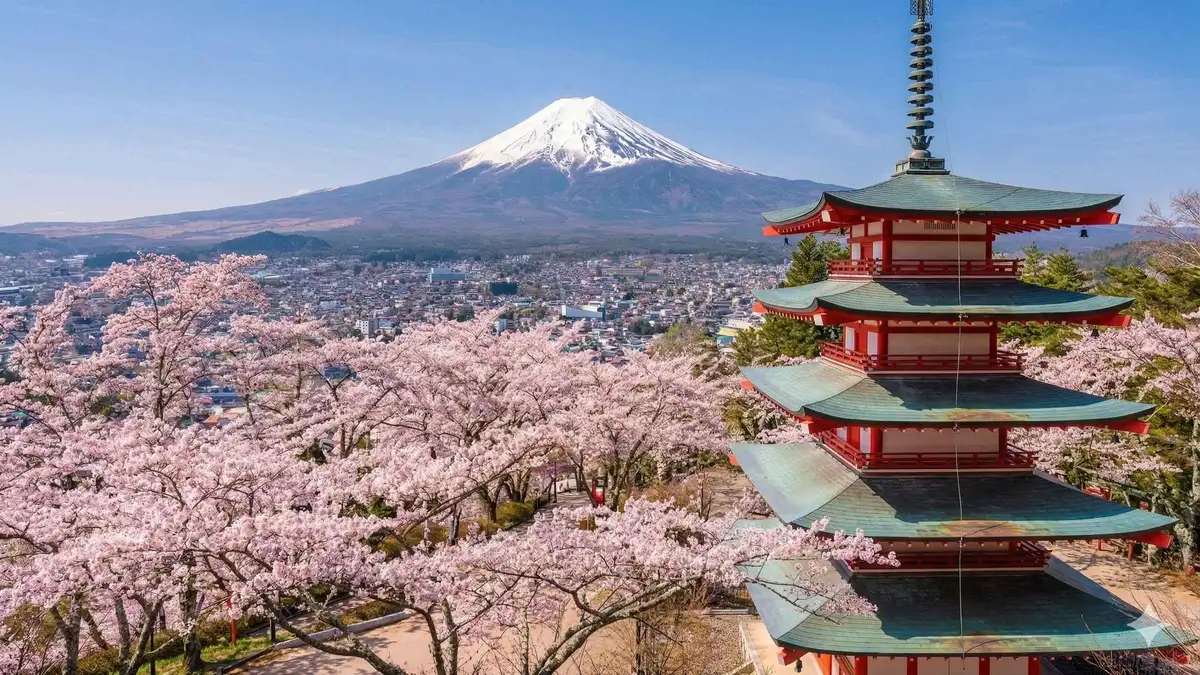 from $64
A 10-hour coach day trip from Tokyo to Mount Fuji's 5th Station, Lake Kawaguchi's Oishi Park, Chureito Pagoda and Oshino Hakkai's spring-fed ponds, with entry fees and a multilingual guide included.
Check Availability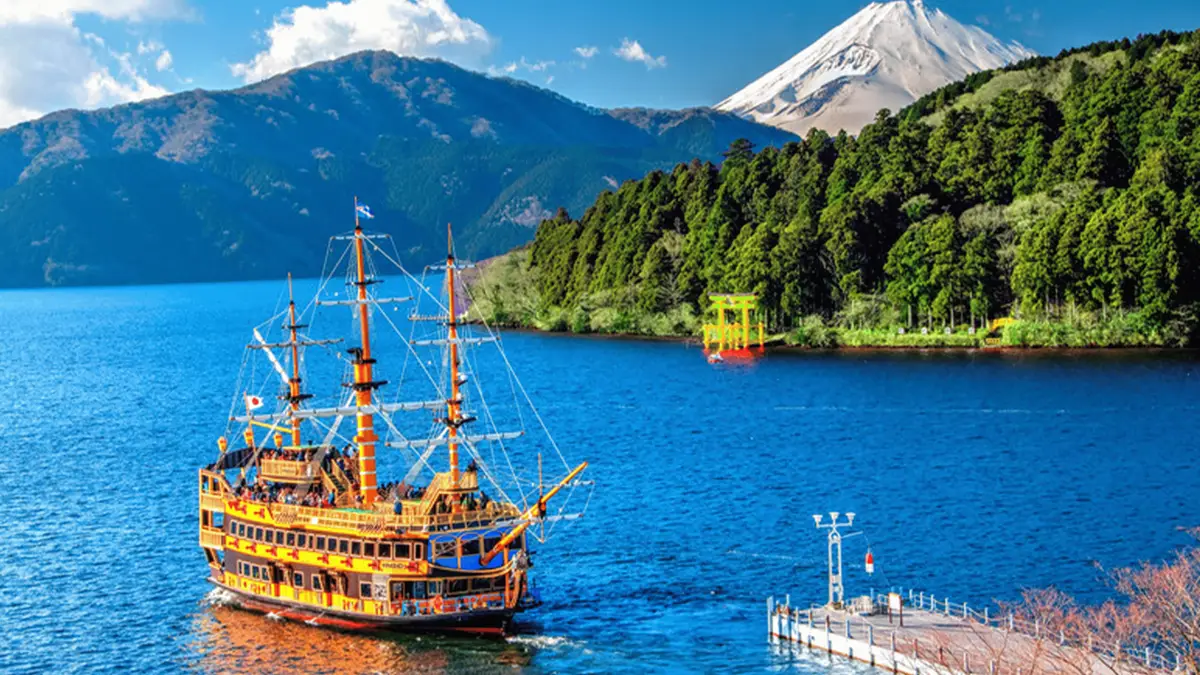 from $56.10
A 10-hour bus day trip from Tokyo pairing Hakone Shrine's lakeside torii gate with the Hakone Ropeway over Owakudani's volcanic valley and views toward Mount Fuji, with a multilingual guide.
Check Availability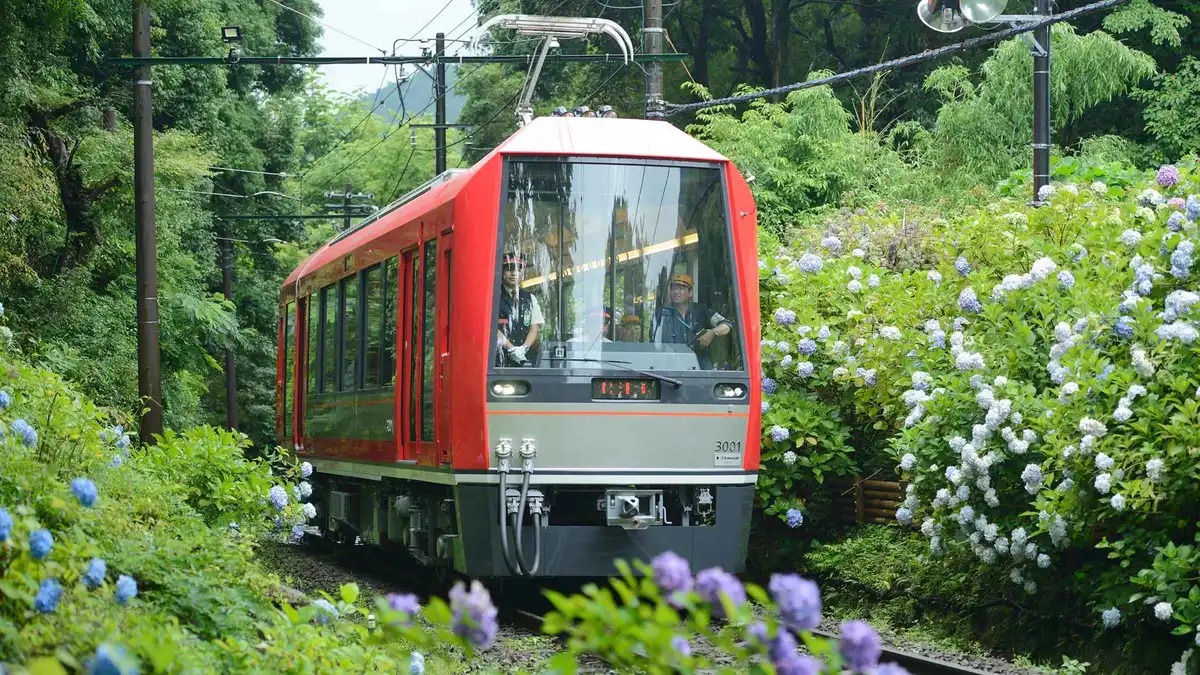 from $46.10
A self-guided 2 or 3 day transit pass covering the round trip from Shinjuku plus unlimited rides on Hakone's trains, cable car, ropeway and sightseeing cruise, with discounts at 70-plus local attractions.
Check Availability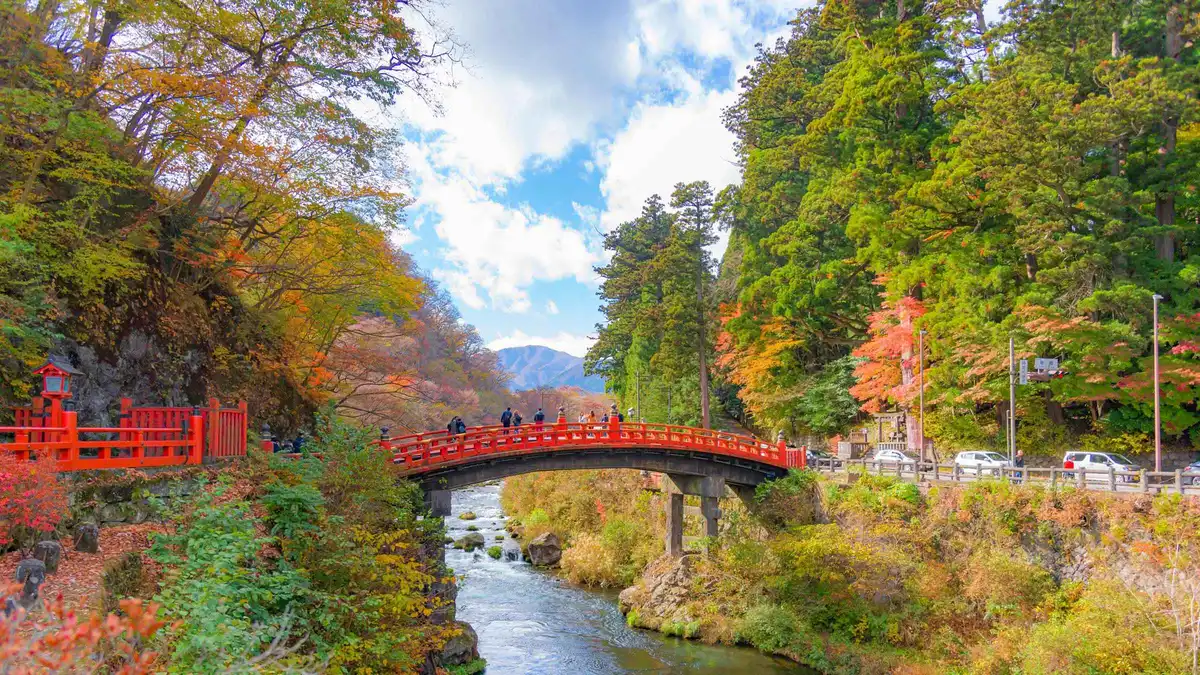 from $78.48
A day trip from Tokyo to Nikko's Toshogu Shrine, Kegon Falls and Lake Chuzenji, covering the region's UNESCO shrine and waterfall scenery for travelers short on time.
Check Availability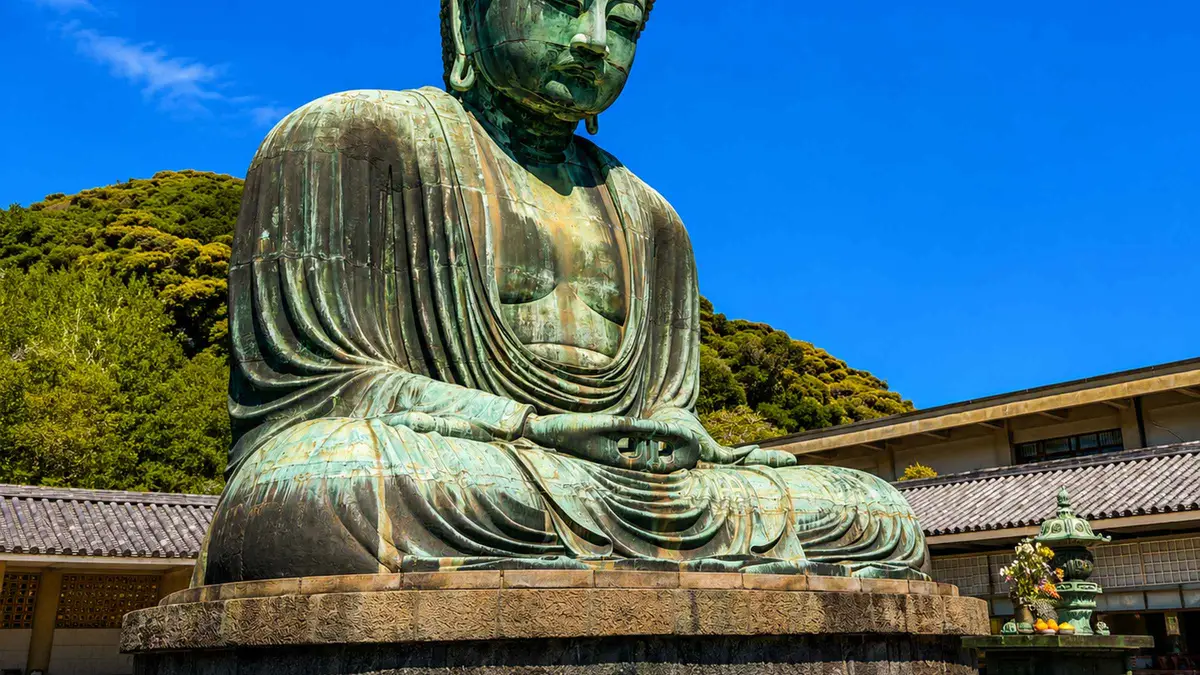 from $51.94
A 9-hour Kamakura and Enoshima day trip with temple tickets included, taking in Tsurugaoka Hachimangu, Hase-dera, the Great Buddha, Komachi Street and Enoshima, with Mount Fuji visible on clear days.
Check AvailabilityPrices, ratings and details are the platform's own, checked in Q3 2026; dollar figures are the listed prices — the platform bills in your account's currency.
The area decides how much of every day you spend on a train, so it is the first decision and the hotel is the second. Rate bands below are the middle half of listings returned for a midweek night when we queried them in Q3 2026.
For a first visit, sleep in Shinjuku: JR East, Keio, Odakyu, Tokyo Metro and Toei all meet under one roof there, almost nothing in the city is more than one change away, and the middle half of rooms ran $61 to $96 a night, which is a lower band than districts half as useful. For value with sights on the doorstep, take the Asakusa side at $47 to $116 or the Akihabara side at $38 to $86, the cheapest of the seven areas we queried. For evenings and shopping, pay the Shibuya premium and know that you are paying roughly double for the same distance from the middle.
Whichever you pick, read what the front desk adds: the accommodation tax is per person per night and changes shape in 2027. The seven areas, their rate bands and the hotels inside them are on where to stay in Tokyo, and what each district is actually like by day is on the neighbourhoods index.
Draw the Yamanote circle in your head and put your two must-do districts on it. If they sit on the same side, sleep on that side. If they sit opposite each other, sleep at a station where three or more lines meet rather than at the midpoint, because in Tokyo the change is what costs you time, not the distance.
And spend the first evening walking the district you have just moved into rather than crossing the city: an evening walk of the Shinjuku backstreets meets at the exit you will use all week.
The things visitors ask before they book anything, each answered from the page that owns it.
Yes, including alone and including as a woman, and violent street crime against visitors is not the pattern here. The risks that are real are narrow: touts in four named nightlife blocks, a bicycle ridden the way you ride one at home, and summer heat the Environment Ministry grades as dangerous above a measured index of 31. The four blocks the Foreign Office names, and the emergency numbers.
About $38.90 (¥6,000) a person for food, transport and one paid sight, before the room. A frugal day built from published chain prices is roughly $16.20 (¥2,500) and a generous one about $77.80 (¥12,000). The bed, not the lunch, is the expensive line. Three budgets, itemised, with both 2027 tax changes.
The national and metropolitan museums, Ueno Zoo, Shinjuku Gyoen, the Imperial Palace East Gardens and the north observatory at the government building. Temples, shrines, streets, parks and every commercially run attraction stay open, and when the Monday is a public holiday the museums close the Tuesday instead. Twenty-two places, with their own published hours.
One traveller with a modern handset should buy an eSIM: published rate cards start at $4.70 (¥726) for a gigabyte and reach $53.80 (¥8,305) for a fortnight of unlimited data. Two or more people travelling together should price a rented pocket router instead, from $2.85 (¥440) a day for a device that covers everybody. eSIM against pocket Wi-Fi, priced.
Usually not. An IC card at $1.15 (¥178) a short ride beats the 24-hour subway pass at $6.48 (¥1,000) unless you make five or six subway journeys in a day, and the pass covers no JR line at all, which is the network the loop runs on. The fare ladder, and where a pass does win.
Better than most. Under-6s travel free on the trains and get into a surprising number of paid sights for nothing, station toilets have changing tables as standard, and Tokyo Metro's own station search will show you a step-free route before you set off. From age 6 a child pays about half the adult rail fare, and from 12 the adult one. Free ages venue by venue, and the buggy routes.
Late October to late November is the strongest window: average highs fall from 21.1°C to 16.0°C, rainfall drops from October's 190 mm to 95 mm, and November averages 9.9 wet days against October's 12.5. Late March to mid-April is the other one, and it costs you crowds. Every month, with the blossom forecast explained.
On the evidence of what it charges, yes, and unusually so. Twelve of the twenty-one headline sights on the ranked list cost nothing at all, including the oldest temple, the great shrine, the palace gardens, both fish markets and a 202-metre observation deck. The paid ones are cheap by the standards of any comparable capital: $11.66 (¥1,800) for the Skytree deck, $6.48 (¥1,000) for the national collection. What a visit costs here is time on trains, not money at doors.
Three full days is the floor for a first visit and five is the length most people wish they had booked. One day gets you a single east-to-west line through the city and nothing else; two adds the palace gardens and a museum morning; three lets one of the days go slowly. Beyond five, most visitors slow down rather than add sights, and the extra day is better spent outside the city than in a fourth ward. The planner counts one district and one paid sight per half-day.
Four things need buying before you fly and nothing else does: the Ghibli Museum lottery, a teamLab entry ticket, a Disney date and a dated Shibuya Sky slot. Buy an IC card at the airport rather than a pass. Learn that Monday closes museums and not temples. And accept that two districts a day is the maximum, because the trains between them take 30 to 45 minutes each way. The planning hub puts those four bookings in the order they sell out.
Yes, at the level a visitor needs. Station signage, ticket machines and the big venues' own pages run in English, and the ordering at cheap counters happens at a machine rather than in conversation. Where English stops is the small counter that takes bookings by telephone, and the answer there is a guided food walk rather than a phrasebook. Carrying an allergy or dietary requirement written out in Japanese solves the one situation where guessing is genuinely risky.
For being two cities in the same place: a temple that has stood in Asakusa since long before the shogunate and a barefoot digital museum on landfill in the bay, thirty minutes apart on the same subway card. The specific things visitors come for are the crossing outside Shibuya station, the view from a tower, the food, and the fact that all of it runs to a timetable. The ranked list prices each of them.
It is the easiest to arrive in and the hardest to leave with a sense of having finished. Both international airports feed it, the transport is legible within a day, and every day trip in this guide starts from a terminus you can reach with the same card you used for the subway. If the trip includes Kyoto or Osaka as well, cut the temple and shrine list here to two and give the rest of the time to the districts, which is the thing Tokyo has and they do not.
The room and the flight as early as you like; the tickets much later than people fear. Only the Ghibli Museum is genuinely constrained, because it releases a whole month at 10:00 Japan time on the tenth through one channel. Tokyo Disney sells at 14:00 for a date two months later. Everything else in this guide can be bought a few days out, and most of it at the door. The tickets index says which is which.
Three filmed guides that cover what a written page cannot: the pace of the streets, the distance between the districts and what the inside of a station actually looks like when you are carrying a suitcase.
A route through the same headline sights this page lists, filmed in the order a first visit walks them.
Video: World Wild HeartsAn itinerary with the day-by-day spending shown, which is the useful companion to the costs ladder above.
Video: Angelica & Aileen WandersHow to structure a first trip: how long to come for, what to book, and how the rail networks fit together.
Video: Japan GuideVideos load from YouTube only when you press play.
The office, phone and email above belong to the city's own visitor service, published on the official tourism site and checked on 2026-09-09 — they are not this site's contact details. To reach us, use the contact page.