 Visit Tokyo Guide
Skytree or Shibuya Sky: Which Tokyo View to Pay For
Last reviewed 2026-09-09
Skytree or Shibuya Sky is the first paid decision most first visits to Tokyo make, and it comes down to two buildings that sell completely different things. One is a broadcasting mast in Sumida with a sealed deck at 350 metres and a spiral ramp a hundred metres above it. The other is the open roof of a shopping tower built over Shibuya station, where the drop under the glass is the point and the weather can shut it without warning. This page sets them side by side on price, height, what is in the frame from each, the sunset slot that decides both, and the rules each operator applies when the sky does not cooperate. It also gives the free answer honestly. Yen figures are the operators' own published fares, read in Q3 2026, and the dollar conversions are ours.
Quick answer The verdict, the two fares, and the free deck that undercuts both
Pay for the rooftop in Shibuya if the forecast is good and you want the city underneath your feet. Pay for the mast in Sumida if the forecast is doubtful, if you want height rather than intimacy, or if you are booking more than two weeks ahead, because that is all the rooftop sells. If you want neither the risk nor the cost, the metropolitan government's two observatories are free, sit at 202 metres and take no reservation at all.
Key takeaways
- The lower fares are close: an adult online at the rooftop deck is $17.50 (¥2,700) before 15:00 and $22.00 (¥3,400) after it, while the sealed deck at the broadcasting tower starts at $11.66 (¥1,800)
- Only one can be booked months ahead: the rooftop goes on sale exactly two weeks out at midnight Japan time, which is why the sunset window is gone within hours
- The rooftop closes in wind, rain, snow, thunder, smog or extreme heat and will cancel you free right up to the gate; the mast keeps its sealed decks open in the same weather and refunds nothing
- The free option is no consolation prize: the metropolitan government decks are 202 metres up and open to 21:30, and the cheapest paid deck is neither of these two but the lattice tower in Shiba-koen at $9.72 (¥1,500), with the admission ticket for the mast next at $11.66 (¥1,800)
What You Are Actually Choosing Between
The two buildings are not competing versions of the same experience. One is a transmitter you are allowed inside; the other is the roof of a mall built on a railway.
A broadcasting mast with two paid levels
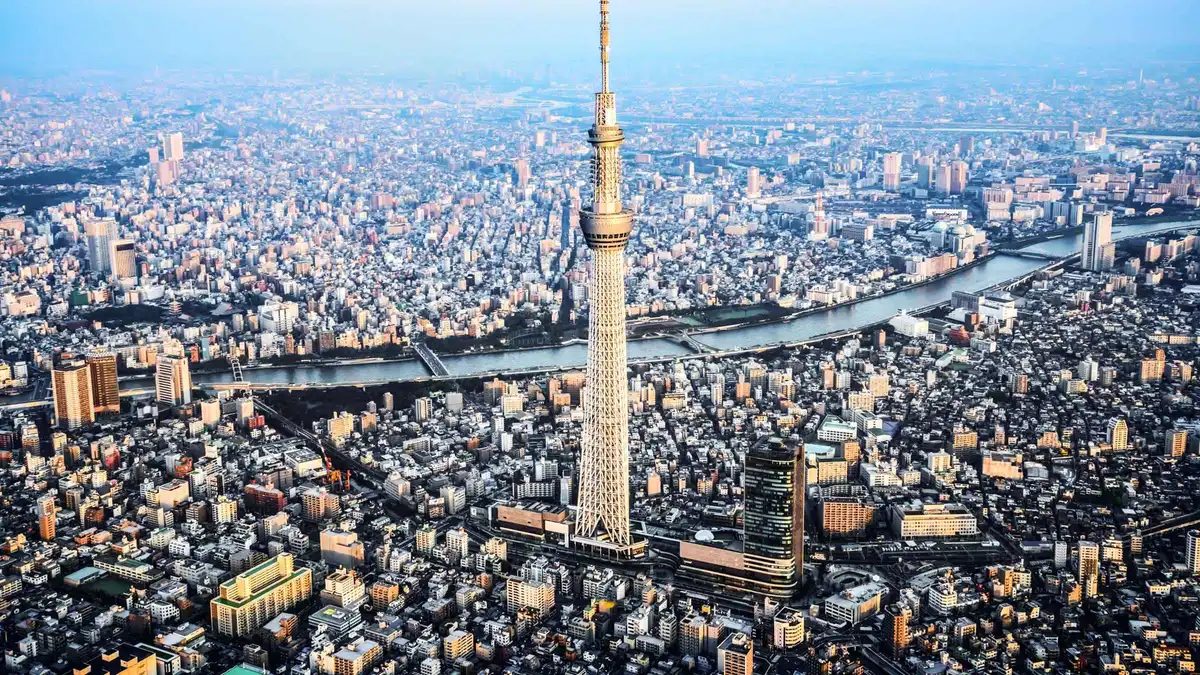
The tower in Oshiage exists to transmit television. Six Tokyo broadcasters went looking for a new transmitter in 2003 because digital signals from the older mast were being blocked by high-rises, and the design settled at 634 metres so the number would read as mu-sa-shi, the old provincial name for this part of Japan. Everything a visitor buys sits inside a structure built for something else, which is why the visit has so little slack in it: you enter on the 4th floor, ride a lift, walk two or three circular floors, and exit on the 5th into a shopping complex.
The Tembo Deck at 350 metres is three floors deep, with glass panels over five metres tall, a cafe and a glass floor panel you can stand on. The Tembo Galleria is a separate ticket: a ramp spiralling from 445 metres to a point at 450. Everything is sealed, and nothing about the visit depends on the wind.
An open roof on top of a station
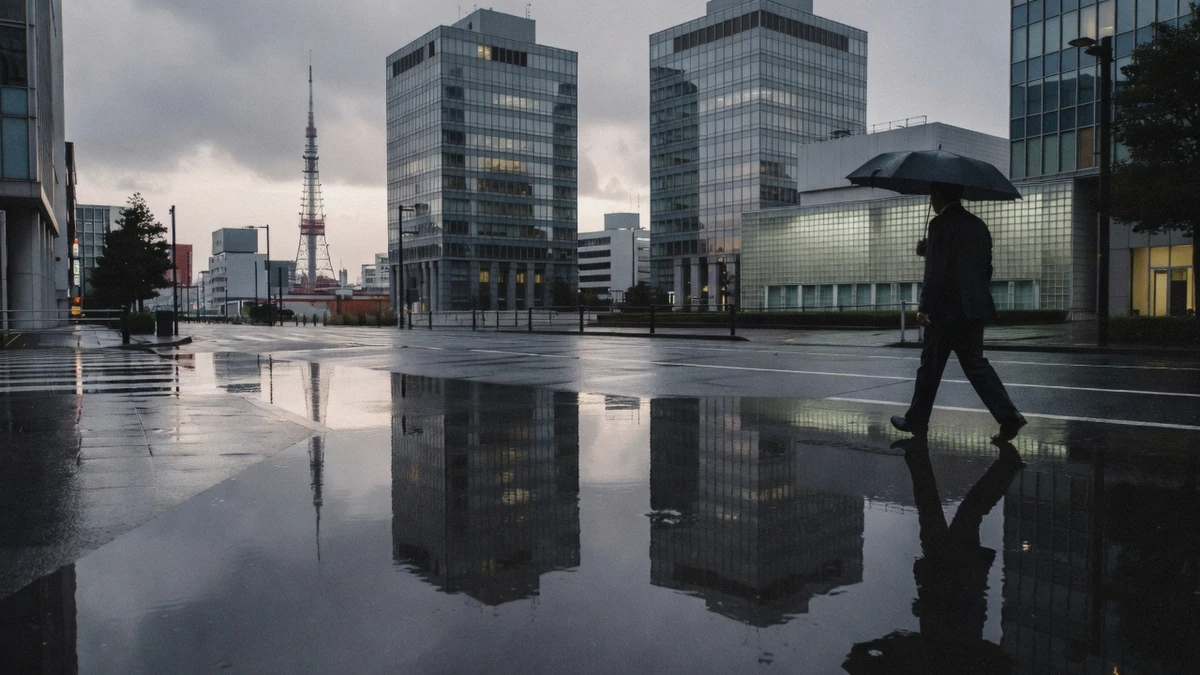
Shibuya Scramble Square runs from two floors below ground to the 45th and reaches about 229.7 metres, with 213 shops and restaurants under the observation floors. The visit begins at a ticket gate on the 14th floor and divides into three zones: the lift ride, an indoor gallery on the 46th, and the open-air roof above it.
What separates it from every other paid view in the city is what sits underneath. You are standing on the station, so the crossing is directly below and the streets radiate from the foot of the building rather than lying in the middle distance. The metropolitan government's own tourism site makes the point in fewer words: the other decks look at the city, this one looks down into it. The trade is the open air, which is exactly what the operator takes away when the weather turns.
The Two Decks, Line By Line
Every figure here comes off the two operators' own ticket and access pages, read in Q3 2026: en.tokyo-skytree.jp for the mast in Sumida and shibuya-scramble-square.com for the rooftop. The dollar conversions are ours.
| The mast in Sumida | The rooftop in Shibuya | |
|---|---|---|
| Deck height | 350 metres, plus a 445 to 450 metre ramp on a second ticket | About 229.7 metres to the roof of the building |
| Adult online | From $11.66 (¥1,800) lower level, from $19.44 (¥3,000) both levels | $17.50 (¥2,700) to 14:59, $22.00 (¥3,400) from 15:00 |
| At the counter | $3.24 (¥500) more than the online fare | $19.44 (¥3,000) and $24.00 (¥3,700) in the same two bands |
| Children | From $5.83 (¥900), junior high and younger; free at five and under | $7.78 (¥1,200) flat, counter only, on the day, child present; free at five and under |
| Hours | Standard day 10:00 to 22:00, set date by date on the operator's calendar | Daily 10:00 to 22:30, last admission 21:20 |
| Booking window | On sale from the first of the month two months ahead | Exactly two weeks ahead, at midnight Japan time |
| Open air | None, the decks are sealed | The roof, which shuts in bad weather |
The row that decides most bookings is the booking window rather than the price. A trip planned three months out can hold a slot at the mast and cannot hold one at the rooftop, and the two-week rule applies at the counter as well as online, so there is no walk-up strategy hiding behind it.
What Is Actually In The Frame From Each
Height is not the same thing as a view. At 350 metres you are looking across a city; at 229 metres over a station you are looking into one.
From the sealed deck in Sumida the city reads as a plan. The streets below are still legible as streets, the old low-rise east wards spread out underneath, and the Sumida river curves away towards the bay. The operator's own figure for what the tower sees on a clear day is close to 70 kilometres, which reaches Mount Fuji on the southwest horizon, and that number belongs to the upper ramp more than to the lower deck. What you do not get is any sense of the crowd: you are too high for people, and on the wrong side of the city for the neon most visitors have come to photograph.
From the rooftop in Shibuya you get the opposite. The crossing is directly below, close enough to watch a light cycle fill it and empty it. The corner the venue calls SKY EDGE puts the drop under your feet, there is a compass laid into the deck for finding landmarks, and after dark a light installation on the roof itself. So decide which photograph you are buying: the whole grid of Tokyo lit up to the horizon is the mast, and a person at a glass corner with the city dropping away behind them is the rooftop, which the sealed deck cannot produce because it has no open edge to stand on.
The Sunset Slot, And Why It Is The Hardest Hour To Buy
Both operators sell timed entry, both know which hour everybody wants, and only one of them has built its whole sales system around that fact.
The rooftop venue prints the day's sunset time on its own front page, and Tokyo's tourism site suggests arriving about thirty minutes before it. That puts you on the roof for the last of the daylight, the blue half hour and the first of the lights on a single ticket, which is why the windows either side of sunset sell out before the rest of the day does, and why the fare steps up from 15:00 rather than at any other hour.
The complication is the two-week rule. Tickets go on sale at midnight Japan time exactly fourteen days before the entry date, and the venue states plainly that when the adult web tickets are gone, the counter is gone with them. The only crack is other people's cancellations. Sunset itself moves a long way across the year: in early December it falls close to 16:30 and in late June it runs to about 19:00, so the hour you are fighting for is different in each season.
The mast sells the same hour with none of the scramble
The sealed deck sells the golden hour with far less drama attached. Tickets go on sale on the first of the month two months before the visit date, and the operator holds nothing back for same-day buyers: if a slot shows as full the day before, none are released on the day. What it charges for the good hour is patience rather than money.
Slots run every thirty minutes, the entry line can still take twenty minutes at a busy hour, and the operator's own call centre will not estimate the wait in advance. It also sells two time-limited variants when its events calendar carries them: a Morning View ticket from $16.20 (¥2,500) with a soft drink and a food item, and a Night Viewing ticket from $15.55 (¥2,400) with one alcoholic drink on the deck.
The Weather Rules Are Not The Same, And That Is The Real Difference
One operator sells you a lift ride whatever the sky does. The other sells you an open roof and will hand your money back rather than pretend the roof is open.
The rooftop venue closes the open deck, without notice, for strong wind, rain, snow, an approaching thundercloud, photochemical smog and extreme heat. The word it uses is closure rather than delay. When that happens you can go up to the indoor gallery on the 46th floor instead, or cancel for nothing, provided you do it before you pass the ticket gate. After you go through, no refund and no discount is given whatever the weather does next. The live status of the roof is printed on the venue's own front page, and the hour before your slot is when to look at it.
The mast takes the opposite position and states it just as clearly. It will not comment on visibility in advance, it gives no refund or partial discount for rain or cloud, and it can suspend lift service in high wind at altitude. The ticket buys a lift ride, not a horizon.
When the horizon actually appears
Clear air over Tokyo is a winter phenomenon. Cold, dry days with a northwesterly behind them are when the 70-kilometre figure means anything and when Fuji shows on the southwest horizon; the metropolitan government names December to February as the stretch when the mountain can be seen on many days from its own free decks, and publishes no percentage. Summer afternoons are humid and hazy.
So in winter take a daylight slot at the mast, where the horizon is the product, and in summer take an evening slot at either, because city lights make haze irrelevant. September is the month to watch for the rooftop, and the rest of the weather year is on the best time to visit page.
Which One, By The Kind Of Trip You Are Having
If you are booking more than two weeks before you fly
the mast, because the rooftop is not on sale yet and will not be until you are almost in the country.
If you want the photograph of the crossing from above
the rooftop, on a clear evening, half an hour before sunset. Nothing else in the city produces that frame.
If the forecast is wind, rain or a typhoon tail
the mast, whose decks are sealed and stay open. The admission ticket holds a start time and leaves the upper ramp as an upgrade you can decide on once you can see how far the air goes.
If you are travelling with a child under about six
the mast. Under-sixes go free at both, but the rooftop's child fare is counter-only on the day and its rules bar your own stroller, while the sealed deck has a glass floor panel that holds children longer than any view does.
If you want a view and want to spend nothing
the metropolitan government decks in Nishi-Shinjuku, free, 202 metres, no booking, the south side admitting until 21:30. On a Monday all of these stay open, unlike much of the city's museum stock: see what is open.
The Free Answer, Given Honestly
A comparison of two paid decks that does not mention the free one is selling something. Here is what the metropolitan government's observatories do and do not give you.
Main Building No. 1 of the Tokyo Metropolitan Government splits into two towers at the 33rd floor, which is why there are two observatories rather than one. Both sit on floor 45 at 202 metres. The south deck admits from 09:30 to 21:30 and clears the room at 22:00; the north admits from 09:30 to 17:00 and clears at 17:30, except on days the south is closed, when the north stays open to 22:00 in its place.
Admission is free, no ticket is issued, and nothing can be reserved. The city is candid about the cost of that: its own page states that visitors are lining up 20 to 30 minutes to get in, and publishes a live wait reading, blue for nought to five minutes, yellow for five to thirty and red for over thirty. The closing days are the other trap, the south deck shutting on the first and third Tuesday of each month and the north on the second and fourth Monday.
What the free room cannot do
It is one circular floor of windows, and the windows do not open. There is no open-air section, no glass floor, no ramp climbing higher, and tripods are not permitted. Fuji lies due west, which makes the north deck on a cold bright afternoon the best free version of that view, since it closes at 17:30 and the light is on the right side of the sky by then anyway.
So the honest ranking is this. Wind on your face and the crossing underneath is the rooftop, and it costs money. The height that turns buildings into a model is the mast, and it costs less. A very good window at 202 metres for nothing is the government building, one of the better entries on the free things to do list.
Ways Onto Each Deck, Compared
Five cards, each linking to the seller's own calendar where the live date grid shows which slots are still open. Ratings and review counts are the platform's own figures and the prices are the ones listed in Q3 2026.
 from $14.28
TOKYO SKYTREE® Admission ticket
Skip-the-line admission to Tokyo Skytree's Tembo Deck, with an optional upgrade to the higher Tembo Galleria, valid for one day with a booked start time.
Check Availability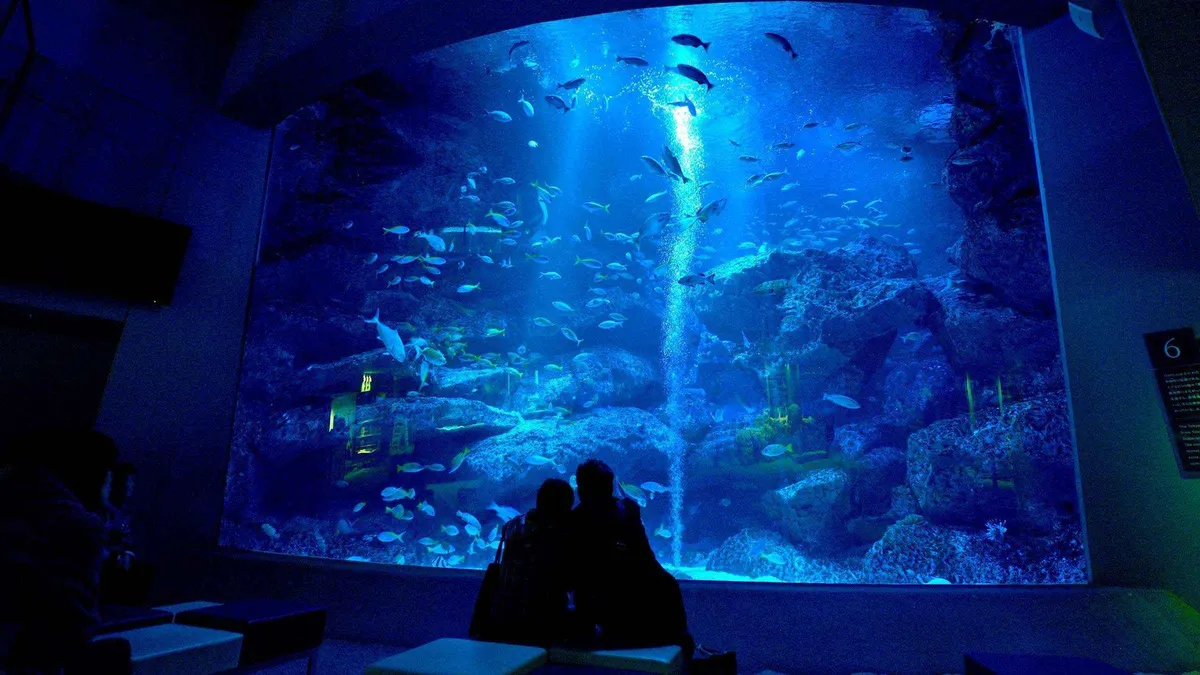 from $28.57
TOKYO SKYTREE® Admission Ticket with Sumida Aquarium Entry
A combo ticket pairing Tokyo Skytree's observation deck with next-door Sumida Aquarium, sold only in advance online, aimed at travelers wanting both stops at one discounted price.
Check Availability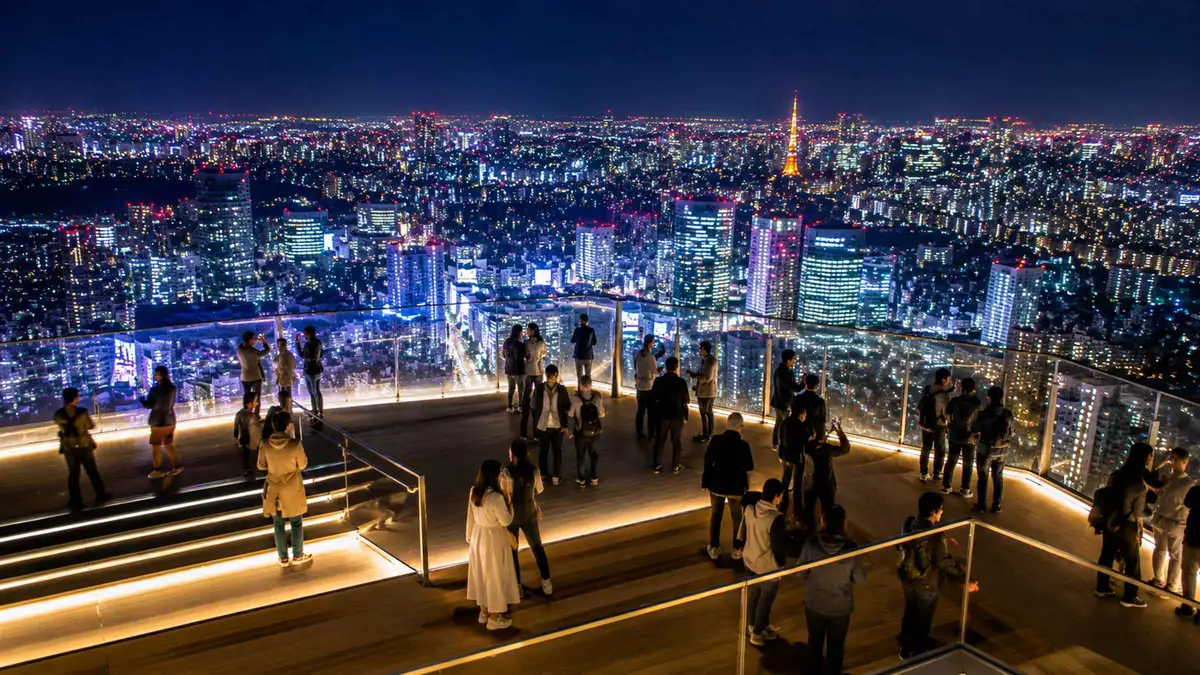 from $101.16
Tokyo: Shibuya Sky Night View, Crossing & Local Vibe Tour
Two-hour night tour combining a Shibuya Sky observation deck visit, ticket included, with a walk across Scramble Crossing and a stop in Miyashita Park's food alley. Suits a first night out in Shibuya.
Check Availability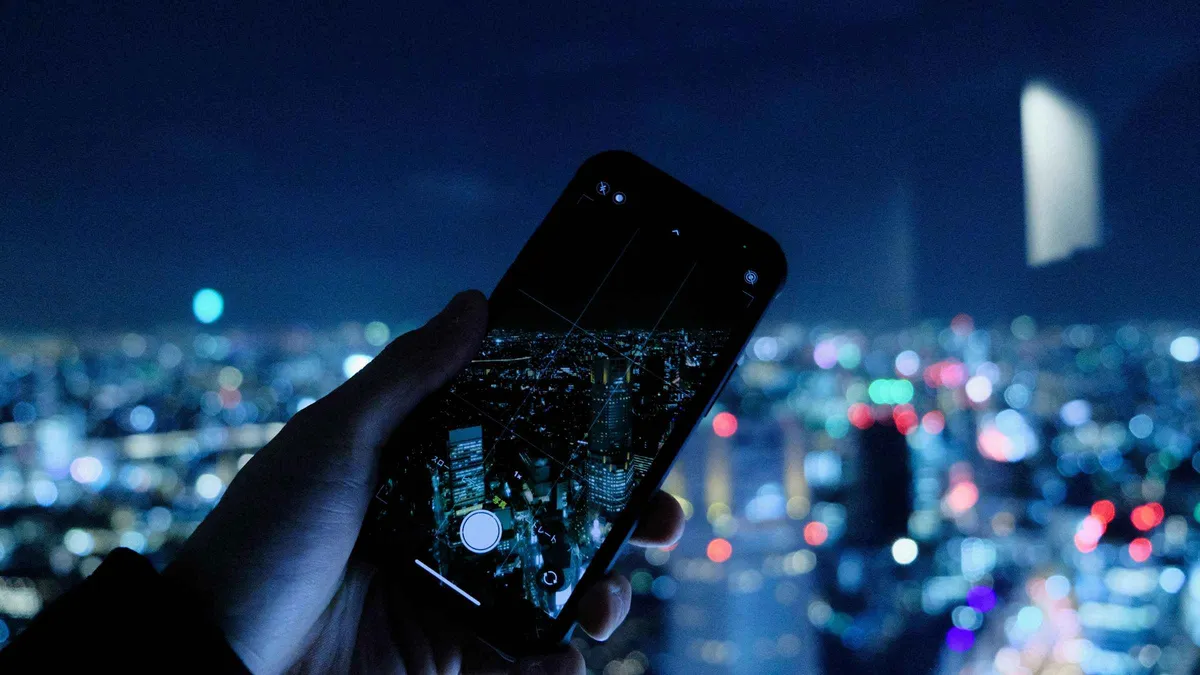 from $122.72
Tokyo: Shibuya Sky Night Views and Nightlife Adventures
Longer Shibuya Sky night walk pairing the observation deck, ticket included, with Shibuya Stream, Sakura Stage, Center Gai and the old bar alleys of Nonbei Yokocho. More neighborhood history than the shorter route.
Check Availability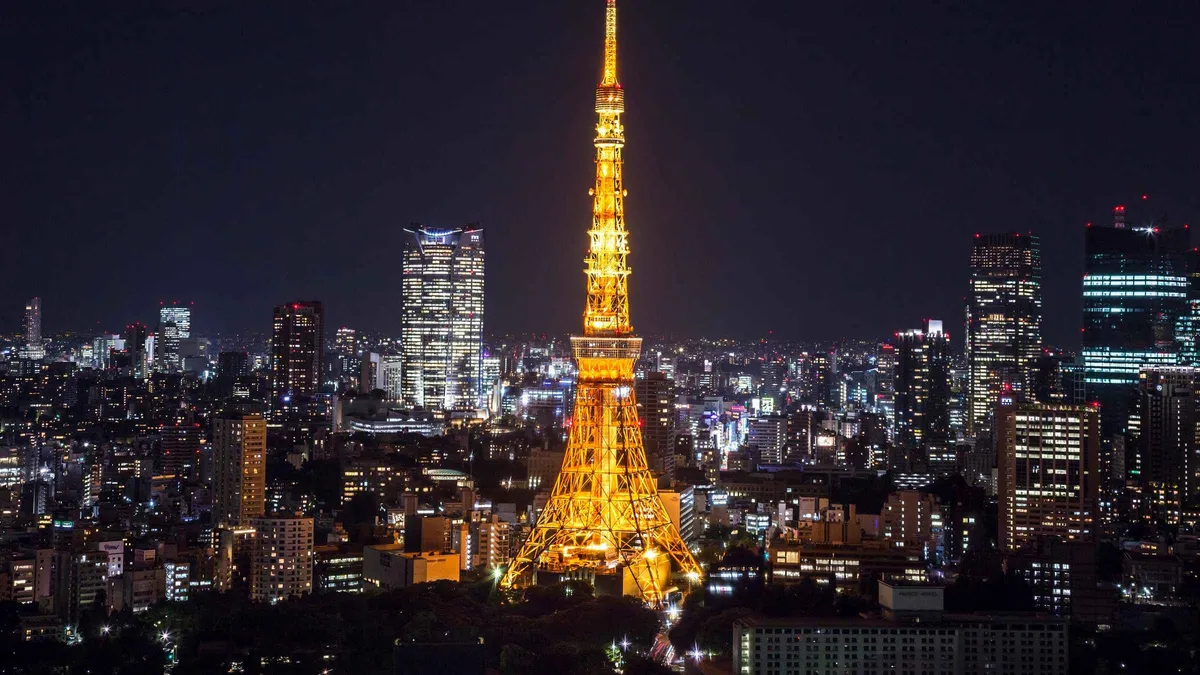 from $9.74
Tokyo Tower Admission Ticket
General admission ticket to Tokyo Tower's Main Deck, with an upgrade option for the Top Deck. Self-guided, valid one day to six months. Suits travelers who want the view without a guide.
Check AvailabilityPrices, ratings and details are the platform's own, checked in Q3 2026; dollar figures are the listed prices — the platform bills in your account's currency.
Doing Both, And The Order That Works
There is no combined ticket and the two buildings sit on opposite sides of the city, so doing both is a two-day proposition. Put the mast in a morning and the rooftop at sunset on a different day: that order uses the clearest air for the horizon view and the best light for the close one, and keeps two timed bookings out of the same half day. A 10:00 weekday slot at the mast also has a short lift queue and an exit onto the river walk to Senso-ji.
Where each sits in a fixed number of nights is worked out on the three-day itinerary.
The Questions People Actually Ask Before Booking
Which of the two paid views is better value?
The sealed deck in Sumida, on price alone: its lower level starts at $11.66 (¥1,800) against $17.50 (¥2,700) online for the roof before 15:00, and $22.00 (¥3,400) after it. On what you get for the money the answer flips for most first visits, because the roof gives you open air and the crossing underneath, which nothing else in the city sells. The admission ticket is the cheapest route onto a paid deck if the fare decides it.
Can you see Mount Fuji from either one?
On a clear day, from both, on the western and southwestern horizon. Neither operator promises it and neither publishes odds. The metropolitan government names December to February as the months when the air is cold and clear enough for the mountain to appear on many days. In summer haze, treat it as a bonus rather than a plan.
Is there a free view good enough to skip both?
Yes, with two caveats. The metropolitan government observatories are 202 metres up, cost nothing and need no booking, and the south one admits until 21:30. The caveats are the queue, which the city puts at 20 to 30 minutes, and the closing days, which differ between the towers.
How far ahead does each one sell tickets?
The mast sells from the first of the month two months before your visit date, and releases nothing extra on the day if a slot is full. The roof sells exactly two weeks ahead, at midnight Japan time, at the counter as well as online. That is why a trip booked in advance can lock in only one of the two, and the tactics for a sold-out date are on the rooftop ticket page.
What happens if it rains on the day I booked?
At the roof, the open deck closes and you choose between the indoor gallery on the 46th floor or a free cancellation, which stays available right up to the moment you pass the gate and disappears the second you do. At the mast, nothing happens: the decks are sealed, no refund is given for rain or cloud, and only high wind at altitude can suspend the lifts.
Which is better with children?
The sealed deck, for logistics rather than for the view. Under-sixes are free at both, but the roof sells its $7.78 (¥1,200) child fare only at the 14th-floor counter, only on the day and only with the child present, and your own stroller cannot go onto the roof. The mast charges from $5.83 (¥900) for junior high and younger, has a glass floor panel children stay at longer than any window, and sits above a complex with an aquarium in it, which the combined ticket covers in one purchase.
Both Views On Film, Before You Pay For One
Three walk-throughs that settle the decision faster than any description: a direct comparison of the two towers, a practical briefing from the rooftop, and the free deck filmed from the inside.
Tokyo Tower or Skytree? The Ultimate Comparison Guide!
The height argument filmed from both structures, the clearest way to judge what an extra 200 metres changes in the frame.
Video: PiQtour JapanShibuya Sky Tokyo Guide: Getting the BEST Views & Tips!
The rooftop side of the decision: where on the deck the crossing reads best, and how the entry window works at the gate.
Video: Sarb Johal - The TechPackerTokyo Observatory Best view in Japan is FREE - Tokyo Metropolitan Government Building
The free 202-metre room filmed end to end, so you can judge whether it makes either paid ticket unnecessary.
Video: Let's Go LizVideos load from YouTube only when you press play.