 Visit Tokyo Guide
Is a Tokyo Subway Pass Worth It? Do the Arithmetic First
Last reviewed 2026-09-09
Is a Tokyo subway pass worth it? Every visitor is offered one before they have taken a single ride, usually at an airport counter, usually with no idea what a ride actually costs. The operators publish the pass prices and the single fares on their own sites and never put the two together, so this Tokyo trip planning guide does it: the subway pass in its three durations against real single fares, worked through four shapes of sightseeing day, plus the JR pass that covers the loop line the subway pass ignores and the five-day regional pass most people are wrongly sold. The short version, which the rest of this page argues rather than asserts, is that most visitors are better off tapping an IC card and buying nothing. Yen figures are the operators' own published fares, read in Q3 2026; the dollar conversions and every break-even below are ours.
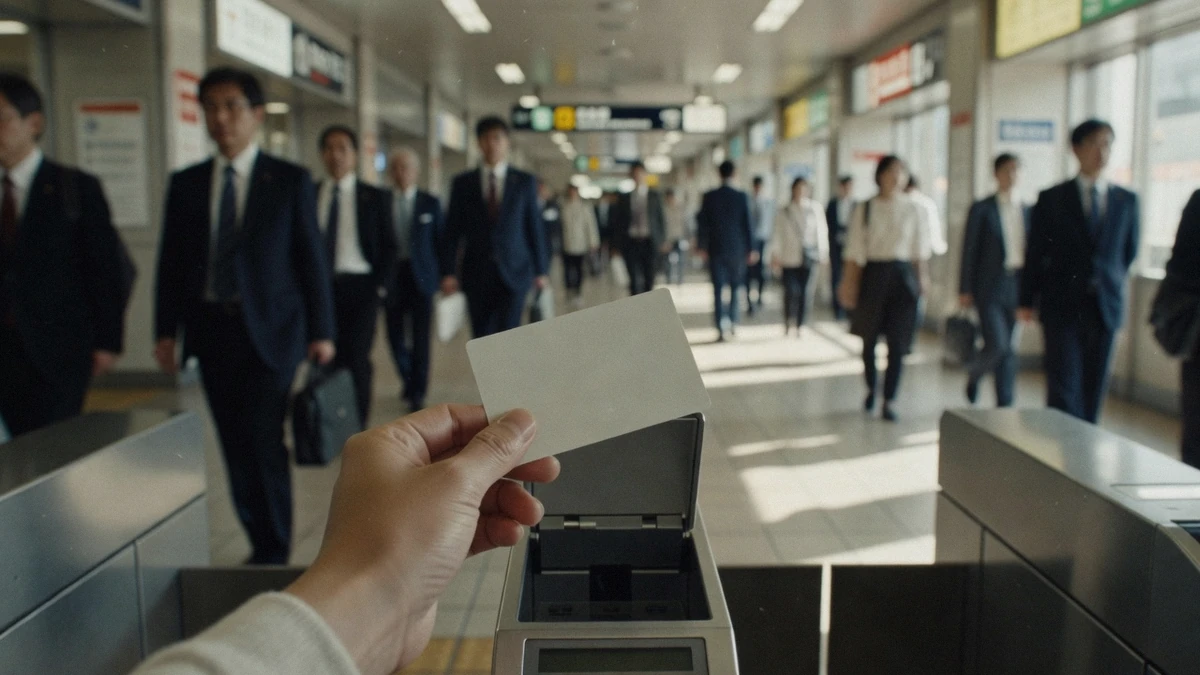
Quick answer The break-even ride counts, and the card that beats the pass
For most visitors, no. The 24-hour subway pass costs $6.48 (¥1,000) and needs five typical subway rides in one day to pay for itself, and a normal sightseeing day makes three or four. The 48-hour version at $9.72 (¥1,500) is the one that does add up, because it halves the daily cost and only needs about four rides a day. None of them covers a single JR train, which is the line most first-time visitors use most.
Key takeaways
- A short Metro or Toei ride on an IC card costs $1.15 (¥178) and a typical crosstown one $1.35 (¥209), which is the number every pass has to beat, and the full fare ladder sits on the getting around page
- The subway pass runs in clock hours from your first tap rather than to midnight, so a 15:00 start on day one buys you the following morning as well
- The Yamanote loop connecting Tokyo Station, Shinjuku, Shibuya, Harajuku and Ueno is JR and is a separate fare every single time, whatever subway pass is in your pocket
- An IC card also applies the ¥70 transfer discount between the two subway companies automatically, which a paper ticket does not, and how that lands in a daily budget is on the trip cost page
- If your first ride is from the airport, the pass and the train are often sold together, and a private transfer to the door skips the ticket machine entirely on the day you least want to read a fare board
What The Subway Pass Is, And What It Quietly Is Not
One product, two operators, three durations, and one very large exclusion that catches people out on their first afternoon.
The Tokyo Subway Ticket is a joint product of Tokyo Metro and the Toei Subway. It covers all nine Metro lines and all four Toei lines, unlimited, for 24, 48 or 72 hours, and it is sold to overseas visitors and to Japanese residents living outside Tokyo, Kanagawa, Saitama, Chiba, Ibaraki, Tochigi, Gunma and Yamanashi. It comes as a physical ticket or as a QR version that can be sent to a phone if you buy several at once.
Two details in that paragraph do most of the work. The first is that the clock starts at your first tap and runs in hours, not to midnight, so a pass first used at 15:00 covers the whole of the next morning; buying it on an arrival afternoon is therefore cheaper than it looks. The second is what is missing. There is no JR in it at all. The loop line that connects Tokyo Station, Shinjuku, Shibuya, Harajuku and Ueno belongs to JR East, and a pass holder who forgets that pays twice for the same day.
It is also not sold on the platform when you are already late. It is sold at the airports, at Metro pass offices, at tourist information counters and online in the QR form, which means the decision is made before the trip rather than during it.
Four Sightseeing Days, Priced Both Ways
Pass prices are Tokyo Metro's own and the single fares are the IC-card figures from Metro's and Toei's regular-fare pages, all read in Q3 2026. The day shapes and the totals are ours: a short hop is $1.15 (¥178), a typical crosstown ride $1.35 (¥209) and a long one $1.63 (¥252).
| The day you are actually having | Subway rides | On an IC card | Against the pass |
|---|---|---|---|
| A neighbourhood day: a temple in the morning, a park after lunch, dinner where you are staying | 3 | $3.66 (¥565) | The 24-hour pass at $6.48 (¥1,000) loses by ¥435. Buy nothing. |
| A crosstown day: three districts, an evening in a fourth, one backtrack | 5 | $6.85 (¥1,057) | The 24-hour pass wins by ¥57, which is not a saving, it is a rounding error. |
| Two busy days on the subway, four rides a day | 8 | $10.83 (¥1,672) | The 48-hour pass at $9.72 (¥1,500) wins by ¥172 and halves the daily cost. |
| Three busy days, four rides a day, every day | 12 | $16.25 (¥2,508) | The 72-hour pass at $12.96 (¥2,000) wins by ¥508. This is the clearest case of the four. |
| A JR day: the loop line between the big stations, four rides | 4 | Not published as a table by JR East | The subway pass covers none of it. The one-day JR pass at $5.64 (¥870) is the product to weigh instead. |
The last row is a real gap rather than an omission. JR East publishes its fares through an interactive search rather than a printed band table, so we do not quote a loop-line minimum here. What the company does publish is that the ordinary fare for a circuit of Tokyo, Ueno, Shinjuku and Shibuya runs to about ¥1,000, which is what makes its own ¥870 day pass a near-wash rather than a bargain.
The Three Durations, And The Ride Count That Flips Each One
The operators publish the price and not the break-even, so here it is, computed from the pass prices and the IC single fares above.
At $6.48 (¥1,000), the 24-hour pass needs six short hops, five typical rides or four long ones. At $9.72 (¥1,500) the 48-hour version needs nine, eight or six across two days, which works out at about four rides a day. At $12.96 (¥2,000) the 72-hour version needs twelve, ten or eight, which is between three and four a day. The per-day cost falls from $6.48 (¥1,000) to $4.86 (¥750) and then to $4.32 (¥667), and that curve is the whole argument.
So the 24-hour ticket is the hardest of the three to justify, and it is the one most often sold at the airport. A first day that starts in Asakusa, spends the afternoon around one temple and the evening in Shinjuku is three or four subway rides, not six, because walking between the sights inside a district is how the day actually goes. The 48-hour version asks for less per day than any real itinerary struggles to reach.
There is a fourth option for anyone who does not qualify as a visitor: a one-day ticket for Metro and Toei together at $7.13 (¥1,100), sold from ordinary machines at every station on both networks. It needs seven short hops or six typical rides, which is a high bar, and it exists mainly because the cheaper visitor pass is not available to everyone.
The JR Problem, Which Is Where Most Money Is Wasted
Two subway companies and one railway share the city, and no single day pass covers all three at a price a visitor should pay.
The Tokunai Pass, JR East's own one-day ticket for its ordinary cars inside Tokyo's 23 wards, costs $5.64 (¥870) for an adult and $2.79 (¥430) for a child aged 6 to 11, and is sold from the fare-adjustment and reserved-seat machines inside the coverage area. It is the right product for a day built around the loop line, and the company's own comparison, a circuit of Tokyo, Ueno, Shinjuku and Shibuya at about ¥1,000 in ordinary fares, is the honest version of its value: you save the price of a coffee, not the price of a meal.
The one day ticket that does cover everything is the Tokyo Combination Ticket at $11.15 (¥1,720): Metro, Toei, Toei buses, the Sakura Tram and JR inside the 23 wards. It needs a genuinely relentless day to beat singles, and most visitors who buy it are buying insurance rather than value. The Toei One-Day Pass at $4.54 (¥700) covers the four Toei lines, the buses and the tram, which is rarely the network a first-time visitor needs.
The practical consequence of all this is a rule rather than a product. If your day is mostly subway, consider the subway pass. If it is mostly loop line, consider the JR day pass. If it is a mix, which most days are, tap a card and stop optimising. All of these sit side by side, with what each covers, on the getting around page.
The five-day regional pass, and who it is really for
The Greater Tokyo Pass costs $42.10 (¥6,500) for five days and covers unlimited rides on the railways and trams of thirteen operators plus the fixed-route buses of thirty-one more, across the Kanto region and including every Metro and Toei line. That works out at about $8.42 (¥1,300) a day, which is far more than a city sightseeing day spends on transport.
It earns its price only on a stay built around private railways going out of the city rather than around the city itself, which is to say a run of day trips on the Odakyu, Tobu, Keio or Tokyu networks. Two more JR products get sold in the same conversation and are worth naming so you can rule them out: the JR Tokyo Wide Pass at $103.70 (¥16,000) for three days, which reaches out as far as the Fuji lakes and is a day-trip instrument rather than a city one, and the NONBIRI Holiday Suica Pass at $18.47 (¥2,850), a weekend and holiday product over a wider Tokyo area.
Why The Card Usually Wins
The case for an IC card has almost nothing to do with the few yen it saves per ride, and everything to do with what it removes from the day.
Suica is JR East's card and PASMO is the card of the subway and private-railway operators. They do the same job, they work on each other's networks, and either covers Metro, Toei, JR, the monorail, the private lines and city buses, as well as paying for things in convenience stores and vending machines. Sales of unregistered Suica were suspended in June 2023 during the semiconductor shortage and resumed on 1 March 2025, so the two years of visitors arriving to find no card on sale are over.
JR East sells the card in fixed face values of ¥1,000 to ¥10,000, each including a ¥500 refundable deposit, so a ¥2,000 card carries $9.72 (¥1,500) of travel on it. Top-ups are cash only at station machines and the balance caps at ¥20,000. Returning a standard card costs a ¥220 handling fee against the balance, with the ¥500 deposit refunded in full, and a JR East card has to go back to a JR East station.
Welcome Suica is the visitor version: no deposit, and it stops working 28 days after issue. That is the trade to understand before you choose, because a card with no deposit also has no deposit to give back. On Mobile Suica in a phone wallet we have to stop short: no official page confirming the current scope of support for foreign-issued credit cards was reachable for this guide, so check it in the wallet app before you land rather than at the gate.
The ¥70 that disappears at a transfer gate
There are two subways in Tokyo, and a journey that starts on one and finishes on the other passes through an orange transfer gate in the middle. On such a journey the adult fare is the sum of the two operators' fares minus ¥70, rounded up to the nearest ten yen. A ride that would be ¥180 on the Metro and ¥180 on Toei is therefore ¥290, about $1.88, and not ¥360.
An IC card applies that discount automatically at the interchange. With a paper ticket you have to buy the through fare at the machine before you start, and if you get it wrong you settle up at a fare adjustment machine at the far end. That is the real argument for the card: not the handful of yen, but the fact that it makes the two-company problem invisible. It is also why losing a paper ticket is expensive, at a ¥170 handling fee on one company's lines and ¥220 when the journey crossed to another.
So Which Should You Buy
If you are here for two or three nights and expect to cross the city daily
the 48-hour subway pass, bought on the morning you can see the day will use it, not at the airport before you know.
If your itinerary is a district a day, on foot inside each one
nothing. Tap an IC card and spend about $4 a day on transport, which is what the trip cost page budgets for.
If your days run along the loop line between the big stations
the JR day pass at $5.64 (¥870), and remember the subway pass would have covered none of those rides.
If you are taking three or more day trips on private railways
the five-day regional pass at $42.10 (¥6,500), which is the one case where it beats singles. Which excursions qualify is on the day trips page.
If you are landing tired with luggage and a hotel address
buy nothing at the counter. Get the card first and decide on day two, or take a door-to-door transfer and start the arithmetic in the morning.
If you want one attraction and the pass in a single purchase
the tower admission bundled with a 24-hour subway pass is the one combination that does the maths for you, provided you were going up the tower anyway.
The Two Places A Pass Is Worth Buying With Something Else
Three cards, each linking to the seller's own page where the live calendar shows what is available on your date. Ratings and review counts are the platform's own figures and the prices are the ones listed in Q3 2026.
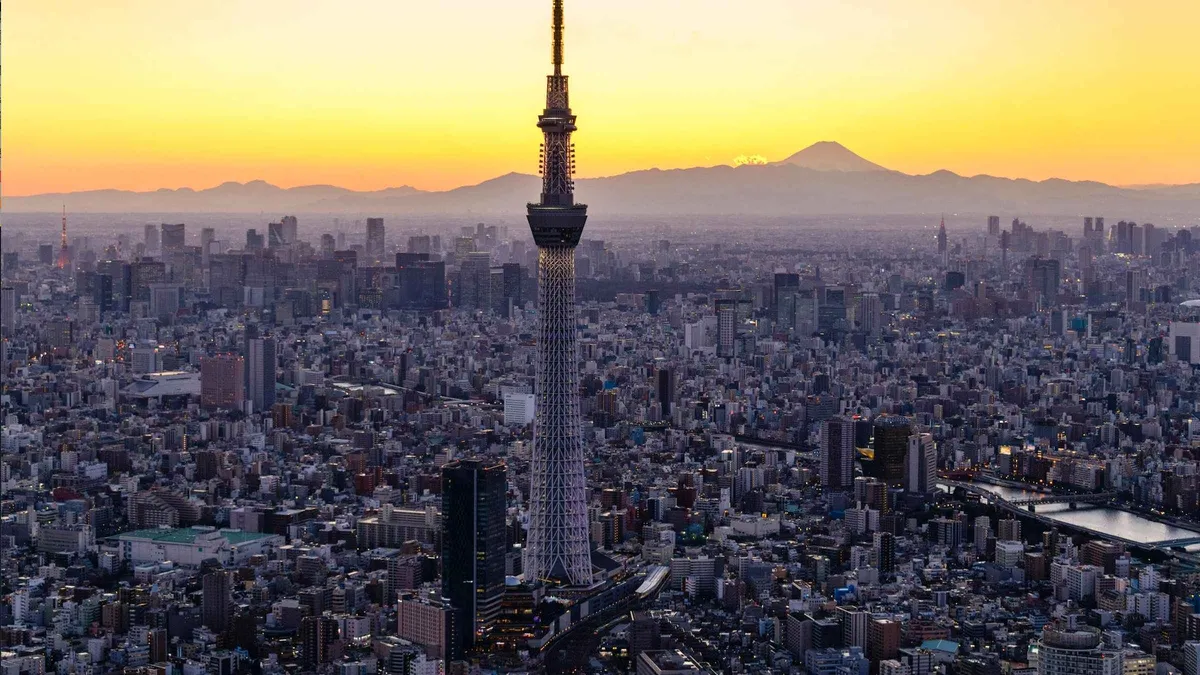 from $19.15
Tokyo Skytree: Admission Ticket with 24-Hour Subway Pass
A bundled Tokyo Skytree admission ticket and 24-hour Tokyo subway pass, non-refundable, saving on separate purchases and covering unlimited Metro and Toei Subway rides for a day.
Check Availability from $61.50
Narita Airport (NRT): Private One-Way Transfer to/from Tokyo
A private one-way transfer between Narita Airport and your Tokyo hotel, timed so you reach your accommodation or the airport with time to spare instead of navigating trains after a flight.
Check Availability from $31.62
HND Airport Private Transfer to/from Tokyo City Center
A private one-hour transfer between Haneda Airport and your Tokyo accommodation in an air-conditioned vehicle, with the driver assisting with luggage on either the arrival or departure leg.
Check AvailabilityPrices, ratings and details are the platform's own, checked in Q3 2026; dollar figures are the listed prices — the platform bills in your account's currency.
The Questions The Ticket Counter Does Not Answer
How many rides does it take before a subway pass pays for itself?
Six short hops, five typical rides or four long ones in 24 hours. Across 48 hours it is nine, eight or six, and across 72 hours twelve, ten or eight. Those are our own figures, computed from the pass prices and the IC single fares of $1.15 (¥178), $1.35 (¥209) and $1.63 (¥252); neither operator publishes a break-even of its own. The full fare ladder by distance is on the getting around page.
Does the pass cover the loop line between the main stations?
No. That line is JR East and the subway pass covers only Tokyo Metro and Toei, so every trip on it is a separate fare. This is the single most expensive misunderstanding a pass holder makes, because the loop is the line that links the stations most visitors sleep near. If your days run that way, JR East's own one-day ticket at $5.64 (¥870) is the product to compare.
Does the 24-hour ticket expire at midnight?
No. All three durations run in clock hours from your first tap, not to the end of the calendar day, so a pass first used at 15:00 on an arrival afternoon still covers the whole of the following morning. That makes the arrival day the cheapest one to start on, which is the opposite of how the passes are usually sold.
Can anyone buy the visitor subway pass?
Not quite. It is sold to overseas visitors and to Japanese residents living outside Tokyo, Kanagawa, Saitama, Chiba, Ibaraki, Tochigi, Gunma and Yamanashi. Anyone who does not qualify pays $7.13 (¥1,100) for the ordinary one-day ticket covering the same two subway networks, which is sold from ordinary station machines and needs a busier day to pay back.
Is a Suica or PASMO better than a pass for a short trip?
For most short trips, yes, because a card charges you only for what you use and applies the ¥70 discount when a journey crosses between the two subway companies. Unregistered Suica went back on sale in March 2025 after a two-year suspension, and JR East sells it in fixed values from ¥1,000 to ¥10,000, each including a ¥500 refundable deposit. Where transport lands in a daily budget is on the trip cost page.
What about the five-day regional pass everyone mentions?
It costs $42.10 (¥6,500) and covers thirteen rail and tram operators plus thirty-one bus companies across the Kanto region for five days, which is about $8.42 (¥1,300) a day. A city sightseeing day does not spend that on transport. It pays only on a stay built around private-railway excursions out of Tokyo, which is what the day trips page is for.
The Network On Film, Before You Buy Anything
Three explainers that make the network legible: how the two subways and the railway divide the city, how a local reads the system, and why the map looks the way it does.
The Perfect Japan Train Guide: How to Use Trains in Japan!
Gates, cards and fare adjustment from the platform's point of view, which is where a pass decision is either useful or irrelevant.
Video: Howzit JapanTokyo's Train System Explained by a Local
The local reading of the same network, including which lines a visitor actually ends up using day after day.
Video: Real Japan JunThe Largest Rail System In the World | Tokyo's Urban Railways Explained
Why the city has several competing operators in the first place, which is the reason no single pass covers all of them.
Video: RMTransitVideos load from YouTube only when you press play.