 Visit Tokyo Guide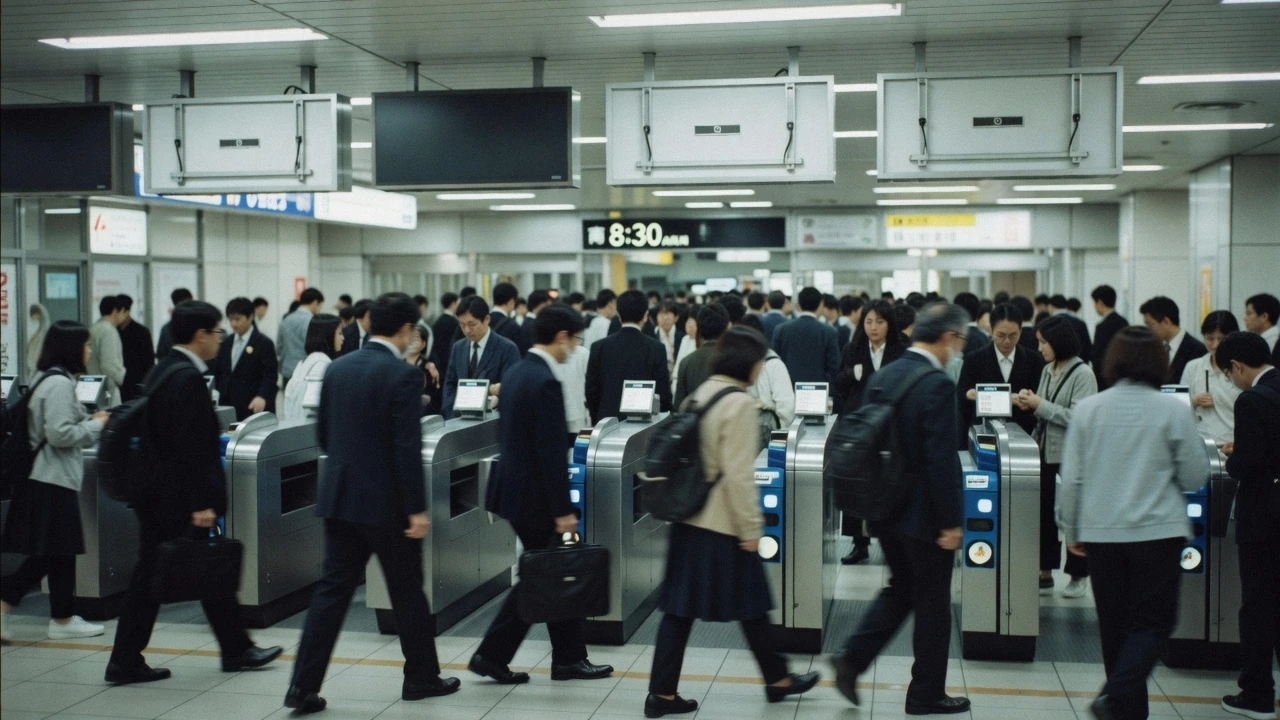
Getting Around Tokyo
Getting around Tokyo is not one system but three that share the same city, and almost every mistake a visitor makes at a ticket gate comes from that. Tokyo Metro runs nine subway lines, the Toei subway runs four more, and JR East runs the overground loop and the radial lines above them, each with its own fares and its own gates. This page sets out what a ride actually costs on the operators' own fare tables, when a transport pass beats paying per ride, and how the arrival from Narita or Haneda joins the network. Every yen figure is the operator's own, read in Q3 2026; dollars are converted at ¥1,000 = $6.48. Everything else a first trip needs is on the Tokyo city guide.
Quick answer Three operators, one card, and the ride count that decides a pass
Buy an IC card first and decide about a pass second. A Suica or PASMO taps you through every subway, JR and bus gate in the city without a single fare calculation, and the shortest Metro or Toei ride on it costs $1.15 (¥178). The 24-hour Tokyo Subway Ticket at $6.48 (¥1,000) only wins once you make five or six subway rides inside a day, which a sightseeing day rarely does unless it crosses the city twice.
Key takeaways
- Tokyo Metro and Toei are different companies with different fare ladders, and a journey that crosses from one to the other has ¥70 taken off the total. That is the whole of the transfer discount, and an IC card applies it for you.
- The Tokyo Subway Ticket covers Metro and Toei but no JR at all, so the loop line to Shibuya or Shinjuku is still a separate fare. The arithmetic that decides it is in the pass table.
- Unregistered Suica went back on sale in 2025 and TOURIST PASMO is sold to overseas visitors, so the card shortage that sent visitors home empty-handed is over. What is on sale now is in the IC card section.
- Coming in from the airport, the pass and the train are usually sold together: the Skyliner combination and the monorail's own discount ticket both bundle the city leg. If the logistics are the problem, a private transfer to the door skips the ticket machine entirely.
Three Networks That Share One City
What each operator actually runs and what it charges to start, taken from Tokyo Metro's and Toei's own regular-fare pages and JR East's pass pages, all read in Q3 2026. The column that matters is the last one: no single pass covers all three.
| Operator | What it runs | Shortest ride | Longest band | Pass that covers it |
|---|---|---|---|---|
| Tokyo Metro | Nine subway lines including Ginza, Marunouchi and Hibiya | $1.15 (¥178) by IC, 1 to 6 km | $2.10 (¥324) by IC, 28 to 40 km | Tokyo Subway Ticket, or the joint one-day ticket |
| Toei Subway | Four subway lines including Oedo and Asakusa, plus Toei buses and the Sakura Tram | $1.15 (¥178) by IC, 1 to 4 km | $2.79 (¥430) by IC, 28 to 46 km | Tokyo Subway Ticket, Toei One-Day Pass |
| JR East | The Yamanote loop, the Chuo and Sobu lines and the Narita Express | Not stated as a printed table; JR East publishes fares through an interactive search only | Not stated for the same reason | Tokunai Pass, Tokyo Combination Ticket, JR Tokyo Wide Pass |
| Private railways | Keisei, Keikyu, Tokyu, Odakyu and others, mostly running outward from the loop | Set by each company | Set by each company | Greater Tokyo Pass covers 13 rail operators for five days |
That JR East row is a real gap, not an omission on our part: the company's English and Japanese fare pages route you to a search tool rather than printing a band table, so we do not quote a Yamanote minimum fare here. An IC card removes the need to know it. The full network geography, station by station, is on the Tokyo map.
The Fare Ladder: What A Single Ride Costs
Both subway operators charge by distance, in bands, and both charge a few yen less for an IC card tap than for a paper ticket. The table is the two ladders side by side, from Tokyo Metro's regular-fare page and Toei's, both read in Q3 2026. Child fares are roughly half and are shown on the operators' own pages.
Read the row for the distance you are travelling, not the number of stops. Six stops on the Ginza Line through the middle of town can be shorter than three on the Oedo Line, which loops.
| Distance | Metro ticket | Metro IC card | Toei ticket | Toei IC card |
|---|---|---|---|---|
| 1 to 4 km | $1.17 (¥180) | $1.15 (¥178) | $1.17 (¥180) | $1.15 (¥178) |
| 5 to 6 km | $1.17 (¥180) | $1.15 (¥178) | $1.43 (¥220) | $1.43 (¥220) |
| 7 to 9 km | $1.36 (¥210) | $1.35 (¥209) | $1.43 (¥220) | $1.43 (¥220) |
| 10 to 11 km | $1.36 (¥210) | $1.35 (¥209) | $1.81 (¥280) | $1.76 (¥272) |
| 12 to 15 km | $1.68 (¥260) | $1.63 (¥252) | $1.81 (¥280) | $1.76 (¥272) |
| 16 to 19 km | $1.68 (¥260) | $1.63 (¥252) | $2.14 (¥330) | $2.11 (¥325) |
| 20 to 21 km | $1.94 (¥300) | $1.90 (¥293) | $2.14 (¥330) | $2.11 (¥325) |
| 22 to 27 km | $1.94 (¥300) | $1.90 (¥293) | $2.46 (¥380) | $2.44 (¥377) |
| 28 km and beyond | $2.14 (¥330) | $2.10 (¥324) | $2.79 (¥430) | $2.79 (¥430) |
Two things fall out of that grid. The first is that Toei is the more expensive network the moment a ride passes about five kilometres, which is why an Oedo Line hop across town costs noticeably more than the same distance on the Marunouchi Line. The second is that the IC discount is small, a handful of yen, and is not the reason to carry a card. The reason is that the card ends the arithmetic: you tap in, you tap out, the gate works out the band.
Two special fares sit outside the ladder. On the Chiyoda Line, the single stop between Ayase and Kita-senju is a flat ¥160 for an adult. On the Toei Mita Line, journeys between Meguro, Shirokane-dai and Shirokane-takanawa are a flat ¥180 for an adult, ¥178 by IC. Both exist because those sections are shared with another company's tracks.
The ticket price on both networks now includes a ten-yen barrier-free surcharge on the adult fare, which the operators state on the same page as the bands. If you lose a paper ticket before the exit gate, Tokyo Metro charges a handling fee of ¥170 on its own lines and ¥220 when the journey involved another company, which is a small argument for the card and a large one against paper for anyone travelling with children.
The ¥70 That Disappears At A Transfer Gate
The single most confusing thing about the Tokyo subway for a first-time visitor is that there are two subways. A journey from Ginza to Asakusa can be one company's line the whole way, or it can start on the Metro and finish on Toei, and if it does, you pass through an orange transfer gate in the middle where a paper ticket will not take you.
Toei publishes the rule plainly: on a single ride crossing between the two subways, the adult fare is the sum of the two operators' fares minus ¥70, with fractions rounded up to the nearest ten yen, and the child fare is half that discounted total. So a ride that would be ¥180 on the Metro and ¥180 on Toei is not ¥360 but ¥290, about $1.88. Some sections are excluded, and the discount applies automatically at the interchange when you use an IC card.
With a paper ticket you have to buy the through fare at the machine before you start, using the fare board above it. Get it wrong and you settle up at a fare adjustment machine at the far end, which is a queue you did not need. This is the practical case for the card that has nothing to do with the few yen it saves: it makes the two-company problem invisible.
Commuter passes get a different treatment, layered rather than flat: each operator's monthly pass is discounted fifteen per cent and then summed, a three-month pass takes a further five per cent off the combined total and a six-month pass a further ten. Almost no visitor needs one, but it explains why the pass prices quoted at a station window do not divide neatly by the single fares in the ladder above.
Suica And PASMO: What Is Actually On Sale
The IC card question had a bad answer for two years and now has a good one. What follows is what the issuers publish on their own pages, read in Q3 2026, and nothing from the period in between.
Suica is JR East's card and PASMO is the card of the subway and private-railway operators. They do the same job, they work on each other's networks, and eight regional cards from other Japanese cities work here too. Either one covers Tokyo Metro, Toei, JR, the monorail, the private lines and city buses, and doubles as a payment card in convenience stores and vending machines.
Sales of unregistered Suica cards were suspended in June 2023 during the global semiconductor shortage and resumed on 1 March 2025. JR East sells the card in fixed face values of ¥1,000, ¥2,000, ¥3,000, ¥4,000, ¥5,000 and ¥10,000, each including a ¥500 refundable deposit, so a ¥2,000 card carries $9.72 (¥1,500) of travel value. Top-ups are cash only at station machines, in units from ¥500 upward, and the balance caps at ¥20,000. Credit cards cannot top up a physical Suica.
The visitor versions, and what they cost you to return
Welcome Suica is the version for overseas visitors: no deposit, and it stops working 28 days after issue. PASMO's equivalent is TOURIST PASMO, also 28 days, and its unused value is not refunded, which is the trade for paying no deposit. Both are aimed squarely at a trip rather than a life.
A standard Suica can be refunded, and the arithmetic is worth knowing before you decide which to buy. JR East charges a ¥220 handling fee against the remaining balance and returns the ¥500 deposit in full, so a card handed back with ¥1,000 on it returns $8.29 (¥1,280). A card issued by JR East has to be refunded at a JR East station; a Suica issued by another company, the Tokyo Monorail among them, goes back to that issuer. A card left in a drawer expires after ten years of non-use.
Mobile Suica in Apple Wallet or Google Wallet is the version most travellers now want, and here we hit a limit: we could not reach an official JR East page stating the current scope of support for foreign-issued credit cards, so this page does not claim it works with your card. Check it in the wallet app before you land rather than at the gate.
The Tokyo Subway Ticket, And The Ride Count That Decides It
The Tokyo Subway Ticket is the pass most visitors are sold, and the operators publish its price but not its break-even. So here is the arithmetic, computed by us from the pass prices on Tokyo Metro's own page and the IC single fares in the ladder above, both read in Q3 2026. Three fare levels: a short hop at ¥178, a typical crosstown ride at ¥209, and a long one at ¥252.
The pass covers all nine Tokyo Metro lines and all four Toei lines, unlimited, and it runs in clock hours from the first tap rather than to midnight. It is sold to overseas visitors and to Japanese residents from outside the greater Kanto area, in a paper form and a QR form that can be sent to a phone if you buy several.
| Pass | Price | Cost per day | Rides to break even | Who it suits |
|---|---|---|---|---|
| 24-hour Tokyo Subway Ticket | $6.48 (¥1,000) | $6.48 (¥1,000) | 6 short hops, 5 typical rides, or 4 long ones | One packed day crossing the city twice |
| 48-hour Tokyo Subway Ticket | $9.72 (¥1,500) | $4.86 (¥750) | 9 short hops, 8 typical rides, or 6 long ones | The usual sweet spot on a three-night stay |
| 72-hour Tokyo Subway Ticket | $12.96 (¥2,000) | $4.32 (¥667) | 12 short hops, 10 typical rides, or 8 long ones | Four or more subway rides a day, every day |
| One-Day Ticket, Metro and Toei | $7.13 (¥1,100) | $7.13 (¥1,100) | 7 short hops, 6 typical rides, or 5 long ones | Anyone not eligible for the visitor pass |
| Child rate, all three durations | $3.24 to $6.48 (¥500 to ¥1,000) | Half the adult figure | Same ride counts, at half fares | Six to eleven year olds; under six travel free |
The honest reading of that table is that the 24-hour ticket is the hardest of the three to justify. A sightseeing day that starts in Asakusa, spends the afternoon at Senso-ji and the evening in Shinjuku is three or four subway rides, not six, and walking between neighbourhood sights is how most people actually spend the day. The 48-hour version halves the daily cost and needs only about four rides a day to pay, which a real itinerary does reach.
The second thing the table cannot show is what the pass does not cover. There is no JR in it at all. The Yamanote loop, which is the line that connects Tokyo Station, Shinjuku, Shibuya, Harajuku and Ueno in one ring, is a separate fare every time you use it, and it is the line a first-time visitor uses most. A pass-holder who forgets this pays twice for a day.
Buy it before you need it. It is sold at the airports, at Tokyo Metro pass offices, at tourist information counters and online in the QR form; it is not sold at an ordinary ticket machine on the platform when you are already late.
The Other Passes, And The Two That Are Usually Wrong
Six more day passes are sold across the same city, at prices from Toei's English ticket overview and JR East's own pass pages, read in Q3 2026. The last column is the only one that matters: most visitors need none of them.
Ranked by how often they are the right answer rather than by price.
| Pass | Price | What it covers | Valid | Worth it when |
|---|---|---|---|---|
| Tokunai Pass | $5.64 (¥870) | JR ordinary cars inside Tokyo's 23 wards | One day | A JR-heavy day; JR East puts the ordinary fare for a Tokyo, Ueno, Shinjuku and Shibuya circuit at about ¥1,000 |
| Toei One-Day Pass | $4.54 (¥700) | Toei subway, Toei buses, the Sakura Tram, the Nippori-Toneri Liner | Day of use | A day spent on the Oedo Line and Toei buses, which is rare on a first visit |
| Toei Bus One-Day Pass | $3.24 (¥500) | Toei buses only | Day of purchase | Almost never for a visitor; buses are slower than the subway across town |
| Tokyo Combination Ticket | $11.15 (¥1,720) | Metro, Toei, Toei buses, the tram and JR inside the 23 wards | One day | The only single day pass that includes JR, and it needs a very busy day to beat singles |
| Greater Tokyo Pass | $42.10 (¥6,500) | 13 rail and tram operators plus 31 bus operators across the Kanto region | Five days | A stay built around day trips on private railways rather than around the city |
Two more sit on JR East's pages and are worth naming so you can rule them out. The JR Tokyo Wide Pass at $103.70 (¥16,000) for three days covers a much larger area than the city, out as far as Nikko and the Fuji lakes, and is a day-trip instrument rather than a city one. The NONBIRI Holiday Suica Pass at $18.47 (¥2,850) is a weekend and holiday product over a wider Tokyo area.
The two that are usually wrong are the Toei Bus One-Day Pass, because the network a visitor needs is underground, and the 24-hour subway ticket bought for a day that was always going to be a walking day. Buy neither on arrival; buy the 48-hour pass on the morning you can see it will pay.
What none of these cover is entry to anything. Attraction tickets are a separate purchase and are compared on the tickets hub.
Reading A Fare Board, And Getting Through The Gate
Above every ticket machine hangs a map of the network with a number printed beside each station. That number is the fare from where you are standing to that station, and buying a paper ticket means finding your destination on the board, pressing that amount on the machine and taking the ticket. The English button is on the screen; the board itself is usually bilingual in central Tokyo, and the station numbering system, a letter for the line and a number for the station, does the rest.
With an IC card you skip all of it. Tap the card flat on the pad as you walk through, tap again on the way out, and the gate deducts the fare it calculated. If the balance is short the gate closes, which is a small embarrassment and no more: the fare adjustment machine beside the gates takes cash, adds value and releases you.
Three gate rules save time. An orange gate between two subway companies is a transfer gate, not an exit, and a paper through-ticket goes in and comes back out of it. A gate marked with a wheelchair symbol is the wide one, and it is the one to use with a suitcase. And the exit numbers matter more here than the station name: a large station has a dozen exits spread over half a kilometre, so the useful thing to know before you get off is not the station but the exit letter, which is why every attraction page on this site names one.
When something goes wrong, the staffed window beside the gates is the answer rather than the machine. Tokyo Metro station staff handle lost tickets, fare disputes and lost property at the gate line, and the operator runs its own lost-and-found service, which recovers more than you would expect in a city where 4.8 million items were handed in to police in 2025.
The Last Train Problem
Tokyo's trains stop. There is no all-night subway, the last services run somewhere around midnight to one in the morning depending on the line and the direction, and the operators publish those times per station rather than as a single figure, which is why this page does not print one. Check the last train for your own station on the operator's timetable before a night out, not after it.
What happens when you miss it is the expensive part. Taxis are plentiful and metered and the fare across central Tokyo at two in the morning carries a late-night surcharge that applies between 22:00 and 05:00, on the Tokyo Hire-Taxi Association's own rules. The alternative that Tokyo actually uses is to stay out: karaoke rooms, all-night cafes and the city's capsule and business hotels all trade on the last-train hour, and the neighbourhood pages for Shinjuku and Shibuya cover where that works.
The first trains start around five in the morning, which matters in the other direction: an early flight out of Haneda is usually reachable by train, an early flight out of Narita often is not. If your departure is before about eight in the morning, work backwards from the airport rather than forwards from the hotel, and consider the private transfer that runs at any hour rather than the train that does not.
One detail that catches people on the way home: the last train to a suburb often leaves well before the last train on the same line into the centre. A hotel near a Yamanote station keeps you in the part of the network that runs latest.
Taxis, Luggage And The Numbers Nobody Publishes
Two questions this page cannot answer with a figure, and the reason why in each case, checked against the official pages in Q3 2026.
Tokyo taxis are metered, clean and easy to hail, and the Tokyo Hire-Taxi Association is the body that publishes the rates. Its English site confirms the structure, a fixed-fare system to and from both airports covering the 23 wards plus Musashino and Mitaka, tolls charged on top, and a late-night surcharge between 22:00 and 05:00. What it does not publish as text is the numbers: the fare charts, including the base fare and the airport fixed fares, render as images that we could not read as figures, so this page prints no taxi price at all rather than repeat a blog's. Dispatch apps are the practical way to get one and to see the fare before you ride.
Coin lockers are the same story. There is no station-operator page with a printed size and price table that we could reach; JR East's own English locker leaflet now returns a not-found page. Lockers exist in quantity at every large station, they take IC cards as well as coins, and the ones at Tokyo, Shinjuku and Ueno fill by mid-morning on a weekend. Budget for the search, not for a price we cannot source.
Sending the suitcases ahead instead
The alternative Tokyo residents actually use is to send the bag. Yamato Transport's Airport TA-Q-BIN moves a suitcase between the Kanto region and the airports on an eight-tier rate ladder by size, from $10.37 (¥1,600) for the smallest to $33.20 (¥5,130) for the largest, with cashless payment a few yen cheaper per tier and insurance up to ¥300,000 a parcel. Since June 2025 at Narita and July 2025 at Haneda, dropping a bag off at the airport counter adds a further ¥660 on top of that rate.
Hotel-to-hotel forwarding on the same network is what makes a multi-city trip through Japan practical with a large case, and it is worth pricing against a day of dragging luggage through subway stairs. The subway is not built for it: stations have lifts, but the route to them is signposted for people who know the station, and the Oedo Line in particular runs deep.
If none of that appeals, the door-to-door option is a car. A private airport transfer carries the bags for you and costs less than most people expect for two or more travellers, and the case for and against it is priced out on the two airport pages.
Rush Hour, And When To Simply Not Be On A Train
The famous images of white-gloved staff pushing passengers into carriages are real and they are also a commuter phenomenon with a narrow window. Neither Tokyo Metro nor Toei publishes a tourist-facing peak window as a printed figure on the English pages we could reach in Q3 2026, so rather than invent one: the crush is on weekday mornings into the centre and on weekday evenings out of it, it is worst on the lines that feed the business districts, and it is barely noticeable on a Sunday.
The practical response is scheduling, not avoidance. Museums open in the morning and a visitor travelling towards the centre in the morning is travelling with the commuters; a visitor going out to Ueno Park or a suburban temple is going against them. Women-only carriages operate on several lines during the morning peak and are marked in pink on the platform.
With a suitcase, the rush hour is not a discomfort but a genuine obstacle, and this is where the airport transfer earns its price on an arrival that lands at the wrong time. With small children, the same, and there is one more reason to avoid it: the carriages are silent, phone calls are not made on trains, and a tired toddler in a packed carriage is a hard hour for everyone including you. The Tokyo with kids page plans days that dodge it.
On the other side of the ledger, the trains run to the minute, they run all day at high frequency, and outside the peak the subway is one of the most comfortable ways to cross any large city on earth. The only thing that stops it working is the clock, at both ends of the day.
When Paying Somebody Else To Handle The Transport Wins
Four products where the transport is the point rather than an afterthought: two that bundle a subway pass with an attraction, and two private transfers for the arrival and departure days. Prices are the platform listings in US dollars as they stood in Q3 2026, and each card links to the operator's own page where the live calendar is.
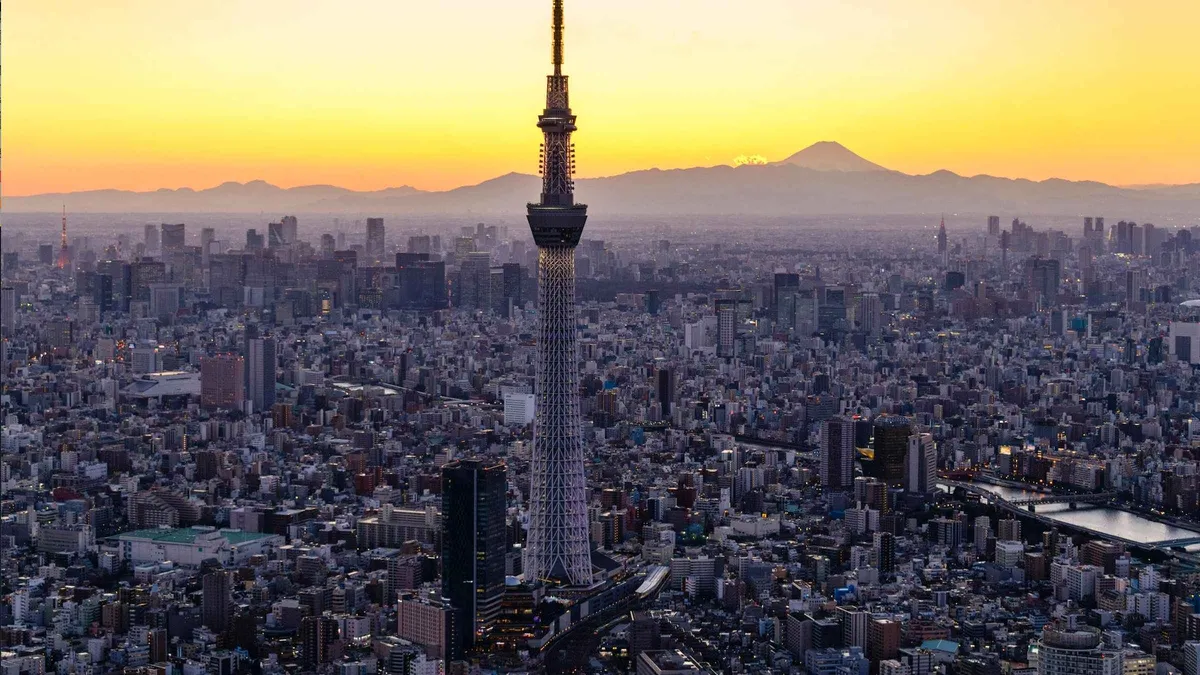 from $19.15
Tokyo Skytree: Admission Ticket with 24-Hour Subway Pass
A bundled Tokyo Skytree admission ticket and 24-hour Tokyo subway pass, non-refundable, saving on separate purchases and covering unlimited Metro and Toei Subway rides for a day.
Check Availability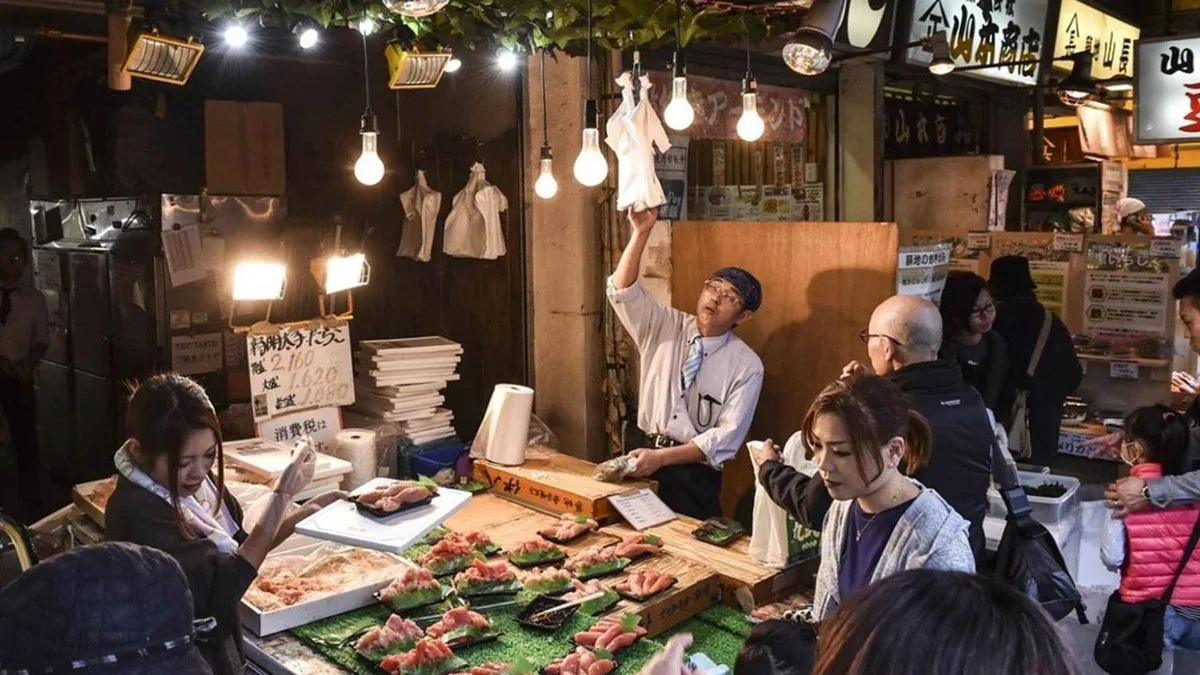 from $93.10
Tokyo: Tsukiji Fish Market Tour, TeamLab Planets & Subway
Guided morning walk through Tsukiji Outer Market, then a self-guided teamLab Planets visit, linked by an included 24-hour subway pass. Official e-tickets arrive by email; the booking voucher alone will not get you in.
Check Availability from $61.50
Narita Airport (NRT): Private One-Way Transfer to/from Tokyo
A private one-way transfer between Narita Airport and your Tokyo hotel, timed so you reach your accommodation or the airport with time to spare instead of navigating trains after a flight.
Check Availability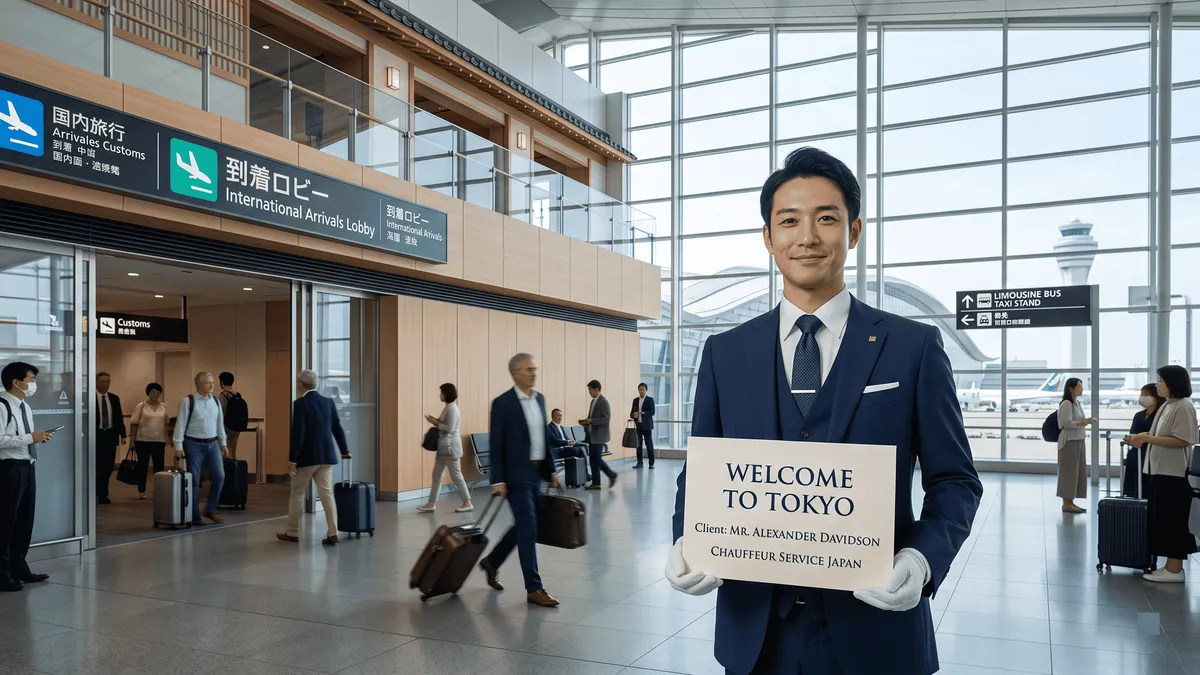 from $31.62
HND Airport Private Transfer to/from Tokyo City Center
A private one-hour transfer between Haneda Airport and your Tokyo accommodation in an air-conditioned vehicle, with the driver assisting with luggage on either the arrival or departure leg.
Check AvailabilityPrices, ratings and details are the platform's own, checked in Q3 2026; dollar figures are the listed prices — the platform bills in your account's currency.
The Interchanges A Visitor Actually Uses
The eight stations where the three networks meet, and the two airport entry points. Pin positions are the station sites on the OpenStreetMap base layer; this is a geography sketch rather than a route map, and the official network diagrams are on each operator's site.
Exit letters matter more than station names at every one of these: each has a dozen or more, spread across several streets.
Where To Go Next
The three pages that carry on from this one, in the order a trip needs them.
Narita Airport to Tokyo
The Skyliner, the Narita Express, the Access Express and two buses priced side by side, with the combination tickets that bundle the subway pass discussed above. Read the Narita options.
The far airportHaneda Airport to Tokyo
Monorail, Keikyu, bus or car to the four districts most visitors stay in, plus the weekend discount ticket that undercuts the ordinary fare. Read the Haneda options.
The near airportWhat Tokyo costs
Transport is a small line in a Tokyo day next to food and tickets. The costs page puts the fares above beside what everything else on a day actually comes to. See the daily budget.
The daily budgetGetting Around Tokyo: Questions
Do I need a Tokyo transport pass, or is a Suica enough?
For most visitors a Suica or PASMO is enough. A pass only pays once you make five or six subway rides in a day, and a sightseeing day is usually three or four with walking in between. The exception is a day that crosses the city twice, and the break-even table shows exactly where the line falls for each duration.
Is the Tokyo Subway Ticket valid on JR lines?
No. It covers all nine Tokyo Metro lines and all four Toei Subway lines and nothing else, so the Yamanote loop is a separate fare each time you ride it. If you want a single day pass that includes JR inside the 23 wards, the Tokyo Combination Ticket at $11.15 (¥1,720) is the one, listed in the other passes table.
Can I still buy an unregistered Suica or PASMO in 2026?
Yes. JR East resumed selling unregistered Suica on 1 March 2025 after the chip shortage suspension, and PASMO sells TOURIST PASMO to international visitors with 28-day validity. Face values, deposits and the refund arithmetic are set out in the IC card section.
How does the transfer between Tokyo Metro and Toei work?
They are separate companies, so a journey crossing between them is charged both fares minus ¥70 for an adult, rounded up to the nearest ten yen. An IC card applies that automatically at the orange transfer gate; a paper ticket has to be bought as a through fare before you start. The transfer discount section has the worked example.
Can two people share one Suica card?
No. The card is deducted on entry and exit, so it cannot pass back through a closed gate for a second person. Each traveller needs a card, or a paper ticket, or a pass of their own. Children aged six to eleven pay half fare and under-sixes travel free, which is why the pass table prints a child column.
Is Tokyo Metro difficult for tourists who do not read Japanese?
Less than its reputation suggests. Every line has a letter and every station a number, signage in the centre is bilingual, ticket machines have an English button and the fare board above them prints the fare to each station as a figure. The part that genuinely confuses people is not the language but the two-company structure described above, and an IC card removes it entirely.
Tokyo's Train Network On Video
Three walk-throughs that show the gates, the machines and the platform signage this page describes, which is easier to absorb in motion than in print.
Tokyo's Train System, EXPLAINED
The clearest overview of how the operators divide up the city, which is the thing this page opens with.
Video: Bright TripHow to Navigate Tokyo's Train System Like a Pro! 2026
A current run through buying, tapping and transferring, filmed at the gates themselves.
Video: Kensho QuestTrains in Tokyo EXPLAINED in 10 mins
A short version for anyone who only wants the IC card and the fare board before landing.
Video: Travel Smart JapanVideos load from YouTube only when you press play.
Reviewed Q3 2026 (July–September 2026); next review Q4 2026. Prices, hours and terms are set by the venue or operator and confirmed at checkout.
We may earn a commission if you book through one of our links, at no extra cost to you. Full affiliate disclosure