 Visit Tokyo Guide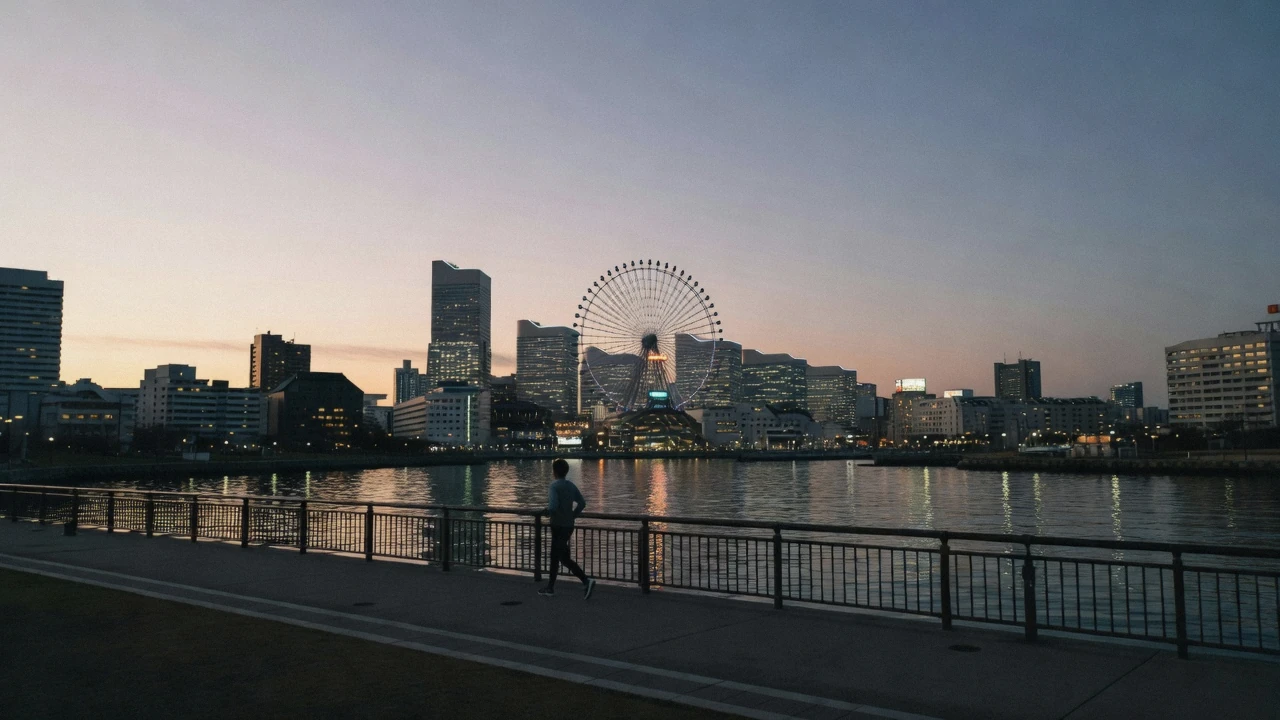
Yokohama Day Trip From Tokyo
Yokohama is the easiest escape on the day-trip list, because it barely counts as one: a direct train from Shinagawa reaches it in under half an hour for about three dollars, which makes it closer to central Tokyo than parts of central Tokyo. What you get for the ride is a working harbour with a promenade along it, Japan's largest Chinatown, a garden of relocated historic buildings on the far side of town, and a museum devoted entirely to instant noodles that is far better than that sentence suggests. This page covers the fares, the hours, what each thing costs, the one famous viewpoint that is shut until at least 2028, and how a Yokohama day trip from Tokyo fits either a full day or a salvaged afternoon. The alternatives at similar distance are ranked on the day trips hub, and the city you are leaving for the day is covered by our Tokyo guide.
Quick answer The fare, the four things worth doing, what each costs
Yokohama is about 28 minutes from Shinagawa on the JR Tokaido Line, reported at $3.11 (¥480) one way, which makes it the shortest and cheapest day trip from Tokyo by a wide margin. Four things carry the day: the harbour walk at Minato Mirai, Japan's largest Chinatown, the Cup Noodles Museum at $3.24 (¥500) and the Sankeien garden at $5.83 (¥900).
Key takeaways
- Go on any day but Tuesday if the noodle museum matters to you, because that is its closed day, and the following day too when a Tuesday falls on a public holiday.
- The famous 69th-floor observation deck in the Landmark Tower is shut. The operator states the closure is for major building works with reopening planned from 2028, so the harbour gondola and the ferris wheel are the height you can actually buy today.
- A private eight-hour day trip with hotel pickup covers this city and the temple town in one go at $269.07, which is a different proposition from a $3 train ticket and worth the comparison.
- It is the reliable bad-weather day. Chinatown eats indoors, the noodle museum is a roof, and the Mount Fuji day that the clouds just ruined can wait for a clearer morning.
Key facts
Opening hours
| Cup Noodles Museum, Wed to Mon | 10:00–18:00 |
|---|---|
| Sankeien garden, daily | 09:00–17:00 |
| Chinatown streets | open–no published closing time |
Closed The noodle museum closes every Tuesday, and the following day when a Tuesday is a public holiday, plus the year-end and New Year period. The garden closes 26 to 31 December. Chinatown and the waterfront never close
Admission
- Adult
- Cup Noodles Museum $3.24 (¥500); Sankeien garden $5.83 (¥900); harbour gondola $6.48 (¥1,000) one way or $11.66 (¥1,800) return
- Reduced
- Noodle museum free for high school age and younger; garden $1.30 (¥200) for elementary and junior high; gondola $3.24 (¥500) one way for ages 3 to 11
- Free
- Chinatown, the harbour promenade, the red brick warehouses, the pier and the park along the water
Planning it
- Time needed
- Not stated by the city; our routing: 4 hours for the harbour and Chinatown, a full day with the garden
- Book ahead
- Optional — walk-up usually fine
- Address
- Cup Noodles Museum, 2-3-4 Shinko, Naka-ku, Yokohama 231-0001; Sankeien, Honmoku Sannotani, Naka-ku
The four things a day here actually charges for, with the walk-in options first, priced from the operators' own pages read in Q3 2026, converted at ¥1,000 to $6.48. The Cup Noodles Museum, Sankeien and the harbour gondola all publish their own fee tables; the guided price is what GetYourGuide listed for that card on the same day.
Are you here for a cheap afternoon on the water, or for a full day that includes the garden across town and somebody to drive you between them?
| Option | Price | How long | What it covers | Book |
|---|---|---|---|---|
| Cup Noodles Museum, walk inFamilies and anyone travelling with children; the museum states it does not pre-sell admission-only tickets, so simply turn up. | $3.24 (¥500) adult; free for high school age and younger | 1.5 to 2 hours | Every exhibition. The workshops cost extra: $3.24 (¥500) to design your own cup, $7.78 (¥1,200) to make noodles from scratch | Official site |
| Sankeien garden, walk in or buy onlineAnyone who wants the opposite of a waterfront: it is twenty minutes by bus from the harbour and almost always quiet. | $5.83 (¥900) adult, $1.30 (¥200) elementary and junior high | 1.5 to 2 hours | A 175,000 square metre garden of ponds and relocated historic buildings, open 09:00 to 17:00 with last entry at 16:30 | Official site |
| Harbour gondola between the station and the warehousesThe height option now that the tower deck is closed, and a genuinely useful shortcut between the station and the brick warehouses. | $6.48 (¥1,000) one way, $11.66 (¥1,800) return; child $3.24 (¥500) and $5.83 (¥900) | 5 minutes each way | The waterfront from above, with a combined ticket with the big wheel at $11.02 (¥1,700) one way or $16.20 (¥2,500) return | Official site |
| Private day trip with hotel pickup, this city and the temple townGroups or families splitting one price, or anyone who wants two destinations without three changes of train. | $269.07 | 8 hours | Private vehicle, the Great Buddha, a bamboo grove, Chinatown and the garden in one day; rated 5 from 3 reviews | Check Availability |
Nothing in this city needs booking ahead. The private tour is priced per vehicle rather than per head, which is what makes the comparison with a $3 train fare less absurd than it first looks; for a party of four it is roughly sixty-seven dollars each with the driving, the temple town and the entries handled. Official links above are plain and untracked.
Guided trips that include Yokohama
One card covers the city from Tokyo, paired with the temple town down the coast. The rating and review count are the platform's own figures for that card as listed in Q3 2026; the same operator's cheaper group trips are compared on the Kamakura page.
 from $269.07
Tokyo: Kamakura & Yokohama Private Tour With Hotel Pickup
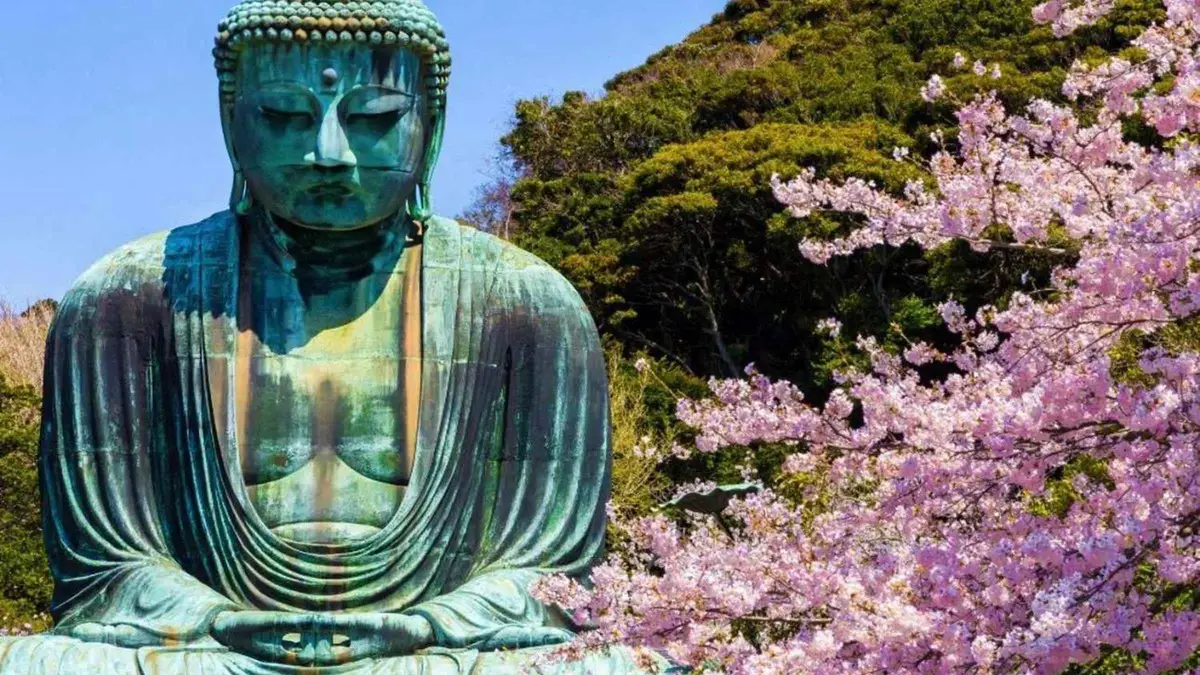
A private 8-hour day trip from Tokyo with hotel pickup, visiting the Great Buddha, Hase-dera Temple, the Hokokuji Bamboo Forest, Yokohama Chinatown and Sankeien Garden across Kamakura and Yokohama.
Check AvailabilityPrices, ratings and details are the platform's own, checked in Q3 2026; dollar figures are the listed prices — the platform bills in your account's currency.
Twenty-Odd Minutes, And Why That Changes The Day
This is the only destination on the day-trip list that costs less than lunch to reach. Times below are the standard direct services; the fare is the one figure we could not confirm at source.
The JR Tokaido Line runs direct from Shinagawa to Yokohama in about 28 minutes, and the fare is reported at ¥480, about $3.11. That figure comes from a summary of the route rather than from JR East's own fare finder, which refused every automated request we made, so treat it as close rather than exact and let an IC card settle it at the barrier.
What the short journey changes is the shape of the day. Every other destination on the day trips list demands a commitment: two hours out means the day is spent whatever happens. Yokohama does not. You can leave Tokyo at two in the afternoon, walk the harbour, eat in Chinatown and be back by ten, which makes it the natural rescue for a day when the weather has ruined something else.
Once you are here, the geography is simple. Yokohama Station is the rail hub but not the destination; the waterfront sits two stops south around Minato Mirai and Sakuragicho, Chinatown is a further ten minutes on, and the garden is out at Honmoku, twenty minutes by bus from the harbour. The gondola strung between Sakuragicho and the brick warehouses is transport as well as a ride, which is why it appears in the ticket table above.
The Waterfront, And The View That Is Shut
The redeveloped docks are the postcard, and the single most-recommended thing in them is closed. Hours and prices are from the operators' own pages, read in Q3 2026.
Start with the closure, because most guides have not caught up. The Sky Garden observation floor on the 69th storey of the Landmark Tower is not operating: the building's own site states that the deck is temporarily suspended for large-scale renovation works and that reopening is planned from 2028, with details to follow. If you came for that view, it is not available at any price.
What is available is lower and, honestly, more fun. The harbour gondola runs from beside Sakuragicho Station across to the brick warehouse district at $6.48 (¥1,000) one way and $11.66 (¥1,800) return, with a combined ticket including the big wheel at $11.02 (¥1,700) or $16.20 (¥2,500). Children aged three to eleven pay half, under-threes ride free, and no reservations are taken. Check the operator's daily status before you build an evening around it: on the day we read the page it was showing an all-day suspension, which is a reminder that a cable strung over a harbour is weather-dependent.
The rest of the waterfront costs nothing. The promenade runs from the tower past the brick warehouses to Osanbashi pier, whose roof is a public deck of timber and grass looking back at the skyline, and it is the best free view in the city now that the tower deck is shut. Allow an hour to walk it slowly, more if the ships are in.
Japan's Largest Chinatown, And The One Rule It Asks For
Ten minutes from the pier, and the reason a lot of people come at all. The district's own association publishes the guidance below.
The district covers a compact grid of streets behind ornate painted gates, and its restaurants and street stalls run from single-item buns to full banquet houses. It has been here since the port opened to foreign trade in 1859, which makes it older than most of the buildings in central Tokyo.
The one piece of etiquette to know comes from the district's own trade association, which has posted a standing request about eating while walking. The stalls sell food designed to be carried, the streets are narrow and busy, and the association asks visitors to eat where they buy rather than move through the crowd with an open bun and a stick of sauce. It is the same convention that applies at Senso-ji's approach in Tokyo, and for the same reason: there are very few bins.
Practical notes. Lunch is the cheap hour and dinner is the good one; the gates are the landmarks to navigate by, since the street names mean nothing to a visitor; and it does not shut early, which is why Chinatown is the answer when a Yokohama afternoon runs long. Nothing here charges admission.
The Noodle Museum, And What It Actually Costs
It sounds like a gimmick and it is one of the best-run museums in the country. Prices and hours are from its own English pages, read in Q3 2026.
Admission is $3.24 (¥500) for an adult and free for anyone of high school age or younger, which is close to the cheapest family outing in Kanagawa. Opening is 10:00 to 18:00 with last admission at 17:00, and the museum closes every Tuesday, moving that closure to the Wednesday when a Tuesday is a public holiday, plus the year-end and New Year period.
| What | Adult | Child | Notes |
|---|---|---|---|
| Museum admission | $3.24 (¥500) | Free to high school age | All the exhibitions, including the history cube and the founder's work shed |
| My CUPNOODLES Factory | $3.24 (¥500) per cup | Same price per cup | Design the packaging and choose the soup and toppings; the cup is yours to carry away |
| Chicken Ramen Factory | $7.78 (¥1,200) | $3.89 (¥600) elementary | Make noodles from flour by hand; this one is worth booking your day around |
| CUPNOODLES Park | $3.24 (¥500) | $3.24 (¥500) | A play structure in 30-minute slots, for children rather than adults |
| Noodles Bazaar | $3.24 (¥500) a bowl | $1.62 (¥250) mini ramen | Half-size bowls of noodle dishes from around the world; desserts $2.59 (¥400), drinks $1.30 (¥200) |
The garden most day-trippers never reach
Sankeien is on the other side of the city at Honmoku, about twenty minutes from the harbour by bus, and it is the reason to give Yokohama a full day rather than an afternoon. A silk merchant laid it out from 1906 and filled it with historic buildings brought from Kyoto, Kamakura and the mountains of Gifu, so the ponds are ringed by a pagoda, a daimyo's residence and farmhouses that predate the city entirely.
Entry is $5.83 (¥900) for high school age and above and $1.30 (¥200) for elementary and junior high pupils, with residents of Yokohama aged 65 and over paying $4.54 (¥700). Hours are 09:00 to 17:00 with last entry at 16:30, and the garden closes only from 26 to 31 December. Tickets are sold online as well as at the gate, and coin lockers, wifi and wheelchair loans are free.
Two current caveats from the garden's own notices. The gassho-style farmhouse, the steep-roofed one from Gifu, is closed to visitors, and the three-storey pagoda that stands over the whole garden goes into major restoration from April 2027. Neither stops the visit; both change what you photograph.
Yokohama In Seven Dates
Almost nothing in this city is old, and that is the point: it is a fishing village that became Japan's front door in a single generation.
-
1859
The port opens to foreign trade
A village of a few hundred people becomes one of the treaty ports, and the merchants and the Chinese community who arrive with the trade found the district that is now the country's largest Chinatown [Wikipedia, Yokohama].
-
1872
Japan's first railway runs to Tokyo
The line between Shimbashi and Yokohama opens, which is the ancestor of the twenty-eight-minute journey this page is built on [Wikipedia, Yokohama].
-
1906
A silk merchant starts laying out Sankeien
Sankei Hara opens his garden to the public and spends decades moving historic buildings into it from Kyoto, Kamakura and Gifu [sankeien.or.jp, read in Q3 2026; Wikipedia, Sankeien].
-
1923
The Great Kanto earthquake destroys the city
The port and most of the built city are levelled, which is why so little of the treaty-port architecture survives and why the brick warehouses that did are treated as monuments [Wikipedia, Yokohama].
-
1989
Minato Mirai and the Landmark Tower begin
The docklands redevelopment starts, giving the city the waterfront skyline that appears on every photograph of it [Wikipedia, Minato Mirai 21].
-
1994
The Cup Noodles Museum's parent brand marks its history
The Yokohama museum itself opened later, in 2011, on the reclaimed land beside the warehouses, at $3.24 (¥500) a head [cupnoodles-museum.jp, read in Q3 2026].
-
2028 at the earliest
The tower's observation floor is due back
The 69th-floor Sky Garden is closed for large-scale renovation of the building, with reopening planned from 2028 and no date announced [yokohama-landmark.jp, read in Q3 2026].
Prices, hours and closures on this page come from the operators' own sites: cupnoodles-museum.jp, sankeien.or.jp, yokohama-air-cabin.jp and yokohama-landmark.jp, all read in Q3 2026. The historical dates are from the Wikipedia articles named beside each line. The JR fare is the one figure we could not confirm at source, and is labelled as such above.
How Much Time To Give Yokohama
The city publishes no suggested visit length. These three routings are ours, built from the opening hours above and the distances between the harbour, Chinatown and the garden.
The decision is whether the garden is in or out. Everything on the waterfront is within a half-hour walk of everything else; Sankeien is a bus ride across town and adds three hours to the day, most of which is worth having.
| Routing | What you get | What it skips | Door to door |
|---|---|---|---|
| The rescued afternoon | Train after lunch, the harbour promenade, the pier roof, dinner in Chinatown, back by ten | The garden, the noodle museum and the gondola | About 6 hours from central Tokyo and back |
| The full day | Noodle museum at opening, the gondola across to the warehouses, the pier, Chinatown for lunch, the garden in the afternoon | Nothing significant; this is the version the city is worth | 9 to 10 hours |
| With a private driver | Eight hours with hotel pickup covering this city and the temple town down the coast | Improvising, and the low fare; the price is per vehicle, not per person | 8 hours, fixed |
Five Things Most Visitors Do Not Know About Yokohama
Each one changes a plan somebody would otherwise make from an out-of-date guidebook, and each carries its source.
- The famous 69th-floor deck is closed until at least 2028. The tower states the suspension is for large-scale building renovation and gives no reopening date beyond the year [yokohama-landmark.jp, read in Q3 2026]. - Children get into the noodle museum free. Admission is $3.24 (¥500) for adults and nothing at all for high school age and younger, and the museum states it does not pre-sell admission-only tickets [cupnoodles-museum.jp, admission page, read in Q3 2026]. - Tuesday is the day to avoid. The noodle museum closes every Tuesday and takes the Wednesday instead when a Tuesday is a public holiday, which is a different rule from Tokyo's Monday museum closures [cupnoodles-museum.jp, admission page]. - The garden's pagoda goes into scaffolding from April 2027. Sankeien's own notice board announces major restoration of the former Tomyo-ji three-storey pagoda, and the gassho-style farmhouse is already closed to visitors [sankeien.or.jp, notices, read in Q3 2026]. - The harbour gondola can be shut for the whole day. It takes no reservations and posts its operating status daily; on the day we read it, the page showed an all-day suspension [yokohama-air-cabin.jp, read in Q3 2026].
In Yokohama: What To Do, And What Not To
Each line is a decision argued above, in the form you can act on at the barrier.
Do
- Come on the day another plan collapsed: it is under half an hour away and mostly sheltered
- Check the gondola's own status page before building an evening around it
- Walk out onto the pier roof, which is free and is now the best harbour view in the city
- Eat where you buy in Chinatown, as the district's own association asks
- Give the garden the afternoon if you have a full day, and buy the ticket online to skip the counter
- Take children to the noodle museum, where they get in free and can make a cup for $3.24 (¥500)
Don't
- Don't plan around the 69th-floor observation deck: it is closed until 2028 at the earliest
- Don't arrive on a Tuesday expecting the noodle museum, or on the Wednesday after a Tuesday holiday
- Don't confuse Yokohama Station with the waterfront; the harbour is two stops further south
- Don't treat the garden as a ten-minute stop, since it is twenty minutes by bus from the harbour
- Don't walk through the Chinatown crowd eating from a stick or a bowl
- Don't take the reported ¥480 fare as gospel; JR does not publish it where we could read it, so tap in and let the machine decide
Yokohama day trip map: the harbour, Chinatown and the garden
The waterfront cluster, the district behind it and the garden across town, with the stations that serve each. Positions are read at street level and are good enough to walk by.
Coordinates for the city are the ones recorded on its Wikidata item, Q38283; the rest are read off the map and rounded.
What pairs with a Yokohama day
Travel times are the operators' own; the judgement is ours.
Kamakura
Temples and a bronze Buddha half an hour down the same line, which is why the private day trip on this page covers both. Do the temples in the morning and end here, not the other way round.
About 25 minutes south by JREnoshima
A small island with a shrine, sea caves and a west-facing sunset, on the coast beyond the temple town. The better half of a two-stop day if the weather is good.
Under an hour south-westThe rest of the day trips
Every destination within two hours, compared on travel time, cost and what a wet day looks like at each, including Mount Fuji, which needs the clear morning this city does not.
Half an hour to two hours outYokohama day trip questions
Is Yokohama worth a day trip from Tokyo?
It is, on two conditions: you want a harbour rather than more temples, and you are not counting on the tower's observation deck, which is closed for renovation until 2028 at the earliest. At about 28 minutes and roughly three dollars from Shinagawa, the cost of finding out is trivial, which is not true of anything else on the day trips list.
What should I do on a one-day trip here?
Noodle museum at opening, the gondola across to the brick warehouses, the pier roof for the skyline, Chinatown for lunch, then the bus out to the garden for the afternoon. That is a nine to ten hour day and covers the waterfront, the food and the one genuinely quiet place in the city. The half-day version drops the garden and the museum and still works.
How long does the train take, and what does it cost?
About 28 minutes direct from Shinagawa on the JR Tokaido Line, reported at ¥480, roughly $3.11. That fare comes from a summary of the route rather than JR East's own pages, which refused every automated request we made, so tap in with an IC card and let the machine settle it. Trains also run from Tokyo Station and Shibuya on other lines.
Is the Landmark Tower observation deck open?
No. The Sky Garden on the 69th floor is suspended while the building undergoes large-scale renovation, and the operator states that reopening is planned from 2028 with details to be announced. The alternatives are the harbour gondola at $11.66 (¥1,800) return, the big wheel beside it, and the free public roof deck on Osanbashi pier, which is the view most people end up preferring anyway.
How much is the Cup Noodles Museum, and when is it closed?
$3.24 (¥500) for adults and free for anyone of high school age or younger. It opens 10:00 to 18:00 with last admission at 17:00 and closes every Tuesday, taking the Wednesday instead when a Tuesday is a public holiday, plus the year-end and New Year break. Making your own cup is $3.24 (¥500) and the hand-made noodle workshop is $7.78 (¥1,200) for adults.
Is the Sankeien garden worth the trip across town?
Yes, if you have the full day. It is a 175,000 square metre garden of ponds and historic buildings moved here from Kyoto, Kamakura and Gifu, it costs $5.83 (¥900), and it is quiet in a way nothing near the harbour is. Two current caveats from its own notices: the steep-roofed farmhouse is closed to visitors, and the three-storey pagoda goes into restoration from April 2027.
What is there to eat in the Chinatown district?
Everything from single steamed buns at a stall window to full banquet restaurants, across a compact grid of streets behind painted gates, and it is the largest such district in Japan. Lunch is the cheap hour and dinner the good one. The district's own association asks visitors to eat where they buy rather than walk through the crowd with food, which is worth honouring: there are very few bins.
Is this a good rainy-day option?
The best on the list. The journey is short enough that a wet morning does not cost you the day, the noodle museum and Chinatown are indoors, and the covered walkways along the waterfront cover most of the distance between them. Save the Mount Fuji day for a clear morning and spend the grey one here.
Where Yokohama fits in a Tokyo trip
It is the flexible one. Nothing else on the list can be decided at lunchtime and still be a real day out.
Do not schedule it. Leave it as the reserve: the day the forecast kills the mountain, the day a museum turns out to be shut, the afternoon a flight leaves too late to do nothing and too early to go far. Twenty-eight minutes each way means the trip survives a two o'clock start, which is not true of Kamakura and is certainly not true of Mount Fuji.
If you do give it a full day, put it late in the trip rather than early. By then you will have had enough shrines, and a working harbour, a bowl of noodles and a garden of relocated farmhouses land better than they would on your second morning in Japan. The three-day plan keeps the last afternoon free for exactly this kind of decision.
Yokohama On Film: The Harbour, The Food and The Distances
Three walk-throughs that show how close the waterfront sights sit to each other and how far the garden really is, which is the thing a map underplays.
15 TOP TIPS for Yokohama - Japan's second-largest city!
A practical run through the city with the harbour, the district and the transport covered in order.
Video: Tokyo CheapoYokohama Day Trip : The Best Escape from Tokyo
Follows the same day-trip logic this page argues for, harbour first and food afterwards.
Video: Howzit JapanDay Trip from Tokyo: YOKOHAMA - Top Things to Do, See & Eat!
Spends most of its time on the eating, which is the half of the day the museums do not cover.
Video: Jay and KarolinaVideos load from YouTube only when you press play.
Reviewed Q3 2026 (July–September 2026); next review Q4 2026. Prices, hours and terms are set by the venue or operator and confirmed at checkout.
We may earn a commission if you book through one of our links, at no extra cost to you. Full affiliate disclosure