 Visit Tokyo Guide
What A Tokyo Trip Costs
A Tokyo trip cost runs to about $38.90 (¥6,000) a person a day before the bed, and it is easier to pin down here than in almost any city of this size, because so much of it is published. A bowl of soba at a station chain, a beef bowl, a can of coffee, a subway ride, a museum ticket and the lodging tax all have official prices, and this page is built from them rather than from somebody's holiday receipts. Below is a daily ladder for three kinds of traveller, the list of what individual things actually charge, the accommodation tax and the 2027 change coming to it, the tax-free rules that switch to a refund method, and where a foreign card does and does not work. Where nobody publishes a figure, this page says so instead of inventing one. Fares and pass arithmetic sit on getting around Tokyo; the rest of the city is on our Tokyo travel guide. Yen figures are the operators' own, read in Q3 2026; dollars are converted at ¥1,000 = $6.48.
Quick answer The day rate, what a meal costs, and the two taxes that surprise people
Budget about $38.90 (¥6,000) a person a day for food, transport and one paid attraction, and put the bed on top of that. A frugal day built entirely from published chain prices comes to roughly $16.20 (¥2,500), and a generous one with two paid sights and a pass runs to about $77.80 (¥12,000). Tokyo is not the expensive city its reputation suggests: the expensive part of this trip is your flight and your room, not your lunch.
Key takeaways
- A standing-soba lunch is $2.92 (¥450) and a chain beef bowl $3.23 (¥498), both published by the chains themselves. The price list has the rest, and names the things no operator prices.
- Transport is small: the shortest subway ride is $1.15 (¥178) by IC card, and the whole-day subway pass is $6.48 (¥1,000). The break-even arithmetic is on the getting around page.
- The lodging tax is charged per person per night, and the sights split hard into free and paid. Sensoji, Meiji Jingu and the government building observatory charge nothing; teamLab Planets charges $23.30 (¥3,600).
- If you want the paid list without the price, the cheapest guided options in this city start at under seven dollars a head, which is less than a taxi across two wards.
What Your Yen Is Worth Right Now
The three amounts a visitor in Tokyo actually handles, at the European Central Bank reference rate, refreshed as this page loads so the figures are today's rather than the day we wrote them.
¥500
a standing-soba lunch, with change
- USD$3.24
- EUR€2.79
- GBP£2.39
¥6,000
a full day of meals, trains and one sight
- USD$38.88
- EUR€33.48
- GBP£28.68
¥12,000
the same day, for two
- USD$77.76
- EUR€66.96
- GBP£57.36
Prose on this site converts at roughly ¥1,000 = $6.48 and marks the result as an approximation; the yen figure beside it is always the official one. Source: European Central Bank reference rates via api.frankfurter.dev.
The Same Day At Three Budgets
Every line below is a price published by the chain, operator or venue that charges it, read in Q3 2026; the totals are our own arithmetic and are labelled as such. The bed is deliberately missing, because a hotel is the one line that moves by a factor of five, and it has its own section further down.
| The day | Frugal | Middle | Generous |
|---|---|---|---|
| Breakfast | Rice ball and a hot coffee at a convenience store, $2.29 (¥353) | The morning soba set with a soft egg, $3.05 (¥470) | The same morning set, $3.05 (¥470) |
| Lunch | Plain hot soba at a station counter, $2.92 (¥450) | Pork cutlet on rice at the same chain, $4.08 (¥630) | Tempura soba, $4.02 (¥620) |
| Dinner | A chain beef bowl, $3.23 (¥498) | Nobody publishes a mid-range dinner price; allow what you would at home | Not published either, and the one line to leave loose |
| Getting about | Three short subway rides on an IC card, $3.46 (¥534) | The 24-hour subway ticket, $6.48 (¥1,000) | The 48-hour subway ticket at $9.72 (¥1,500), halved across two days |
| Sights | Nothing: the free list runs to a temple, a shrine, a garden view and an observatory | One paid deck or museum, from $11.66 (¥1,800) | Two paid tickets, for example $23.30 (¥3,600) and $17.50 (¥2,700) |
| Day total, our arithmetic, bed and dinner extras excluded | About $16.20 (¥2,500) | About $38.90 (¥6,000) | About $77.80 (¥12,000) |
Two honest caveats. The frugal column is not a stunt: those are real chain prices at real station branches, and plenty of Tokyo residents eat exactly that. And the dinner line is blank on purpose, because no chain or authority publishes a representative sit-down dinner price, and we do not print one we cannot source.
What Individual Things Cost, And What Nobody Prices
These are menu-board and price-list figures from the companies' own Japanese sites, read in Q3 2026: Fuji Soba's menu page, Yoshinoya's beef-bowl page and Seven-Eleven's rice-ball and coffee pages. Japanese menu prices are quoted before and after tax, and takeaway food carries the reduced 8 percent rate while eating in carries 10 percent, so a rice ball costs a few yen more at a table than in a bag.
The point of this table is not that Tokyo is cheap. It is that Tokyo publishes. You can plan a week's eating from company price lists before you leave, which is not true of Paris or New York.
| What you are buying | Price, tax included | Who publishes it | Worth knowing |
|---|---|---|---|
| Hot soba or udon at a station counter | $2.92 (¥450) | Fuji Soba's own menu page | Prices were revised across the chain from 1 August 2026; branches vary slightly by area |
| The morning set: soba, egg and topping | $3.05 (¥470) | Fuji Soba | Sold 05:00 to 10:00 at every branch, which makes it the cheapest breakfast in the city |
| Tempura soba, the standard upgrade | $4.02 (¥620) | Fuji Soba | Pork cutlet on rice is $4.08 (¥630) and curry rice $3.56 (¥550) at the same counter |
| A regular beef bowl | $3.23 (¥498) | Yoshinoya's own menu page | The topped versions run to $4.28 (¥660) and the large sets to $6.61 (¥1,020) |
| A convenience-store rice ball | $1.38 (¥213) for the standard salmon | Seven-Eleven's product pages | The full range runs $1.17 to $3.07 (¥181 to ¥473); prices are regional |
| Convenience-store coffee | $0.91 (¥140) regular, $1.43 (¥220) large | Seven-Eleven | An extra-large iced coffee at $1.81 (¥280) is sold only in Tokyo and two neighbouring prefectures |
The Four Prices Nobody Publishes
Now the honest half. A ramen bowl, a department-store lunch set, a beer in an izakaya and a coin locker are the four prices every Tokyo budget guide quotes, and not one of them is published by anybody with the authority to be quoted. Ramen shops are independent businesses with their own menus. Department stores price their restaurant floors tenant by tenant. Beer is set per venue. And the station coin lockers, which used to be listed in an English PDF on JR East's site, now return a dead link where that file used to be, so no operator we could reach in Q3 2026 prints a locker size and price.
What we can tell you is the shape. The chains above set the floor at roughly $3 (¥450 to ¥500) for a hot meal, and the Michelin Guide's Tokyo selection sets a useful ceiling marker at the other end: its Bib Gourmand list, the good-value tier, runs to 114 restaurants in this city, more than any other city in the world. In between sits every noodle counter, curry shop and set-lunch window you will actually eat in, and the reliable rule is that a lunch set anywhere with a plastic display case in the window costs about the same as the tempura soba above.
One genuine trap on the eating side: the tax you pay depends on where you eat it, not what it is. Buy the rice ball to take away and it carries the reduced 8 percent rate; eat it at the counter and it becomes dining out at 10 percent. Convenience stores will ask you which, and it is not a trick question.
What The Sights Charge, And The Long Free List
Adult admission from each venue's own ticket page, read in Q3 2026. The split matters more than any single price: Tokyo's headline temples, shrines, gardens and one of its best views cost nothing at all, so a day of sightseeing can legitimately have a zero in the tickets column.
Read this table before you build an itinerary, not after. Two paid attractions in a day is a normal ceiling here, and the free list is strong enough that three paid ones usually means you have double-booked yourself on views.
| Attraction | Adult price | What it buys |
|---|---|---|
| Senso-ji, Meiji Jingu, the Imperial Palace East Gardens | Free | The temple precinct, the shrine grounds and the palace gardens, all published as free entry |
| Tokyo Metropolitan Government observatory | Free | A 202-metre view with no ticket at all, which undercuts every paid deck in the city |
| Shinjuku Gyoen | $3.24 (¥500) | The national garden; $1.62 (¥250) for over-65s and students, free for junior-high age and under |
| Ueno Zoo | $3.89 (¥600) | General admission inside a free park; free for children up to sixth grade |
| Tokyo National Museum | $6.48 (¥1,000) | The permanent collection; free for high-school age and under and for over-70s, special exhibitions priced separately |
| Ghibli Museum | $6.48 (¥1,000) | Adult entry, sold by date-limited lottery rather than at the door |
| Tokyo Skytree Tembo Deck | From $11.66 (¥1,800) | The lower deck bought online; the combined deck and galleria ticket starts at $19.44 (¥3,000) |
| Shibuya Sky | $17.50 (¥2,700) online before 15:00 | The rooftop; $22.00 (¥3,400) for the sunset and evening slots, more at the counter |
| teamLab Planets | From $23.30 (¥3,600) | The adult entrance pass, with cheaper school-age and child tiers |
| Tokyo Disneyland or DisneySea | From $57.70 (¥8,900) | The one-day passport, priced dynamically upward from that floor |
What The Free List Changes About A Day
Three things fall out of that list. The first is that the free view is not a consolation prize: the Metropolitan Government observatory is a genuine city panorama that charges nothing, and it is the single best value entry on this page. The second is that the price gap between a temple and a digital-art museum is a factor of infinity, so the shape of your day, not your appetite for sightseeing, sets your ticket spend. The third is the discount pattern: nearly every public venue here is free or heavily reduced for children and for over-65s or over-70s, and almost none of the private attractions are.
For the paid list, guided entry is often only a few dollars more than the ticket. Walking tours of the free sites start at $6.49 a head, a temple tour at Senso-ji runs to $12.99, and the teamLab Planets entry ticket is $24.67 against the venue's own $23.30 floor, which is a dollar and a bit for somebody else handling the timed slot. The full comparison of what each platform charges against the gate price lives on the tours hub.
The Transport Line Of The Budget Is Smaller Than You Think
A week of Tokyo sightseeing rarely spends more on trains than it does on two meals. The shortest Tokyo Metro or Toei ride is $1.15 (¥178) on an IC card and the longest band on either network tops out at $2.79 (¥430), so five rides in a day is about $6 to $10. Against that, the 24-hour Tokyo Subway Ticket sold to overseas visitors is $6.48 (¥1,000), the 48-hour is $9.72 (¥1,500) and the 72-hour is $12.96 (¥2,000), and the JR Tokunai Pass covering JR lines inside the 23 wards is $5.64 (¥870) for a day. Which of those wins depends on how many rides you actually make, and the pass arithmetic works it through rather than assuming a pass is automatically good value.
The airport legs are the two big transport numbers of the trip, and they differ by airport. From the near airport the monorail into the city is $3.37 (¥520), which is a rounding error on any budget; the Haneda page prices every option. From the far one, the cheapest useful rail fare is $8.04 (¥1,240) and the fastest train is $16.01 (¥2,470), with the Narita options compared in the same way. For a foreign passport, the visitor round-trip ticket at $33.70 (¥5,200) is the single biggest transport saving on offer in this city.
Two costs that catch people. An IC card is sold in fixed face values from ¥1,000 to ¥10,000 including a ¥500 deposit, and it is topped up with cash only at station machines, so a traveller who lands with no yen at all still needs one visit to an ATM. And refunding the card at the end costs a ¥220 handling fee against the ¥500 deposit returned, which means cashing out a nearly empty card is worth doing and cashing out a card with ¥300 on it is not.
The taxi is the one line with no published price. Tokyo's fixed airport fares are set out by the Hire-Taxi Association as zone charts published only as images, and no metered rate table survived our fetch of the association's own pages in Q3 2026, so we quote no figure for a ride across two wards. What the association does confirm is the structure: expressway tolls on top, a premium between 22:00 and 05:00, and a discount for holders of a disability certificate.
The Bed, And The Tax That Is About To Change Shape
Room prices below are live Google Hotels figures pulled through DataForSEO in Q3 2026 for a single midweek night, two adults, room only, six weeks out; they are a snapshot of a moving market rather than a rate card. The tax figures beside them are the Tokyo Metropolitan Government's own.
Google resolves a district to the ward that contains it, so read the area column as the ward rather than the tourist neighbourhood: the Asakusa query resolved to Sumida, the Akihabara query to Taito, and Odaiba to the whole of Minato. The middle half of listings, between the 25th and 75th percentiles, is the useful band.
| Area as Google resolved it | Middle half of listings | Median | What that says about the area |
|---|---|---|---|
| Taito, the Akihabara side | $38 to $86 | $52 | The cheapest of the seven areas queried, and well connected |
| Shinjuku | $61 to $96 | $72 | Cheap for what it is, because the supply is enormous |
| Sumida, beside Asakusa | $47 to $116 | $72 | Same median as Shinjuku with a wider spread |
| Shibuya, which includes Harajuku | $90 to $232 | $142 | Double Shinjuku for the same distance from the middle |
| Chuo, the Ginza side | $102 to $199 | $153 | Business-hotel city, priced accordingly |
| Minato, which contains Odaiba | $61 to $367 | $199 | The widest spread of all, and the least useful median |
The Tax, And The Version Coming In 2027
On top of the room comes the accommodation tax, and it is charged per person per night rather than per room. Under $64.80 (¥10,000) a night per person the tax is zero. From $64.80 to just under $97.20 (¥10,000 to ¥14,999) it is ¥100 a person a night. At $97.20 (¥15,000) and above it is ¥200. The hotel collects it, and on a typical week for two in a mid-range room that is a few hundred yen in total, which is to say nothing at all.
That changes on 1 April 2027. The Metropolitan Government's tax bureau has published the revision and the Minister for Internal Affairs and Communications approved it on 30 June 2026: the flat bands disappear and the tax becomes 3 percent of the accommodation charge, the exemption threshold rises to ¥13,000 a person a night, and the tax extends to simple lodgings such as hostels and guesthouses and to registered private rentals, which the current rules do not clearly cover. On a $150 room for two that is roughly $9 a night rather than the ¥400 it would be today, so if your trip falls after that date, price it in.
A word on where the money actually goes. Comparing the areas above with what each one is for is a different question from what a room costs, and it is the one that decides whether the extra fifty dollars in Shibuya buys anything. That comparison lives on the where-to-stay page, which sets each area against the walk, the last train and the noise.
Tax-Free Shopping, And The Rule That Flips On 1 November 2026
Japan's consumption tax is 10 percent as standard, made up of a 7.8 percent national and a 2.2 percent local component, with a reduced 8 percent rate on food and non-alcoholic drink that is not dining out. Those are the National Tax Agency's own figures, unchanged since 2019, and they are the tax that tax-free shopping refunds.
Until 31 October 2026 the system works the way visitors expect: you show your passport at a registered tax-free counter, the shop exempts the tax at the till, and you walk out having paid the pre-tax price. From 1 November 2026 that becomes a refund method. You pay the full tax-inclusive price at the till; the shop files the purchase record to the National Tax Agency's tax-free management system; you obtain customs confirmation at departure, within 90 days of the purchase date, that the goods are leaving Japan; and the refund is paid to you after that confirmation. The practical consequence is that your budget needs to carry the tax through the trip instead of never paying it.
The reform is not all friction. It abolishes the split between general products and consumables, along with the ¥500,000 ceiling on tax-free consumables, the requirement to declare the purpose of use, and the sealed-packaging rule that used to stop you opening the cosmetics you bought. The ¥5,000 minimum purchase, excluding tax, stays and now applies to any category. Gold and platinum bullion and coins, and goods already exempt from consumption tax, are excluded from the scheme entirely.
One planning note. If your trip crosses that date, you will meet both systems in the same week, and the shops themselves are the ones adapting. Keep receipts either way, keep the goods accessible for the customs check at the airport, and do not count the refund as money you have until it lands.
Cash Or Card, Which ATMs Work, And Why Nobody Wants A Tip
Bring a card and bring cash. Japan's national tourism organisation puts it plainly on its own visitor pages: most stores and restaurants take Visa, Mastercard and American Express, but Japan is still very much a cash culture, and smaller shops and family businesses may take yen only. Ticket machines for IC cards take cash only. Shrine offerings, market stalls and the older end of the noodle-counter world take cash only. A day with no notes in your pocket is a day of small frustrations.
For the notes themselves, two networks reliably take a foreign card. Seven Bank's ATMs, in Seven-Eleven stores and in station and airport lobbies nationwide, accept Visa, Plus, American Express, Discover, JCB, Diners Club and China UnionPay, operate in twelve languages, and cap a single withdrawal at ¥100,000, or ¥30,000 for a magnetic-stripe card. Japan Post Bank's ATMs, which the tourism organisation counts at more than 26,000 locations, accept Cirrus, Plus, Maestro and Visa Electron as well as the main credit networks. Between them, a foreign card is never far away in central Tokyo.
One thing to decline at the screen. Seven Bank offers dynamic currency conversion, the option to be billed in your home currency instead of yen. It looks helpful and it is not: the exchange rate is set by the machine's operator rather than by your bank, and it is almost always worse. Choose yen, and let your own bank convert.
And then the easiest line in any Tokyo budget: there is no tipping. The national tourism organisation's own guidance states that it is not common to tip for services in bars, cafes, restaurants, taxis or hotels. The single soft exception is a discretionary envelope gift, kokorozuke, sometimes given to a private guide or interpreter used to international customs, and even that is optional and never expected. Leaving coins on a restaurant table here is not generous, it is confusing, and staff will chase you down the street to return them.
The Cheap End Of The Paid List
Six of the least expensive bookable things in this city, for anyone who wants a guide or a timed ticket without moving the daily budget much. Prices are the platform listings in US dollars as they stood in Q3 2026, and each card links to the operator's own page with its live calendar.
 from $6.49
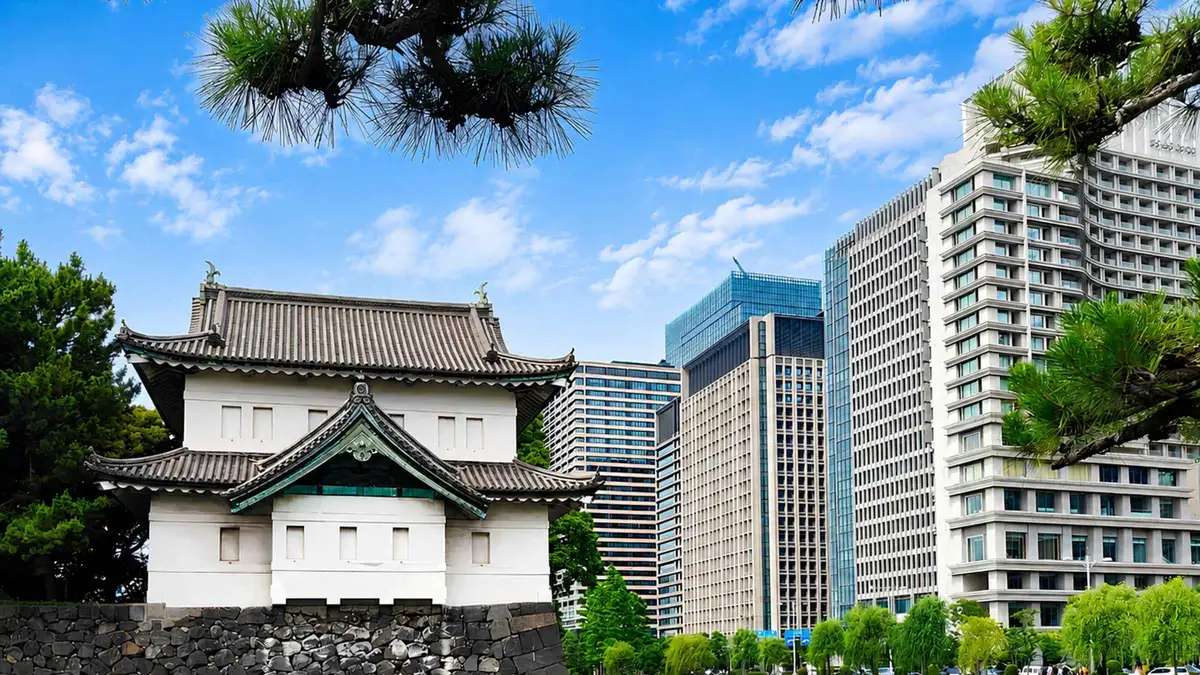
Tokyo: Imperial Palace and Shogun Walking Tour
A 2-hour guided walk through the free Imperial Palace East Gardens covering Edo Castle ruins, stone walls and koi ponds. The palace residence itself is not open to visitors; this covers the gardens only.
Check Availability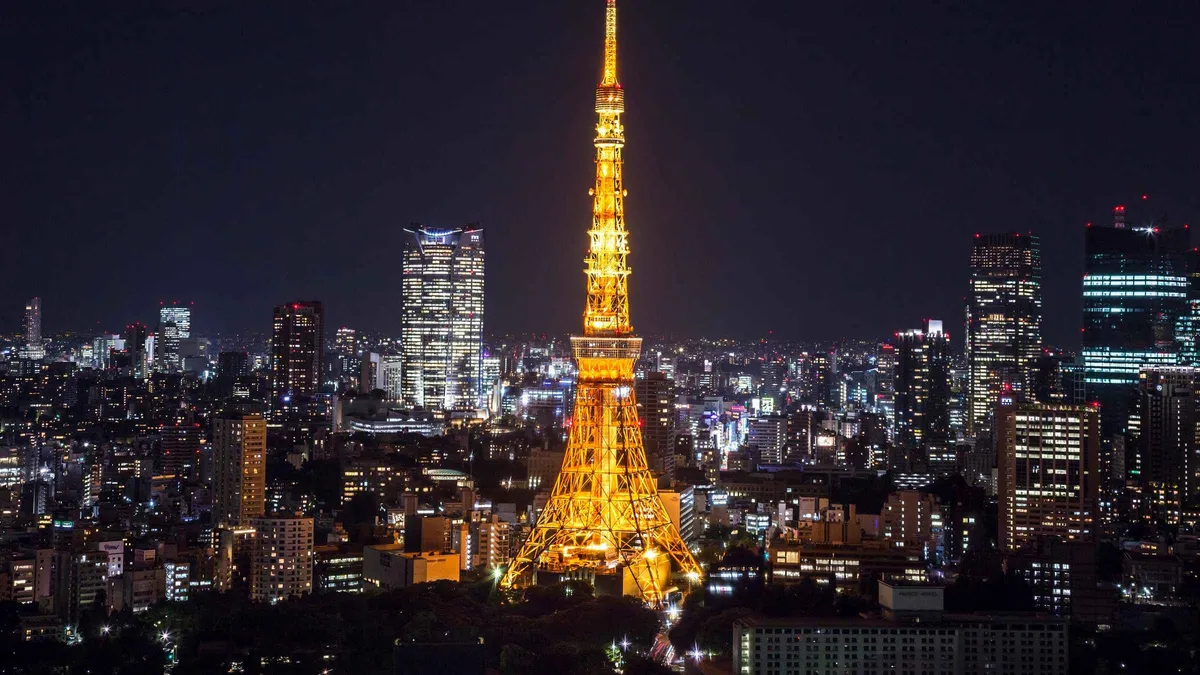 from $9.74
Tokyo Tower Admission Ticket
General admission ticket to Tokyo Tower's Main Deck, with an upgrade option for the Top Deck. Self-guided, valid one day to six months. Suits travelers who want the view without a guide.
Check Availability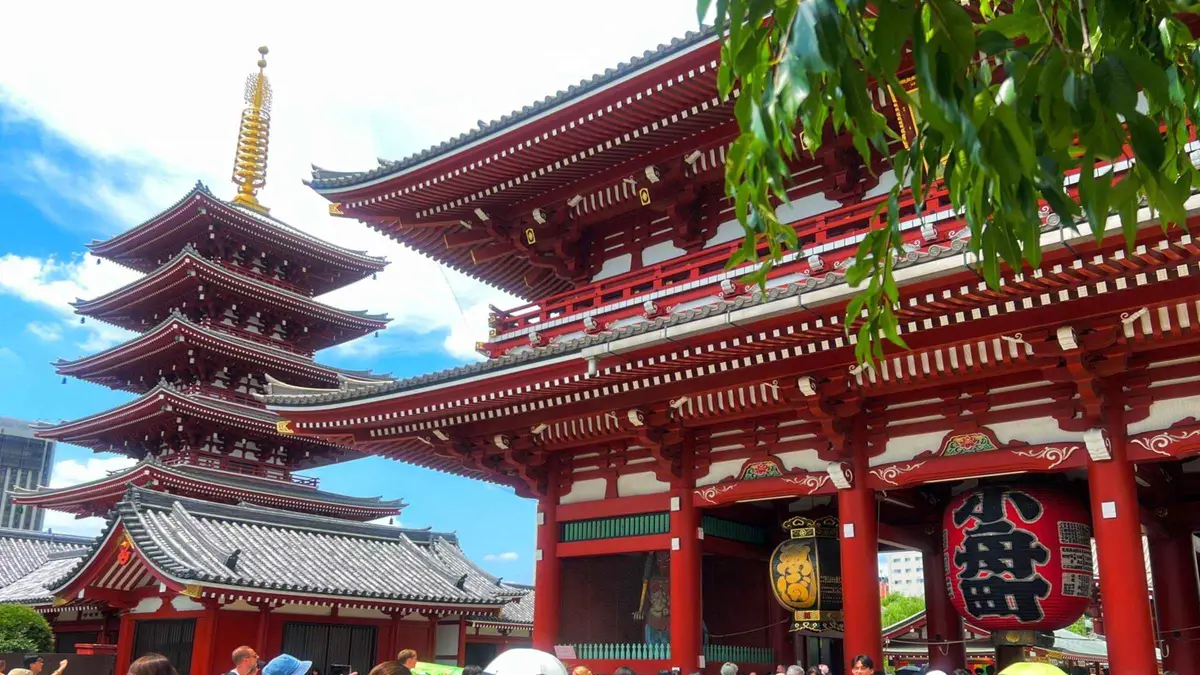 from $12.99
Tokyo: Asakusa and Sensoji Walking Tour
A small-group walking tour of Asakusa's oldest temple, Edo-era alleys and Nakamise Street, with history and local stories from a guide, capped at 10 participants for a closer experience.
Check Availability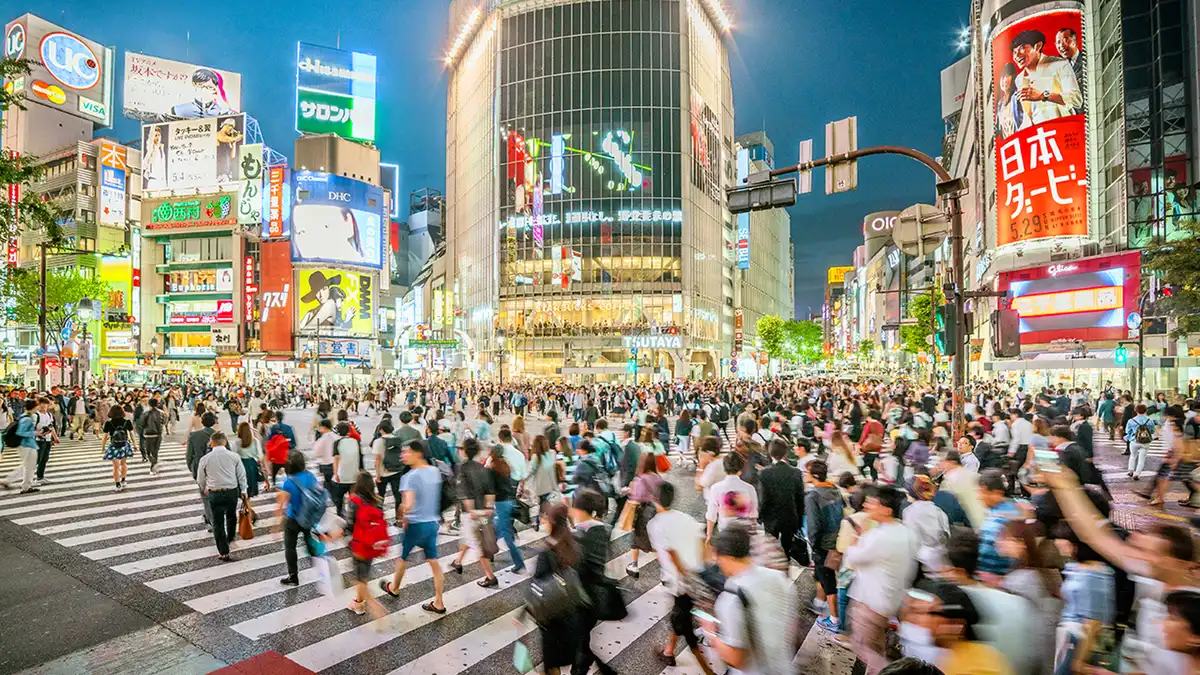 from $12.99
Tokyo: Shibuya Highlights Walking Tour & Secret View Spot
Ninety-minute walking tour of Shibuya covering the Scramble Crossing, Miyashita Park and Center Gai with a local guide, no attraction tickets included. One of the cheapest guided ways to get oriented to the district.
Check Availability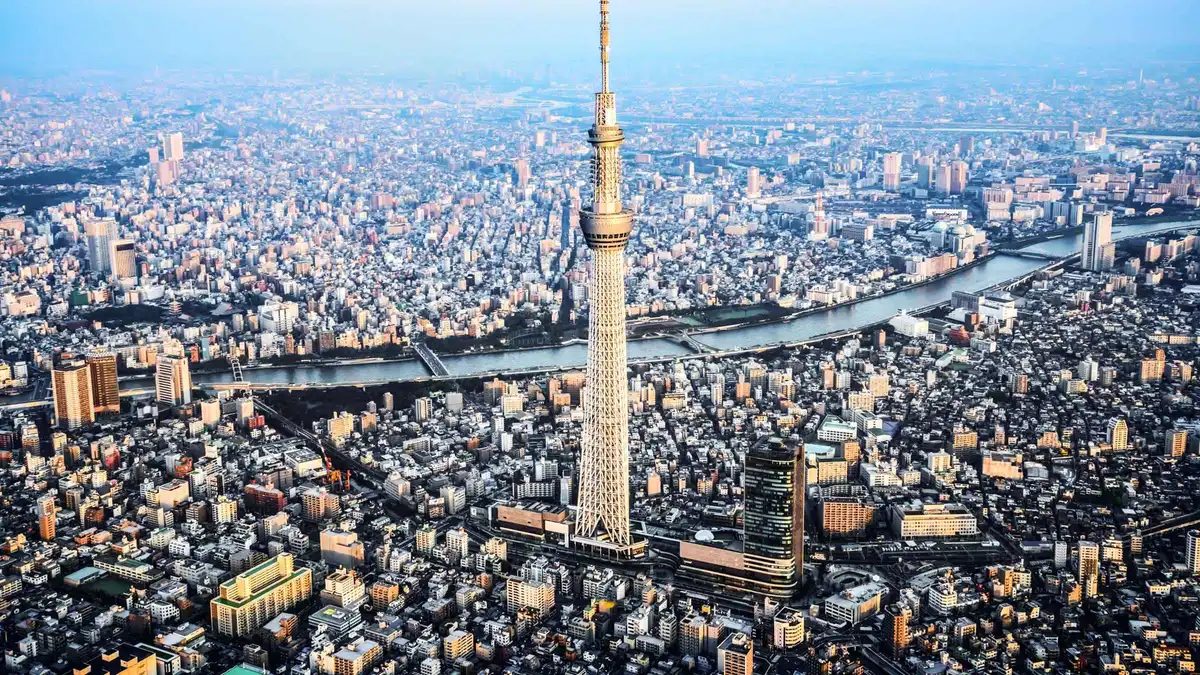 from $14.28
TOKYO SKYTREE® Admission ticket
Skip-the-line admission to Tokyo Skytree's Tembo Deck, with an optional upgrade to the higher Tembo Galleria, valid for one day with a booked start time.
Check Availability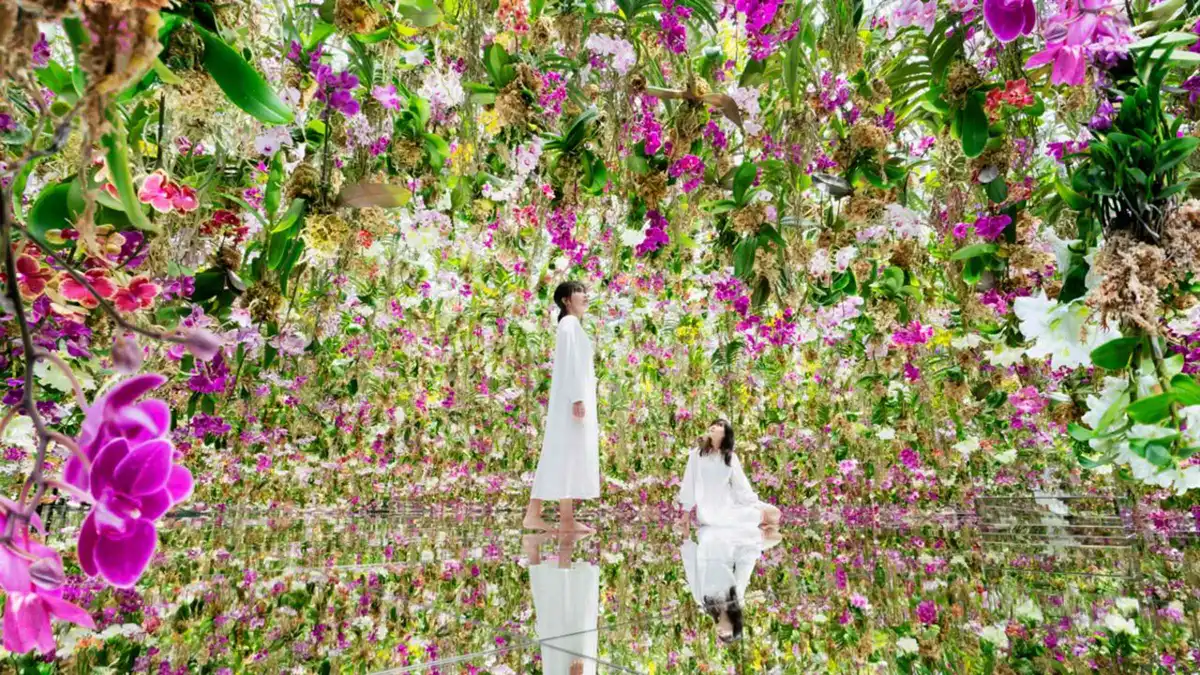 from $24.67
Tokyo: teamLab Planets TOKYO Digital Art Museum Entry Ticket
Entry ticket to teamLab Planets, a barefoot walk-through digital art museum in Toyosu with water rooms and mirrored floors. Self-guided, timed entry, official e-ticket emailed after booking.
Check AvailabilityPrices, ratings and details are the platform's own, checked in Q3 2026; dollar figures are the listed prices — the platform bills in your account's currency.
Where To Go Next
Three pages that turn these numbers into decisions.
Free things to do in Tokyo
The frugal day in the ladder above works because the free list here is unusually strong, from the shrine grounds to a 202-metre view that charges nothing. See what costs nothing.
The zero columnGetting around Tokyo
Whether a pass beats singles, how the transfer discount works and what an IC card actually costs to buy and to cash in. Read getting around Tokyo.
The transport lineStaying connected
Data is the one budget line that is entirely a choice, and it runs from a few dollars to fifty for the same two weeks. Compare the data options.
The line people forgetWhat Tokyo Costs: The Questions
Is Tokyo expensive?
Less than its reputation. Japan's own tourism organisation states that Tokyo and other large Japanese cities are not more expensive than other big cities worldwide, and the published prices bear it out: a hot meal at a station counter is $2.92 (¥450), a subway ride is $1.15 (¥178) and several of the city's best sights charge nothing. The expensive lines are the flight and the room, not the day. The ladder shows what a day actually costs at three levels.
How much money do I need per day in Tokyo?
About $38.90 (¥6,000) a person for food, transport and one paid attraction, on our own arithmetic from published prices, with the room on top. A determined budget traveller can do the same day for about $16.20 (¥2,500) using chain meals and the free sights, and two paid tickets plus a transport pass takes it to roughly $77.80 (¥12,000). The comparison table breaks each column into its lines.
Is 2,000 dollars enough for a week in Tokyo?
Comfortably, once the flight is excluded. Seven days at our middle rate is about $272 a head for everything but the bed, and the median midweek room in the Akihabara-side ward was $52 a night when we queried Google Hotels in Q3 2026, in Shinjuku $72. That leaves a large margin inside $2,000 for a couple, and the room is the line to adjust if you want to spend more on eating. The lodging section has the area bands.
Can I use a credit card everywhere in Tokyo?
Almost everywhere, but not quite. The national tourism organisation calls Japan a cash culture and warns that smaller shops may take yen only, and station ticket machines top up IC cards with cash alone. Carry both. Seven Bank and Japan Post Bank ATMs take foreign cards, and the cash section lists which networks each accepts and why you should refuse the machine's offer to bill you in your own currency.
Do I have to tip in Tokyo?
No. Japan's tourism organisation states that it is not common to tip in bars, cafes, restaurants, taxis or hotels, and staff will often return money left on a table. The one soft exception is a discretionary envelope gift to a private guide, and it is never expected. Budget for the price on the menu and nothing beyond it.
How much is the Tokyo accommodation tax?
Nothing below $64.80 (¥10,000) per person per night, ¥100 per person per night from there to just under ¥15,000, and ¥200 at ¥15,000 and above. From 1 April 2027 it becomes a flat 3 percent of the room charge with an exemption below ¥13,000, and it extends to hostels and registered private rentals for the first time. The lodging section sets out both systems.
What does a meal cost at a Tokyo chain restaurant?
Between $2.92 and $4.28 (¥450 and ¥660) for a hot meal at the big station chains, on their own published menus: plain soba at $2.92 (¥450), a morning set at $3.05 (¥470), a beef bowl at $3.23 (¥498) and pork cutlet on rice at $4.08 (¥630). Ramen shops, department-store restaurant floors and izakaya are independent businesses that publish no chain-wide price, which the price list says plainly rather than guessing.
On Film: What People Actually Spend Here
Three breakdowns from travellers who kept their receipts, useful as a sanity check against the ladder above rather than as a source of prices.
How Much Should Your Japan Trip Cost? Japan Trip Budget Breakdown
A line-by-line trip budget, structured much like the ladder on this page.
Video: Hoang PhamHow to Travel Tokyo on a TINY Budget
What the frugal column looks like in practice, filmed in the chains and the free sights.
Video: Maurice MovesHow Expensive is it to Travel Japan? Two Weeks on 1,000 Dollars
The two-week version of the same arithmetic, with the room as the swing line.
Video: Abroad in JapanVideos load from YouTube only when you press play.
Reviewed Q3 2026 (July–September 2026); next review Q4 2026. Prices, hours and terms are set by the venue or operator and confirmed at checkout.
We may earn a commission if you book through one of our links, at no extra cost to you. Full affiliate disclosure