 Visit Tokyo Guide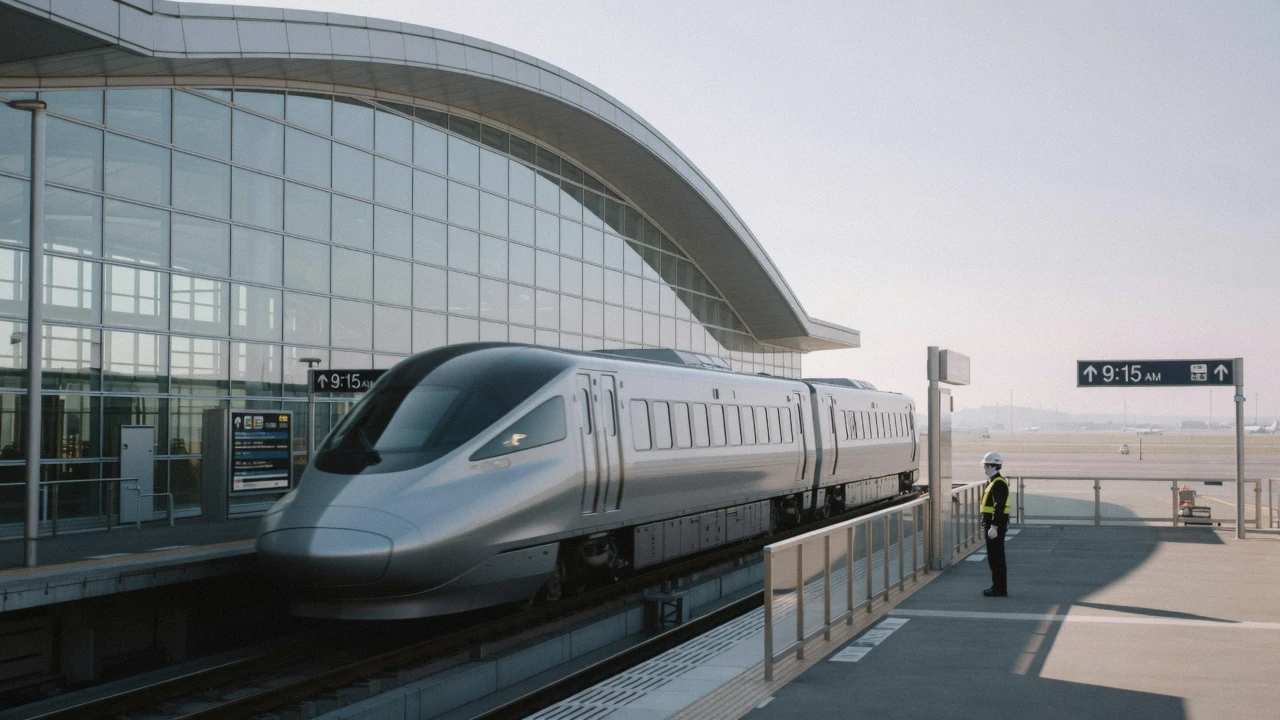
Haneda Airport to Tokyo
Haneda Airport to Tokyo is the short transfer, and that changes the decision. The airport's own access table puts Shinagawa 15 minutes away, Tokyo Station about 30 and Shinjuku about 50, so the question is not how to survive an hour on a train but which of two railways and one bus network puts you closest to your door for the least money. This page prices the Tokyo Monorail, the Keikyu Line, the Airport Limousine bus and the taxi from the operators' and the airport's own pages, read in Q3 2026, names the route we would take for each of the four areas most visitors book, and says plainly where an official fare simply is not published. Once you are in the city, getting around Tokyo takes over; if you are still choosing flights, the arithmetic for the far airport is on its own page. Dollars are converted at ¥1,000 = $6.48, the rate used across this guide to visiting Tokyo.
Quick answer Two railways, one bus, and the route for each of the four areas people book
Take the Tokyo Monorail if your hotel is anywhere on the Yamanote loop, and the Keikyu Line if it is at Shinagawa or on the Asakusa side. The monorail runs from all three terminals to Monorail Hamamatsucho for $3.37 (¥520), on average every five minutes, and Hamamatsucho is a loop-line interchange. Keikyu reaches Shinagawa in 11 minutes from Terminal 3 and 14 from Terminals 1 and 2, and its trains carry on into the city centre without a change.
Key takeaways
- Where you sleep decides this. The airport's own timings put Shinjuku about 50 minutes out, Shibuya about 45, Tokyo Station about 30 and Asakusa about 40; the route we would take for each is in the routing table.
- On a weekend or a public holiday the monorail sells a flat discount ticket through to any Yamanote station at $3.82 (¥590), against an ordinary fare of $4.41 to $5.64 (¥680 to ¥870). It is machine-only, on the day, at the airport.
- The bus is the luggage answer rather than the fast one, at $7.78 (¥1,200) to Tokyo Station Yaesu and $9.07 (¥1,400) to the Shinjuku and Nakano area, and several central routes are currently marked suspended, which the bus section sets out.
- Landing after midnight is the one case the trains do not cover, and the late-arrival section lists the airport's own night-bus departures. If the flight lands at an awkward hour with four suitcases, a private car that meets it removes the question.
The Five Ways Out Of Haneda, Priced Side By Side
Fares are the operators' own published figures, journey times come from Haneda Airport's official access table and from Keikyu's own page, all read in Q3 2026. Two cells say the fare is not published, and that is the honest state of those pages rather than a gap in our research.
| Way in | One-way fare | Time | Where it leaves you | Who it suits |
|---|---|---|---|---|
| Tokyo Monorail | $3.37 (¥520), IC $3.36 (¥519) | About 20 minutes to Hamamatsucho | Monorail Hamamatsucho, beside the JR Yamanote loop | Almost everyone: the loop reaches Shinjuku, Shibuya, Ueno and Tokyo Station |
| Keikyu Line | Not published as a static table | 11 minutes to Shinagawa from Terminal 3, 14 from Terminals 1 and 2 | Shinagawa, or on into the centre without changing trains | Shinagawa hotels, the Ginza side, and Asakusa in about 40 minutes |
| Airport Limousine bus | $7.78 (¥1,200) to Tokyo Station Yaesu, $9.07 (¥1,400) to Shinjuku and Nakano | About 35 minutes to Shinjuku West Exit | A station bus terminal or a hotel forecourt | Two large cases, small children, or a hotel actually on the route |
| Taxi, fixed fare | Zone chart published only as an image | Not stated by the association | Your door | Four people splitting one fare, or an arrival with no working train |
| Private transfer | From $31.62 for the vehicle | About one hour door to door | Your accommodation | A late landing, a group, or a first night nobody wants to spend map-reading |
The two blanks are real. Keikyu publishes fares through an interactive route search rather than a printed table, and the Tokyo Hire-Taxi Association renders its Haneda fixed-fare chart as a graphic, so neither yields a number we can quote. Both are covered in their own sections below.
Which Line For Where You Are Sleeping
The four areas most first visits book, plus Shinagawa, with the airport's own published journey time, the route we would take and the bus alternative beside it. Times are from Haneda Airport's official Train and Monorail page, read in Q3 2026; fares are the operators' own.
Read the row for your hotel, not the row for the cheapest fare. Every option here costs under ten dollars, so a saving of a dollar and a half matters far less than arriving at a station you can walk from.
| Where you are staying | Airport's published time | What we would take | What the airport leg costs | Bus alternative |
|---|---|---|---|---|
| Shinjuku | About 50 minutes | Monorail to Hamamatsucho, then the Yamanote loop north | $3.37 (¥520) plus the loop fare, or a flat $3.82 (¥590) on a weekend | About 35 minutes to the West Exit, $9.07 (¥1,400) |
| Shibuya | About 45 minutes | Monorail and the loop, or Keikyu to Shinagawa and the loop | $3.37 (¥520) plus the loop fare | About 40 minutes to Mark City; fare not published on the pages we read |
| Tokyo Station and Ginza | About 30 minutes | Monorail to Hamamatsucho, then one loop stop | $3.37 (¥520) plus the loop fare | $7.78 (¥1,200) to Yaesu, but see the suspended routes below |
| Asakusa | About 40 minutes | Keikyu, staying on the through train | Not published as a static fare | About 1 hour 5 minutes by bus |
| Shinagawa | About 15 minutes | Keikyu, and nothing else | Not published as a static fare | None needed |
Reading The Signs At Each Terminal
Two patterns come out of that table. The first is that Hamamatsucho does more work than its name suggests: it is one interchange, and from it the loop line reaches the whole east and north of the tourist city, which is why the monorail suits more arrivals than any other single service. The second is that Keikyu wins outright at exactly two ends, Shinagawa and the Asakusa side, and that at both of them it wins by a wide margin rather than a few minutes.
Those timings come from Haneda Airport's own Train and Monorail page, and they are door-of-station to door-of-station, so add the walk from your gate. Terminal 3, which takes most international arrivals, has its monorail gates on the second-floor arrival lobby and the third-floor departure lobby, and its Keikyu gates split by direction: downtown and Yokohama trains from the second-floor arrival lobby, Terminal 1 and 2 shuttles from Keikyu's B2 level. Terminal 1 and Terminal 2 both put the shared platform at B1. Reading that sign correctly is the difference between an eleven-minute ride and a forty-minute detour.
The Tokyo Monorail, And The Ticket Only Weekends Get
Tokyo Monorail's own fare page and its discount-ticket page, both read in Q3 2026. The fare is flat from all three terminals, and the one discount worth knowing about is sold on a calendar rather than every day.
Every Haneda terminal charges the same to Monorail Hamamatsucho, and the IC card saves you a single yen, which is not a reason to do anything. The line's own guidance is that trains leave on average every five minutes, so no visitor needs a timetable for it.
| Ticket | Adult | Child | Covers | Where you buy it |
|---|---|---|---|---|
| Terminal 1, 2 or 3 to Hamamatsucho, paper ticket | $3.37 (¥520) | $1.68 (¥260) | The monorail only | Any station machine |
| The same ride tapped on an IC card | $3.36 (¥519) | $1.68 (¥259) | The monorail only | Your Suica or PASMO |
| Monorail and Yamanote Line Discount Ticket | $3.82 (¥590) | $1.88 (¥290) | Haneda through Hamamatsucho to any Yamanote station, one way | Haneda terminal machines, day of use only |
| The same journey at the ordinary fare | $4.41 to $5.64 (¥680 to ¥870) | Half fare | The same journey, priced by Yamanote zone | Any station machine, any day |
The Calendar The Discount Ticket Runs On
The discount ticket is the one piece of genuine local knowledge on this page, and it comes with a calendar. Tokyo Monorail sells it on weekends, Sundays and public holidays from mid-March through the end of March 2027, plus named holiday blocks: the end of March, the first week of April, the Golden Week stretch from late April into early May, the whole of the summer from mid-July to the end of August, the first week of October, the start of November, the New Year block from Boxing Day to 3 January, and three short windows in February and March 2027. It is sold at the Haneda terminal ticket machines only, on the day you travel, with no advance sale.
So the rule is simple. If you land on a Saturday, a Sunday or a public holiday and you are going anywhere on the loop, buy it at the machine before the gate and save between a dollar and two dollars. If you land on a Tuesday in November, the ticket does not exist for you and the ordinary fare is what you pay.
The calendar itself, and the fare table above it, are published on Tokyo Monorail's own discount-ticket page. One more thing the fare page settles: the monorail is not a JR line, so a Suica bought from Tokyo Monorail is refunded by Tokyo Monorail rather than at a JR window. That only matters on the way home, and the IC card rules cover the rest of it.
Keikyu: Eleven Minutes To Shinagawa, And A Fare Nobody Prints
Keikyu is the other railway under the terminals, and on its own official access site it publishes journey times but not a fare table. Terminal 3 to Shinagawa is 11 minutes, Terminals 1 and 2 are 14, and the same site gives Terminal 3 to Narita Airport as 92 minutes and Terminals 1 and 2 as 95, which is the fastest airport-to-airport link in the city. What that site does not carry is a printed fare: its fare page is an interactive route and fare search, and the ¥150 and ¥220 figures printed there are the handling fee for refunding a ticket bought in error, not the price of a ride. Third-party sites quote a figure of a few hundred yen for Haneda to Shinagawa, and it is probably right, but we do not print a number an operator does not publish.
What makes Keikyu worth choosing anyway is what happens after Shinagawa. Its airport trains run through onto the Toei Asakusa Line, which is why the airport's own table shows Asakusa at about 40 minutes by train with no change of station, and Ueno at about the same. If your hotel is on that eastern arc, Keikyu is not merely competitive, it is the only route that does not involve dragging a case across an interchange.
Keikyu also lists a combination ticket, the KEIKYU Hanetoku Ticket sold together with the Tokyo Subway Ticket, on its discount-ticket page. Neither Keikyu's own page nor Toei's equivalent gave us a price when we read them in Q3 2026, so we can tell you the product exists and not what it costs. If you are going to buy the subway pass anyway, ask at the Keikyu counter in the arrivals hall and compare it against the two prices separately before you commit.
The Limousine Bus, And The Routes That Are Not Running
Fares from Airport Transport Service's own route pages; journey times and the current route list from Haneda Airport's official express-bus page, all read in Q3 2026. This is the section where the airport's list and the operator's list do not quite agree, which is worth knowing before you plan around a bus.
The case for the bus is not speed. It is that you sit down once, your case goes in the hold, and you get off either at a station bus terminal or at a hotel forecourt. For two adults with two large cases and a child, that is worth more than the fare difference against the monorail.
| Route | Adult | Child | Published time from Haneda | Status on the airport's own list |
|---|---|---|---|---|
| Shinjuku and Nakano area, including hotel stops | $9.07 (¥1,400) | $4.54 (¥700) | About 35 minutes to Shinjuku West Exit | Running |
| Tokyo Station, Yaesu side | $7.78 (¥1,200) | $3.89 (¥600) | About 50 minutes to the Marunouchi routes | Marunouchi and Otemachi marked suspended |
| Shibuya Station, Mark City | Not published on the pages we read | Not published | About 40 minutes | Running |
| Toyocho, Kinshicho and Asakusa | Not published on the pages we read | Not published | About 1 hour 5 minutes to Asakusa | Running |
| Hibiya, Shiodome and Ginza | Not published on the pages we read | Not published | About 35 minutes to 1 hour 20 | Marked suspended |
Where The Bus Is Still The Right Call
The mismatch in that last column is the thing to take away. Airport Transport Service still publishes a Haneda to Tokyo Station Yaesu fare of ¥1,200, while Haneda Airport's own express-bus listing marks the Otemachi and Marunouchi service and the Hibiya, Shiodome and Ginza service as suspended, along with Akasaka and Roppongi, Shinagawa and Ebisu, Toranomon and Akihabara. Some of those routes have been paused since the pandemic and never restarted. If your plan depends on a bus into the middle of the city, check the route's own page on the day rather than trusting a printed guide, and have the monorail as the fallback.
Where the bus is unarguable is the Shinjuku corridor. Thirty-five minutes to the West Exit for $9.07 (¥1,400) with your case in the hold beats a monorail plus a loop-line change with the same case, and the route stops at a long list of Shinjuku hotel doors as well as the Expressway Bus Terminal. Reservations can be made online or bought at the machine on the day; from the airport, the counter and the machines are in the arrivals hall.
Taxis, Fixed Fares, And The Chart That Is A Picture
Haneda has a fixed-fare taxi system, and the Tokyo Hire-Taxi Association's own English pages confirm how it works: flat prices from the airport to zones covering Tokyo's 23 wards, Musashino and Mitaka, with a separate chart for the Tama district. Expressway tolls are charged on top. Rides between 22:00 and 05:00 pay the late-night and early-morning premium version of the fixed fare. Holders of a physical, intellectual or mental disability certificate get a discount on presentation of the certificate, and no reservation is needed: you join the queue at the taxi area outside the terminal.
What the association does not do is publish the yen amounts as text. The fare chart on both its Haneda pages is an image, and it did not yield a figure we could read when we fetched it in Q3 2026. Every taxi price you will see quoted for this run in a blog is therefore somebody's screenshot of that graphic or their own receipt, and we do not reprint those as facts. Ask the marshal at the rank, or read the chart on the board, before you get in.
The alternative that does publish a price is a pre-booked car, and for a group it is often the cheaper of the two. A private transfer between Haneda and a central address is listed at $31.62 for the vehicle rather than per person, which four people split into something close to the monorail fare each; the larger-vehicle version at $116.87 covers a bigger party and a mountain of luggage. Both meet the flight, which a queue does not.
Landing After Midnight, Or Leaving Before Dawn
Haneda takes international flights around the clock, and the rail network does not run around the clock. The airport publishes a night-bus table for exactly this problem, read in Q3 2026.
Neither Tokyo Monorail nor Keikyu published first and last train times on the pages we could reach, so we name no last train here. What is published, on Haneda Airport's own express-bus page, is a late-night and early-morning bus table, and it is short enough to memorise.
| Night service | Terminal 1 | Terminal 2 | Terminal 3 | Operator |
|---|---|---|---|---|
| Shinjuku and Ikebukuro | 00:10 | 00:05 | 00:20, 01:00, 01:40, 02:20 | Airport Transport Service |
| Yokohama Station and Sakuragicho | No departure listed | No departure listed | 01:20 | Keikyu Bus |
Four departures from Terminal 3 between midnight and half past two is a genuinely useful safety net, and it is the reason a 23:50 arrival at Haneda is a far smaller problem than the same arrival at the far airport. The airport notes that these services can change with the flight schedule, so treat the table as the shape of the provision rather than a promise for a particular night.
The other two answers are a room and a car. Haneda has hotels inside and beside the terminals, which turns a 01:00 landing into a short walk and a normal morning. And a pre-booked transfer meets the flight number, which means a delayed landing is the driver's problem rather than yours. Neither is cheap; both are cheaper than the fixed-fare taxi with its night premium and its tolls, and both remove the stage of the trip where tired people make expensive decisions.
Going the other way, an early departure is the easier half. The first services run well before the first useful check-in time for a morning flight, and if you are leaving from a hotel on the Shinjuku bus corridor you can be at the terminal in thirty-five minutes. What catches people out is luggage forwarding: Yamato's airport service quotes a ladder starting at ¥1,600 a parcel from the Kanto region, plus a ¥660 counter fee for dropping bags at Haneda, and it needs to be arranged the day before rather than on the morning.
Haneda Or The Far Airport: The Honest Comparison
If you are still choosing flights, this is the comparison that decides it, built from the two airports' own access pages and the operators' fare tables, read in Q3 2026. The full detail of the other side sits on its own page.
One number frames the whole thing: Haneda's own table puts Tokyo Station about 30 minutes away, and the fastest published service from the far airport reaches it in 53. On the fare side the gap is wider still, because Haneda's cheapest useful ride costs about a fifth of the fastest train from Narita.
| The comparison | Haneda | The far airport | What it means for you |
|---|---|---|---|
| Cheapest useful rail fare | $3.37 (¥520) | $8.04 (¥1,240) | Two people save about nine dollars on arrival day alone |
| Fastest published run to the centre | About 30 minutes to Tokyo Station | 36 minutes to Nippori, 53 to Tokyo Station | Haneda gives you back an hour on each of two travel days |
| Premium train fare | No premium train exists; it is all ordinary rail | $16.01 (¥2,470) and up | Nothing to decide at Haneda, which is its own advantage |
| Night services | Buses at 00:05, 00:10, 00:20, 01:00, 01:40 and 02:20 | One late-night bus tier at $19.44 (¥3,000) | A midnight landing is a manageable event at Haneda |
| Between the two airports | 92 minutes from Terminal 3 by Keikyu | The same journey in reverse | Connecting between them is possible and slow; avoid booking it tight |
None of that makes the far airport a mistake. It takes more long-haul routes, its fares are often lower, and the visitor round-trip ticket sold there is the single biggest transport saving available to a foreign passport in this city. But if two itineraries are within a hundred dollars of each other and one lands at Haneda, take Haneda: you are buying back two hours and two fares, and you are buying an arrival that still works if your flight is late.
One caveat for departures. Haneda's international check-in peaks are concentrated, and the airport's own advice is to allow the airline's stated time rather than the train time. Thirty minutes from Tokyo Station is a train journey, not a plan.
When A Car That Meets The Flight Is The Right Answer
Two private transfers for the arrivals the timetable handles badly: a landing after the last train, a party with more luggage than hands, or a first evening in Japan that nobody wants to spend at a ticket machine. Prices are the platform listings in US dollars as they stood in Q3 2026, and each card links to the operator's own page with its live calendar.
 from $31.62
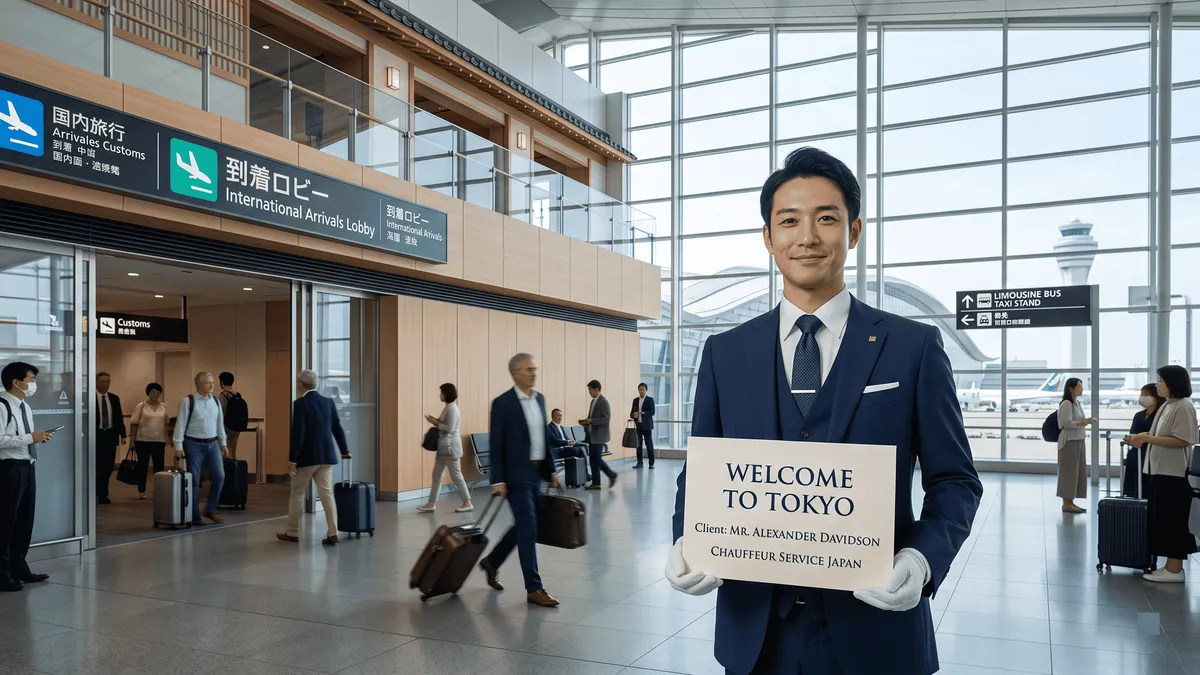
HND Airport Private Transfer to/from Tokyo City Center
A private one-hour transfer between Haneda Airport and your Tokyo accommodation in an air-conditioned vehicle, with the driver assisting with luggage on either the arrival or departure leg.
Check Availability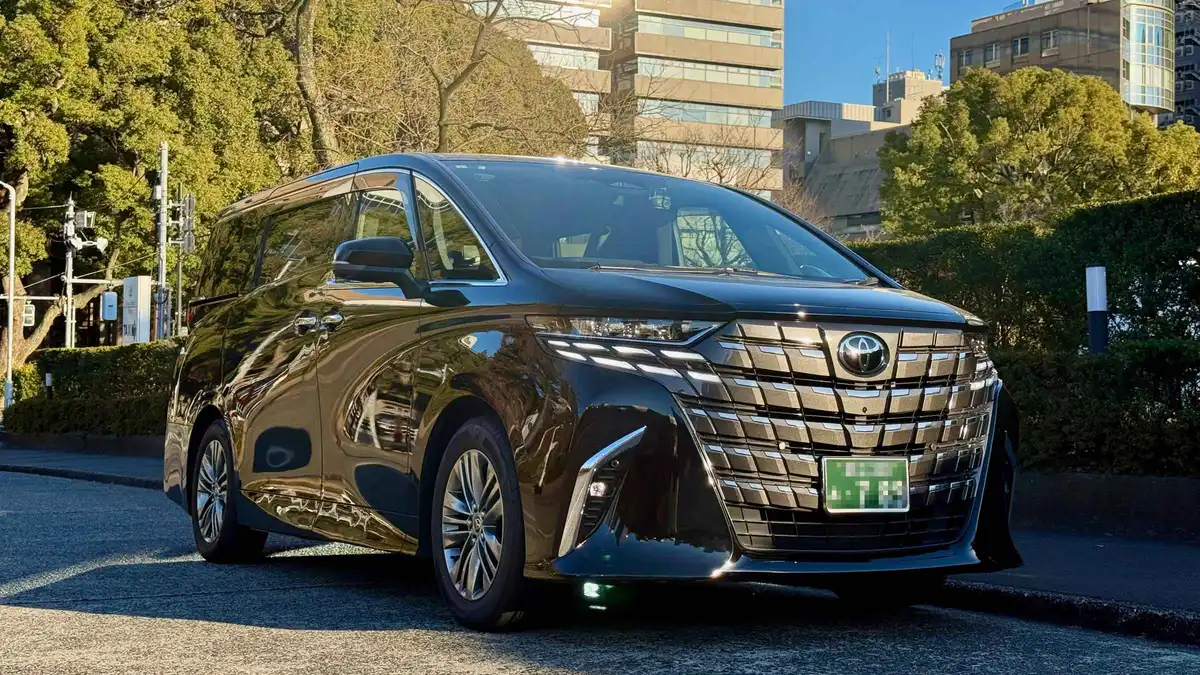 from $116.87
Haneda Airport (HND) Private Transfer to/from Tokyo City
A private one-way transfer of about an hour between Haneda Airport and central Tokyo, built to skip crowded trains, wrong-platform confusion and missed stops after a long flight.
Check AvailabilityPrices, ratings and details are the platform's own, checked in Q3 2026; dollar figures are the listed prices — the platform bills in your account's currency.
The Airport And The Five Places These Services Reach
Haneda and the city ends of the routes above, on the OpenStreetMap base layer. The point of the map is the scale: unlike the far airport, everything here is inside the built-up city, and the longest ride on the page is under an hour.
Pin positions are the station sites on OpenStreetMap. Journey times are Haneda Airport's own published figures, read in Q3 2026.
Where To Go Next
Three pages that pick up where the airport run ends.
Getting around Tokyo
Two subway companies, three networks, the IC card and the pass arithmetic that decides whether a subway ticket is worth buying at the airport at all. Read getting around Tokyo.
The next hourNarita Airport to Tokyo
Five services, the visitor round-trip ticket and the combination fares, for anyone whose flight lands at the far airport instead. See the options from Narita.
The other airportWhat Tokyo costs
The airport leg is the smallest line in a Tokyo budget. The daily ladder, what individual things cost and the accommodation tax are on the money page. See what Tokyo costs.
The rest of the budgetHaneda Airport To Tokyo: Questions
What is the cheapest way from Haneda Airport to Tokyo?
The Tokyo Monorail at $3.37 (¥520) to Monorail Hamamatsucho, where you step across to the Yamanote loop. On a weekend or public holiday the flat discount ticket at $3.82 (¥590) covers that ride plus the loop leg to any Yamanote station, which undercuts the two fares bought separately. The monorail section has the fare table and the sale calendar.
How much does it cost to get from Haneda Airport to Tokyo?
Between $3.37 (¥520) on the monorail and about $32 for a private car that meets your flight, with the limousine bus at $7.78 (¥1,200) to Tokyo Station Yaesu and $9.07 (¥1,400) to the Shinjuku area in between. The fixed-fare taxi sits above all of them and its chart is not published as text, which the taxi section explains. Every option is compared in the table at the top.
How do I get from Haneda to Shinjuku?
Two good answers. The Airport Limousine bus runs to the Shinjuku West Exit in about 35 minutes for $9.07 (¥1,400) and stops at a list of Shinjuku hotels, which is the choice with luggage. Or take the monorail to Hamamatsucho and the Yamanote loop north, about 50 minutes on the airport's own timing and under five dollars all in, or a flat $3.82 (¥590) with the weekend discount ticket. The area itself is covered on the Shinjuku page.
Is the Tokyo Monorail or the Keikyu Line better from Haneda Airport?
The monorail if you are heading anywhere served by the Yamanote loop, because Hamamatsucho is a single easy interchange and the fare is flat at $3.37 (¥520) from every terminal. Keikyu if you are staying at Shinagawa, which it reaches in 11 minutes from Terminal 3, or on the eastern arc towards Asakusa, which its through trains reach in about 40 minutes without a change. The routing table puts both against the four areas people usually book.
Is it better to fly into Haneda or the other Tokyo airport?
Haneda, when the fares are close. Its own access table puts Tokyo Station about 30 minutes away against 53 minutes on the fastest published service from the far airport, its cheapest useful rail fare is about a fifth of the price, and it runs night buses from 00:05 through 02:20. The full comparison, including where the far airport genuinely wins, is in the airport comparison section.
What runs from Haneda Airport late at night?
The airport's own late-night table lists buses to Shinjuku and Ikebukuro at 00:05 from Terminal 2, 00:10 from Terminal 1 and 00:20, 01:00, 01:40 and 02:20 from Terminal 3, plus a 01:20 Keikyu Bus departure to Yokohama Station and Sakuragicho from Terminal 3. Neither railway published first and last train times on the pages we could reach, so we name no last train. The late-arrival section covers the airport hotels and a car that meets the flight.
Can I use a Suica or PASMO card from Haneda Airport?
Yes, on both railways and on the loop line beyond them: the monorail publishes an IC fare of ¥519 against the ¥520 paper ticket, which tells you the tap works and the saving does not matter. The bus and the fixed-fare taxi are separate purchases. What is worth knowing is that a Suica issued by Tokyo Monorail is refunded through Tokyo Monorail rather than at a JR window, and the rest of the card rules are on the getting around page.
The Haneda Run On Film
Three walk-throughs that show what a fare table cannot: the signage after customs, which escalator leads to which railway, and what each service looks like with a suitcase in hand.
How to Get from Haneda Airport to Tokyo: Train, Bus, Taxi, Private Transfer
The same four options as the table above, filmed at the terminals and the ticket gates.
Video: Kensho QuestHow to Get From Haneda Airport to Tokyo: Cheap Transport Options
The budget end of the comparison, including the monorail and the bus stands.
Video: Tokyo CheapoHaneda Airport to Tokyo: Cheapest vs Fastest vs Most Convenient
A three-way split that matches the decision this page asks you to make.
Video: Travel Smart JapanVideos load from YouTube only when you press play.
Reviewed Q3 2026 (July–September 2026); next review Q4 2026. Prices, hours and terms are set by the venue or operator and confirmed at checkout.
We may earn a commission if you book through one of our links, at no extra cost to you. Full affiliate disclosure