 Visit Tokyo Guide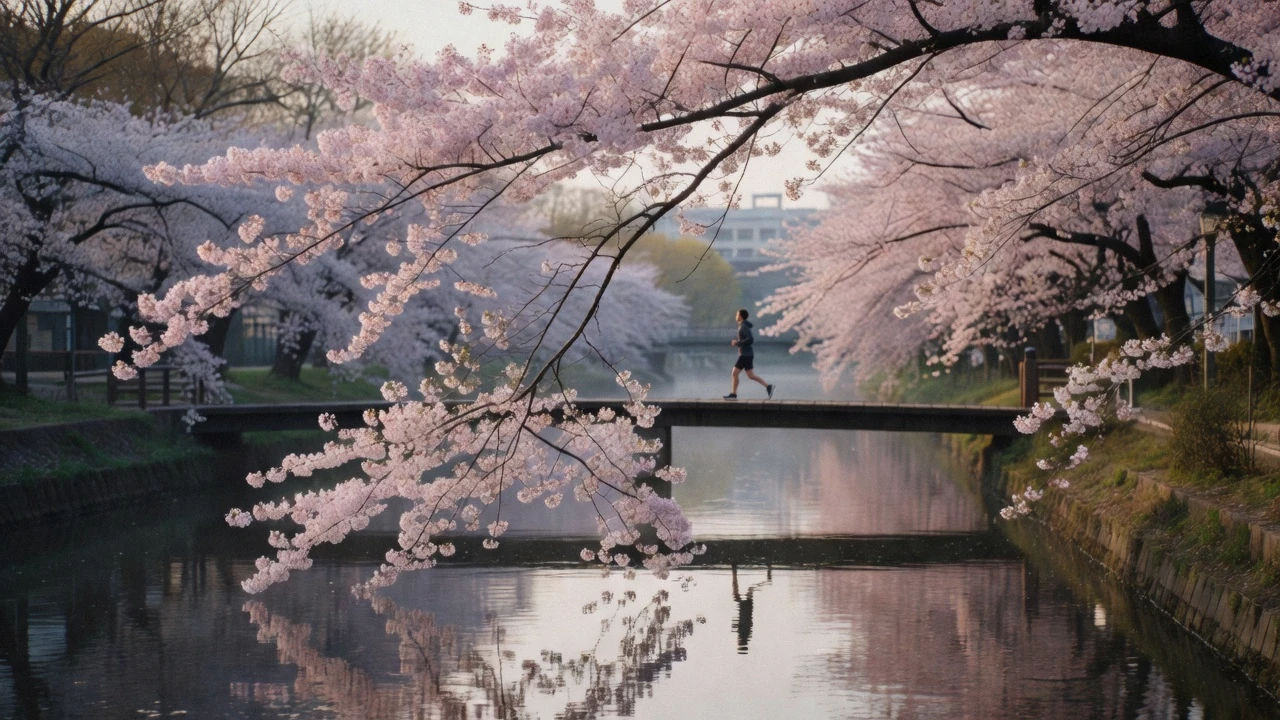
Best Time to Visit Tokyo
Deciding the best time to visit Tokyo comes down to four numbers per month and three fixed traps, and this page prints all of them. The climate figures are ours, computed from the Open-Meteo ERA5 reanalysis for 35.6812°N, 139.7671°E over the thirty years from 1 January 1995 to 31 December 2024, so the Tokyo weather by month table is a thirty-year mean rather than one blogger's memory of a trip. The traps are the blossom window nobody can date in advance, the September typhoon peak, and the fortnight either side of New Year when half the city's ticketed sights are shut. Every venue closure below is read from that venue's own page in Q3 2026, prices are converted at ¥1,000 = $6.48, and what shuts on an ordinary week is on the Monday closures page. Dated festivals live on the events calendar. The rest of the planning, once the dates are settled, starts on the Tokyo city guide.
Quick answer Two good windows, one wet trap, one shutdown
Late October to late November is the strongest window: average highs fall from 21.1°C (70°F) to 16.0°C (61°F), rainfall drops from the October peak of 190 mm to 95 mm, and November averages 9.9 days with measurable rain against October's 12.5. Late March to mid-April is the other one, and it costs you crowds and about 120 mm of rain for the blossom. The months to think twice about are June, with 14.0 rainy days, and August, whose average low of 23.9°C (75°F) means the night never cools down.
Key takeaways
- The blossom cannot be booked. Japan's meteorological agency stopped forecasting bloom dates after 2009 and now only records the opening on one reference tree at Yasukuni Shrine, so any date you see in October is a private company's model. How the forecast actually works, and where to stand once it happens.
- September is the wettest month by rain days you will actually be out in, and the peak of the typhoon window. That is the month a ropeway or a rooftop closes with no notice: what a storm cancels, and why an indoor booking like teamLab Planets is the plan-B most visitors do not make.
- Between 28 December and 3 January the ticketed city closes and the free one fills up. The gardens, the national museum and both city-hall observatories shut; Senso-ji and Meiji Jingu do not. The New Year shutdown lists which is which.
- If the month is not fixed, the cheapest air on the clearest days is January and February: 62 and 63 mm of rain, the two driest months of the year, with highs of 8.5°C and 9.5°C. That is when a Mount Fuji day trip has its best odds of seeing the mountain at all.
Tokyo Month By Month, In One Chart
Average daily high temperature by month in Celsius, with the Fahrenheit reading underneath. Computed by us from the Open-Meteo ERA5 reanalysis for 35.6812°N, 139.7671°E across the thirty years 1995 to 2024.
The bands are our reading of what those temperatures and the rainfall column do to a walking day, not an official classification. Full monthly series and the query behind it: the Open-Meteo ERA5 archive API. A rainy day is any day with at least 1.0 mm of precipitation.
Tokyo Weather By Month
Thirty-year means for central Tokyo, computed by us from the Open-Meteo ERA5 reanalysis at 35.6812°N, 139.7671°E over 1 January 1995 to 31 December 2024.
| Month | Average high | Average low | Rainfall | Rainy days |
|---|---|---|---|---|
| January | 8.5°C (47°F) | 0.1°C (32°F) | 62 mm | 6.3 |
| February | 9.5°C (49°F) | 0.9°C (34°F) | 63 mm | 7.6 |
| March | 13.0°C (55°F) | 4.3°C (40°F) | 116 mm | 11.5 |
| April | 17.5°C (64°F) | 9.3°C (49°F) | 123 mm | 11.7 |
| May | 21.9°C (71°F) | 14.4°C (58°F) | 140 mm | 12.1 |
| June | 24.8°C (77°F) | 18.4°C (65°F) | 164 mm | 14.0 |
| July | 28.6°C (83°F) | 22.6°C (73°F) | 155 mm | 13.7 |
| August | 30.0°C (86°F) | 23.9°C (75°F) | 112 mm | 11.7 |
| September | 26.5°C (80°F) | 20.5°C (69°F) | 178 mm | 13.3 |
| October | 21.1°C (70°F) | 14.5°C (58°F) | 190 mm | 12.5 |
| November | 16.0°C (61°F) | 8.6°C (47°F) | 95 mm | 9.9 |
| December | 10.9°C (52°F) | 2.9°C (37°F) | 61 mm | 7.2 |
The last column counts days with at least 1.0 mm of rain, which is the figure that decides whether an umbrella lives in your bag, and it does not track the millimetre column: October is the wettest month by volume and June the wettest by days out in it. These are averages, not forecasts. A single February week can sit at 16°C and a single June week can stay dry; the value of a thirty-year mean is in choosing between months, not in packing for one.
Cherry Blossom: Why Nobody Can Promise You A Date
The single most common planning mistake for Tokyo is booking flights around a blossom date published months in advance. Here is who publishes those dates, what they are measuring, and how wide the window really is.
Japan's Meteorological Agency stopped issuing its own cherry blossom forecasts after the 2009 season. It still observes and records two events on a designated reference tree in each city, but the forecasting itself passed to private weather companies, which is why the bloom dates circulating each winter carry a company logo rather than a government one. Tokyo's reference tree stands in the grounds of Yasukuni Shrine in Chiyoda, and the two dates recorded against it are kaika, the day five or six blossoms have opened, and mankai, the day more than eighty per cent of the buds on that one tree are open.
That is a narrow measurement to hang a holiday on. Neither figure says anything about the trees along the Ueno Park avenue or in Shinjuku Gyoen, which sit in different microclimates and run days apart from each other in the same week. The useful shape is the sakura zensen, the blossom front, which moves south to north: Kyushu in mid-to-late March, Tokyo late March into early April, Tohoku mid-to-late April, Hokkaido late April into early May.
What the venues themselves tell you
The most honest blossom signal in Tokyo is not a forecast at all, it is an opening calendar. Shinjuku Gyoen normally shuts on Mondays. From 25 March to 24 April it opens seven days a week, and it does the same from 1 to 15 November for the autumn colour.
The garden that manages the trees has told you, in the form of a staffing decision, which weeks it expects to be busy. Adult admission is $3.24 (¥500), seniors over 65 and students $1.62 (¥250), junior-high age and under free, and that special open period is why a Monday inside it is not the escape it is for the rest of the year, as the Monday page explains.
The rain that comes with it, and where to stand
March averages 116 mm across 11.5 rainy days and April 123 mm across 11.7, so roughly two days in five in the blossom window carry rain, and petals come off in a hard shower. Treat the blossom as a bonus on a trip built around other things. Three places do the job without a ticket: the avenue and the pond in Ueno Park, free with no fixed closing time; Shinjuku Gyoen at $3.24 (¥500), the calm one because it charges; and the moats around the Imperial Palace.
For the view rather than the trees, Shibuya Sky sells the 15:00 and later slot at $22.00 (¥3,400) online against $17.50 (¥2,700) earlier.
Forecast mechanics and the kaika and mankai definitions read on a Japan Weather Association linked forecaster's own explanation of the agency's practice in Q3 2026; the agency's own sakura observation page returned a 404 when we went to it directly. Hours, prices and the special open period read on Shinjuku Gyoen's own English visitor page in Q3 2026.
The Rainy Season, And What It Really Costs You
Tokyo's rainy season has a reputation that the thirty-year record only half supports. The figures below are from the same ERA5 series as the table above.
June is the month with the most rainy days in the year, 14.0 of them, and 164 mm of rain. That is what tsuyu, the rainy season, actually is in the data: not a wall of water but a persistently damp month where roughly one day in two has measurable rain on it. Nothing closes for it.
Tokyo has more covered arcade and underground concourse than almost any city on earth, so a wet June day in the centre is an inconvenience rather than a lost day.
What the reputation gets wrong is the volume. June is not the wettest month. October is, at 190 mm, and September is second at 178 mm.
The difference is how the water arrives: June delivers it as drizzle spread over fourteen days, autumn delivers it in fewer, heavier events attached to the storm systems described in the typhoon section. A month can be wetter in millimetres and still give you more usable afternoons.
The two months that are genuinely dry, and what to book for a wet day
January at 62 mm over 6.3 rainy days and December at 61 mm over 7.2 are the driest months of the year, with February close behind at 63 mm. Winter here is dry and bright, not wet. Whatever month you take, hold one indoor thing you can move: teamLab Planets in Toyosu is timed, ticketed entirely in advance and weather-proof, and the Tokyo National Museum at $6.48 (¥1,000) for the collection galleries runs to 20:00 on Fridays and Saturdays.
Both sit on the museums page.
The Typhoon Window, And What It Actually Cancels
This is the one weather risk in Tokyo that changes plans rather than just clothing, and it has a season with a clear peak.
Tropical cyclones form and affect Japan across roughly May to October. Landfalls and the damage that comes with them concentrate in September, when typhoon activity overlaps with the autumn rain front, and the long-run average is about three landfalls a year out of roughly twenty-six tropical cyclones generated across the basin. Set that against the climate table and September's position is clear: 178 mm of rain, 13.3 rainy days, average highs still at 26.5°C, and the peak of the storm season on top.
Tokyo absorbs a typhoon better than almost anywhere. The risk to a visitor is not danger, it is cancellation, and it lands on the attractions people fly in for. The Hakone ropeway suspends for wind and for volcanic gas at Owakudani with no advance notice and posts a live status banner instead of a schedule. Shibuya Sky closes its open rooftop, the SKY STAGE, in bad weather and keeps the indoor level open, so a stormy sunset slot buys you a window rather than the thing you paid for.
The Mount Takao chairlift runs on conditions rather than a fixed timetable outside winter.
How to plan around it rather than avoid it
Do not write September off: it is also the month the heat breaks and the domestic crowd goes back to work. Put the weather-dependent things early in the trip so a cancelled day has somewhere to move to, keep an indoor day in reserve, and read the operator's own live status page in the morning. If the mountain is the whole point, a Mount Fuji day has far better odds in the clear air of January and February.
Typhoon frequency and the September concentration are cited from published Japan Meteorological Agency data via a secondary source, not from an agency page we fetched ourselves; treat the three-landfall figure as directional. Ropeway and rooftop closure rules are the operators' own published statements, read in Q3 2026.
August: The Month The Night Never Cools
August is Tokyo's hottest month, but the number that decides whether you can function in it is not the daytime one.
The average August high is 30.0°C (86°F), unremarkable for a summer city. The average August low is 23.9°C (75°F), and that is the figure that makes the month hard. July is the same shape at 28.6°C and 22.6°C. The night does not give the heat back.
You come out of an air-conditioned building at nine in the evening into air still in the mid-twenties, and by day three the accumulated fatigue is doing more damage to the itinerary than any single hot afternoon.
August is, in exchange, the driest of the four hot months at 112 mm, and it holds the festival and fireworks season that gives the city its best evenings. It is a trade rather than a month to write off. What it demands is a different daily shape: outdoors before ten and after seven, air-conditioned in between, walking distances shortened.
A rickshaw through Asakusa or a seat on a bus tour is not indulgence in August, it is the difference between seeing a district and retreating from it.
The early starts that August rewards
The tuna trade at Toyosu Market is underway before five and the visitor passage opens at 05:00, which is the coolest and by some distance the most interesting hour of an August day. Senso-ji opens its Main Hall at 06:00 from April to September and the Nakamise approach is empty then. Both cost nothing, and a market and auction morning handles the logistics if the alarm is the only obstacle. If you are buying a view in August, buy the late slot and let the sun go down while you are up there.
Autumn Colour, And Why It Runs Later Than People Expect
Visitors book autumn for October and find green trees. The official signals point at November.
Tokyo's autumn colour is a November event, not an October one. The city's own tourism authority describes November as the foliage season and singles out the ginkgo avenues that turn the streets yellow; the maples in the gardens run to the same clock. October is still a warm, wet late-summer month in the data, with average highs of 21.1°C and the year's heaviest rainfall at 190 mm.
The colour arrives as the rain leaves: November drops to 95 mm across 9.9 rainy days.
The same staffing signal that marks the blossom marks this. Shinjuku Gyoen suspends its Monday closure from 1 to 15 November and opens seven days a week, which is the garden's own statement about when its trees perform. Outside that fortnight it is shut on Mondays as usual, and in 2027 there is no national holiday at all between Culture Day on Wednesday 3 November and Labour Thanksgiving Day on Tuesday 23 November. That combination is why the verdict puts the second and third weeks of November first.
Tokyo In Winter: Cold Mornings, Clear Air, Empty Slots
The season that reads worst on a temperature chart is the one that reads best on everything else.
January and February are the coldest months, with average highs of 8.5°C (47°F) and 9.5°C (49°F) and average lows of 0.1°C (32°F) and 0.9°C (34°F). They are also the driest, at 62 and 63 mm across 6.3 and 7.6 rainy days, and the clearest. Tokyo winter is bright, dry and hard-edged, and it is the one time of year an observation deck is worth its money on a randomly chosen afternoon rather than a carefully chosen one.
The clear air is why winter is Mount Fuji season. The City of Fuji's own thirty-five year observation series, run from 1991 to 2025, records the mountain fully visible on 36.6 per cent of eight o'clock morning checks, and that rate falls as the day goes on. If seeing the mountain is the point of a Fuji day trip, the month matters more than the operator.
What it costs you, and what it gives back
Daylight, and two weeks of the calendar. Shinjuku Gyoen runs 09:00 to 16:00 from 1 October to 14 March, and the Imperial Palace East Gardens close at 16:00 with last entry at 15:30 from November to the end of February. In exchange, everything that is timed and sells out in spring is simply available: the observation decks, the teamLab venues, and same-day counter tickets at Shibuya Sky. The free Metropolitan Government observatory in Shinjuku is at its best in these weeks and takes no reservation at all.
The New Year Shutdown, Venue By Venue
Between roughly 28 December and 3 January the ticketed half of Tokyo closes and the free half fills up. This catches more visitors than any weather event, because nothing about a late-December flight price warns you about it.
The pattern is consistent enough to plan around. State and metropolitan institutions take a year-end break of five to seven days; gardens and parks under the Imperial Household Agency or the national garden service take a similar one; the observation decks close for building work as much as for the holiday. Temples and shrines do the exact opposite: this is their busiest week of the year, and the New Year visit, hatsumode, spreads over the first two or three days of January.
Read the dates off the venues themselves rather than off a general rule, because they differ by a day or two. The list below is each institution's own published closure, read in Q3 2026 on pages including the Imperial Household Agency's East Gardens page and the Metropolitan Government's own observatory page.
| Venue | New Year closure as published | What it means for that day |
|---|---|---|
| Imperial Palace East Gardens | 28 December to 3 January | Shut seven days; the moat walk outside stays open |
| Shinjuku Gyoen | 29 December to 3 January | Six days, on top of its usual Monday closure |
| Tokyo National Museum | 26 to 31 December 2026 | 1 January hours were still undecided when we read the page |
| Ueno Zoo, inside Ueno Park | 29 December to 1 January | The park around it never closes |
| Metropolitan Government observatories | 29 to 31 December and 2 to 3 January | 1 January is not on the published closure list |
| Shibuya Sky | Closed 1 January; 10:00 to 21:00 on 31 December | Last entry 20:00 on 31 December, normal from 2 January |
| Senso-ji | No closed days published at all | New Year rites 31 December to 6 January; the bell at midnight |
| Meiji Jingu | Open every day of the year | January hours 06:40 to 16:20, the shortest of the twelve months |
Our verdict on the New Year week
It is a genuinely good week to be in Tokyo if you accept what it is: the city is quiet in a way it never otherwise is, the shrines are extraordinary, and the transport runs. It is a bad week if your list is museums and observation decks, because roughly half of them are shut for part of it. The Monday page is the same problem in miniature, with the same answer: build the day around the places that have no closed day.
Golden Week And Obon: The Two Domestic Surges
Japan's national holidays are set by law and published years ahead by the Cabinet Office, and two clusters of them move the whole country at once. The 2027 dates below are the official list; the weekday for each is ours, computed from it.
Golden Week is the run of holidays at the turn of April and May, and in 2027 it runs from Showa Day on Thursday 29 April to Children's Day on Wednesday 5 May, with Friday 30 April an ordinary working day inside the block and no substitute holiday applying. For a visitor that means intercity trains and hotels booked out and every timed slot queued, with one useful compensation: Greenery Day on 4 May waives admission at several city gardens including Shinjuku Gyoen, and Ueno Zoo is free that day too.
Obon is the mid-August observance when much of the country travels to family graves, and it is the other week the trains fill. It is a custom rather than a national holiday, usually kept around 13 to 16 August, and we could not confirm a specific 2027 observance date on any official page, so treat the middle of August as a surge without pretending to know the exact days. Mountain Day, which does sit on the official list, is Wednesday 11 August 2027.
The full 2027 national holiday list
Six of the sixteen 2027 holidays fall on a Monday, which matters more than it looks: a Monday holiday flips the closed day at most museums to the Tuesday, and the Monday page works through exactly what that does to a day's plan.
| Date in 2027 | Day | Holiday | What it does to a visit |
|---|---|---|---|
| 1 January | Friday | New Year's Day | Peak hatsumode; the ticketed city is shut |
| 11 January | Monday | Coming of Age Day | Museums open, then closed the Tuesday |
| 11 February | Thursday | National Foundation Day | Ordinary busy weekday |
| 23 February | Tuesday | The Emperor's Birthday | The one holiday the East Gardens do not open for |
| 21 March | Sunday | Vernal Equinox Day | Blossom watch begins |
| 22 March | Monday | Substitute holiday | Museums open, then closed the Tuesday |
| 29 April | Thursday | Showa Day | Golden Week opens |
| 3 May | Monday | Constitution Memorial Day | Peak Golden Week; book everything timed |
| 4 May | Tuesday | Greenery Day | Free at several city gardens including Shinjuku Gyoen |
| 5 May | Wednesday | Children's Day | Golden Week closes |
| 19 July | Monday | Marine Day | First big weekend of the hot season |
| 11 August | Wednesday | Mountain Day | Sits inside the Obon travel week |
| 20 September | Monday | Respect for the Aged Day | Overlaps the autumn sumo tournament |
| 23 September | Thursday | Autumnal Equinox Day | Typhoon season still open |
| 11 October | Monday | Sports Day | Last long weekend before the colour |
| 3 November | Wednesday | Culture Day | Opens the best fortnight of the year |
| 23 November | Tuesday | Labour Thanksgiving Day | Closes it |
Holiday dates are the Cabinet Office's own published list for 2027, read directly in Q3 2026. Day names are computed from those dates. Greenery Day garden admission is per the Tokyo Metropolitan Government's own tourism site; Ueno Zoo's free days are per tokyo-zoo.net.
Every Month, With The Detail That Changes A Plan
One paragraph per month, each opening with its ERA5 figures from the table above and then the thing that is specific to it. Use this to choose between two months you are already considering rather than to rule anything out.
January
8.5°C and 0.1°C, 62 mm over 6.3 rainy days: the coldest month and the driest. Clear hard light, the best Fuji visibility of the year, and the first three days given over to hatsumode. From the fourth the city is quiet and everything timed is available.
The Tokyo grand sumo tournament runs in the second half of the month at Ryogoku, and the events calendar has the dates.
February
9.5°C and 0.9°C, 63 mm over 7.6 rainy days. Statistically almost identical to January and, in our reading, the quietest month of the year to be a visitor here. Plum blossom rather than cherry, Setsubun bean-throwing at the temples in the first week, no crowd anywhere.
The Emperor's Birthday on 23 February is the one day the Imperial Palace East Gardens stay closed despite being a holiday.
March
13.0°C and 4.3°C, 116 mm over 11.5 rainy days. The month the weather turns and the rain roughly doubles. The blossom usually arrives in the last week, sometimes not until April, and Shinjuku Gyoen opens seven days a week from the 25th.
Book the end of March long before you know whether the trees will cooperate, and accept you may be a week early.
April
17.5°C and 9.3°C, 123 mm over 11.7 rainy days. Peak blossom in the first ten days most years, and peak everything else with it: the most expensive rooms, the fullest timed slots, the longest queues at every viewpoint. Golden Week opens on 29 April.
Genuinely the loveliest fortnight in Tokyo and the hardest to book.
May
21.9°C and 14.4°C, 140 mm over 12.1 rainy days. Golden Week takes the first five days, then the month settles into the best walking weather of the first half of the year. The big Asakusa and Kanda festivals fall in May and both are worth building a day around; the events calendar explains how they alternate.
June
24.8°C and 18.4°C, 164 mm over 14.0 rainy days, the most rainy days of any month. Tsuyu, the rainy season. Hydrangeas, empty gardens, cheap rooms and one day in two with rain on it.
A good month for a museum-heavy trip and a poor one for a Hakone or Fuji day.
July
28.6°C and 22.6°C, 155 mm over 13.7 rainy days. The rain tails off through the month and the heat takes over. Fireworks season opens, the Sumida River display is the largest of them, and the school holidays start in the second half.
Plan mornings and evenings, not middays.
August
30.0°C and 23.9°C, 112 mm over 11.7 rainy days. The hottest month and the one where the night never cools. Obon in the middle fills the trains.
Also the month of the best evenings of the year, if you accept the shape of day August requires.
September
26.5°C and 20.5°C, 178 mm over 13.3 rainy days, and the peak of the typhoon window. The heat breaks in the second half and the domestic crowd goes home. Cheap, warm, risky.
The autumn grand sumo tournament runs at Ryogoku.
October
21.1°C and 14.5°C, 190 mm over 12.5 rainy days, the wettest month of the year by volume. Warm and pleasant between the storms, but the colour has not arrived and the rain has not left. The most over-recommended month in Tokyo.
November
16.0°C and 8.6°C, 95 mm over 9.9 rainy days. Our pick. Autumn colour, half of October's rain, cool clear walking weather, and in 2027 a holiday-free fortnight between the 3rd and the 23rd.
Shinjuku Gyoen opens seven days a week for the first fifteen days.
December
10.9°C and 2.9°C, 61 mm over 7.2 rainy days, the driest month of the year. Illumination season across the city, colour hanging on into the first week, then the shutdown from around the 28th. The first three weeks are seriously underrated; the last four days are the worst value of the year for a museum trip.
Five Bookings, One For Each Kind Of Month
A cold-and-clear one, a shoulder-season one, two for the weeks when the weather decides for you, and an early-morning one for the heat. Prices, ratings and review counts are the platform's own figures, read in Q3 2026; each card links to the operator's own calendar, which is where a date is actually confirmed.
 from $64
From Tokyo: Mount Fuji Full-Day Highlights Sightseeing Trip
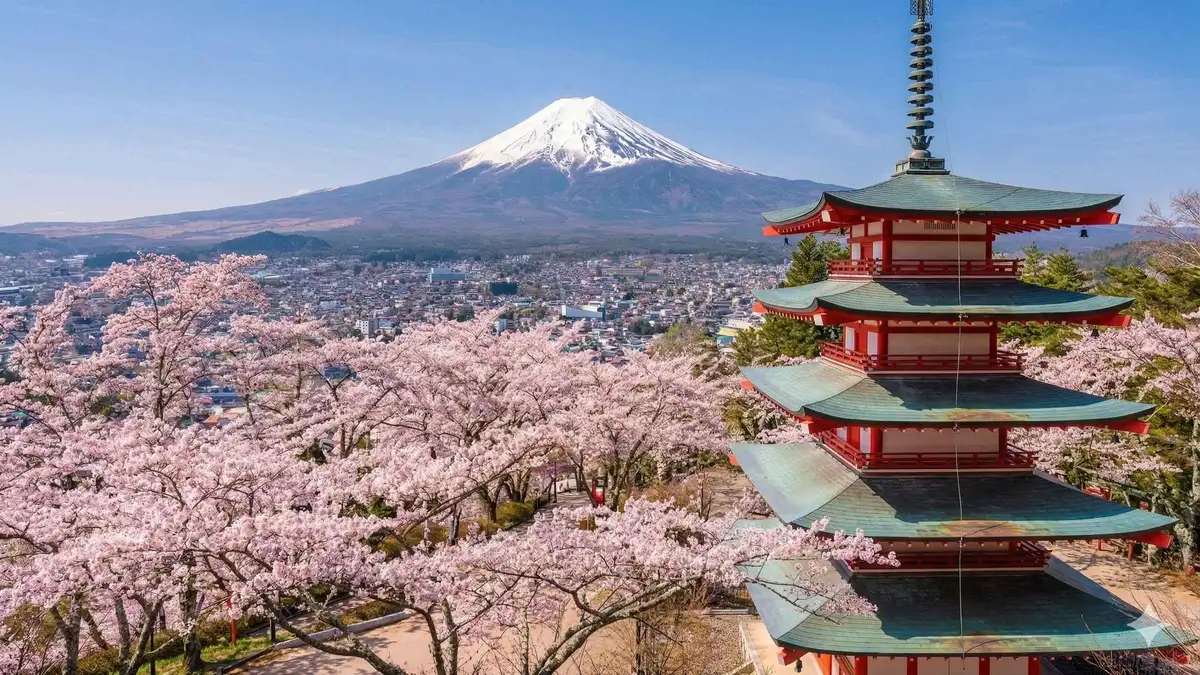
A 10-hour coach day trip from Tokyo to Mount Fuji's 5th Station, Lake Kawaguchi's Oishi Park, Chureito Pagoda and Oshino Hakkai's spring-fed ponds, with entry fees and a multilingual guide included.
Check Availability from $64.93
Tokyo: 3-Hour Bike or E-Bike City Highlights Tour
A three-hour guided cycling loop through central Tokyo's temples, parks and modern districts, riding a road bike or e-bike with an English-speaking local guide, suited to riders comfortable on shared roads.
Check Availability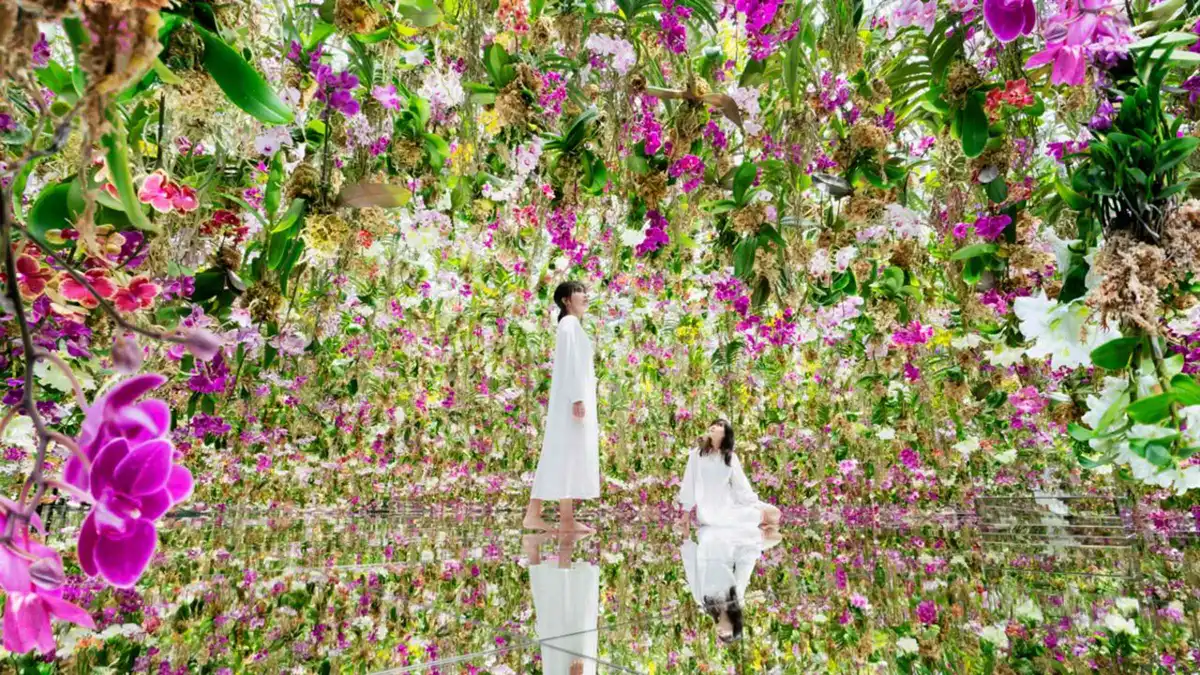 from $24.67
Tokyo: teamLab Planets TOKYO Digital Art Museum Entry Ticket
Entry ticket to teamLab Planets, a barefoot walk-through digital art museum in Toyosu with water rooms and mirrored floors. Self-guided, timed entry, official e-ticket emailed after booking.
Check Availability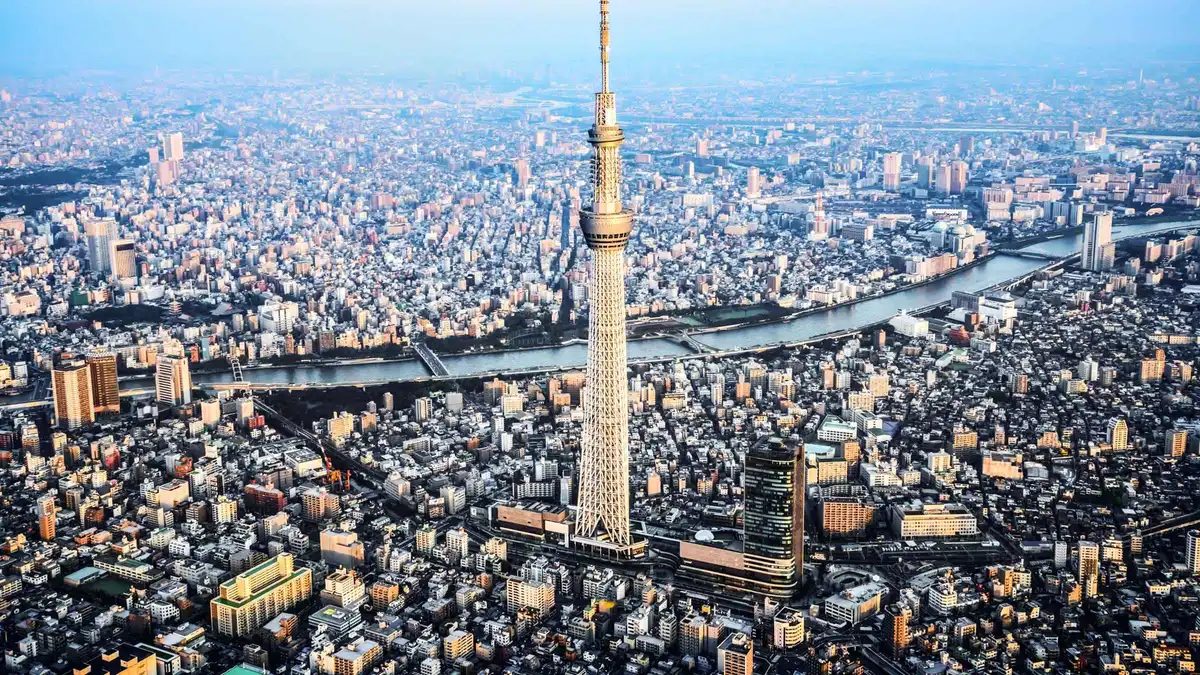 from $14.28
TOKYO SKYTREE® Admission ticket
Skip-the-line admission to Tokyo Skytree's Tembo Deck, with an optional upgrade to the higher Tembo Galleria, valid for one day with a booked start time.
Check Availability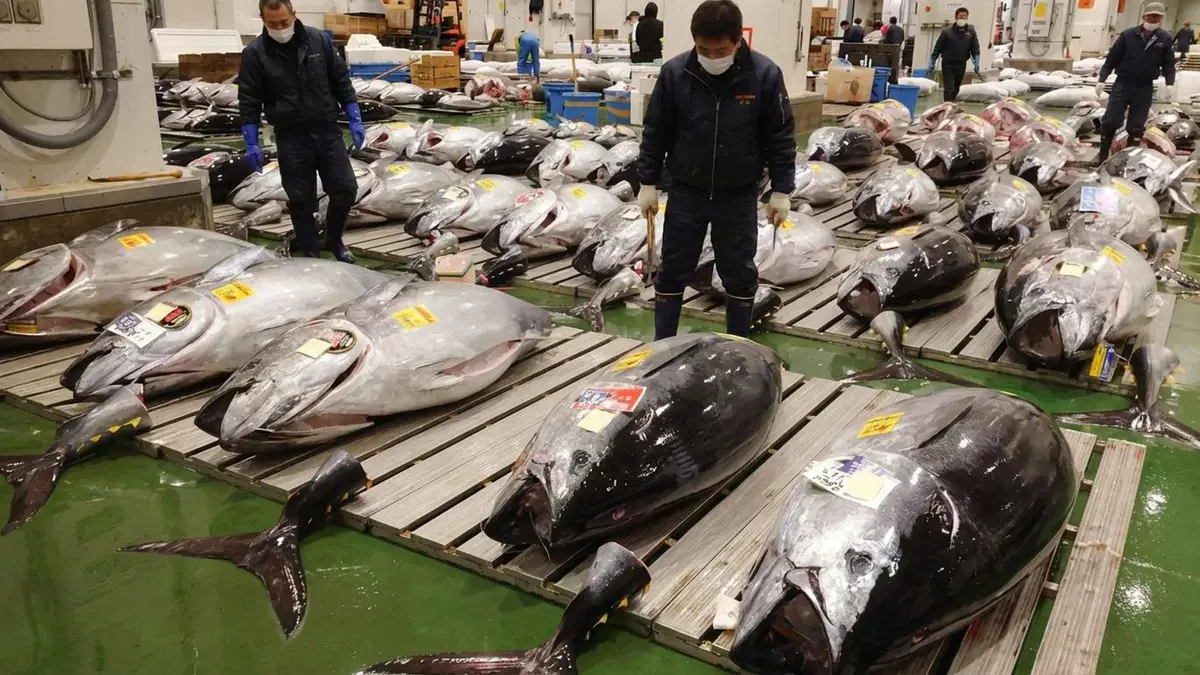 from $118.17
Tokyo: Toyosu Tuna Auction &Tsukiji Market Gourmet Adventure
A 3.5-hour early-morning tour combining the Toyosu tuna-auction viewing deck, a seafood breakfast and a stroll through Tsukiji Outer Market. Starts at 5 AM and isn't suitable for wheelchair users or guests over 70.
Check AvailabilityPrices, ratings and details are the platform's own, checked in Q3 2026; dollar figures are the listed prices — the platform bills in your account's currency.
The Verdict: Which Weeks Are Actually Best
Everything above, reduced to a recommendation. These are our conclusions from the figures on this page, not an official ranking, and each row says what you give up.
If nothing constrains your dates, go in the second and third weeks of November. It is the best combination of temperature and dryness in the year, it holds the autumn colour, and in 2027 it contains no national holiday. If the blossom is non-negotiable, take the first ten days of April and book everything, rooms included, six months out.
If money is the constraint, take February.
| What you came for | The weeks we would book | What you give up |
|---|---|---|
| The best all-round weather | 8 to 20 November | No blossom, and daylight is getting short |
| Cherry blossom | 1 to 10 April, with a week of slack either side | Highest prices of the year and a real chance of missing it |
| Autumn colour | 10 to 30 November | Cold mornings near 8°C |
| The quietest, cheapest city | Any weekday in February | Average highs of 9.5°C and short afternoons |
| Seeing Mount Fuji | January and February mornings | Genuinely cold, and gardens shut at 16:00 |
| Festivals and fireworks | Mid-May, or late July | May is crowded; July is hot and wet |
| Avoiding crowds entirely | Early December, before the 20th | Illuminations only; no colour left in the parks |
And the weeks to avoid
Two, in our reading. The last four days of December and the first three of January, because the ticketed city is shut and you will pay a holiday fare to look at closed doors. And 29 April to 5 May, because Golden Week fills the intercity trains, the hotels and every timed slot at once.
If your dates are fixed inside one of them, build the trip around temples, shrines, parks and neighbourhoods, which is what the things-to-do hub and the three-day itinerary do anyway.
Plan The Rest Of The Trip
The three pages that turn a chosen month into a booked week.
What is open on Monday
Whatever month you land in, one day of it is a Monday, and the state and metropolitan museums shut. The Monday table lists what closes, what shifts to Tuesday when a holiday lands on the Monday, and what never closes at all.
The other closed-day problemTokyo events calendar
The sumo tournaments, the matsuri, the fireworks and the illumination season, with the dates that are officially published and a plain statement of the ones that are not. The events calendar is where a month becomes a specific week.
The dated half of the yearGetting around Tokyo
Three operators, one card, and the arithmetic that decides whether a pass is worth it. Getting around covers the fares, and what a day in Tokyo costs covers the rest of the budget.
Before you landBest Time To Visit Tokyo: Questions
What is the best time to visit Tokyo?
On the thirty-year climate record, the second and third weeks of November: average highs of 16.0°C (61°F), 95 mm of rain across 9.9 rainy days, and autumn colour in the gardens. Late March to mid-April is the other strong window and it costs you the highest prices of the year. The verdict table weighs both, and the month-by-month section has the detail.
When do the cherry blossoms bloom in Tokyo, and can the date be predicted?
Late March into early April in most years, and no, not reliably in advance. Japan's meteorological agency stopped issuing bloom forecasts after 2009; it now only records the opening and full-bloom dates on one reference tree at Yasukuni Shrine, and the forecasts you see months ahead come from private weather companies. How the mechanics work explains what is actually being measured, and Shinjuku Gyoen opening seven days a week from 25 March to 24 April is the most useful signal the city publishes.
What is the rainy season in Tokyo, and does it ruin June?
June is the month with the most rainy days, 14.0 of them and 164 mm, which is what tsuyu means in practice: about one day in two with measurable rain rather than continuous downpour. Nothing closes for it. October is actually wetter by volume at 190 mm. The rainy season section has the comparison, and an indoor booking like teamLab Planets is the plan-B worth holding.
Is Tokyo worth visiting in winter?
Yes, and it is the most underrated season here. January and February are the driest months of the year at 62 and 63 mm, the air is clear, and everything that sells out in spring is available. The costs are average highs of 8.5°C and 9.5°C, short afternoons in the gardens, and the New Year shutdown. The winter section covers what closes and what opens up, and a Fuji day trip has its best visibility odds in exactly these weeks.
What is the worst time to visit Tokyo?
Two windows, for different reasons. The last four days of December and the first three of January, when the museums, gardens and observatories are shut and you pay holiday airfares to find out. And Golden Week, 29 April to 5 May in 2027, when the whole country travels at once. The holiday table has the official 2027 dates and the New Year section lists venue by venue what is actually closed.
How hot is Tokyo in August, and can you still sightsee?
Average highs of 30.0°C (86°F) and, more to the point, average lows of 23.9°C (75°F), so the evening brings no relief. You can still sightsee, on a different daily shape: outdoors before ten and after seven, indoors between. The August section sets it out, and an early market morning uses the one genuinely cool hour of the day.
When is Tokyo quietest?
February weekdays, in our reading of the calendar rather than from any published visitor count: no domestic holiday except 23 February, no blossom, no colour, and the lowest room rates of the year. Early December before the 20th is the runner-up. The verdict table weighs both, and what a day in Tokyo costs covers the money.
Choosing Your Month, On Video
Three films that cover the seasonal decision from different angles: one national overview, one Tokyo-specific look at when to come and when not to, and one first-timer briefing that spends real time on what the seasons change.
Best Time to Visit Japan: When Should You Go?
The national seasonal picture the Tokyo figures on this page sit inside, including the blossom front moving south to north.
Video: Yellow ProductionsBest (and Smartest) Times to Visit Tokyo
A Tokyo-specific take on the shoulder months and the weeks the city fills, from a long-running local publisher.
Video: Tokyo CheapoTOKYO TRAVEL TIPS FOR FIRST TIMERS | 30+ Must-Knows Before Visiting Tokyo + What NOT to Do!
A first-timer briefing that covers what the season changes about packing, pacing and booking ahead.
Video: Happy to Wander (Travel Tips & Inspo)Videos load from YouTube only when you press play.
Reviewed Q3 2026 (July–September 2026); next review Q4 2026. Prices, hours and terms are set by the venue or operator and confirmed at checkout.
We may earn a commission if you book through one of our links, at no extra cost to you. Full affiliate disclosure