 Visit Tokyo Guide
Things to Do in Tokyo
Twelve of the twenty-one things to do in Tokyo on this page cost nothing at all, and only six of them need a ticket bought before you fly. That split is the useful shape of the city, and almost no list prints it. Everything below carries the fee the venue's own ticket office charges in dollars and yen, the day it shuts, the district it sits in and a book-ahead tier of one to three dots, read from the operators' own sites in Q3 2026 at ¥1,000 = $6.48. The city as a whole is on the front page of this independent Tokyo guide, and what each ticket costs from a reseller is on the tickets index.
Quick answer What to book first, what is free, and what a two-day visit drops
Six things to do in Tokyo need a ticket held in advance and the rest do not. Adult entry on this list runs from nothing at all, at Senso-ji, Meiji Jingu, the Imperial Palace East Gardens and the free deck at the Metropolitan Government Building, to $57.70 (¥8,900) for a day inside a Disney park, with the two teamLab venues from $23.30 (¥3,600) and Tokyo Skytree from $11.66 (¥1,800). Prices are the venues' own, read in Q3 2026.
Key takeaways
- Book in this order: the Ghibli Museum lottery, which sells one month at a time; then a teamLab entry ticket; then a Disney date; then a Shibuya Sky evening slot, which prices differently before and after 15:00.
- Free, with no ticket at all: Senso-ji, Meiji Jingu's grounds, the Imperial Palace East Gardens, Ueno Park, both fish markets, Shibuya Crossing and the observatories at the Metropolitan Government Building. That is the free half of this list, and it is not the leftovers.
- With two days, drop the day trips and one of the two teamLab venues, keep one view deck and one market. The tighter cut is the one-day route; a guided version of the same circuit is the full-day coach with Skytree entry included.
- Museums shut on Monday, temples and shrines do not, and the two decks at the Metropolitan Government Building close on different days from each other: the closed-day table before you fix the order of your days.
The list, grouped by the kind of half-day it fills and numbered to the map
Twenty-one entries, each numbered to a pin on the map beside them. Sort by rating, price or time with the chips, or filter to the district you are staying in. Prices are the venue's own adult admission read in Q3 2026; ratings are the booking platform's own figure for the linked ticket, and stay blank where no ticket card exists rather than borrowing someone else's number.
The views from above: for a first afternoon, when the light matters more than the queue
-
Shibuya Sky
Rooftop deck★ 4.7 (150) from $17.50 (¥2,700)90 minbook-ahead tier 3 of 3
The only open rooftop of the four, 229 metres up on the roof of Shibuya Scramble Square, and the one where the crossing is the view rather than a distant grid. Online entry is $17.50 (¥2,700) up to 14:59 and $22.00 (¥3,400) from 15:00; the 14th-floor counter charges $19.44 (¥3,000) and $24.00 (¥3,700) for the same two bands. Open daily 10:00 to 22:30, last admission 21:20, closed on New Year's Day.
Tip: The rooftop closes in wind and rain and the venue moves you to the indoor floor without a refund, so a bright afternoon slot is the safer buy than a booked sunset in a wet week.
-
Tokyo Skytree
Broadcast tower★ 4.5 (15,344) from $11.66 (¥1,800)90 minbook-ahead tier 3 of 3
The tallest thing in the country and the cheapest of the big decks: the Tembo Deck at 350 metres from $11.66 (¥1,800), the Tembo Galleria at 450 metres from $19.44 (¥3,000) combined, or $9.07 (¥1,400) if you decide to go higher once you are up there. Standard hours are 10:00 to 22:00 with the closing time set per date, and the operator publishes no annual closed day.
Tip: Buying at the fourth-floor counter on the day costs ¥500 more than the same ticket online, which is the clearest online saving in the city.
-
Tokyo Tower
Observation tower★ 4.6 (4,423) from $9.72 (¥1,500)60 minbook-ahead tier 2 of 3
The 1958 orange lattice tower, and the cheapest paid deck on this list: $9.72 (¥1,500) for the Main Deck at 150 metres, $21.40 (¥3,300) online for the Top Deck Tour that adds the 250-metre level. Open 09:00 to 23:00 daily, with the light-up running from 19:00, and no annual closed day published.
Tip: Skytree is taller, Tokyo Tower is the one that photographs well from the ground; if you want the tower in the picture, climb something else and look at it.
-
Tokyo Metropolitan Government Building
Free deck Free45 minbook-ahead tier 1 of 3
Two observatories 202 metres up in Kenzo Tange's twin-towered city hall, free, no ticket and no reservation, per the building's own visitor site. The South Observatory runs 09:30 to 22:00, last entry 21:30; the North closes at 17:30. On a clear winter afternoon this is the Mount Fuji view that people pay for elsewhere.
Tip: The two decks close on different days: South on the first and third Tuesday of the month, North on the second and fourth Monday. Check which one you are walking to.
The old city: temples, gardens and the palace, where the entry is free or a few hundred yen
-
Senso-ji
Temple★ 4.8 (1,934) Free45–90 minbook-ahead tier 1 of 3
Tokyo's oldest temple, free, with no closed day published in any season: the Main Hall opens 06:00 to 17:00 from April to September and 06:30 to 17:00 from October to March, while the gates and the precinct never shut. Nakamise-dori, the shopping street between the two gates, is the part that fills; the side lanes are empty at eight in the morning.
Tip: Come before 08:00 or after 19:00 and the Kaminarimon lantern is photographable without a crowd in front of it.
-
Meiji Jingu
Shrine★ 4.9 (552) Free60 minbook-ahead tier 1 of 3
A hundred thousand donated trees planted round a shrine in the 1920s, and the grounds cost nothing on any day of the year. Opening moves with the sun: 05:00 to 18:30 in June, 06:40 to 16:00 in December. The Inner Garden is $3.24 (¥500) and the Meiji Jingu Museum $6.48 (¥1,000), and the museum is the one thing here that closes weekly, on Thursdays.
Tip: The forest walk from the Harajuku gate takes ten minutes and is the point; do not take the taxi drop-off by the main hall and miss it.
-
Imperial Palace East Gardens
Castle grounds★ 4.8 (2,125) Free90 minbook-ahead tier 2 of 3
The old Edo Castle keep base, its stone walls and the guardhouses, free and with no reservation, entered through Ote-mon, Hirakawa-mon or Kitahanebashi-mon. Hours run 09:00 to 16:00 in winter and to 18:00 from mid-April to the end of August. The Imperial Household Agency's own guided tour of the inner grounds is also free, and needs a permit number and photo identification rather than a payment.
Tip: The gardens close on Mondays and Fridays, which catches people who planned them as the Monday alternative to a museum.
-
Shinjuku Gyoen
National garden from $3.24 (¥500)90 minbook-ahead tier 1 of 3
Three gardens in one wall, English landscape, French formal and Japanese traditional, for $3.24 (¥500), free for anyone 15 and under. Open 09:00 to 16:30 in winter and to 19:00 at the height of summer, closed Mondays, and open every single day during the cherry season from 25 March to 24 April.
Tip: Alcohol is not allowed inside, which is exactly why this is the calm hanami garden while Ueno Park is a party.
-
Ueno Park
Park and museums Free2 hbook-ahead tier 1 of 3
A free park with no closing time that happens to contain the national museum, the zoo and four more collections. The park itself charges nothing; Ueno Zoo is $3.89 (¥600), free up to sixth grade and $1.94 (¥300) at 65 and over, and shuts on Mondays with the museums.
Tip: Two minutes from the JR Ueno park exit, so it works as the half day either side of a Shinkansen or a Narita arrival.
Art and the digital rooms: for a wet afternoon, and for anyone who books one thing before flying
-
teamLab Planets
Digital art★ 4.6 (13,820) From $23.30 (¥3,600)70–90 minbook-ahead tier 3 of 3
The barefoot one: you walk through knee-deep water and across mirrored floors, and the museum says outright that you will get wet. Entry is dated and timed, from $23.30 (¥3,600) for adults, and the price moved between $24.60 (¥3,800) and $31.10 (¥4,800) across the three months of calendar we read. Open 08:00 to 22:00, with no weekly closed day.
Tip: Wear shorts or a skirt above the knee; the museum lends shorts, but the queue for them is the slowest part of the visit.
-
teamLab Borderless
Digital art★ 4.8 (30) From $23.30 (¥3,600)90–120 minbook-ahead tier 3 of 3
The dry one, in the basement of Azabudai Hills, with no map and no route: works move between rooms and you find them or you do not. Entrance passes start at $23.30 (¥3,600) with the venue's own dynamic range running to ¥5,600, and a Flexible Pass is $77.80 (¥12,000). Open 08:30 to 21:00 most days.
Tip: Two venues, two companies' worth of confusion: this is not the Toyosu one, and one ticket never covers both.
-
Tokyo National Museum
National museum from $6.48 (¥1,000)90 min–3 hbook-ahead tier 1 of 3
The country's oldest and largest museum, and $6.48 (¥1,000) covers the collection galleries in every building on the site. Under-18s and over-70s pay nothing, students $3.24 (¥500). Tuesday to Sunday 09:30 to 17:00, with Friday and Saturday running to 20:00, closed Mondays.
Tip: The Honkan's Japanese galleries are the ninety minutes worth having; the special exhibition is priced separately and often the reason the queue exists.
-
Ghibli Museum
Museum★ 4.3 (462) from $6.48 (¥1,000)2 hbook-ahead tier 3 of 3
The cheapest hard ticket in Tokyo: $6.48 (¥1,000) for an adult, sold through one channel only, released at 10:00 Japan time on the 10th of each month for the following calendar month. Open 10:00 to 18:00, closed most Tuesdays, and closed outright from 4 to 18 November 2026. There is no exit time on the ticket.
Tip: The ticket, not the museum, is the difficulty; how the monthly sale actually works is a page of its own.
Markets and food streets: for an early start, and they are two different places on two different rhythms
-
Tsukiji Outer Market
Food street★ 4.8 (1,876) Free75 minbook-ahead tier 1 of 3
The shopping streets the wholesale market left behind, free to walk, best between 08:00 and 11:00 when the stalls are all trading. Closed Sundays, most Wednesdays and national holidays on the metropolitan market calendar, and the operator says plainly that each shop sets its own days.
Tip: This is where the food is. The auction is elsewhere, and the two get sold as one thing by people who have visited neither.
-
Toyosu Market
Wholesale market★ 4.9 (411) Free90 minbook-ahead tier 3 of 3
The working wholesale market, also free, with a visitor passage open 05:00 to 17:00 and a rooftop plaza until 23:00. The tuna auction deck is the one thing on this list allocated by ballot, not by queue, and it runs 05:45 to 06:25. Closed days are set per commodity and published by the market's own visitor pages as a yearly calendar, so a date needs checking rather than assuming.
Tip: Apply for the auction deck in advance or watch from the free upper window; turning up at five in the morning without a place gets you the window either way.
Street-level Tokyo: the free hours that need no ticket and no plan
-
Shibuya Crossing
Intersection★ 4.9 (691) Free20 minbook-ahead tier 1 of 3
A working intersection outside the Hachiko exit, not an attraction, open at every hour and free at all of them. It is busiest between 18:00 and 20:00 and near empty between 05:00 and 09:00, which is our own reading rather than a published count.
Tip: The free view is from the second-floor window of the station building or the walkway; the paid one is the rooftop three minutes away.
-
Shinjuku
District FreeAn eveningbook-ahead tier 1 of 3
The busiest railway station in the world by daily passengers, with Kabukicho's neon on one side and Omoide Yokocho's grilled-chicken alleys on the other. The whole district costs nothing until you sit down somewhere.
Tip: Fix your exit before you leave the platform; the station has more than two hundred and this is where an evening gets lost.
-
Asakusa
District FreeHalf a daybook-ahead tier 1 of 3
The temple district, and the one part of central Tokyo built at the scale of a person: Nakamise, the Kappabashi kitchenware street, rickshaws, and river boats to Odaiba from the pier.
Tip: Rent a kimono here rather than in Kyoto if the photographs matter; the Asakusa dressing studios are on this page.
-
Harajuku
District FreeHalf a daybook-ahead tier 1 of 3
Takeshita-dori for the teenage version and Omotesando, four minutes away, for the architecture and the expensive version, with Meiji Jingu's forest gate at the end of the same street.
Tip: Takeshita-dori on a Sunday afternoon is close to unwalkable; a weekday morning is the same street with room in it.
Set pieces and days out: booked weeks ahead, or not available at all
-
Tokyo Disney Resort
Theme park★ 4.7 (3,065) From $57.70 (¥8,900)Full daybook-ahead tier 3 of 3
Two parks, one gate price each, from $57.70 (¥8,900) for an adult and from $34.30 (¥5,300) for a child of 4 to 11. Dates go on sale at 14:00 Japan time for the same date two months later, and there is no ticket booth at the gate: the purchase is online or it does not happen.
Tip: DisneySea is the one that exists nowhere else; Disneyland is the one a child under eight will recognise.
-
Grand Sumo at Ryogoku Kokugikan
Tournament From $22.70 (¥3,500)Full daybook-ahead tier 3 of 3
Three of the six annual tournaments are held in Tokyo. A weekday chair seat starts at $22.70 (¥3,500) and a masu box for four runs from $220.30 (¥34,000); tickets go on sale about five weeks ahead through the association's own portal. The September 2026 tournament sold out for all fifteen days, so this is a date to plan a trip around rather than to fit into one.
Tip: January 2027 runs 10 to 24 January with sales opening 5 December 2026, and May 2027 runs 9 to 23 May with sales opening 10 April 2027.
Numbers match the list — tap a pin for the guide.
Coordinates come from each venue's own address or its Wikidata item; the four district entries carry no pin because a district is not a point.
The seven decisions that actually have to be made
Most of this list is additive: you either have the morning or you do not. Seven pairs are not, because they cost the same money for the same slot in the day, and picking wrong is the commonest way a Tokyo itinerary wastes an afternoon. Official adult prices as published by each venue in Q3 2026, at ¥1,000 = $6.48.
| The choice | What each side costs | Time either way | What decides it |
|---|---|---|---|
| Tokyo Skytree or Tokyo Tower | From $11.66 (¥1,800) against $9.72 (¥1,500) | 60 to 90 minutes | Height against photography. Skytree is 634 metres and sees further; Tokyo Tower is the thing you want in the photograph, so climbing it removes it from the view. |
| Shibuya Sky or the free deck at the Metropolitan Government Building | $17.50 (¥2,700) against nothing | 45 to 90 minutes | Open air against no ticket. Shibuya Sky is a rooftop over the crossing and closes in wind; the city hall deck is glazed, free, and looks straight at Mount Fuji on a clear winter day. |
| teamLab Planets or teamLab Borderless | Both from $23.30 (¥3,600) | 70 to 120 minutes | Wet and barefoot against dry and lost. Planets is a fixed route through water in Toyosu; Borderless is a maze under Azabudai with no map. One ticket never covers both. |
| Tsukiji Outer Market or Toyosu Market | Both free | 75 to 90 minutes | Breakfast against the auction. Tsukiji is the eating street from 08:00; Toyosu is the working market where the tuna deck runs 05:45 to 06:25 and places are balloted. |
| Tokyo Disneyland or Tokyo DisneySea | Both from $57.70 (¥8,900) | A full day each | DisneySea exists in no other country and skews adult; Disneyland is the one a small child recognises. A one-day passport admits you to one park, not both. |
| Senso-ji or Meiji Jingu if you have one morning | Both free | 45 to 90 minutes | Crowd against quiet. Senso-ji is a market street ending in a temple and is loud by 10:00; Meiji Jingu is a forest walk that stays calm and has no shops in it at all. |
| A sumo tournament day or a sumo dinner show | From $22.70 (¥3,500) against $65.45 on the platform | A full day against 90 minutes | The tournament is real sport on fifteen fixed days a year and sells out; the shows run nightly with retired wrestlers and a hot pot, and are a performance, not a bout. |
Where two rows are the same price, the money is not the argument. Booking windows are: teamLab and Disney dated, Shibuya Sky timed by price band, sumo about five weeks ahead.
The guided hours worth paying for, and the tickets behind them
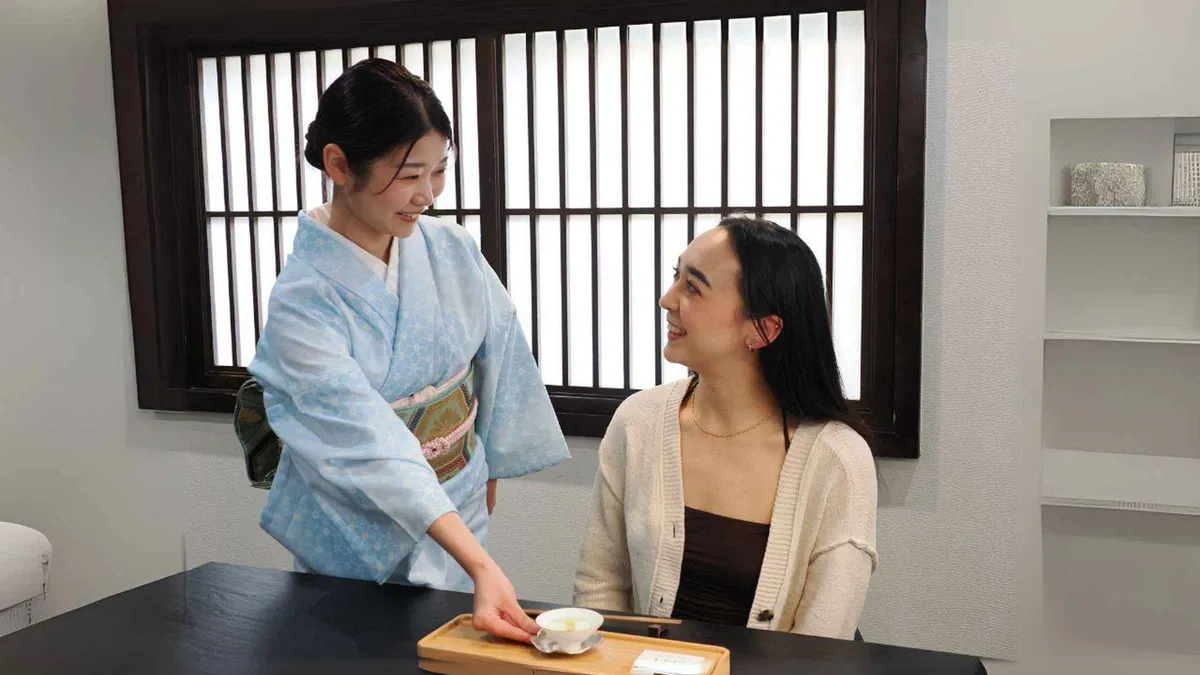
Four experiences that cannot be walked up to, plus the entry tickets for the sights above. Listed prices and ratings are the platform's own in Q3 2026; the official gate price sits in the table above so the margin is visible before you click. The tea ceremony at $38.96 is rated 5.0 from 612 reviews and takes eight people at a time.
 from $38.96
Tokyo: Traditional Tea Ceremony with a Tea Master
A one-hour seated tea ceremony near Tokyo University where a tea master guides you through wakocha, Gyokuro sencha with seasonal wagashi, and whisking your own bowl of matcha.
Check Availability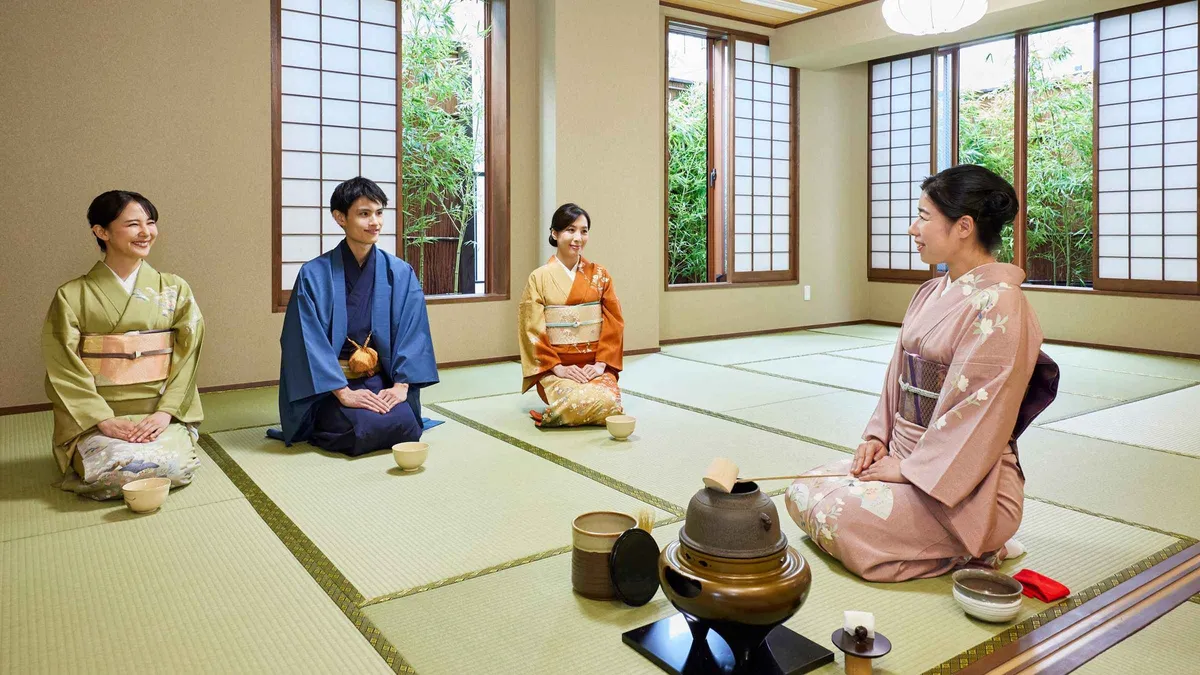 from $54.54
Asakusa: Kimono Tea Ceremony with Matcha and Sweet
A 90-minute Asakusa experience: choose and wear a seasonal kimono with hair styling, then a tea master walks you through ceremony etiquette before you whisk your own matcha with seasonal wagashi.
Check Availability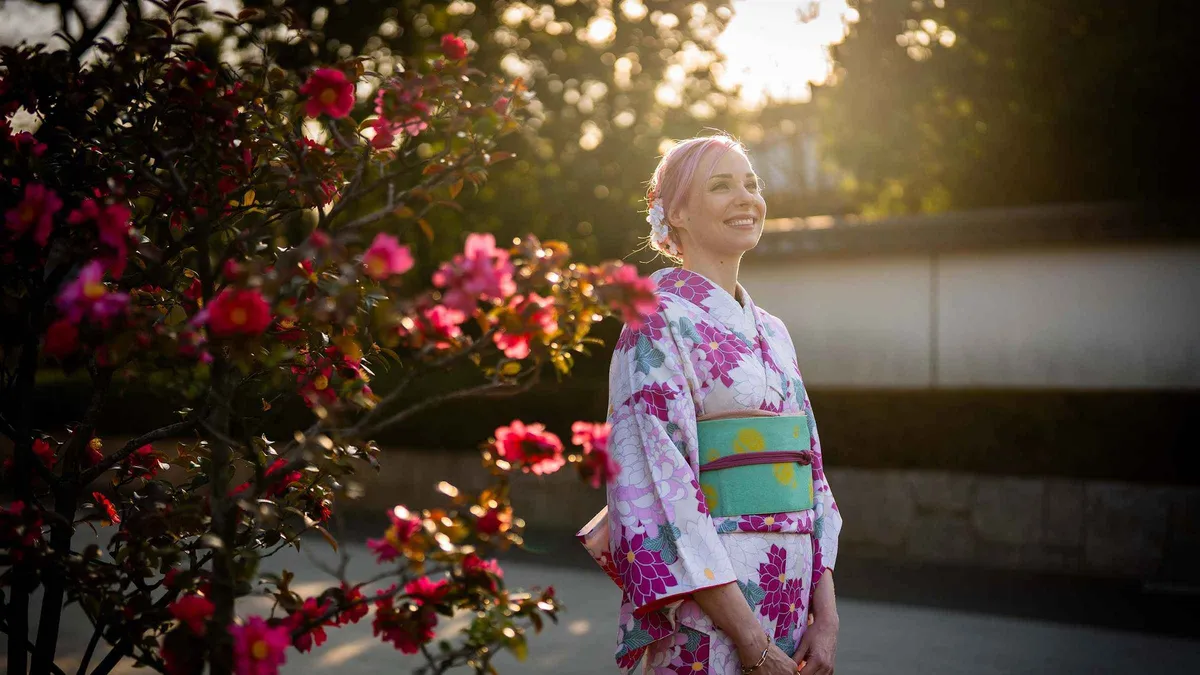 from $31.17
Tokyo Asakusa: Miu Kimono Rental and Optional Photoshoot
A full-day kimono or yukata rental in Asakusa with dressing, accessories and optional hair styling, so you can explore Senso-ji and the surrounding streets in traditional dress until the 16:50 return.
Check Availability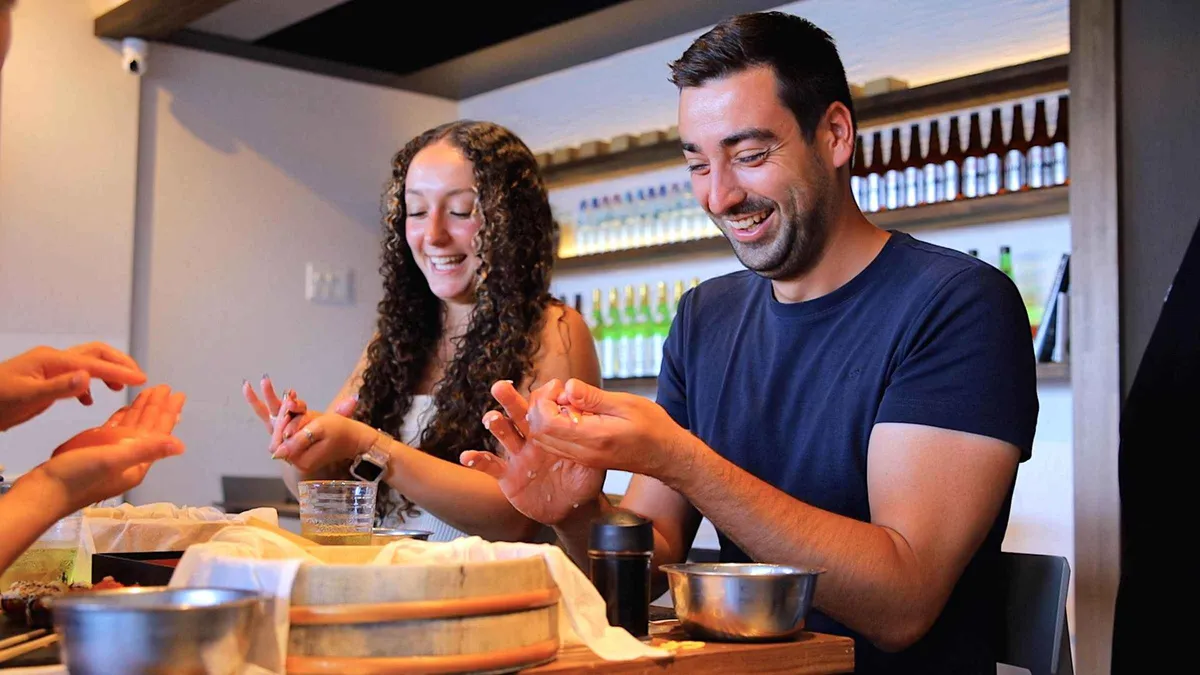 from $59.09
Tokyo: Roll and Authentic Sushi Making Class in Asakusa
A 100-minute hands-on class in Asakusa near Tokyo Skytree, learning sushi history before making both maki rolls and nigiri with an English-speaking instructor, then eating what you make.
Check Availability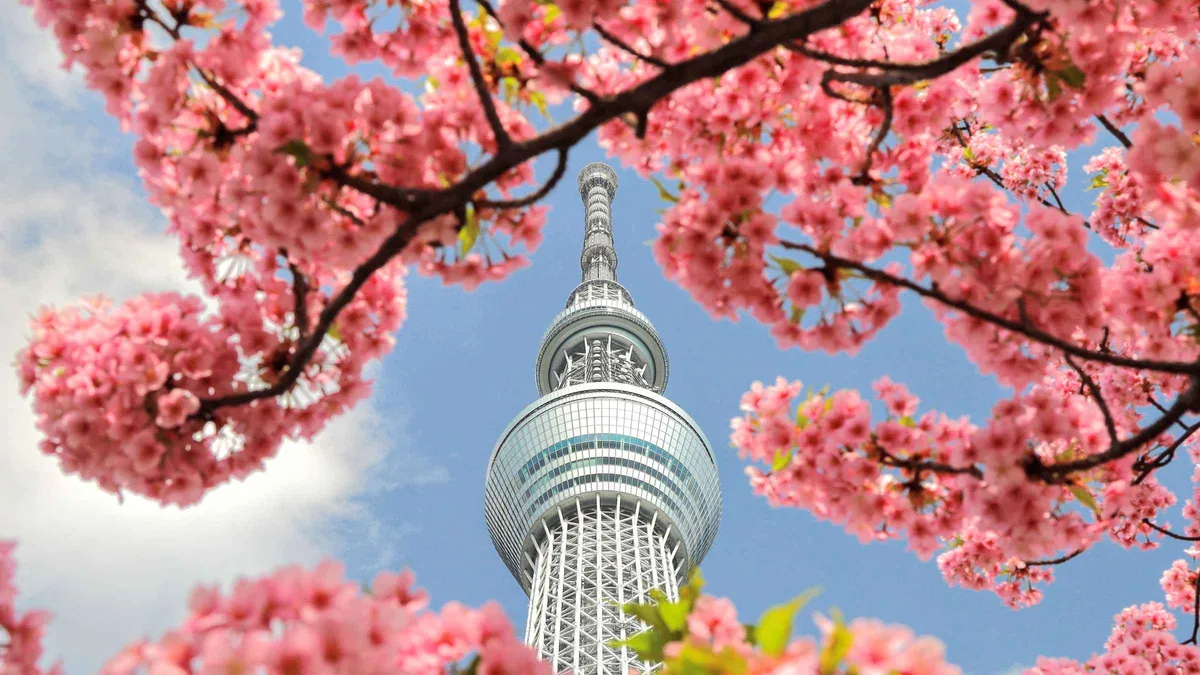 from $123.37
Tokyo: Meiji Shrine, Asakusa, Skytree Bus Tour and Cruise
A full-day coach circuit through Meiji Shrine, Asakusa, Tokyo Skytree and a Tokyo Bay cruise, with skip-the-line Skytree entry, a matcha tasting and an optional Japanese lunch included.
Check Availability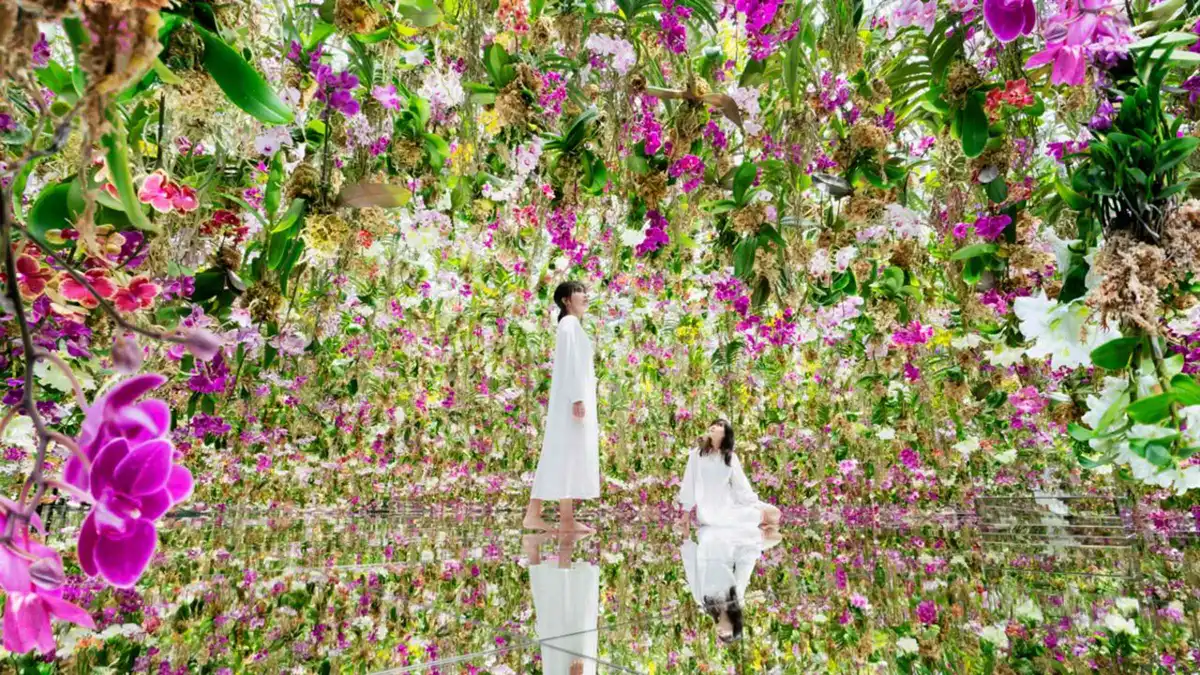 from $24.67
Tokyo: teamLab Planets TOKYO Digital Art Museum Entry Ticket
Entry ticket to teamLab Planets, a barefoot walk-through digital art museum in Toyosu with water rooms and mirrored floors. Self-guided, timed entry, official e-ticket emailed after booking.
Check Availability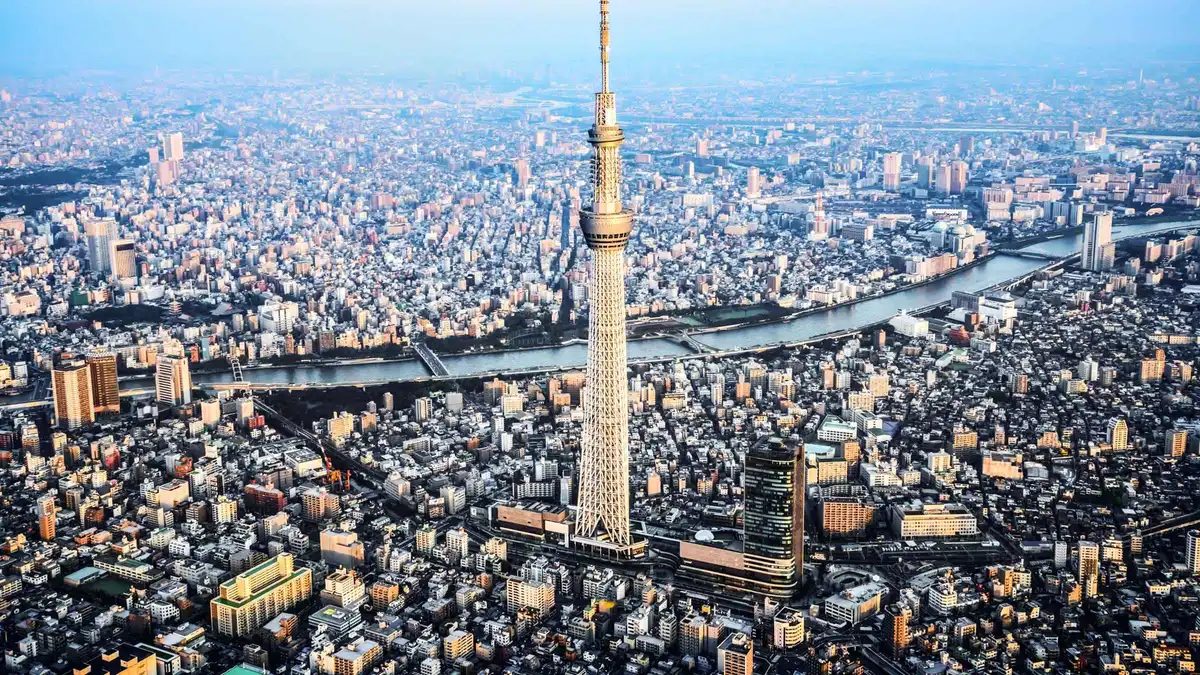 from $14.28
TOKYO SKYTREE® Admission ticket
Skip-the-line admission to Tokyo Skytree's Tembo Deck, with an optional upgrade to the higher Tembo Galleria, valid for one day with a booked start time.
Check Availability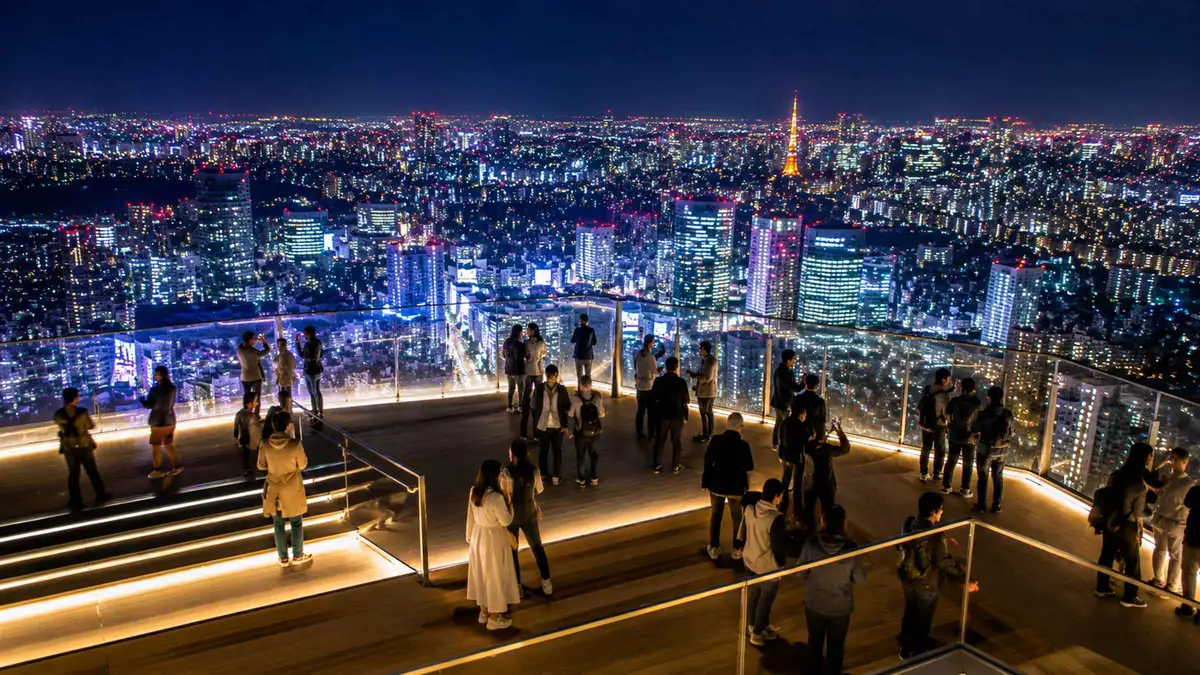 from $101.16
Tokyo: Shibuya Sky Night View, Crossing & Local Vibe Tour
Two-hour night tour combining a Shibuya Sky observation deck visit, ticket included, with a walk across Scramble Crossing and a stop in Miyashita Park's food alley. Suits a first night out in Shibuya.
Check AvailabilityPrices, ratings and details are the platform's own, checked in Q3 2026; dollar figures are the listed prices — the platform bills in your account's currency.
How much of this list fits in the days you have
The constraint in Tokyo is not opening hours, it is distance: the Ghibli Museum is in Mitaka, Disney is in Chiba and Toyosu is a different bay from Shinjuku. Three routings that hold together, with what each one drops.
Each row below is a day that works without a taxi, using the subway and the Yamanote line. The fares are the operators' own: a Tokyo Metro single runs $1.15 to $2.10 by distance ($1.15 to $2.10 on an IC card), and the 24-hour Tokyo Subway Ticket at $6.48 (¥1,000) covers all nine Metro and four Toei lines. It does not cover JR, which is what the Yamanote line is.
| If you have | Take | Drop | Why |
|---|---|---|---|
| One day | Senso-ji at opening, Tsukiji for lunch, the free city hall deck or Shibuya Sky at dusk, Shibuya Crossing after dark | Both teamLab venues, Ueno, Disney, Ghibli | One dated ticket in a single day is enough; two turns the day into a timetable. The one-day route sets the hours. |
| Two days | Add Meiji Jingu, Harajuku, one teamLab venue and the Imperial Palace East Gardens | Disney, Ghibli, day trips | Day two is the west side. Book the teamLab slot for the morning and the afternoon stays free. The two-day version. |
| Three days | Add Ueno Park with the national museum, Toyosu, a market breakfast and either Ghibli or a sumo day | One of the two markets | Three days is where a booked ticket in Mitaka or Chiba stops costing you the rest of the trip. The three-day version. |
| Four days or more | Add a day out of the city, a second teamLab venue and an evening in Shinjuku | Nothing | Mount Fuji, Nikko and Hakone all run about ten hours door to door, which is why they need a day of their own rather than a morning. |
Two rules cut across all of it. Put the dated ticket in the morning, because a missed slot is money gone at teamLab and at Disney and cannot be moved. And do not put a day trip next to a Disney day: both start before 08:00, and two of them back to back is the point where people stop enjoying the city and start commuting through it.
The free twelve, and why they are not the leftovers
Twelve of the twenty-one entries above charge nothing: Senso-ji, the Meiji Jingu grounds, the Imperial Palace East Gardens, Ueno Park, both markets, Shibuya Crossing, the two observatories at the Metropolitan Government Building, and the districts of Shinjuku, Asakusa and Harajuku. Between them they are a full day and a half of the city, and three of them are the best hours on this page.
The free deck is the one people do not believe. Two observatories 202 metres up in the city hall, no ticket, no reservation, and the South Observatory open until 22:00 with last entry at 21:30. It looks at Mount Fuji on a clear winter afternoon and at the Shinjuku skyline after dark, and the only cost is the walk from Tochomae station, about a minute from exit A4.
The qualifications matter, though. Meiji Jingu's grounds are free but the Inner Garden is $3.24 (¥500) and the museum $6.48 (¥1,000). Ueno Park is free but the zoo is $3.89 (¥600) and the national museum $6.48 (¥1,000). Toyosu's passages are free but the balloted auction deck has to be applied for. A longer list, including the ward observation decks and the free museum days, is on the free things to do page, and what a day in the city costs once you add food and fares is on the Tokyo costs page.
Closed days: the table that decides the order of your days
Tokyo closes on five different weekdays, and the split is the single most useful thing on this page. Museums take Monday, temples and shrines take nothing, and two decks in the same building take different days from each other. Read from each venue's own calendar in Q3 2026.
Monday is the museum day. The Tokyo National Museum, Ueno Zoo and Shinjuku Gyoen all shut, and when Monday is a public holiday they open and close the following day instead. The Imperial Palace East Gardens are the trap: they close on Mondays and on Fridays, so the standard advice to save the palace for the Monday is wrong twice a week.
| Day | Closed or restricted | Open and worth the morning |
|---|---|---|
| Monday | Tokyo National Museum, Ueno Zoo, Shinjuku Gyoen, Imperial Palace East Gardens; North deck at the city hall on the second and fourth Monday | Senso-ji, Meiji Jingu, both teamLab venues, Skytree, Tokyo Tower, Shibuya Sky, Tsukiji |
| Tuesday | Ghibli Museum on most Tuesdays; South deck at the city hall on the first and third Tuesday; teamLab Borderless on three published 2026 dates | The museums reopen; Ueno Park and the national museum are at their quietest |
| Wednesday | Tsukiji Outer Market on most Wednesdays, per the metropolitan market calendar | Everything else on the list |
| Thursday | Meiji Jingu Museum, every week unless the Thursday is a national holiday; teamLab Planets on two published 2026 dates | The shrine grounds themselves, which never close |
| Friday | Imperial Palace East Gardens | Tokyo National Museum runs late, to 20:00, and so does Saturday |
| Sunday | Tsukiji Outer Market, and the metropolitan market's own closed days | Senso-ji, the parks, the decks and the two teamLab venues, all open |
Two more closures are worth writing down before you book anything. The Ghibli Museum shuts completely from 4 to 18 November 2026 and again from 27 December 2026 to 2 January 2027. Toyosu sets its closed days per commodity category and publishes them as a yearly calendar rather than a weekly rule, so a specific date has to be checked rather than assumed.
The whole picture, including what a public holiday does to all of it, is on what is open on a Monday.
The six that need booking, and how far ahead each one sells
Fifteen of the twenty-one entries here take a walk-up ticket or none at all. These six do not, and they fail in different ways.
The Ghibli Museum is the hardest and the cheapest. Tickets are $6.48 (¥1,000), sold through one channel only, released at 10:00 Japan time on the 10th of each month for the whole of the following calendar month. Miss the release and the month is usually gone; the mechanics are on the Ghibli ticket page.
Tokyo Disney Resort releases a date at 14:00 Japan time exactly two months before it. There is no gate booth at all, so an unbooked date is not a queue, it is a locked door. The passport ladder is on the Disney ticket page.
Both teamLab venues sell dated, timed entry, and neither refunds a missed slot. Planets admits you within the first thirty minutes of your slot only. Prices move with the date at both, so the cheap dates are the quiet dates: the teamLab ticket comparison.
Shibuya Sky prices by time of day, $17.50 (¥2,700) up to 14:59 and $22.00 (¥3,400) from 15:00, and sunset slots are the ones that go. The counter on the 14th floor sells the same ticket for ¥300 more: the Shibuya Sky ticket page.
A sumo tournament seat goes on sale about five weeks before the tournament and the September 2026 basho sold out for all fifteen days. Resale is officially prohibited, so there is no second market to fall back on.
Skytree is on this list only because the counter charges ¥500 more than the website for the identical ticket; it is a saving, not a scarcity. What each Skytree deck costs is a page of its own.
What is not on this list, and why
Four categories were left off on purpose, and one for a reason worth stating.
The day trips are not here. Mount Fuji, Hakone, Nikko, Kamakura and Mount Takao all run eight to eleven hours door to door and belong to a day of their own rather than a slot in a city list; they are on the day trips index, with the fares and passes each one needs.
Karaoke rooms, animal cafes, arcades and the themed restaurants are not here either. They are worth an evening and none of them is a fixed place with a published price: rates change by hour and by branch, and this page prints only figures a venue publishes for itself.
Odaiba's Unicorn Gundam statue is a specific omission. Secondary sources report it as scheduled for removal after August 2026 and we found no official notice either way, so it is not printed here as a current attraction. What Odaiba still holds is on the Odaiba page.
And the shopping. Ginza, Akihabara and Nakano are districts rather than sights, priced by what you buy; the ones with a real visiting reason have their own pages, from Ginza to Akihabara.
The genuinely unique things to do in Tokyo are already in the list rather than in a separate novelty section: a balloted place on the tuna-auction deck at 05:45, two free observatories 202 metres above Shinjuku, and a fifteen-day tournament that turns Ryogoku into the only place in the world where this sport is professional. One more sits just off it, a single-act seat in the fourth-level gallery at the Kabukiza theatre for between ¥500 and ¥2,500, sold from noon the day before the performance.
Turn the list into days
Each itinerary places the dated tickets in the hour they work best and drops what does not fit.
Where to go from here
The three pages that answer what this list leaves open.
Tickets
Every paid sight with its official price beside the reseller's, the passes that exist and the ones that do not: what each Tokyo sight charges at its own window.
There is no citywide attraction passGetting around
Which pass covers what, and why the subway ticket does not include the Yamanote line: the transport passes compared.
24-hour subway ticket $6.48 (¥1,000)Where to stay
Six areas measured by how far they put you from this list: the districts, by what a night costs. Or go back to the front page of this Tokyo guide.
Nightly rates from $38 in TaitoThings to do in Tokyo: the questions
What should I not miss in Tokyo?
On this list, four things: Senso-ji early, one view deck, one teamLab venue and one market morning. That is a day and a half and it costs about $41 (¥6,300) in entry fees if you take Skytree and Planets, or nothing at all if you take the free city hall deck and skip the digital art. The full-day coach with Skytree entry included does the first three in one guided go.
How much do the top attractions in Tokyo cost?
Twelve of the twenty-one above are free. Of the paid ones, the range runs from $3.24 (¥500) at Shinjuku Gyoen to $57.70 (¥8,900) for a Disney day, with the view decks between $9.72 (¥1,500) and $22.00 (¥3,400). Every official price sits beside its reseller listing on the tickets index.
Which of these need to be booked before I fly?
Six: the Ghibli Museum, Tokyo Disney Resort, both teamLab venues, a Shibuya Sky sunset slot and a sumo tournament seat. The other fifteen take a walk-up ticket or no ticket at all. The teamLab Planets entry ticket is the one most people leave too late.
Is three days enough to do this list?
Three days covers about fifteen of the twenty-one, if the two dated tickets are held before you arrive and you keep Mitaka and Chiba out of the same day. Day trips need a fourth. The routings are in the day-by-day table and the hours are on the three-day itinerary.
What is worth doing in Tokyo on a rainy afternoon?
Both teamLab venues are entirely indoors, the Tokyo National Museum runs to 20:00 on Friday and Saturday, and the city hall deck is glazed and free. The open rooftop at Shibuya Sky is the one to move, since the venue closes it in wind and rain and sends you to the indoor floor without a refund.
What can I do in Tokyo for free?
Twelve of the entries here, including both fish markets, the Imperial Palace East Gardens, Meiji Jingu's forest and two observation decks 202 metres up in the Metropolitan Government Building. The list with the qualifications attached is in the free section, and a longer one is on the free things to do page.
What is open on a Monday in Tokyo?
Temples, shrines, both teamLab venues, all four view decks and Tsukiji. What shuts is the museum layer, plus Ueno Zoo, Shinjuku Gyoen and the Imperial Palace East Gardens, which also close on Fridays. The closed-day table has the whole week.
The Short List on Film
Three walk-throughs of the sights above, filmed on the streets they describe. Useful for deciding which of the big-ticket stops you actually want and which you can drop.
Tokyo Travel Guide - The Best Things to Do in Tokyo
A broad sweep of the same sights, with the walking routes between them shown.
Video: Allan Su101 Things to Do in TOKYO 🇯🇵 Hidden Spots Revealed
The long version, useful for the districts and evenings this list keeps short.
Video: Abroad in JapanTOKYO, JAPAN (2026) | 15 Best Things To Do In & Around Tokyo (+ Travel Tips)
A ranked fifteen filmed recently, with the day trips this page leaves to their own index.
Video: World Wild HeartsVideos load from YouTube only when you press play.
Reviewed Q3 2026 (July–September 2026); next review Q4 2026. Prices, hours and terms are set by the venue or operator and confirmed at checkout.
We may earn a commission if you book through one of our links, at no extra cost to you. Full affiliate disclosure