 Visit Tokyo Guide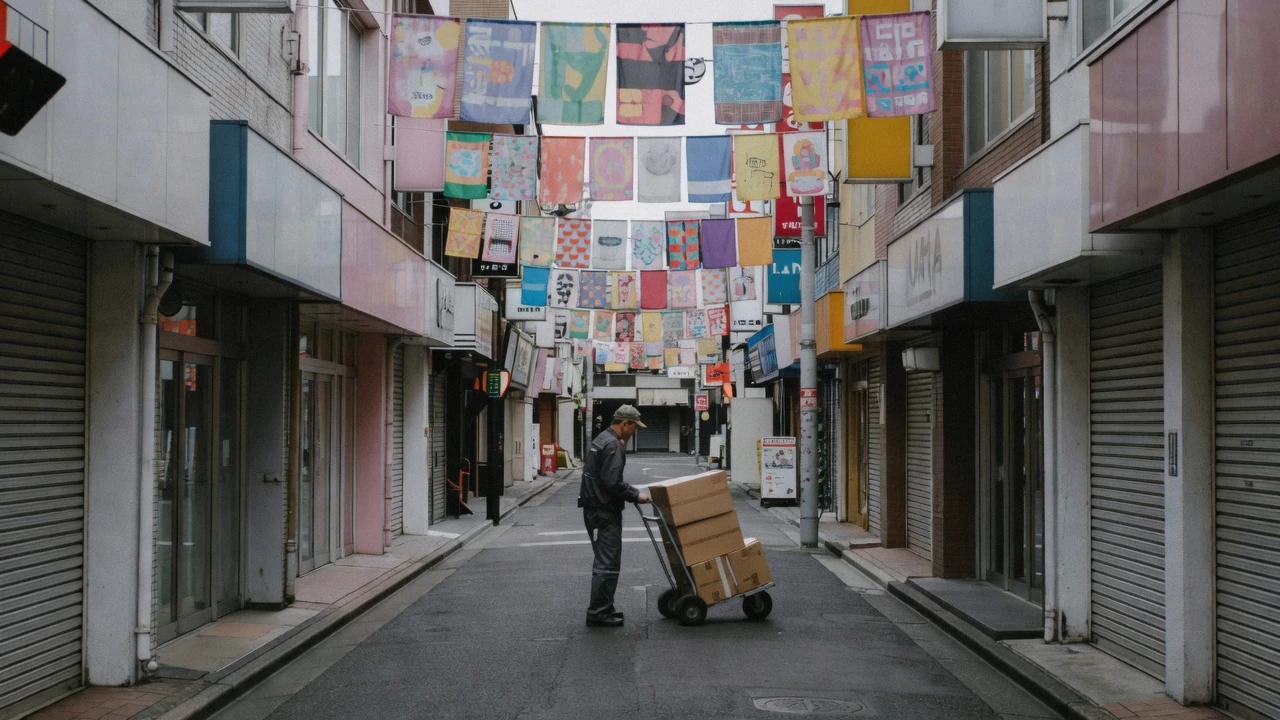
Harajuku
Harajuku is four streets rather than one district: the part of Shibuya ward covering Jingumae 1 to 4 chome, the ground between the station and the wide avenue of Omotesando, plus the back streets running south towards Shibuya. Four different Tokyos share it: a 400-metre teenage shopping lane, a luxury boulevard planted with zelkovas, a grid of quiet backstreets and a forested shrine precinct on the far side of the tracks. This page sets out which of them suits which visitor, when each one becomes unwalkable, what the station exits do and what the eating actually costs. The shrine through the trees has its own page, the ward to the south is covered under Shibuya, and the wider trip sits on our Tokyo travel guide.
Quick answer Which street is which, when to come, what it costs
Harajuku is four streets, not one. Takeshita Street is a 400-metre teenage lane packed with snack stands, Omotesando is a one-kilometre luxury avenue, Cat Street is the calm pedestrian route to Shibuya, and Ura-Harajuku is the grid of vintage shops behind them. Walking all of it costs nothing.
Key takeaways
- Come on a weekday morning if you want to see anything. The shopping association's own notice asks visitors to walk on the left-hand side because of the crush, which tells you what a Saturday afternoon is like; the best months to visit do not change that pattern.
- The single best pairing in the city sits either side of the tracks: the forested shrine opens at sunrise and the shops open at eleven, so do them in that order. A two-hour guided walk covers the shrine and its garden and finishes back at the station.
- Two museums here are worth the money and both close on Mondays, which is the day the whole neighbourhood is at its most shoppable and its least cultural; the Monday list has the alternatives.
The four streets, and who each one is for
Everything in this table is walkable in one afternoon, which is why choosing matters. Lengths are the published figures for each street, the crowd readings are ours, and the money column is what to expect rather than a fixed price.
| Street | What it is | Who it suits | Worst crush | Money |
|---|---|---|---|---|
| Takeshita Street | A roughly 400-metre pedestrian lane straight out of the station's Takeshita exit, lined with snack stands, novelty shops and cheap fashion | Teenagers, anyone travelling with them, and first-timers who want to see the thing they have seen photographs of | Weekend afternoons, when the association asks you to keep left and keep circulating | Snacks and souvenirs; nothing here needs a reservation or a big budget |
| Omotesando | A one-kilometre tree-lined avenue running from the shrine approach down to Omotesando Station, with the flagship stores on it | Adults, architecture watchers and anyone who would rather look at buildings than at crowds | Never truly unwalkable; the pavements are wide and the avenue absorbs people | Window shopping is free; the shops on it are the most expensive in the district |
| Cat Street | The pedestrian back route between Harajuku and Shibuya, following the buried course of the old Shibuya river | Anyone who wants independent labels, second-hand and coffee without the shouting | Saturday afternoons in the middle section, and even then it moves | Mid-range boutiques and cafes; the vintage shops are where the bargains are |
| Ura-Harajuku | The grid of narrow streets behind Takeshita and north of Omotesando, sometimes written as Urahara | Second visits, vintage hunters and people who have had enough of the main lane | Rarely; this is where locals go when the main streets fill | Cheapest per hour of the four, because most of what you do here is browsing |
| Yoyogi Park | The public park on the far side of the shrine, open at all hours and free, three minutes from the station | Anyone needing a sit-down, and Sunday visitors who want the buskers and dance groups | Cherry blossom season and event weekends | Free, with a few paid facilities inside |
Street lengths as given in the japan-guide entry for the district and the English Wikipedia article on Harajuku; the congestion notice is the Harajuku Takeshita Street Shopping Association's own, on takeshita-street.com, read in Q3 2026. Yoyogi Park hours and admission are from the Tokyo Metropolitan Park Association's page for the park.
Guided walks that start in Harajuku
No operator in our set sells a walk of the shopping streets themselves, which is honest enough: they are streets, and you can walk them. What is sold here are shrine walks that meet at the station, and private guides you can point at whichever half of the district you want. Ratings and prices are the platform's figures as listed in Q3 2026.
 from $9.74
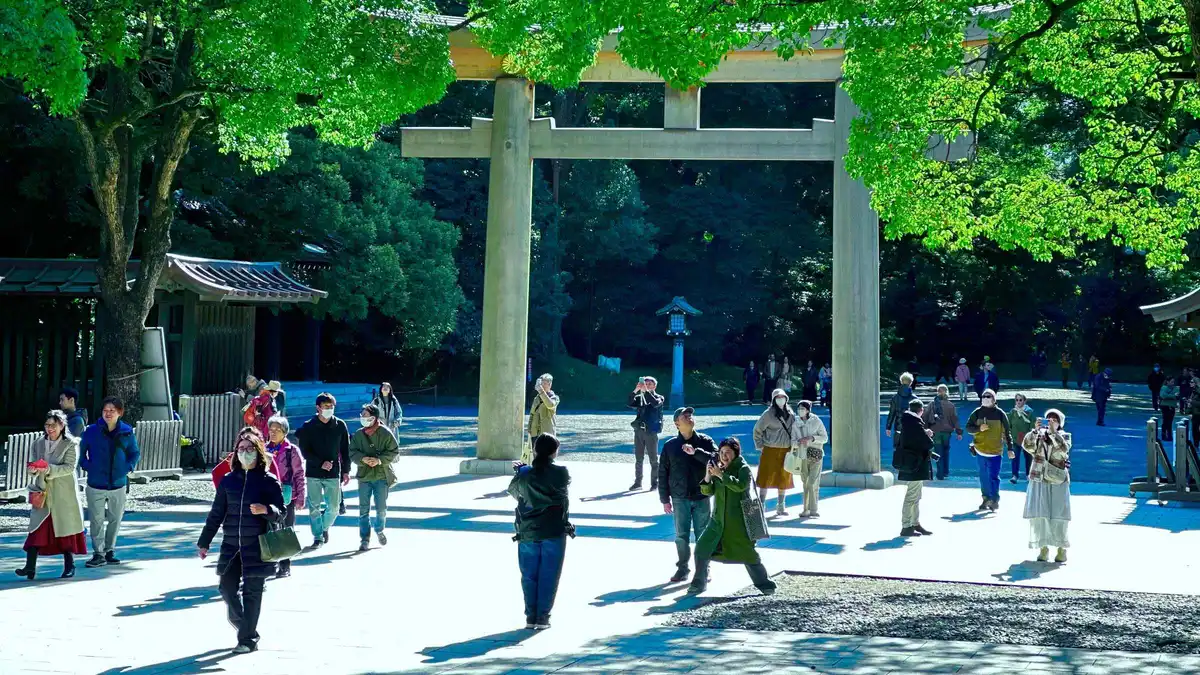
Tokyo: Meiji Jingu Shrine and Shinto Culture Walking Tour
Two-hour guided walk through Meiji Jingu, including the Imperial Garden, with a small-group format and shrine admission included. Suits travelers wanting the garden add-on the shorter tour skips.
Check Availability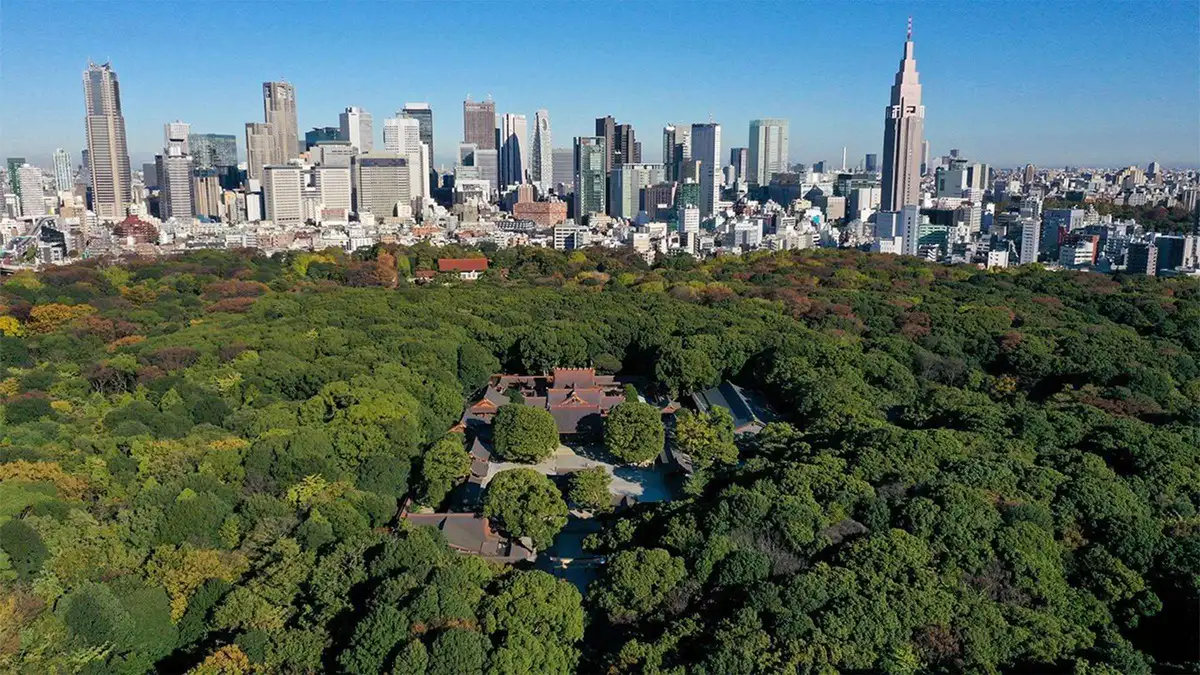 from $9.74
Tokyo: Meiji Shrine Walking Tour — Shinto & Imperial System
Ninety-minute English-only walking tour of Meiji Jingu explaining Shinto practice and Japan's imperial system, capped at 10 people. No separate ticket needed since the shrine grounds are free to enter.
Check Availability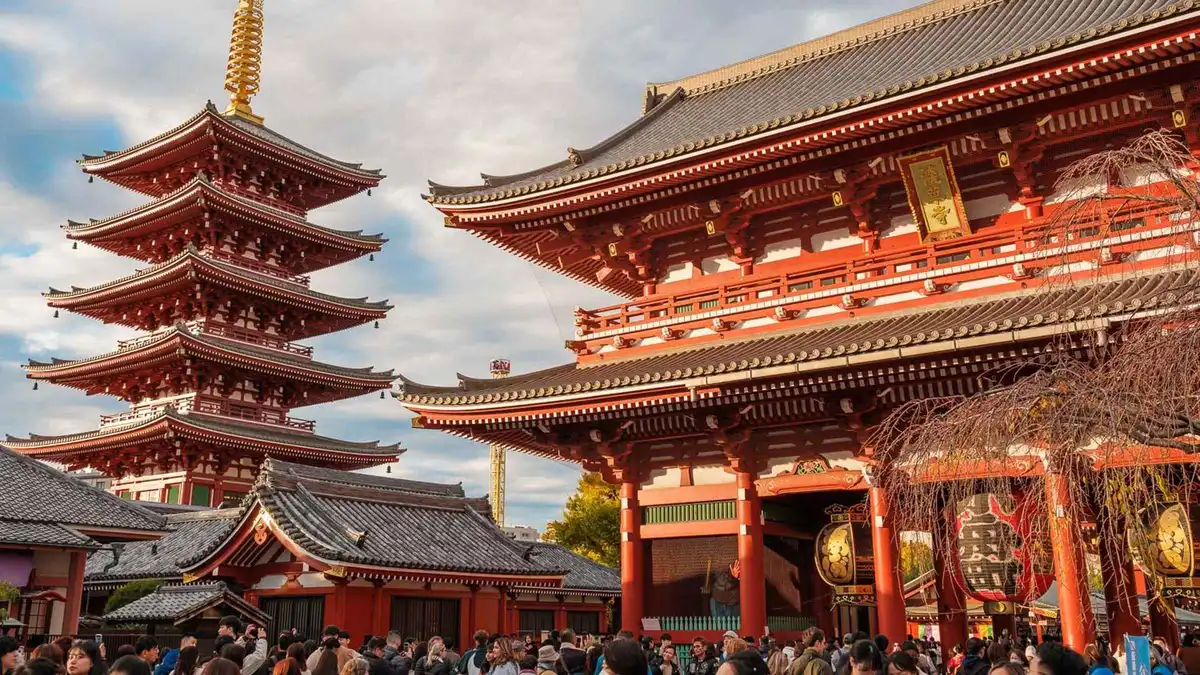 from $58.44
Tokyo: Private Walking Tour with a Local Guide
A private walking tour shaped around your own picks, from famous landmarks to quiet temples and local neighborhoods, with temple entrance fees on the agreed route and hotel pickup included.
Check Availability from $58.12
Tokyo: Private Custom Walking Tour with Local Guide
A private, fully customizable walking tour with a local guide who tailors the route to your interests, from landmarks to hidden neighborhoods, suited to families, couples or solo travelers wanting flexibility.
Check AvailabilityPrices, ratings and details are the platform's own, checked in Q3 2026; dollar figures are the listed prices — the platform bills in your account's currency.
What Harajuku Is, And Where It Starts And Stops
The name is not an administrative one, which is why maps and guidebooks disagree about the edges.
On Shibuya ward's official maps the area is Jingumae 1 to 4 chome. In everyday use, Harajuku means the ground spreading from the station down to Omotesando, and it is generally taken to include the backstreets on either side, from Sendagaya in the north to the top of Shibuya in the south. That is why one guide will tell you Cat Street is in Harajuku and another will place it in Shibuya: both are right, because nobody drew the line.
It was a post town, then an army barracks, then a fashion district
Before Edo, the place was a small post town on the Kamakura Highway. In 1590 the villages of Onden and Harajuku were granted to the Iga clan, and an Iga residence was placed here to guard the approach south of the Koshu Road, alongside the mansions of shogunal retainers and the Hiroshima domain's lord on what is now Jingumae 4 and 5 chome. The name that everyone associates with teenagers is therefore older than the shrine that made the district a destination, and much older than the shops.
- The station is on the JR Yamanote Line, two stops south of Shinjuku and one stop north of Shibuya.
- The subway station beside it is Meiji-jingumae 'Harajuku', on the Chiyoda and Fukutoshin lines.
- The far end of Omotesando is Omotesando Station, served by the Chiyoda, Ginza and Hanzomon lines, which is the exit to use for the museums.
The practical shape is a T. The horizontal stroke is Omotesando, running roughly east to west from the subway station to the shrine approach; the vertical stroke is Takeshita Street plus the streets behind it, running north from Omotesando to the station. Everything else is infill, and the infill is the interesting part.
Takeshita Street: Four Hundred Metres, And The Rules The Association Actually Posts
The street that put the district on postcards is shorter than most visitors expect and busier than any photograph conveys.
It runs from the arch directly opposite the station's Takeshita exit, roughly 400 metres to Meiji-dori, and it is lined end to end with boutiques, novelty shops, cafes and takeaway stands aimed squarely at teenagers. The shopping association describes its own street as a source of pop culture and, in the same breath, as extremely crowded. Two notices on its official site are worth reading before you go, because both are practical rather than decorative.
Walk on the left, and keep moving
The association asks visitors to circulate on the left-hand side of the street to prevent congestion, in Japanese and in English. This is not politeness for its own sake: the lane is too narrow for two-way browsing, and a group stopping in the middle to photograph a cotton candy is what turns a busy street into a jam. If you want a photograph, step into a shop doorway to take it.
Street touting is banned, and the association tells you exactly what to do
Soliciting and touting on the street are prohibited here. The association's own advice, printed on its site, is four lines long: do not stop when somebody calls out to you, do not answer, ignore an offered handshake, and do not accept a catalogue or a flyer. If you are troubled, contact the police immediately.
That is a more useful safety briefing than most guidebooks manage, and it comes from the people who run the street; the broader picture is on the safety and scams page.
The side streets off Takeshita are where the pressure drops. Two turnings in either direction and you are among smaller shops with the same stock, no queue and room to stand still, which is the standard trade in this district: the famous thing is crowded and the equivalent thing thirty metres away is not.
Omotesando: The Avenue That Is Also A Shrine Approach
The name means the front approach, and that is literally what it is: the ceremonial road to the shrine, which later filled up with flagship stores.
Omotesando runs about a kilometre, tree-lined, from Omotesando Station to the shrine's forest. It is often compared to the Champs-Elysees, and it serves an older and wealthier crowd than the lane on the other side of the tracks. Most people walk it in one direction as a corridor between two things; it repays walking slowly, because it is the best free architecture route in central Tokyo.
Omotesando Hills, and what stood there before
The complex that occupies a quarter of the avenue's length opened on 11 February 2006, replacing the Dojunkai Aoyama Apartments, a 1920s housing block that had been a landmark for eighty years. The figures on its own site are worth knowing before you walk in, because they explain why the inside feels like a street rather than a mall.
| Feature | Figure | Why it matters |
|---|---|---|
| Frontage | 250 metres, about a quarter of the length of Omotesando | The building is the avenue for a long stretch, so you cannot avoid walking past it |
| Floors | Six above ground, six below | Almost half the complex is underground, which is why the atrium reads as a canyon |
| Total floor area | 34,061 square metres | About 100 specialty shops, plus 38 apartments above them |
| The Spiral Slope | 700 metres long, set at about 3 degrees | It matches the gradient of the avenue outside, so the walk up is a continuation of the street rather than a staircase |
| Bright Up Wall | A 250-metre LED wall on the exterior | It is the thing lighting the avenue after dark, and free to look at |
The rest of the buildings on the avenue
The Louis Vuitton store opened in 2002 as the company's largest at the time and is designed as a stack of trunks rather than as conventional floors; the public shop occupies five of its ten storeys. Tokyu Plaza Omotesando, known as Omokado, opened in 2012 with a mirrored entrance staircase that is one of the most photographed spots in the district, and a green terrace on the sixth floor. Its sister building Harakado opened in spring 2024 diagonally across the Jingumae junction, with an open-air terrace of its own.
Laforet Harajuku, at the top of the avenue, is seven floors of boutiques with a museum space on the roof floor that hosts exhibitions.
- The terraces at Omokado and Harakado are free, have seats, and are the reliable answer to the question of where to sit down around here.
- None of these buildings publishes static opening hours we could read for this page; each floor and tenant sets its own, so check the individual shop before you make a special trip.
- The avenue itself never closes, and the trees and the lighting make it worth a walk after the shops shut.
Ura-Harajuku And Cat Street: Where The District Goes When It Fills Up
The two names cover the same idea from two directions: the streets behind the streets.
Cat Street is the pedestrian route that runs south from the middle of Omotesando towards Shibuya, following the covered course of the old Shibuya river. It is the calm cousin of Takeshita Street: independent labels, concept shops, second-hand designer, coffee. It is also the most useful path in this part of the city, because walking it puts you at Shibuya in about twenty minutes without touching a train or a main road.
Ura-Harajuku, often shortened to Urahara, is the grid north and east of it, behind the main lane. This is where the vintage trade concentrates: American streetwear, reworked denim, kimono remakes, small curated shops rather than chains. There is no map to it and no association notice; you find shops by turning down streets.
Budget an hour if you like this sort of thing and ten minutes if you do not.
One shrine and one park that most visitors walk past
Togo Shrine sits just off Takeshita Street, dedicated to Admiral Togo, who commanded the fleet that defeated the Russian navy in 1905. It is a small, quiet precinct fifty metres from the busiest lane in the district and almost nobody in that lane goes in. The antique market that used to run around it on the first Sunday of the month was discontinued in December 2009, so do not plan around it.
On the other side, Yoyogi Park is open at all hours, free apart from a few paid facilities, and three minutes on foot from either station; on Sundays it collects buskers, dance groups and picnickers.
What The Food Costs, And Why Nobody Here Publishes A Price
This is the honest answer rather than the convenient one, and it is worth reading before you queue for anything.
Not one of the famous stands on Takeshita Street publishes a price list you can read before you arrive. We checked the shopping association's own site, which has no price information at all, and the site of Marion Crepes, the oldest crepe shop on the street, whose menu page returned a not-found error to a direct request in Q3 2026. The prices you will find in blog posts are somebody's receipt from an unstated year, and the queue is not a price signal.
So budget rather than quote: a crepe, a tornado potato or a cotton candy is a snack, not a meal, and three of them are not lunch.
The one piece of food history worth knowing
Marion Crepes started in 1976 on Koen-dori in Shibuya, opened by a founder who had spent seven years in France, and moved onto Takeshita Street in 1977, in the same spot it occupies now. Wrapping a crepe in paper so it could be eaten while walking had not been done in Japan before, and the company's own history claims the practice as the origin of Japan's walk-and-eat street food culture. The chain now runs about a hundred shops nationwide.
Whatever you think of the queue, the format you are queuing for was invented on this street.
If you want a sit-down meal rather than a paper cone, walk. The cafes on Cat Street and the restaurants on the Omotesando side take reservations, have chairs and are not competing on novelty. The city-wide picture, including where the Michelin-listed kitchens actually are, is a separate question from what to eat standing up on a shopping street.
The Two Museums In Harajuku, Both Closed On Mondays
Both are small, both are excellent, and both are easy to miss because they sit off the shopping streets. Prices and hours below come from each museum's own visitor pages, read in Q3 2026, converted at ¥1,000 to $6.48.
The Ota Memorial Museum of Art is the ukiyo-e museum, three minutes from the subway exit and five from the station, built on a private collection of more than ten thousand prints. It has no permanent display: the exhibition changes monthly around a theme, so what you see depends entirely on when you come. The Nezu Museum, at the far end of Omotesando, holds East Asian art in a building with a large traditional garden behind it, which is half the reason to go.
| Museum | Hours | Adult price | Closed | The catch |
|---|---|---|---|---|
| Ota Memorial Museum of Art | 10:30 to 17:30, last entry 17:00 | Varies by exhibition; 15 and under free | Mondays, or the next day when Monday is a holiday, plus changeover periods and New Year | Cash only, no cards and no QR payment, and no lift or ramp: the second floor and basement are reached by stairs |
| Nezu Museum, collection exhibition | 10:00 to 17:00, last entry 16:30 | $9.07 (¥1,400) online timed ticket, $10.37 (¥1,600) at the door; students $3.89 (¥600) online | Mondays, or the next day when Monday is a holiday, plus installation periods and New Year | The online ticket is timed, and it is cheaper than the door price rather than more expensive |
| Nezu Museum, special exhibition | Same as above | From $10.37 (¥1,600) online, from $11.66 (¥1,800) at the door | Same as above | High school students and younger go free; a disability certificate takes ¥200 off for the holder and one attendant |
| Togo Shrine | Precinct open daily, no published closing time | Free | No closed day published | Fifty metres from the busiest lane in the district and almost empty |
| Yoyogi Park | Open at all hours | Free, with some paid facilities | Never; the service centre closes over New Year | The paid car park has 65 spaces, so do not drive |
Treat the Nezu as the end of an Omotesando walk
The walk to the Nezu is the part people underestimate: it is about eight minutes from exit A5 at Omotesando Station, or ten from the lift exit at B3, which is at the opposite end of the avenue from the shopping streets. Treat it as the end of an Omotesando walk rather than as a detour from Takeshita Street. Both museums are shut on the same day as most of the city's big institutions, which is covered on the Monday openings page.
Stations, Exits And What The Ride Costs
Three stations serve this district and each one drops you at a different half of it, which is the single most useful thing to know before you arrive.
Harajuku Station on the JR Yamanote Line is the one to use for the shopping lane and the shrine: the Takeshita exit puts the arch directly in front of you, and the Omotesando ticket gate on the other side of the building faces the shrine approach and the museum. Meiji-jingumae 'Harajuku' on the Chiyoda and Fukutoshin lines sits underneath the same junction, with exit 2 for the shrine and exit 5 for the ukiyo-e museum. Omotesando Station, on the Chiyoda, Ginza and Hanzomon lines, is the far end of the avenue and the right choice if the Nezu Museum is your target.
| Coming from | Line and station | Exit | What it puts you next to |
|---|---|---|---|
| Anywhere on the Yamanote loop | JR Harajuku | Takeshita exit | The arch at the head of the 400-metre lane, with the crowd already in it |
| Anywhere on the Yamanote loop | JR Harajuku | Omotesando ticket gate, west | The shrine's south approach, and the museum inside the precinct, about 5 minutes on foot |
| Chiyoda or Fukutoshin lines | Meiji-jingumae 'Harajuku' | Exit 2 | The shrine entrance and the top of the avenue |
| Chiyoda or Fukutoshin lines | Meiji-jingumae 'Harajuku' | Exit 5 | Three minutes from the Ota Memorial Museum of Art |
| Chiyoda, Ginza or Hanzomon lines | Omotesando | Exit A5, or B3 for the lift | The Nezu Museum end of the avenue, 8 to 10 minutes on foot |
The fare, and one figure nobody publishes
A subway hop into the district is cheap: Tokyo Metro's shortest fare band, up to 6 kilometres, is $1.17 (¥180) on a paper ticket and $1.15 (¥178) with an IC card, which covers a ride from most of central Tokyo. The JR fare for the one stop from Shibuya or the two from Shinjuku is the figure we cannot give you honestly: JR East publishes an interactive fare lookup rather than a static table, and no official page we fetched printed a minimum Yamanote fare. The commonly quoted figure is third-party and we are not printing it as verified.
Tap an IC card and the machine settles it; the transport page sets out how the cards and passes work.
When To Come, And What The District Does After Dark
The same streets are three different places depending on the hour, and the difference is larger here than almost anywhere else in the city.
Before eleven in the morning the main lane is a service street: deliveries, shutters going up, a handful of people photographing an empty arch. That is the hour to walk it if you want to see the architecture of the street rather than the back of somebody's head. From late morning it fills, and on a Saturday afternoon it reaches the density the shopping association writes its congestion notice about.
Early evening thins it again, and by the time the shops shut the lane is quiet enough to walk end to end in five minutes.
The avenue is the evening half of the district
Omotesando keeps going after the shopping lane has emptied. The trees are lit, the 250-metre LED wall on the front of Omotesando Hills does the work, and the restaurants on the side streets and along Cat Street take bookings for the hours when nothing is open two hundred metres north. If you have one evening in this part of the city, spend it on the avenue and the back streets rather than on the lane, and treat the lane as a morning errand.
The two dates that change the plan
In the second half of December the zelkovas along Omotesando carry an illumination that turns the avenue into a destination in its own right and multiplies the crowd on it; the events calendar tracks the dates each year. In cherry blossom season the crush moves west, into the park and the shrine forest, which is a reason to do the shopping streets in that fortnight rather than the green space. Neither event changes the opening of anything, because almost nothing here has a published opening time to change.
One last piece of timing that catches people out: the two museums close on Mondays and the shops do not. A Monday in this district is a shopping day whether you wanted one or not, and the alternatives are on the Monday openings page. The reverse is also true, and more useful: on a wet Tuesday, when the streets are miserable, the ukiyo-e museum three minutes from the subway exit is one of the best small rooms in the city.
Harajuku map: the four streets and the two museums
The stations, the head of each street and the places worth a detour, all within a fifteen-minute walk of the station forecourt.
Pin positions are from OpenStreetMap and from each venue's own access page; walking times are our estimates from the distances.
Next stop from Harajuku
Three ways out of the district, all of them on foot if you want them to be.
Meiji Jingu
Across the station forecourt and through the torii. The shrine is free, opens with the sunrise and closes with the sunset, so it is the morning half of a Harajuku day rather than the afternoon one.
2 min walkShibuya
Walk Cat Street south and you arrive at the top of Shibuya without a train. The crossing and the towers are better after dark, which fits neatly after an afternoon of shops.
20 min walk down Cat Street, or one stopShinjuku Gyoen
Two stops north on the Yamanote and a short walk, or straight there on the Fukutoshin line. The national garden costs $3.24 (¥500), bans alcohol and closes on Mondays, and is the quietest ground within reach of here.
About 15 minutes by trainWhat a room in Harajuku costs, and what you are paying for
The band below is the middle half of the nightly rates Google Hotels returned for one midweek night, Wednesday 21 October to Thursday 22 October, two adults, room only, from 54 priced listings queried in Q3 2026. Google resolves this district to the wider Shibuya ward, so the figures describe the ward rather than the four streets on this page; treat them as a reading of one date rather than a price.
Harajuku and Jingumae
- Walking distance
- Minutes from the station and the shrine approach
- Typical double
- $89 to $239 a night (about ¥13,700 to ¥36,900)
- Suits
- Travellers who want to be inside the shopping district in the morning before the crowds arrive, and on the Yamanote loop for everything else
This is one of the more expensive parts of the city to sleep in, and the rates here are pulled up by the luxury end of Shibuya ward rather than by this district's own small hotels. Tokyo's accommodation tax is charged on top: nothing under ¥10,000 per person per night, ¥100 from ¥10,000 to ¥14,999, and ¥200 at ¥15,000 and above.
See stays in Harajuku and JingumaeRates read in Q3 2026 for one midweek October night and quoted as a band, not a price; they will move day to day. The accommodation tax bands are the Tokyo Metropolitan Government Bureau of Taxation's current published rates, and the Bureau has announced a flat 3 per cent charge replacing them from 1 April 2027. The other districts, with the same method and the same date, are on the where to stay page. We take a commission if you book through this link, at no extra cost to you.
Harajuku questions
What is Harajuku famous for?
Youth street fashion, and one 400-metre lane in particular. Takeshita Street is the source of that reputation: snack stands, novelty shops and cheap clothing aimed at teenagers, packed shoulder to shoulder at weekends. The district is equally known for the opposite thing thirty metres away, the luxury avenue of Omotesando, and for the forested shrine precinct across the tracks, which has its own page.
Is Harajuku in Shibuya or Shinjuku?
Shibuya. The district corresponds to Jingumae 1 to 4 chome in Shibuya ward, and the station is one stop north of Shibuya Station on the JR Yamanote Line and two stops south of Shinjuku. Because the name is informal rather than administrative, its southern edge blurs into Shibuya somewhere along Cat Street, and nobody agrees exactly where.
How long do you need in Harajuku?
Two to three hours covers the lane, the avenue and one of the back streets at a walking pace. Add an hour for either museum, and another hour if you plan to sit down and eat rather than eat standing up. Half a day is the sensible allocation if you are pairing it with the shrine, which takes an hour on its own before the shops open. A private guide can compress it if you would rather be pointed at things.
When is Takeshita Street least crowded?
Early on a weekday. The shops mostly open late morning, so the hour before that is quiet enough to see the street itself, and weekday evenings thin out again. Weekend afternoons are the worst, which is why the shopping association posts a request to walk on the left and keep circulating rather than stopping to photograph. If you are here at a bad hour, turn into any side street and the pressure drops immediately.
Is Harajuku expensive?
Walking it is free and eating on the street is cheap; everything else depends on which of the four streets you are standing on. Omotesando carries the flagship stores and the highest prices in the district, the back streets carry second-hand and independent labels, and the two museums start at $9.07 (¥1,400). Sleeping here is the expensive part: a midweek room sat in a $89 to $239 band when we last read the rates.
Are there animal cafes and themed cafes in Harajuku?
Yes, several, mostly on and around the main lane, and they are the most heavily marketed thing in the district. They are also the one category where we will not print prices or recommendations: none of them publishes a fixed menu you can read in advance, admission is usually a time-based charge plus a drink, and welfare standards vary. Read the shop's own page on the day, and if somebody on the street is pressing a flyer at you, the association's own advice is not to take it.
Harajuku on Film: the Lane, the Avenue and the Crowd
Three walk-throughs that show the difference between the 400-metre lane and everything around it, and how quickly the crush builds once the shops open. Watch one and the crowding advice on this page stops sounding cautious.
16 Top Tips for Harajuku, Tokyo, More Than Just Fashion
The practical version of this district: what is worth the queue, and what is a few streets away.
Video: Tokyo CheapoTokyo Harajuku Takeshita Street and Omotesando Shopping Tour
The lane and the avenue back to back, which is the clearest way to see how different they are.
Video: Matcha_JapanTakeshita Street: Fashion, Food, and Fun in Harajuku
A walk down the full length of the lane, snack stands included, at the pace you will actually manage.
Video: Tokyo CheapoVideos load from YouTube only when you press play.
Reviewed Q3 2026 (July–September 2026); next review Q4 2026. Prices, hours and terms are set by the venue or operator and confirmed at checkout.
We may earn a commission if you book through one of our links, at no extra cost to you. Full affiliate disclosure